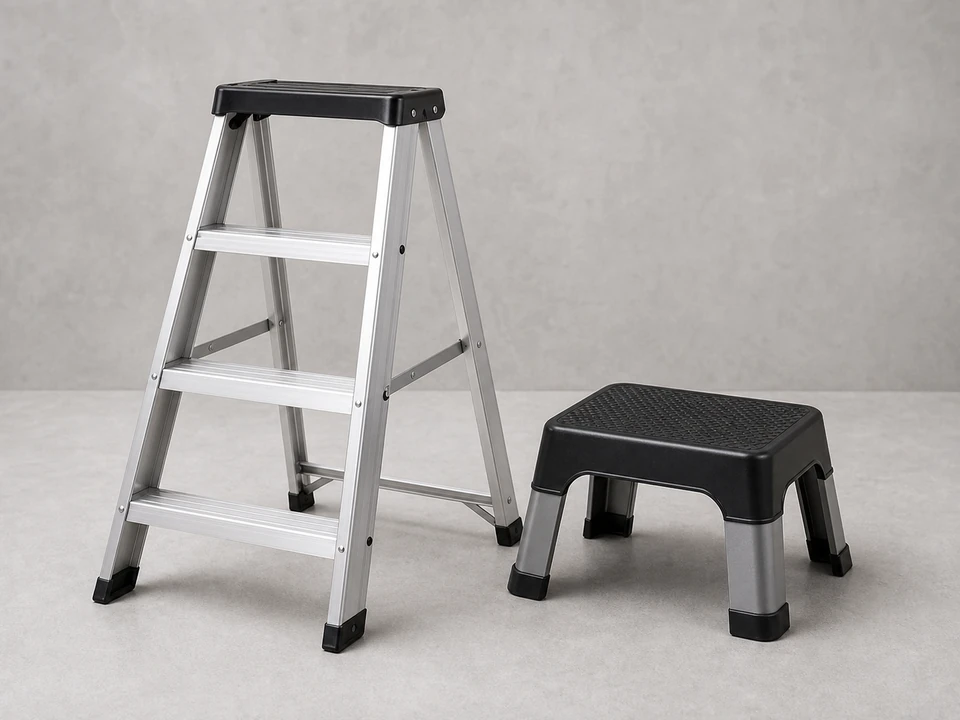
Step ladder
Use it for: To reach the ceiling register safely and work with both hands free.
Shop step laddersTo replace a ceiling register damper, remove the ceiling register, confirm the damper is the part that is bent, stuck, or missing, install a matching replacement, then test that the vent opens and closes smoothly.
This is usually a manageable repair if the register is easy to reach and the surrounding ceiling is solid. The key is matching the new damper to the old one and making sure the register still mounts flat after the swap.
Before you start: Match the replacement part to your exact ductwork vent before ordering.
Use it for: To reach the ceiling register safely and work with both hands free.
Shop step ladders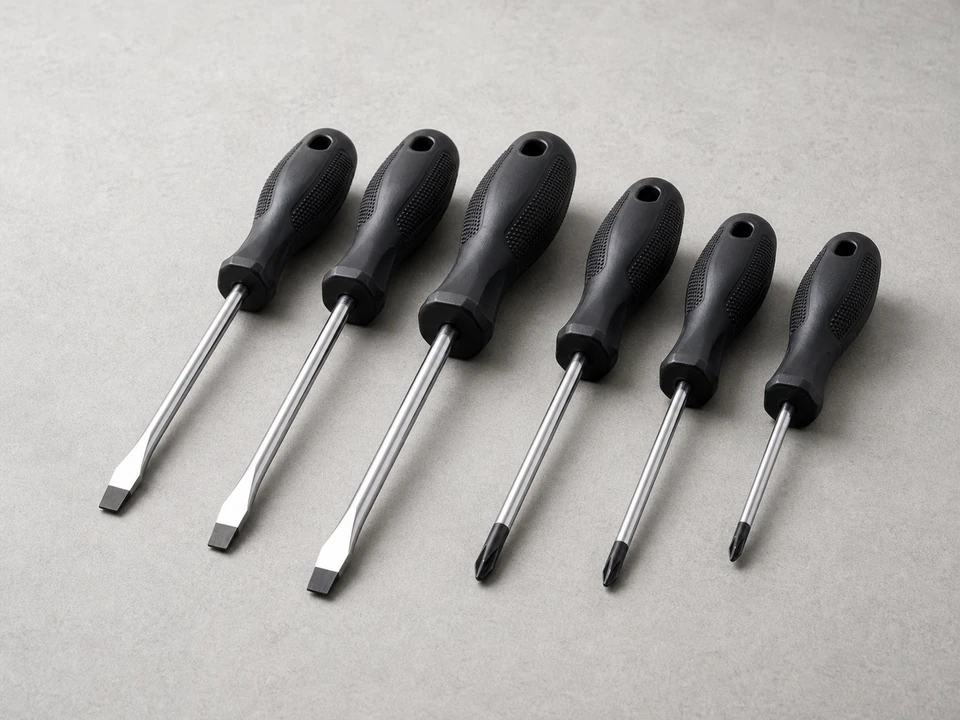
Use it for: To remove the register screws and reinstall the vent cover.
Shop screwdriver sets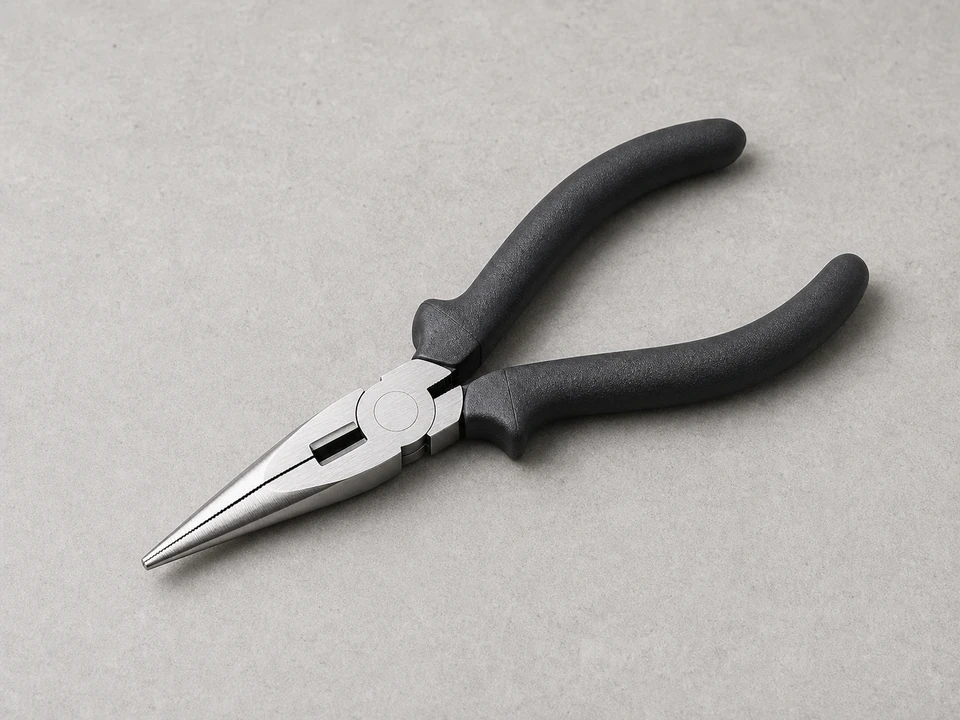
Use it for: To remove clips, bend tabs carefully, or guide the new damper into place.
Shop needle-nose pliers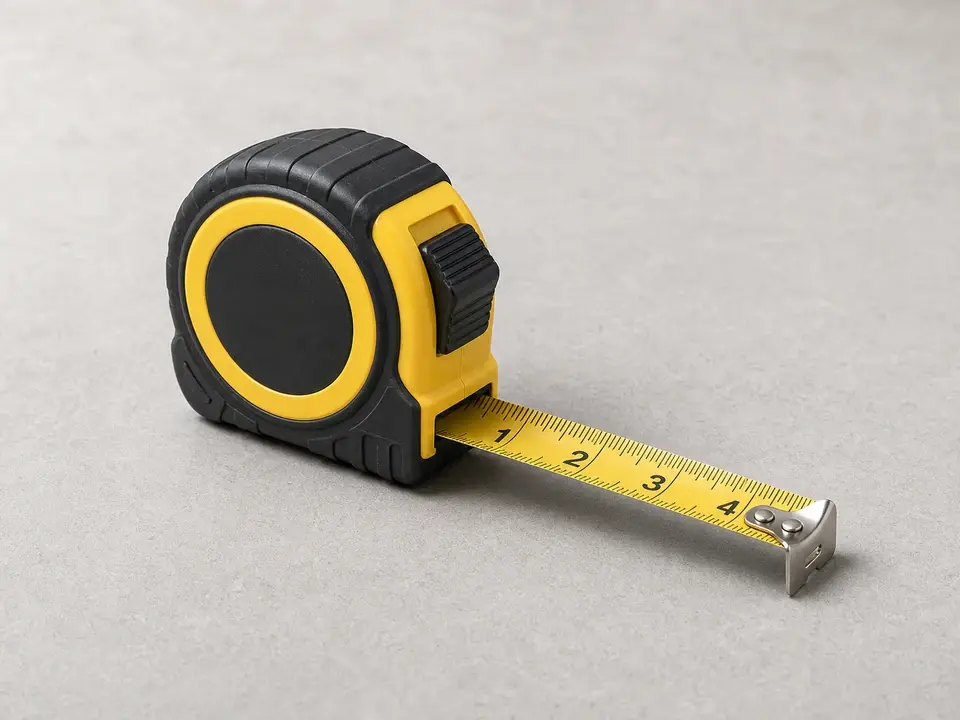
Use it for: To measure the register opening and compare the old damper to the replacement.
Shop tape measures
Use it for: To protect your hands from sharp sheet metal edges.
Shop work glovesAs an Amazon Associate I earn from qualifying purchases. Repair Riot may earn a commission at no extra cost to you.
If it works: You have confirmed the ceiling register damper is damaged or no longer connected and the register itself is worth reusing.
If it doesn’t: If the whole register is bent, cracked, or badly rusted, replace the full ceiling register instead of only the damper.
If it works: The register is off the ceiling and you can access the damper and its mounting points clearly.
If it doesn’t: If paint or caulk is holding the register to the ceiling, score the edge gently before pulling it down so you do not tear the ceiling surface.
If it works: You know the new ceiling register damper matches the old part closely enough to install without forcing it.
If it doesn’t: If the replacement does not match the old damper's size or attachment style, return it and get one that matches the register exactly.
If it works: The old damper is out and the register frame is clean and ready for the new part.
If it doesn’t: If a tab breaks during removal but the register still cannot hold the new damper securely, replace the whole register.
If it works: The new damper is secured in the register and moves through its full range with light, even resistance.
If it doesn’t: If the blade binds, remove it and recheck orientation, pivot placement, and whether the replacement is truly the correct size.
If it works: The register is mounted flat, the new damper holds in real use, and airflow changes when you adjust the vent.
If it doesn’t: If airflow does not change much even though the damper moves correctly, the issue may be farther back in the duct or with system balancing rather than the register damper.
Match the replacement part to your exact ductwork vent before ordering.
As an Amazon Associate I earn from qualifying purchases. Repair Riot may earn a commission at no extra cost to you.
Yes, if the register frame is still solid and the new damper matches the old part. If the frame is bent, cracked, or badly rusted, replacing the full register is usually the better fix.
Match the old part by size, blade shape, pivot style, and how it connects to the control lever. A close visual and measurement match matters more than a generic description.
It is often slightly misaligned, installed backward, or rubbing on a bent register frame. Remove it and check the pivot points and blade position before forcing anything.
Usually you only need to turn the thermostat off so the system is not blowing air while you work. If the vent area includes wiring or powered accessories you would have to disturb, stop and get help.
If the damper opens and closes correctly but airflow stays weak, the problem may be in the duct run, system balancing, filter condition, or the HVAC equipment rather than the register itself.