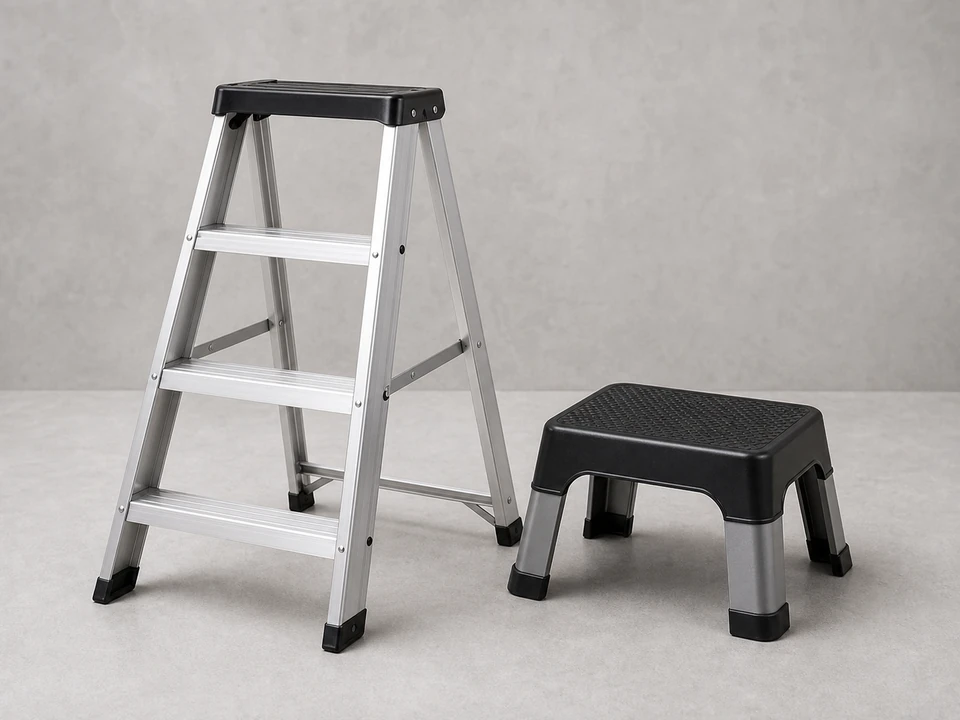
Step ladder
Use it for: To reach the ceiling register safely and work with both hands free.
Shop step laddersTo replace a ceiling register damper assembly, remove the ceiling register, confirm the damper is bent, stuck, or broken, swap in a matching replacement, then reinstall and test that the vent opens, closes, and directs airflow normally.
This is usually a straightforward repair if the register itself is still usable and the surrounding ceiling is solid. Work carefully on a stable ladder, and stop if the vent opening shows water damage, loose drywall, or damaged ductwork.
Before you start: Match the replacement part to your exact ductwork vent before ordering.
Use it for: To reach the ceiling register safely and work with both hands free.
Shop step ladders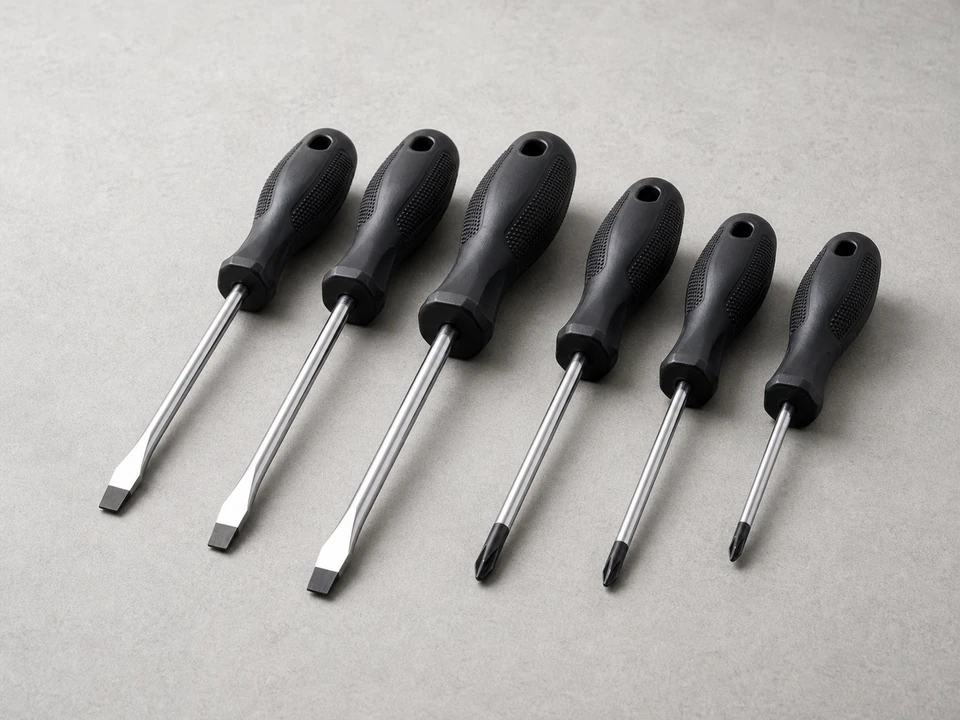
Use it for: To remove the register screws and reinstall the vent without stripping fasteners.
Find a screwdriver set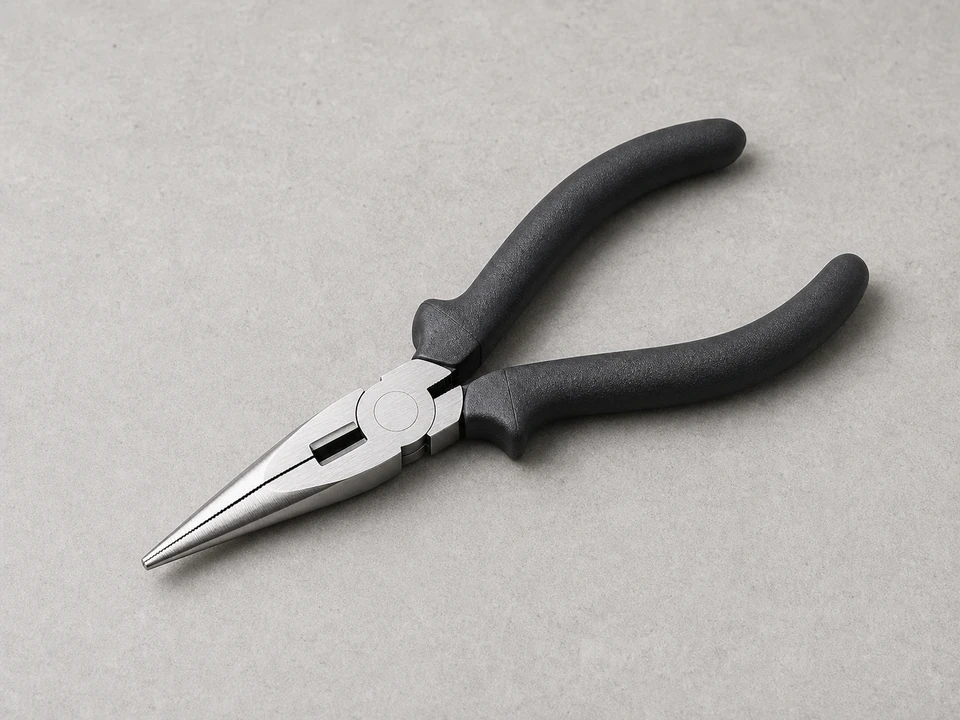
Use it for: To unhook clips, guide the damper linkage, or straighten light metal tabs during removal.
Shop needle-nose pliers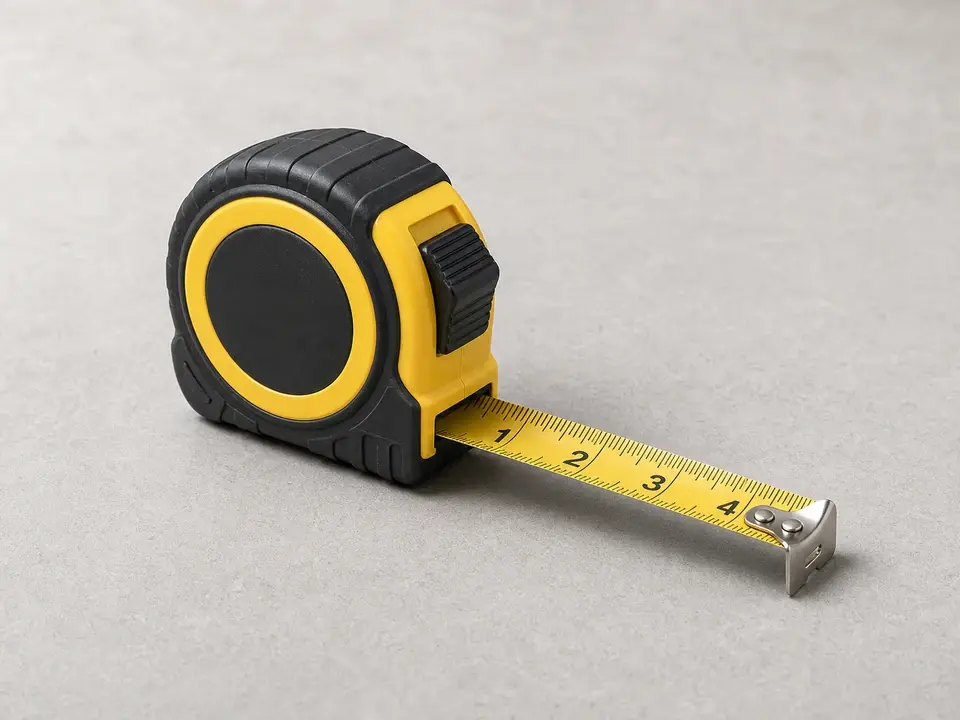
Use it for: To match the replacement damper assembly to the register opening and blade size.
Find a tape measure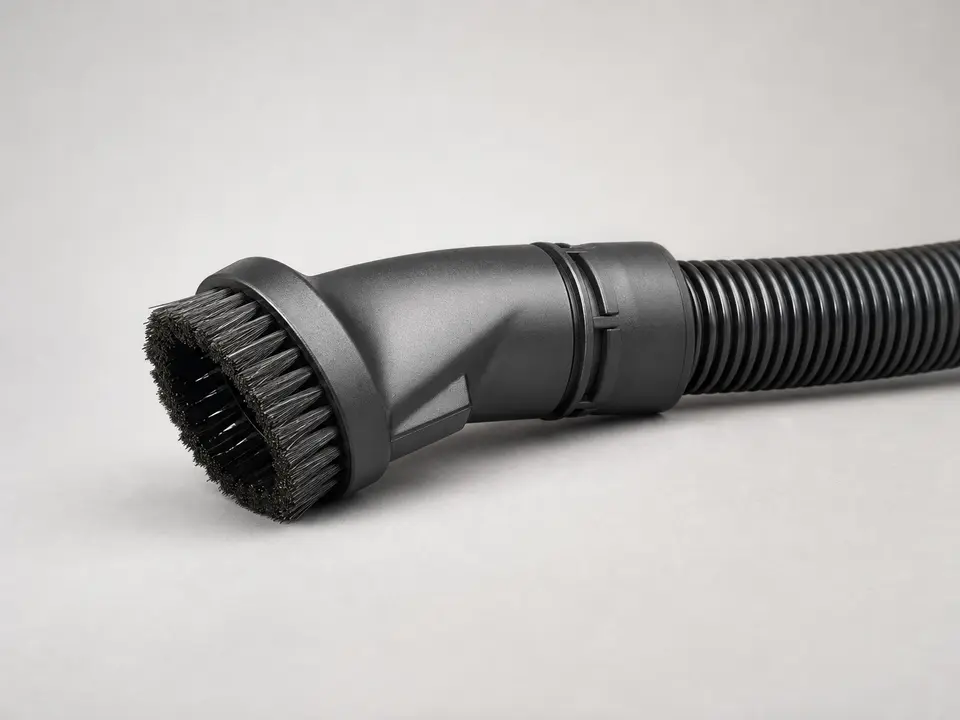
Use it for: To clean dust from the register and duct opening before installing the new part.
Shop shop vacsAs an Amazon Associate I earn from qualifying purchases. Repair Riot may earn a commission at no extra cost to you.
If it works: You have confirmed the ceiling register damper assembly is damaged or worn and the register area looks sound enough for replacement.
If it doesn’t: If the damper moves normally but airflow is still weak, the issue may be farther back in the duct, at another damper, or at the HVAC system rather than this register.
If it works: The register is down, the old damper assembly is exposed, and you can clearly see how it mounts.
If it doesn’t: If the register will not come free, check again for hidden paint buildup, an extra screw, or a clip holding one side in place.
If it works: The replacement matches the old assembly closely and moves freely before installation.
If it doesn’t: If the new part does not line up with the register frame or control lever, pause and get a better match instead of forcing it.
If it works: The new damper assembly is secured in the register and the control moves it smoothly from open to closed.
If it doesn’t: If the blades scrape or hang up, loosen the mounting slightly, realign the assembly, and test again before reinstalling the register.
If it works: The register is reinstalled neatly and the damper control still works after mounting.
If it doesn’t: If the control became stiff after reinstalling, loosen the screws slightly and check whether the frame is being pulled out of square.
If it works: The vent adjusts normally, airflow responds to the control, and the new damper assembly stays secure during real operation.
If it doesn’t: If airflow does not change much even though the damper moves correctly, the restriction may be deeper in the duct system or at the HVAC equipment.
Match the replacement part to your exact ductwork vent before ordering.
As an Amazon Associate I earn from qualifying purchases. Repair Riot may earn a commission at no extra cost to you.
If cleaning does not free up the blades, or if the linkage is broken, bent, or will not hold position, replacement is usually the better fix. Light dust can cause sticking, but damaged pivots and warped blades usually do not recover.
Yes, if the register frame is still straight, solid, and able to hold the new assembly securely. If the frame is rusted, cracked, or badly bent, replacing the full register may make more sense.
A new damper assembly only fixes control at that register. Weak airflow can also come from a blocked duct, a closed branch damper farther back, duct leakage, a dirty filter, or HVAC system issues.
It is usually enough to avoid working while that vent is blowing strongly. If the system keeps cycling on and makes the work awkward, you can turn the thermostat off until the register is back in place.
Match the replacement to the register opening size, the damper blade area, the mounting style, and the control connection. A part that is close but not aligned correctly can bind or fail to operate once installed.