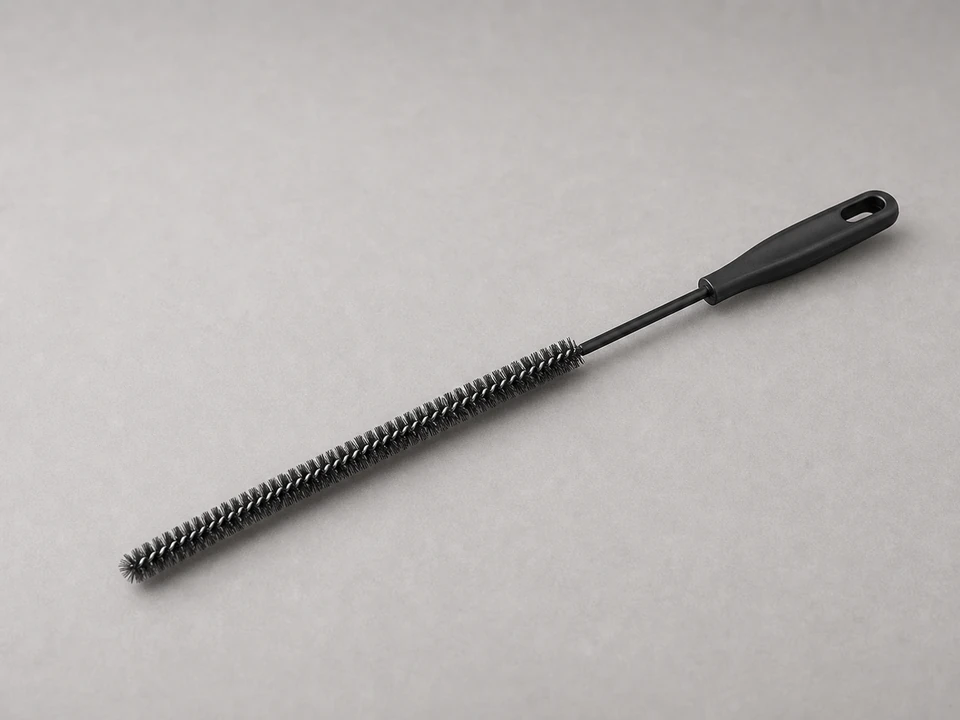
Coil cleaning brush
Use it for: Loosens lint and dust from tight coil spaces without bending them as easily as a stiff household brush can.
Shop refrigerator coil cleaning brushTo clean refrigerator condenser coils, unplug the refrigerator, access the coils, loosen dust with a coil brush, vacuum it out, and restore power. Clean coils help the refrigerator release heat instead of trapping it under or behind the cabinet.
If your refrigerator is running longer than usual, feels hot around the bottom or back, or has visible dust buildup near the coil area, cleaning the condenser coils is a smart first maintenance step. This is usually a straightforward job, but you do need to work carefully around sharp metal edges and moving parts.
Before you start: Match the part or procedure carefully before you start. Stop if the repair becomes unsafe or unclear.
Use it for: Loosens lint and dust from tight coil spaces without bending them as easily as a stiff household brush can.
Shop refrigerator coil cleaning brush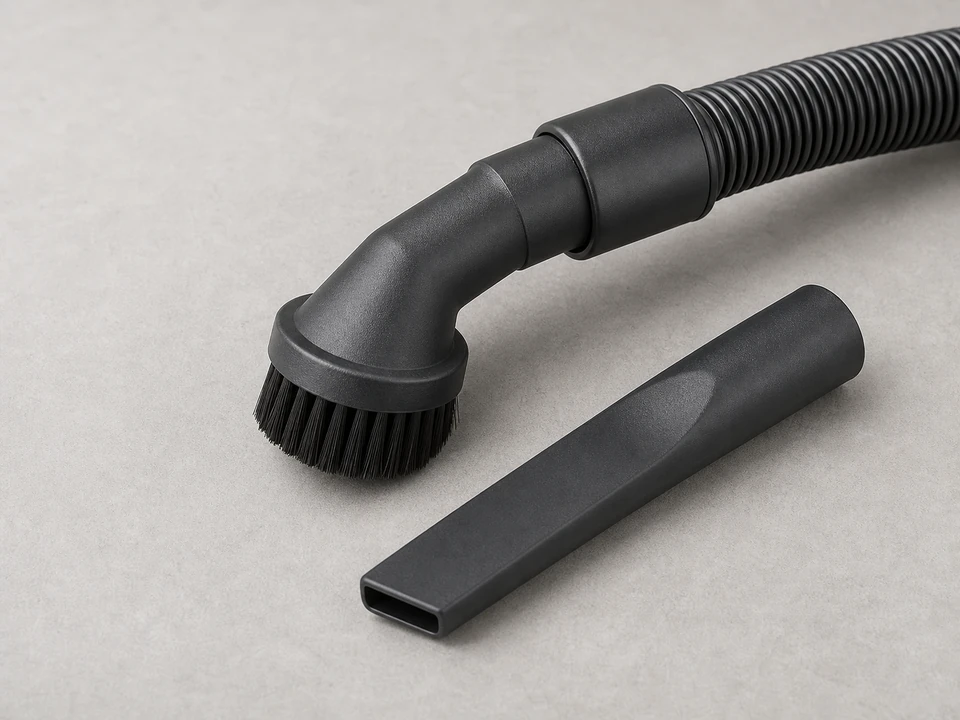
Use it for: Pulls out the dust you loosen so it does not settle back under the refrigerator.
Shop vacuum with hose attachment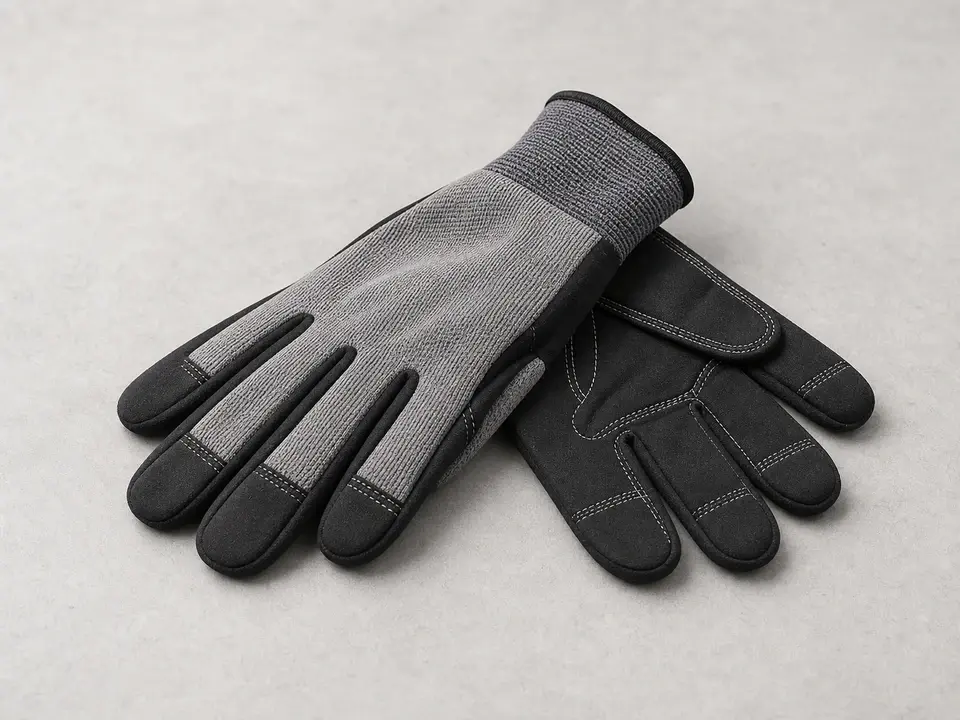
Use it for: Protects your hands from sharp sheet metal edges under the refrigerator or behind the rear panel.
Shop work gloves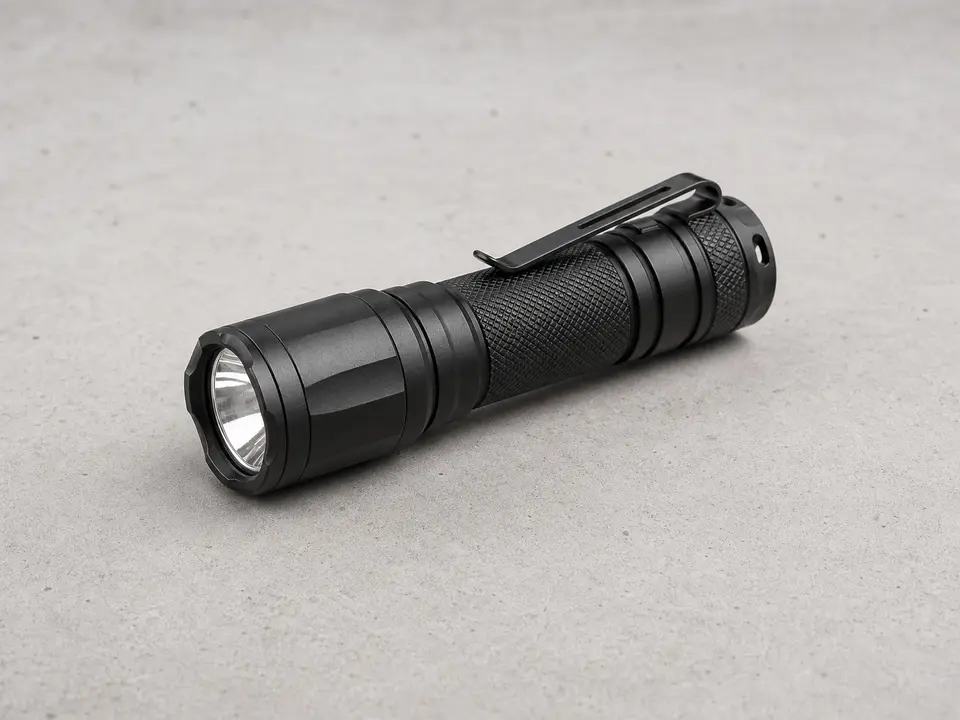
Use it for: Helps you see the full coil area, fan area, and dust buildup under low light.
Shop flashlight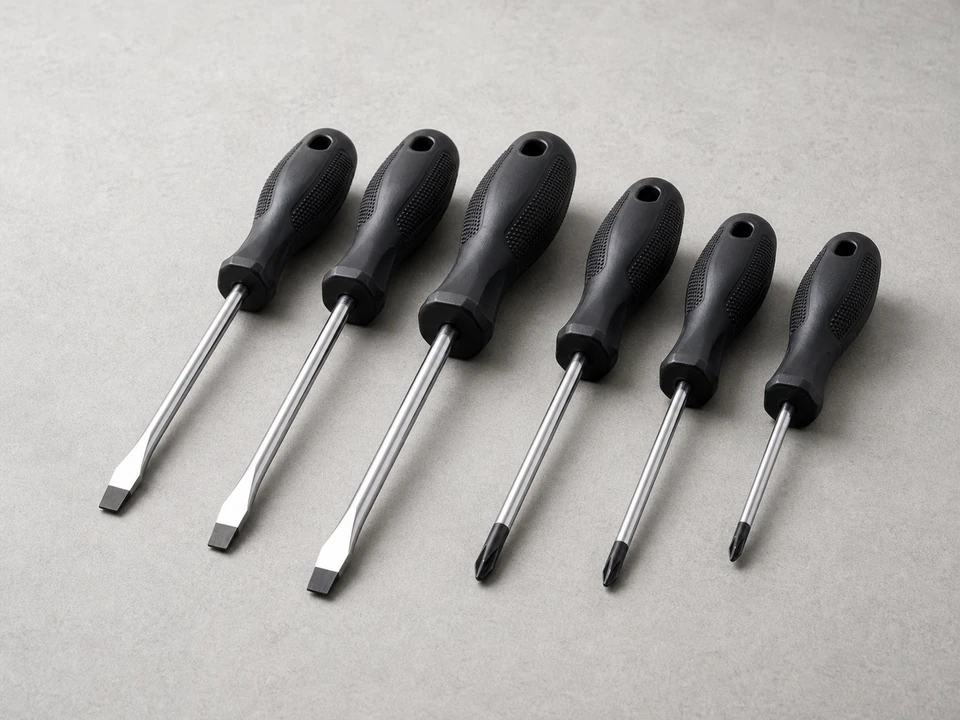
Use it for: Removes a rear access panel or lower front grille on models that cover the coils.
Shop screwdriver setAs an Amazon Associate I earn from qualifying purchases. Repair Riot may earn a commission at no extra cost to you.
If it works: You have confirmed the coils are accessible and dirty enough that cleaning is a reasonable first step.
If it doesn’t: If you cannot find the coils, check the owner literature or look for a lower rear panel near the compressor area before going further.
If it works: The refrigerator is unplugged and you have enough room to reach the coil area safely.
If it doesn’t: If the refrigerator will not move easily, protect the floor and work slowly from each side rather than forcing it forward.
If it works: The coil area is open and you can clearly see where dust and lint need to be removed.
If it doesn’t: If the coils still are not visible, look deeper under the cabinet from the front or rear. Some coils sit flat underneath the refrigerator and are easiest to reach with a long brush.
If it works: Most visible dust and lint are removed from the coils and surrounding airflow path.
If it doesn’t: If dust is packed in tightly, repeat with shorter brush strokes and vacuum again until airflow paths are visibly clearer.
If it works: The refrigerator is back together, powered on, and running normally.
If it doesn’t: If it does not restart right away, give it a few minutes and confirm the outlet has power and the cord is fully seated.
If it works: The refrigerator is cooling normally and the coil area stays cleaner and better ventilated than before.
If it doesn’t: If cooling is still weak after the coils are clean, the problem may be elsewhere, such as airflow, a fan issue, a door seal problem, or a sealed system fault.
A good starting point is about every 6 to 12 months. If you have pets, a dusty home, or the refrigerator sits near a cooking area, check them more often.
They are often behind a lower front grille, behind a lower rear access panel, or underneath the refrigerator near the compressor area.
Yes. When coils are packed with dust, the refrigerator cannot release heat efficiently. That can make it run longer and cool less effectively.
Sometimes. Some refrigerators give access from the front, while others need the lower rear panel removed. Only remove the panel that clearly serves as the coil access cover.
Yes, as long as you use a hose attachment and work gently. A coil brush helps loosen packed lint that a vacuum alone may miss.