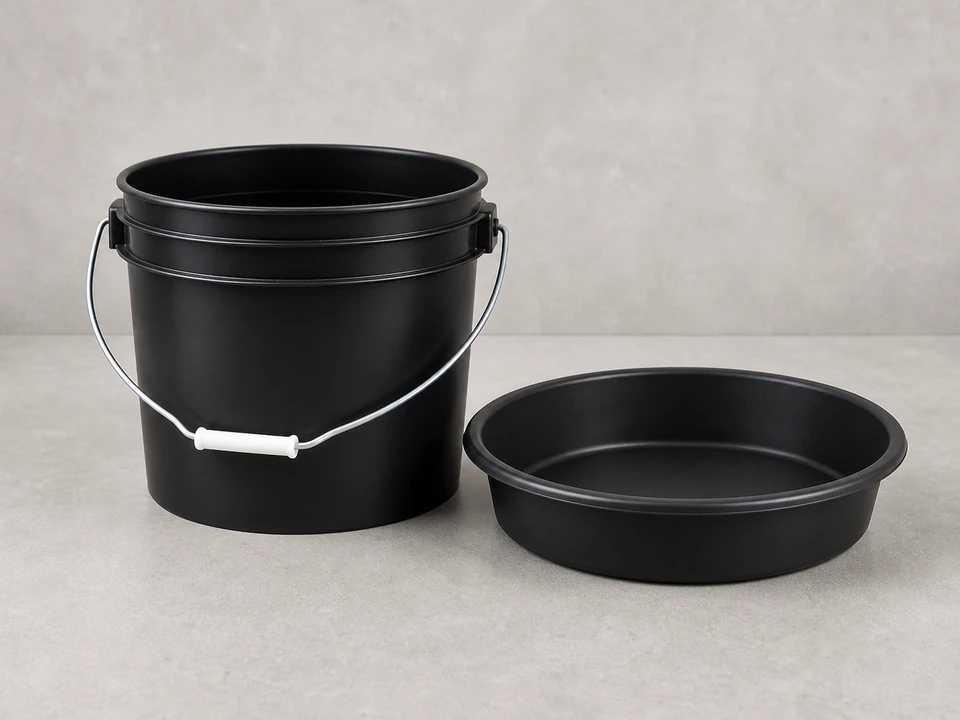
Bucket or shallow pan
Use it for: Catches leftover water when you remove the hose.
Shop buckets and drain pansTo clear a dehumidifier drain hose, unplug the unit, remove the hose, flush out the clog, clean the drain connection, then reinstall the hose with a steady downward slope so water can flow out freely.
A dehumidifier drain hose usually clogs from slime, dust, or a low spot that lets water sit in the line. This is a good repair to try when the bucket fills even though a hose is attached, water backs up at the drain port, or the unit leaks near the hose connection.
Before you start: Match the hose diameter, length, and end style to your dehumidifier before ordering a replacement. Stop if the repair becomes unsafe or unclear.
Use it for: Catches leftover water when you remove the hose.
Shop buckets and drain pans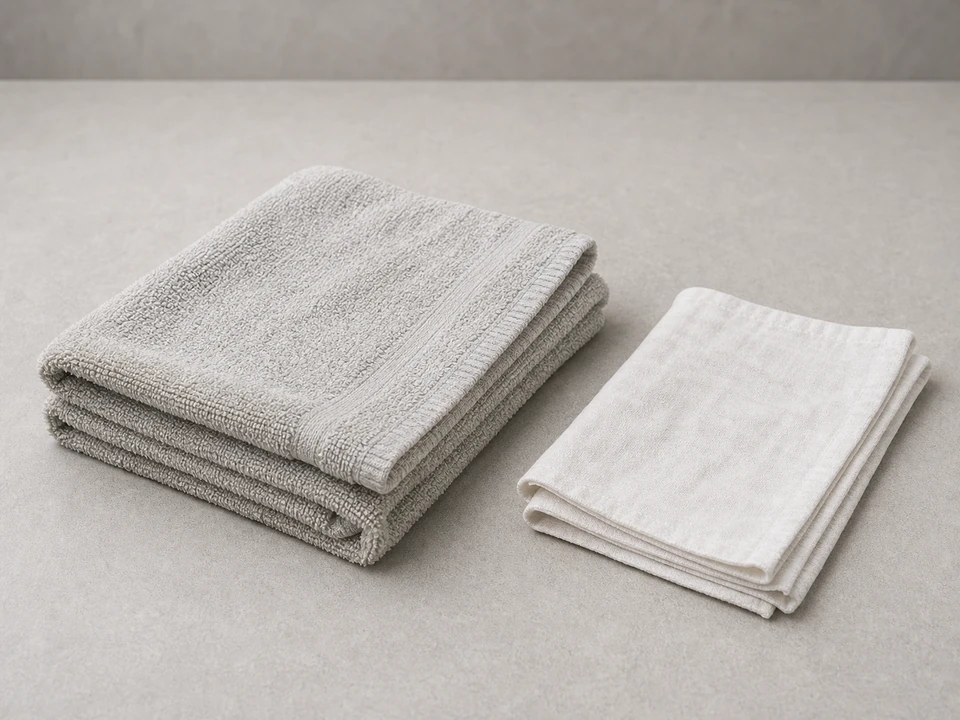
Use it for: Protects the floor and wipes up spills.
Shop cleaning rags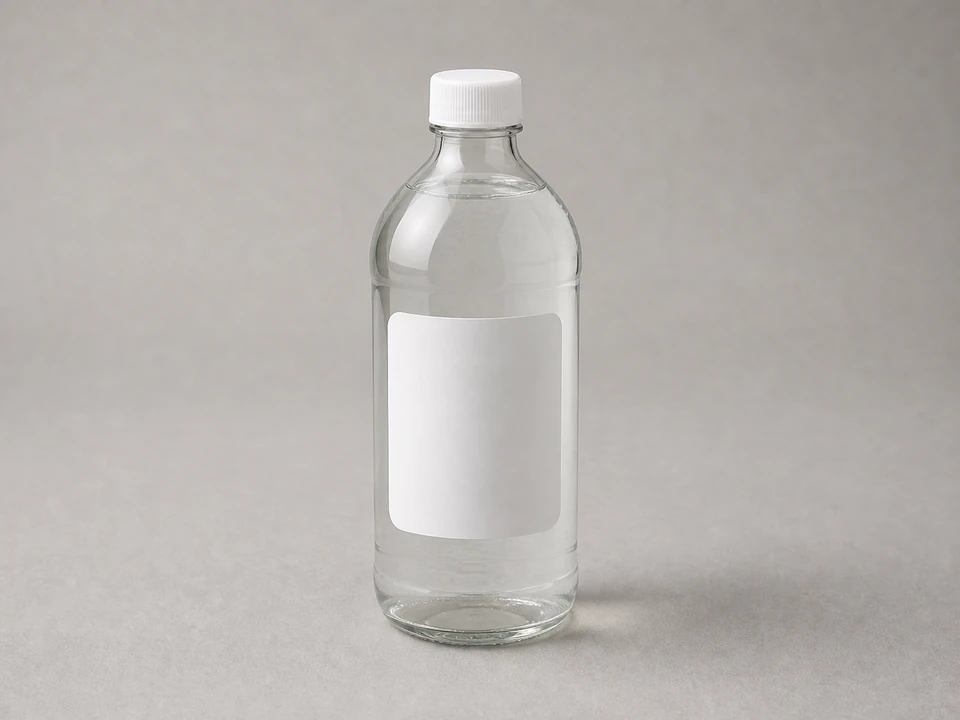
Use it for: Helps loosen slime and mineral buildup inside the hose.
Shop white vinegar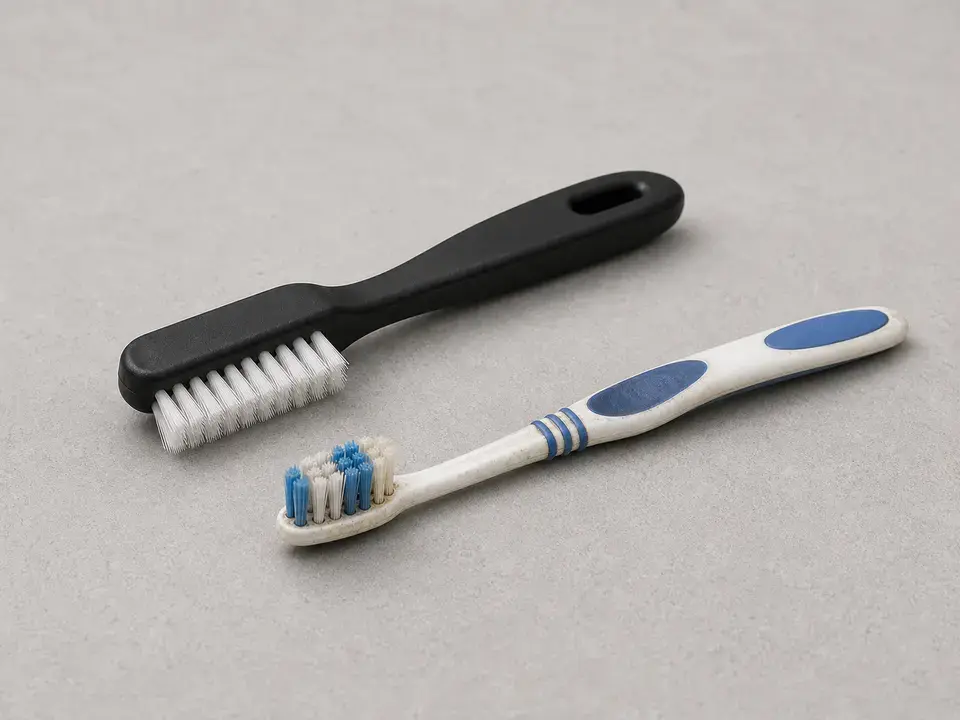
Use it for: Scrubs inside the hose without damaging it.
Shop small hose cleaning brushes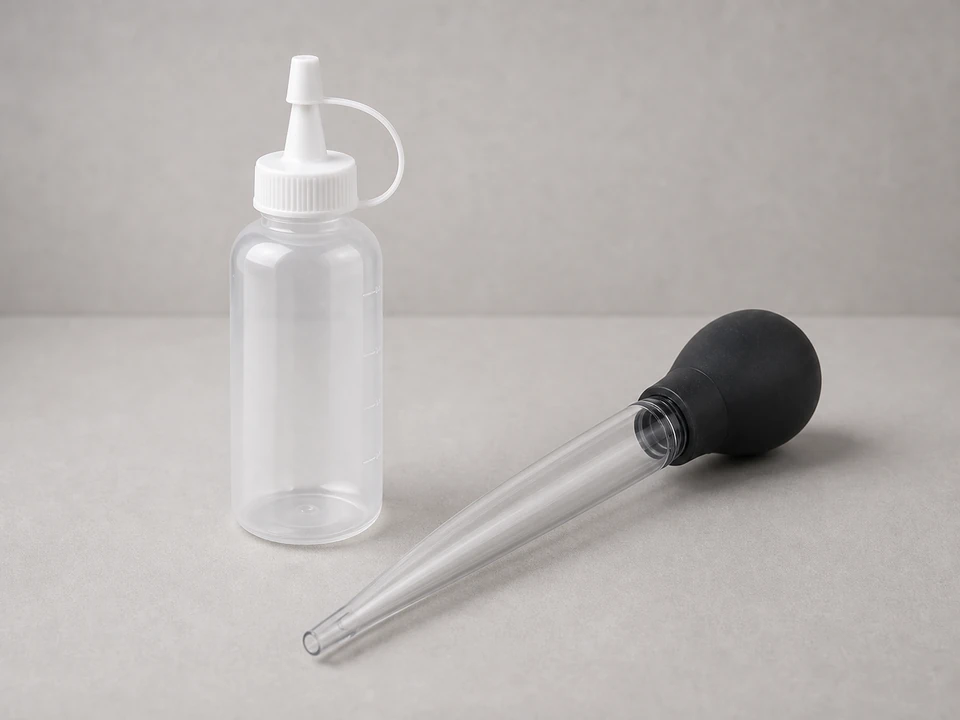
Use it for: Pushes water or vinegar through the hose to flush the clog.
Shop squeeze bottles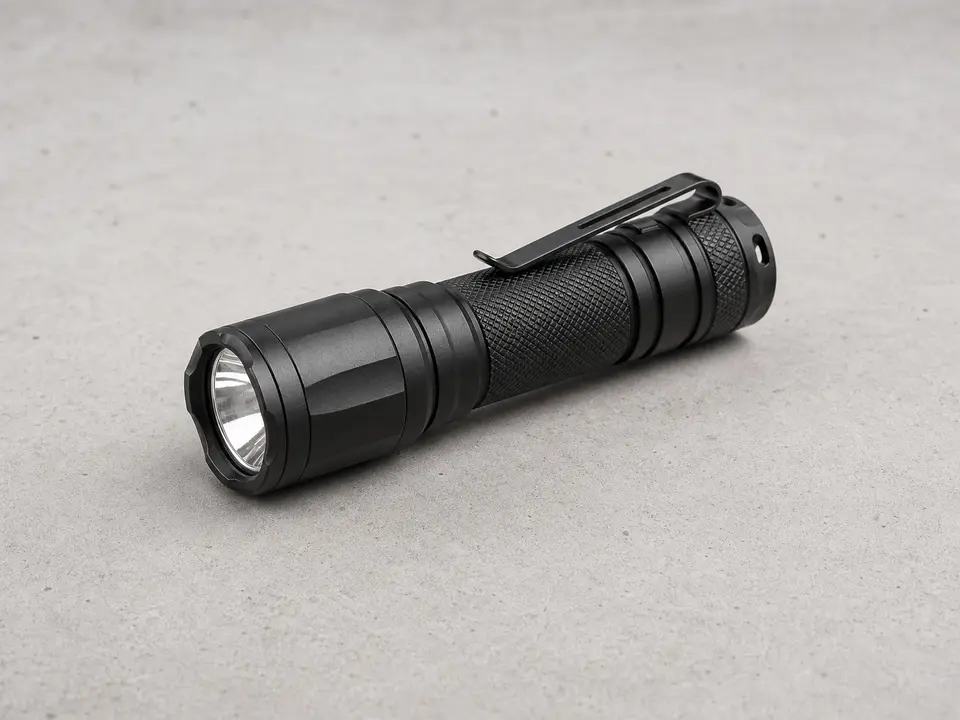
Use it for: Lets you inspect the hose, drain port, and routing behind the unit.
Shop flashlightsAs an Amazon Associate I earn from qualifying purchases. Repair Riot may earn a commission at no extra cost to you.
If it works: You have confirmed the hose is connected and a clog or poor hose routing is a reasonable cause of the drainage problem.
If it doesn’t: If the hose is not installed, the bucket is cracked, or the unit is not collecting water at all, this is probably not the right repair path.
If it works: The hose is off the unit and any standing water has been drained so you can clean it safely.
If it doesn’t: If the hose will not come off without forcing it, check for a clamp or threaded fitting and loosen it first.
If it works: Water moves through the hose easily without backing up, and the inside of the hose is visibly cleaner.
If it doesn’t: If flow is still weak, repeat the flush from both directions and work the brush through the tightest section again.
If it works: The hose is reinstalled cleanly and routed so gravity can carry water away.
If it doesn’t: If you cannot create a steady downward slope, shorten the hose run or move the dehumidifier closer to the drain.
If it works: Water drains through the hose without backing up, and there are no leaks at the connection or along the line.
If it doesn’t: If water still does not drain, recheck for a hidden low spot, a partial clog, or a setup issue with the bucket or drain mode.
If it works: The dehumidifier drains normally in real use, the bucket stays mostly empty when continuous drain is enabled, and the area around the unit stays dry.
If it doesn’t: If the same problem returns quickly, the hose may need replacement or the dehumidifier may have an internal drain or pump issue.
The most common causes are slime, dust, mineral buildup, or a hose route that lets water sit in a low spot. Standing water inside the hose gives buildup a place to collect.
Vinegar is usually enough for this job and is easier on the hose. If you use any stronger cleaner, rinse the hose thoroughly before reconnecting it.
Replace it if it is brittle, split, permanently kinked, crushed, badly scaled inside, or still drains poorly after a full cleaning and rerouting.
That usually means the hose is clogged, the hose run goes uphill or sags, the drain mode is not set up correctly, or the hose connection is not seated properly at the drain port.
Check it whenever drainage slows or the bucket starts filling unexpectedly. In damp or dusty spaces, a quick inspection and flush every season can help prevent repeat clogs.