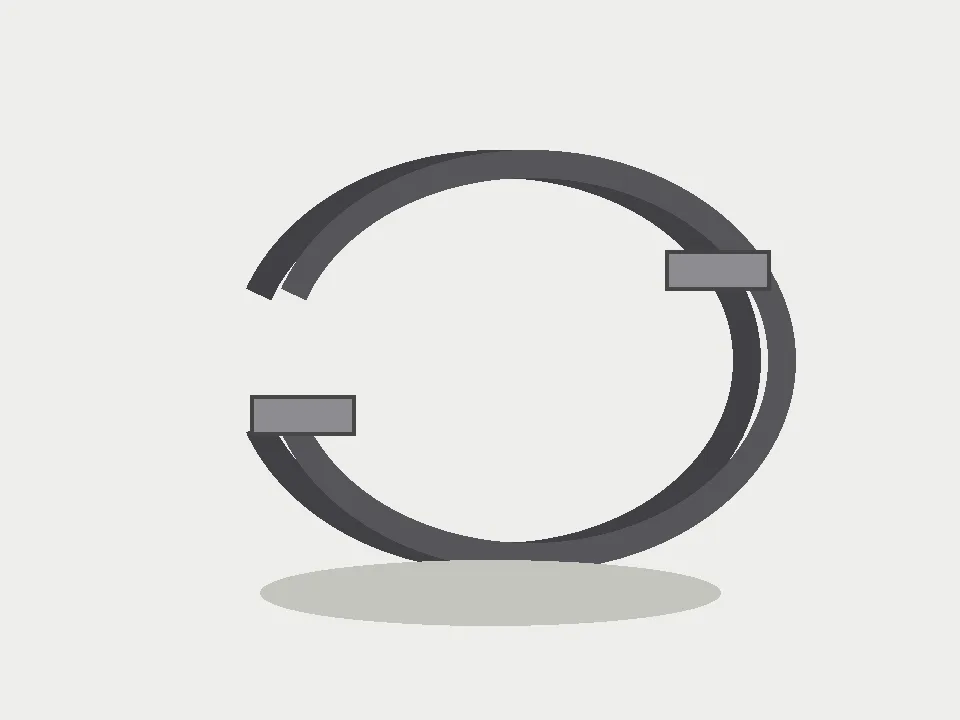
Replacement drain hose
Use it for: Replaces a cracked, kinked, clogged, or loose hose that is causing leaks or poor drainage.
Shop replacement drain hoseTo replace a dehumidifier drain hose, unplug the unit, confirm the hose is cracked, loose, clogged, or not draining properly, then remove the old hose, install the new one securely, route it with a steady downward slope, and test for leaks while the unit runs.
A bad drain hose can make a dehumidifier leak even when the rest of the machine is fine. This job is usually straightforward if you work dry, keep the hose routing simple, and make sure water can flow downhill the whole way.
Before you start: Match the replacement part to your exact dehumidifier before ordering.
Use it for: Replaces a cracked, kinked, clogged, or loose hose that is causing leaks or poor drainage.
Shop replacement drain hose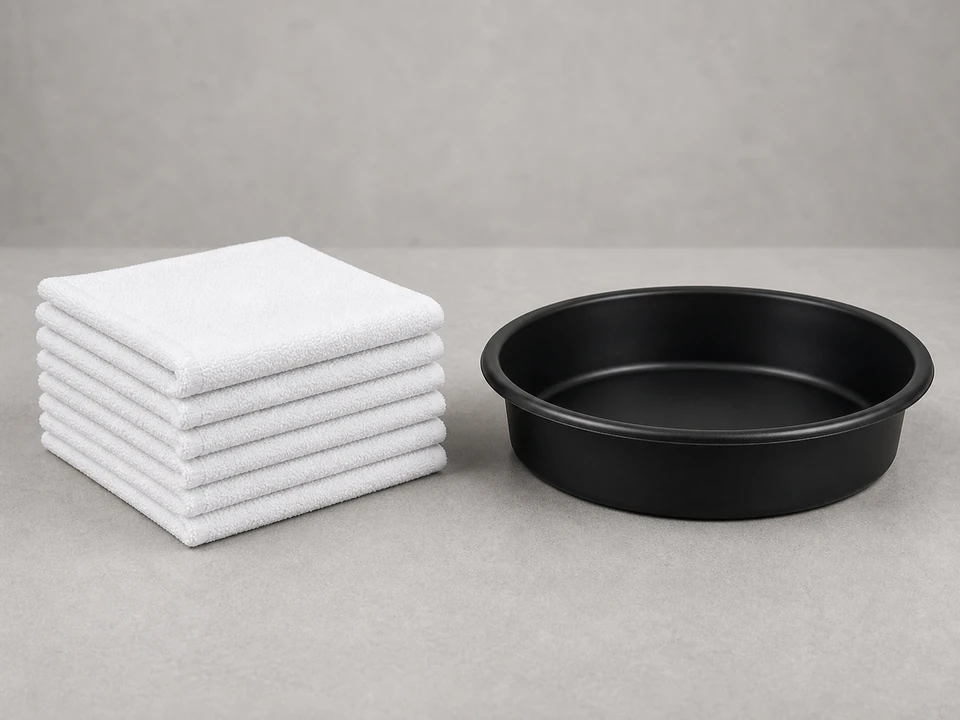
Use it for: Catches leftover water when you disconnect the old hose.
Get a towel or drain pan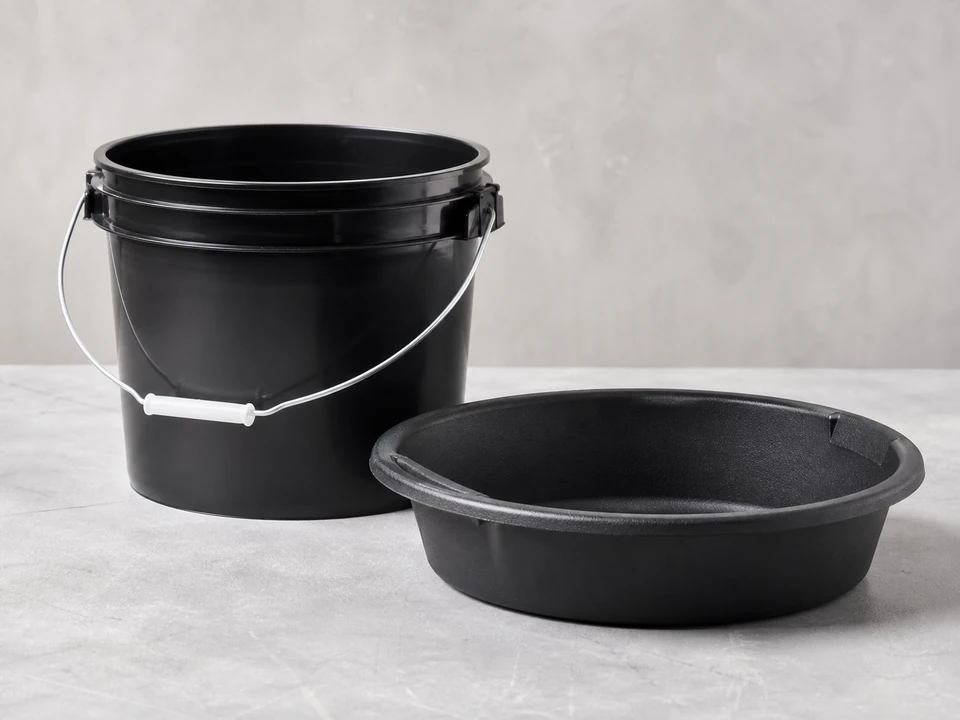
Use it for: Lets you test the new hose flow before routing it to a permanent drain.
Find a utility bucket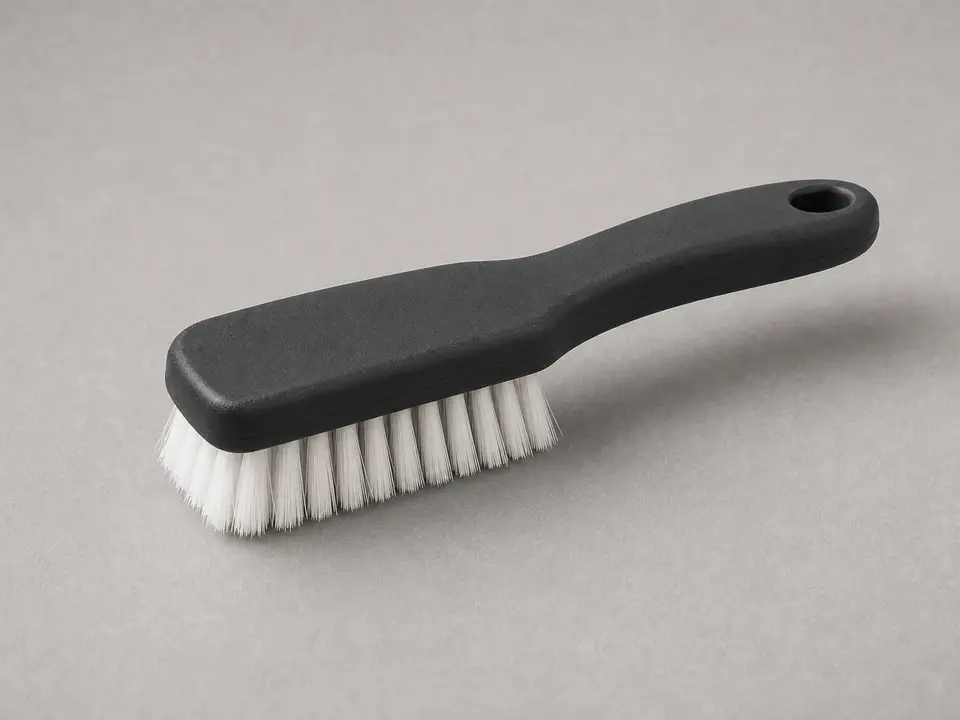
Use it for: Helps clear debris from the drain port before installing the new hose.
Buy a small cleaning brush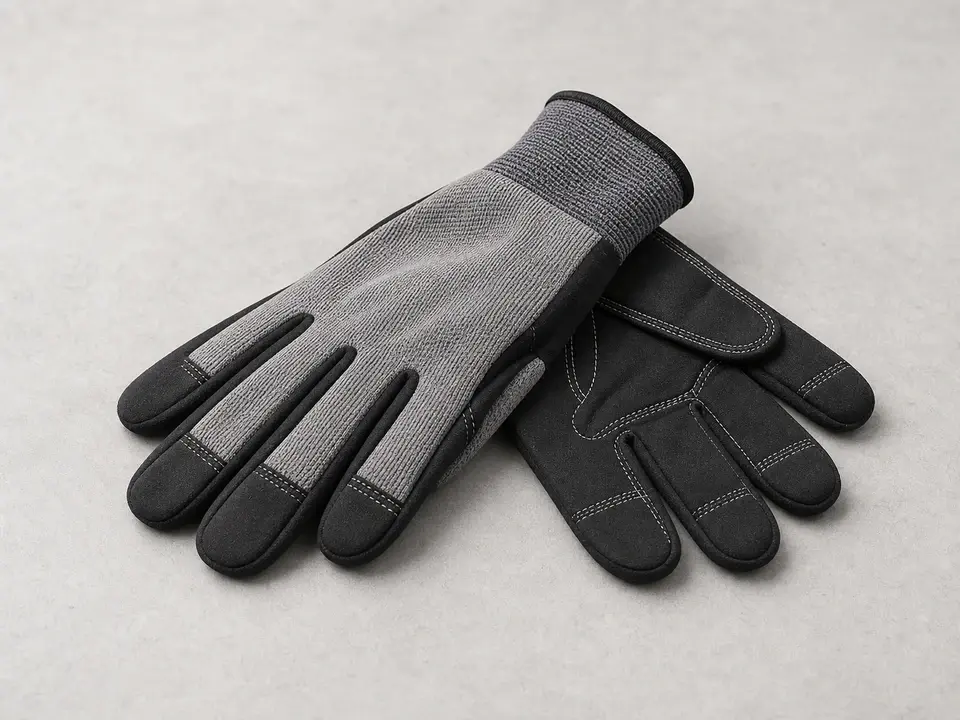
Use it for: Protects your hands while handling wet panels, hose ends, and tight connections.
Get work glovesAs an Amazon Associate I earn from qualifying purchases. Repair Riot may earn a commission at no extra cost to you.
If it works: You have a clear reason to replace the hose, such as visible damage, a poor connection, repeated clogging, or bad routing that the old hose will not hold.
If it doesn’t: If the hose looks sound and the leak seems to come from inside the cabinet, the bucket area, or the coil area, troubleshoot the dehumidifier leak source before replacing parts.
If it works: The old hose is off, the area is dry enough to work, and you have the old hose available as a size reference.
If it doesn’t: If the hose is stuck, twist it gently while pulling. If needed, warm the hose end slightly with room air so it loosens without forcing the drain fitting.
If it works: The drain outlet is clean, open, and ready for the new hose to slide on securely.
If it doesn’t: If debris keeps coming out or the port seems blocked deeper inside, clear the blockage first so the new hose is not installed onto a restricted drain path.
If it works: The new hose is attached firmly and does not wobble or slip off with a light tug.
If it doesn’t: If the hose feels loose, recheck the fit before running the unit. A hose that is slightly oversized can leak even if it seems to stay in place.
If it works: The hose has a clear downhill path and the outlet is stable and ready for a test run.
If it doesn’t: If you cannot create a downhill route, use the bucket temporarily and rethink the drain path before putting the dehumidifier back into regular service.
If it works: The dehumidifier drains through the new hose without leaks, backups, or floor moisture during normal operation.
If it doesn’t: If it still leaks, inspect the bucket seating, internal drain path, and unit level because the hose may not have been the only cause.
Match the replacement part to your exact dehumidifier before ordering.
As an Amazon Associate I earn from qualifying purchases. Repair Riot may earn a commission at no extra cost to you.
Not always. The inside diameter and connection style need to match the drain outlet closely. A hose that is too loose can leak, and one that is too tight can damage the fitting.
The leak may be coming from a misseated bucket, a blocked internal drain path, an unlevel unit, or a crack at the drain outlet rather than the hose itself.
Yes, for gravity draining it should run downhill the whole way. High loops, kinks, or uphill sections can trap water and cause backups or leaks.
There is no fixed schedule. Replace it when it becomes brittle, cracked, clogged, kinked, or no longer fits tightly at the drain connection.
Usually yes, if the hose material allows a clean cut and the shortened end still fits the outlet securely. Keep the route as short and straight as practical.