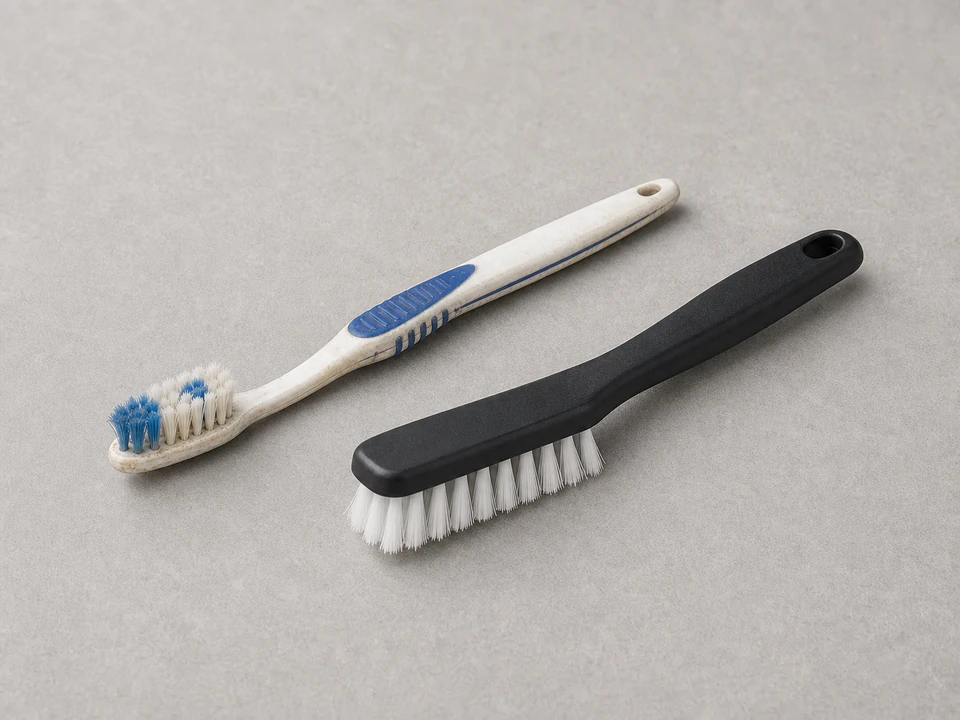
Soft brush or old toothbrush
Use it for: Scrubs off grease, film, and loose debris without damaging the plastic.
Shop soft cleaning brushesTo clean a dishwasher spray arm, pull out the racks as needed, remove the spray arm if your model allows it, clear the spray holes with a small brush or toothpick, rinse out debris, and reinstall it so it spins freely.
A spray arm that is packed with food bits or mineral buildup cannot push water where it needs to go. Cleaning it is usually a straightforward maintenance job and can restore weak washing, missed spots, or uneven spray.
Before you start: Match the cleaning method to your dishwasher's spray arm style. Some arms lift off by hand, while others are held by a cap or clip. Stop if the repair becomes unsafe or unclear.
Use it for: Scrubs off grease, film, and loose debris without damaging the plastic.
Shop soft cleaning brushes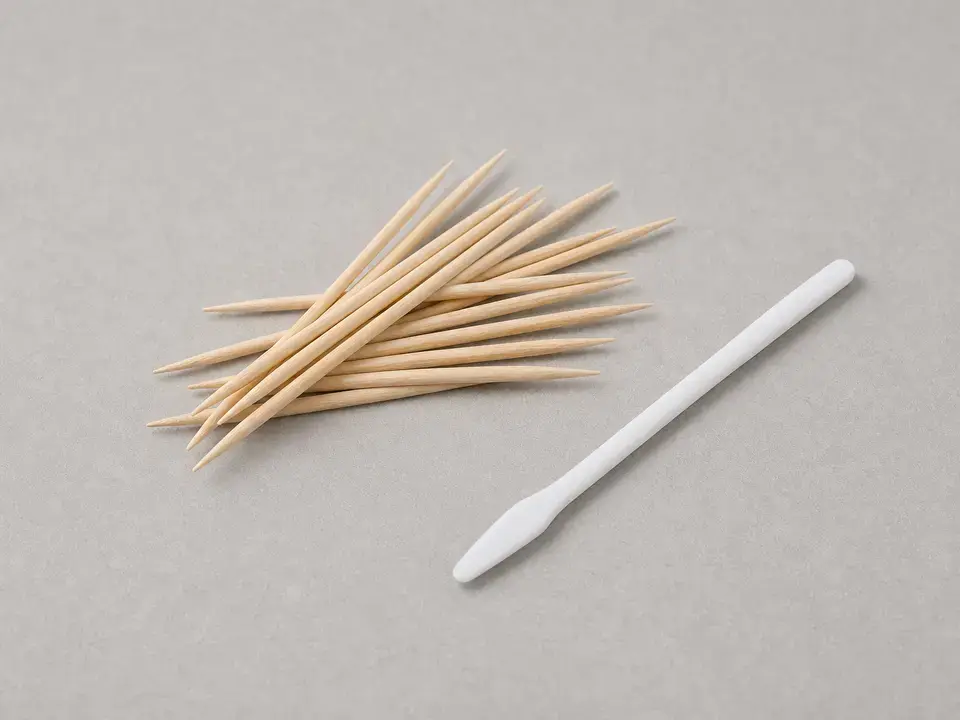
Use it for: Helps clear clogged spray holes without gouging them wider.
Shop wooden toothpicks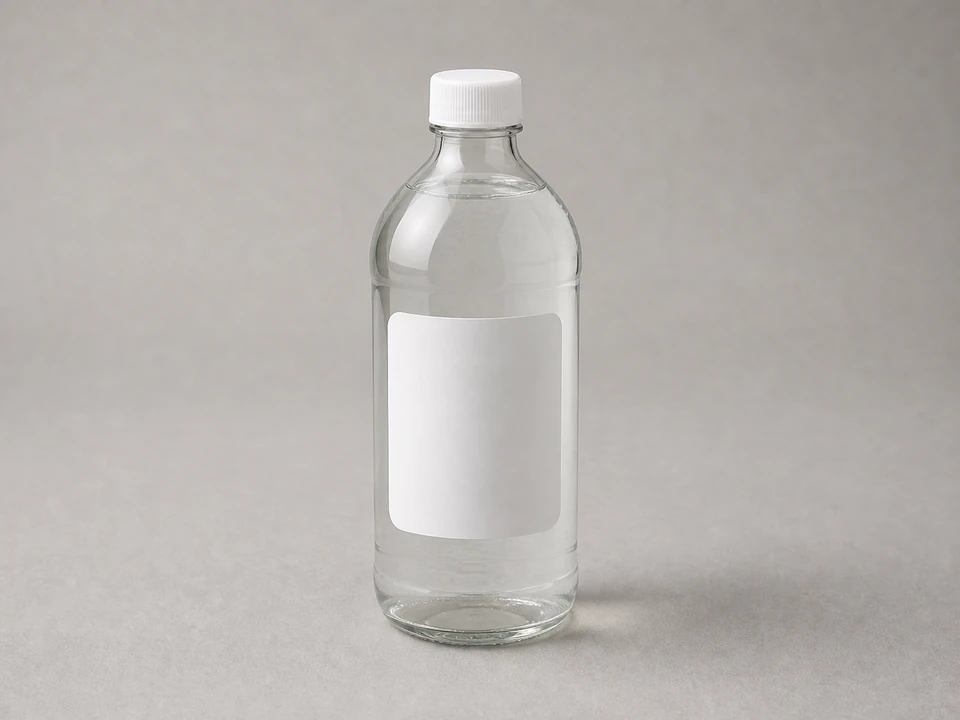
Use it for: Loosens light mineral buildup and soap residue.
Shop white vinegar for cleaning
Use it for: Catches drips and holds small caps or clips so they do not get lost.
Shop small parts bowls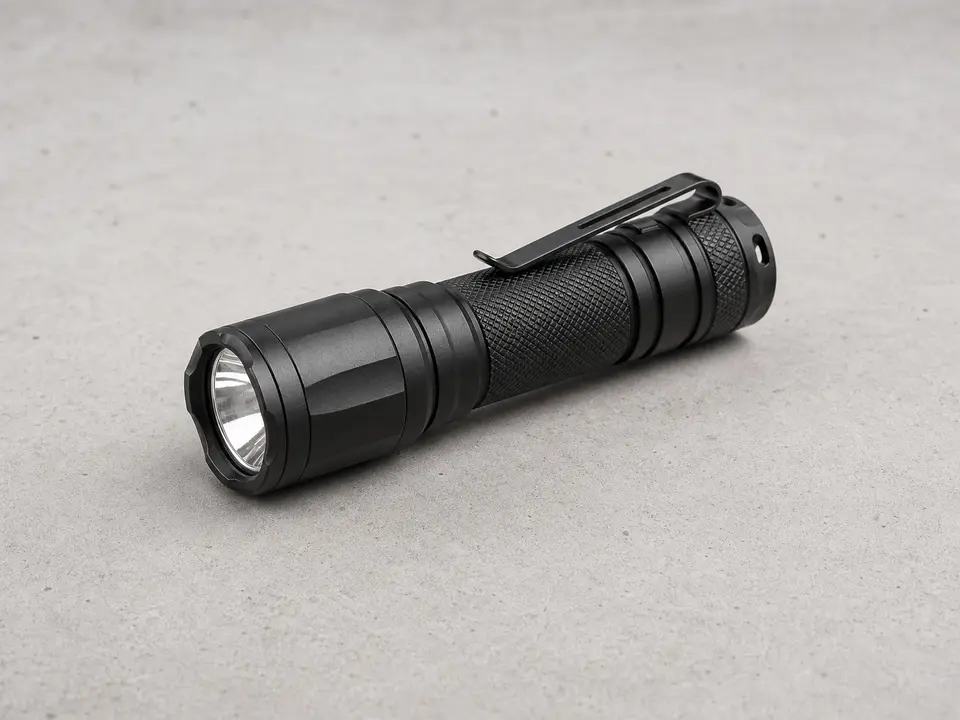
Use it for: Lets you inspect the spray holes and the mounting area clearly.
Shop small flashlightsAs an Amazon Associate I earn from qualifying purchases. Repair Riot may earn a commission at no extra cost to you.
If it works: You found buildup, clogged holes, or restricted movement that points to a dirty spray arm.
If it doesn’t: If the spray arm is already clean and spins freely, the poor wash may be coming from low water fill, a blocked filter, or a circulation problem instead.
If it works: You have clear access to the spray arm and a safe place for small parts.
If it doesn’t: If access is still tight, remove one rack at a time and recheck how the spray arm is attached before forcing anything.
If it works: The spray arm is removed, or you have safely decided to clean it in place without damage.
If it doesn’t: If you cannot tell how it releases, look closely for a locking cap or retaining clip and avoid prying on thin plastic arms.
If it works: The spray holes are open, the arm is rinsed clean, and loose debris is no longer trapped inside.
If it doesn’t: If several holes stay blocked after cleaning, repeat the soak-and-rinse process once more and inspect for hidden debris near the center hub.
If it works: The spray arm is secure, spins freely, and has clear space around it.
If it doesn’t: If it rubs or binds, remove it and reseat it on the mount, then check that the rack and any tall items are not interfering.
If it works: The spray arm is rotating, water coverage looks even, and wash performance improved in real use.
If it doesn’t: If the spray arm still does not move or cleaning did not improve results, clean the dishwasher filter next and consider a water supply or circulation issue.
No. Many spray arms can be cleaned well enough in place if you can reach the holes and wipe off buildup. Remove it only if it is designed to come off easily or if debris is trapped inside.
A wooden toothpick or plastic pick is usually the safest choice. It can loosen debris without scraping the hole larger or damaging the plastic.
Yes, for light mineral buildup. A short soak in white vinegar can help loosen hard water deposits. Rinse it well afterward so loosened debris does not go back into the dishwasher.
If the spray arm is clean but performance is still weak, the problem may be a dirty filter, low water fill, blocked feed tube, or a circulation pump issue rather than the spray arm itself.
Check it whenever wash performance drops or you see food left behind. In homes with heavy use or hard water, a quick inspection every few months is a good habit.