Is it one occasional click with normal temperature?
Monitor it. Controls, relays, and cabinet materials can click during normal cycling.
First locate the click. A rhythmic tick inside suggests a fan grazing frost; click-buzz-click low at the rear suggests a compressor startup problem.
Cooling performance breaks the tie. Normal temperature with an occasional click is different from a warming cabinet with repeated failed starts.
Listen with every cover installed, note the interval, then unplug the freezer before close inspection. One clean observation is worth more than a bag of guess-buy parts.
Don’t start with: Do not chip ice with a knife, open powered covers, or order a relay or fan from the sound alone.
Monitor it. Controls, relays, and cabinet materials can click during normal cycling.
Check for frost at the rear interior vents or a loose bin. Unplug before closer inspection.
That supports an interior fan or airflow-zone source on models whose fan operation changes with the door.
Check wall power, cord condition, compressor heat, and airflow before considering the start relay/overload.
A fit or vibration issue is more likely than an electrical part failure.
Protect the food and stop repeated restart attempts. The freezer needs prompt diagnosis.
Keep covers installed while the freezer is powered. The location and rhythm of the sound decide which power-off check comes next.
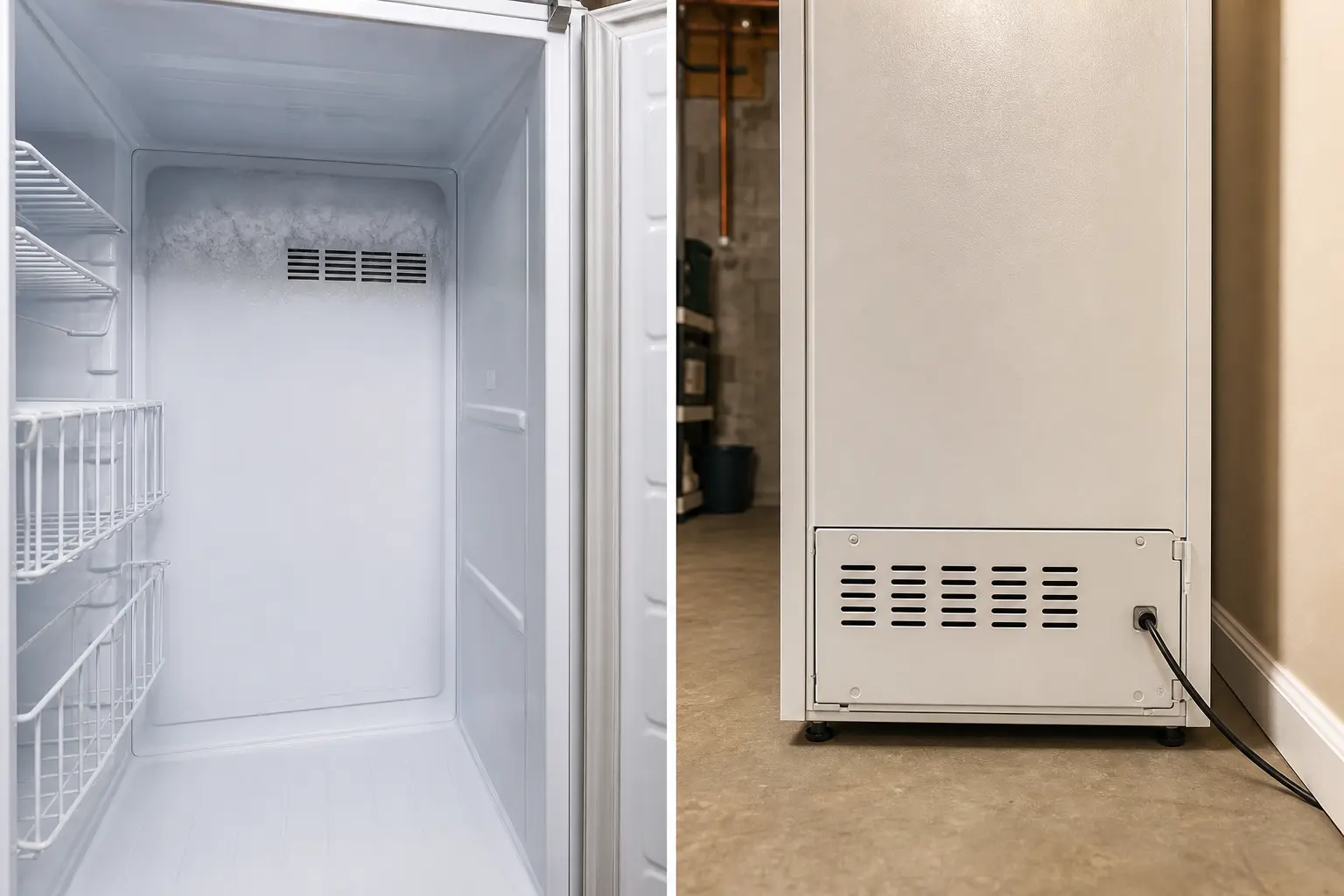
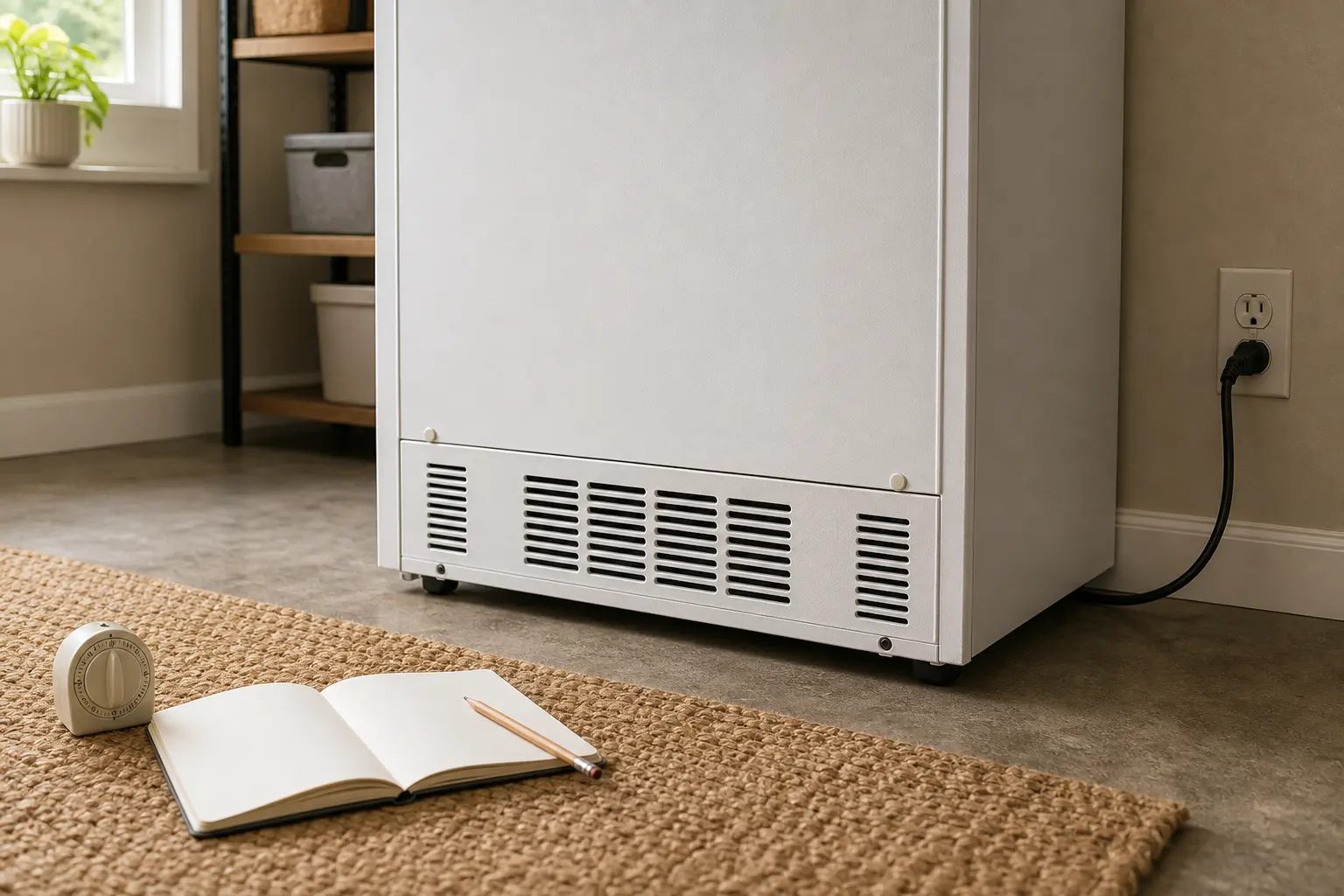
Write down the model number, sound location, interval, temperature trend, and what changes when the door opens. Buy only when those clues isolate a model-specific part.
Stand still for one cycle and compare the inside rear wall, lower rear exterior, door area, and loose storage parts.
Frequency, the sound immediately after the click, and cabinet temperature matter more than volume alone.
Listen first with covers installed. Unplug before clearing frost, moving a panel, or inspecting the compressor area.
Choose the row that best matches both the sound and the cooling result.
| Sound and clue | Likely source | Next move |
|---|---|---|
| Occasional single click; temperature normal | Normal control or compressor cycling | Monitor frequency and temperature. |
| Rhythmic inside tick; frost near rear vents | Fan grazing frost or defrost problem | Unplug and follow the model's defrost guidance. |
| Inside tick remains after frost is fully cleared | Fan blade, motor, mount, or shroud | Inspect the model-specific fan assembly with power off. |
| Click-buzz-click low at rear; cabinet warming | Start relay/overload or compressor | Check power and heat, then inspect the start device unplugged. |
| Click changes when a bin or panel is held | Loose fit or vibration | Reseat or secure the correct non-electrical part. |
| Burnt odor, smoke, hot outlet, or breaker trip | Electrical fault | Unplug and get qualified service. |
Use these for non-invasive listening, temperature tracking, and power-off inspection.
Paid links. As an Amazon Associate I earn from qualifying purchases. Repair Riot may earn a commission at no extra cost to you.
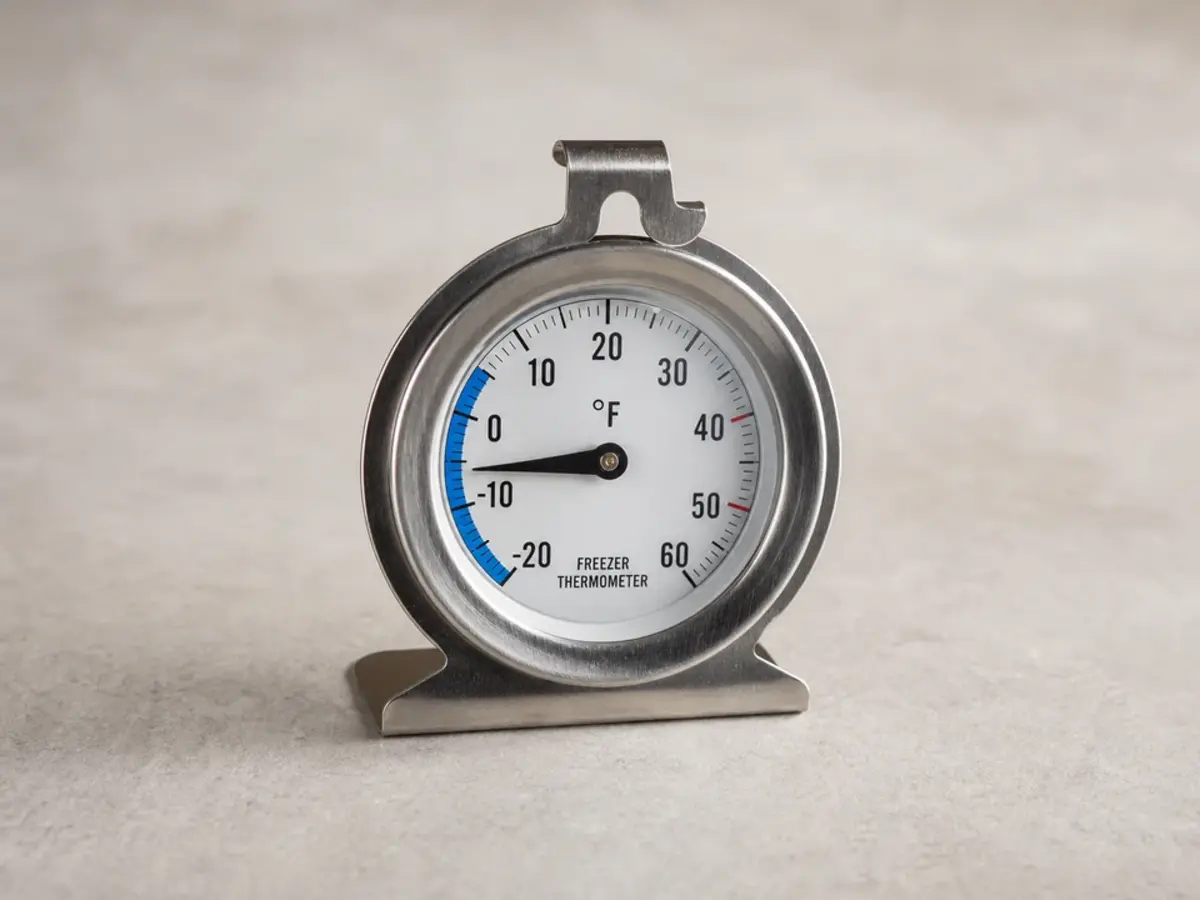
Helps when: You need to know whether the clicking is paired with a real temperature rise.
Skip it when: Food is already thawing; move it first instead of waiting for a longer measurement.
Compare freezer thermometers on Amazon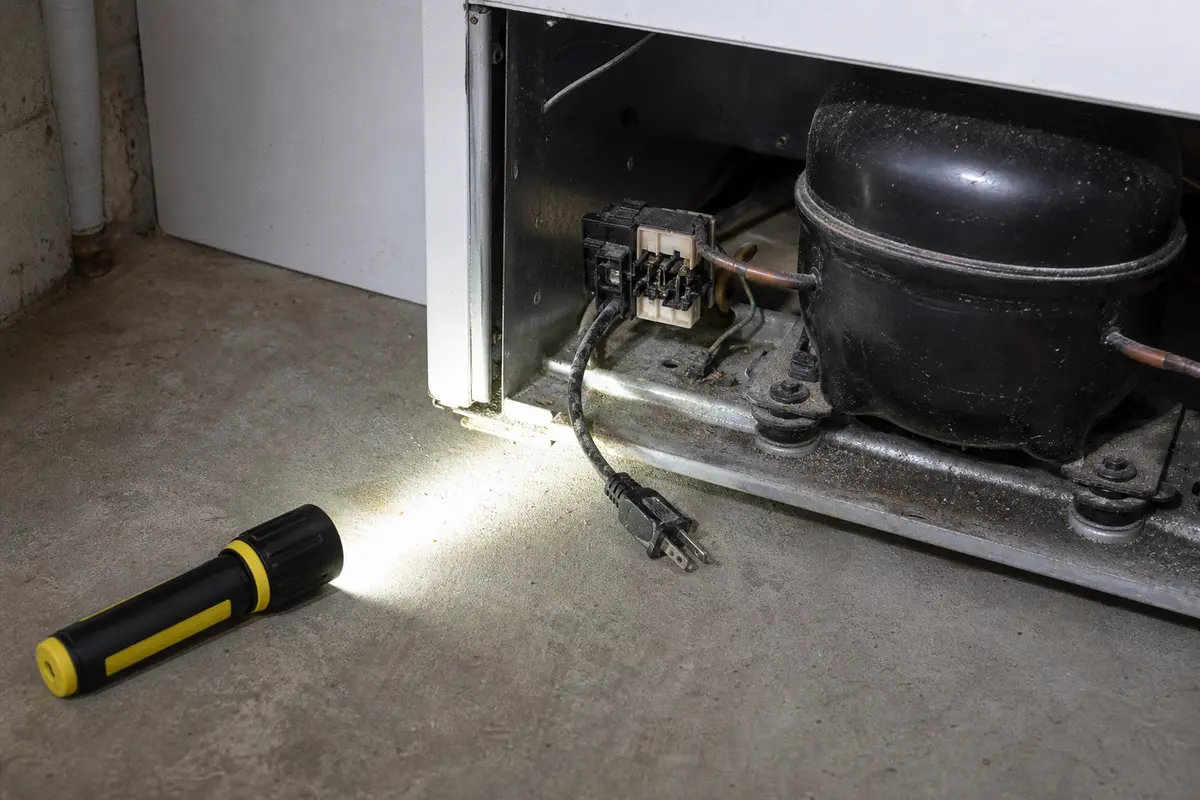
Helps when: You need to inspect vent frost, cord damage, clearance, and accessible covers after unplugging.
Skip it when: The area is wet, burnt, or requires moving refrigerant tubing or powered wiring.
Compare inspection flashlights on Amazon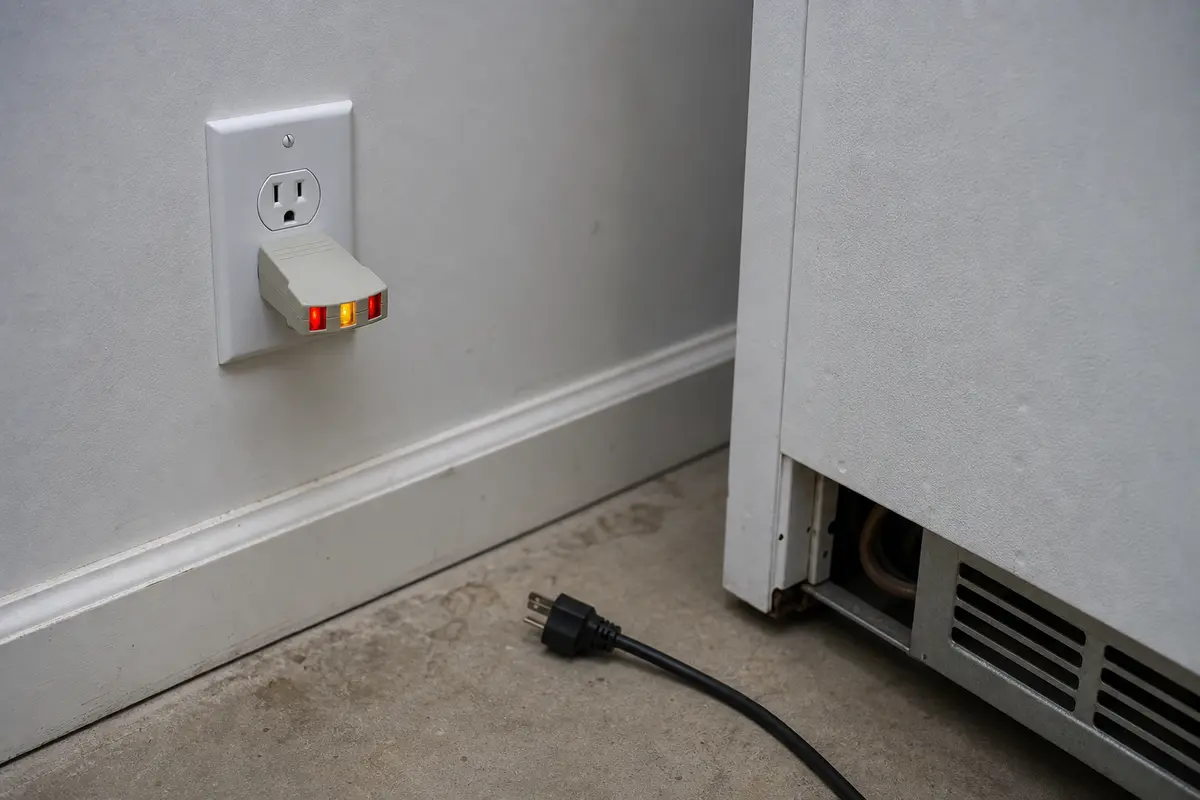
Helps when: Low rear clicking suggests a start problem and the accessible receptacle looks undamaged.
Skip it when: The outlet is loose, hot, scorched, wet, or trips again; leave it unused for an electrician.
Compare outlet testers on AmazonA click does not select a part. Confirm the sound source, then use the full model number and manufacturer parts information.
Paid links. As an Amazon Associate I earn from qualifying purchases. Repair Riot may earn a commission at no extra cost to you.
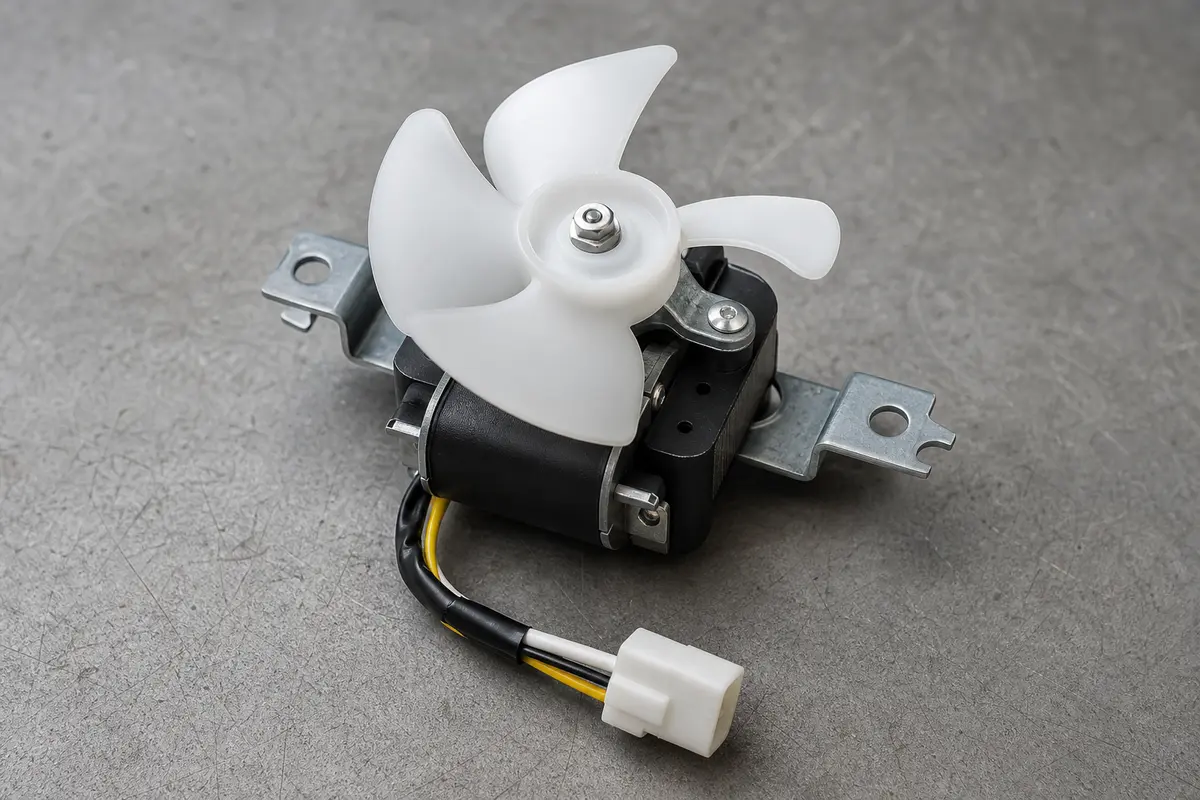
Helps when: The sound is inside, frost has been fully cleared, and the fan still ticks, stalls, wobbles, or has bearing play with power off.
Skip it when: Frost still touches the fan zone, the noise is low at the compressor, or the motor, plug, bracket, and blade are not verified for the model.
Compare evaporator fan motors on Amazon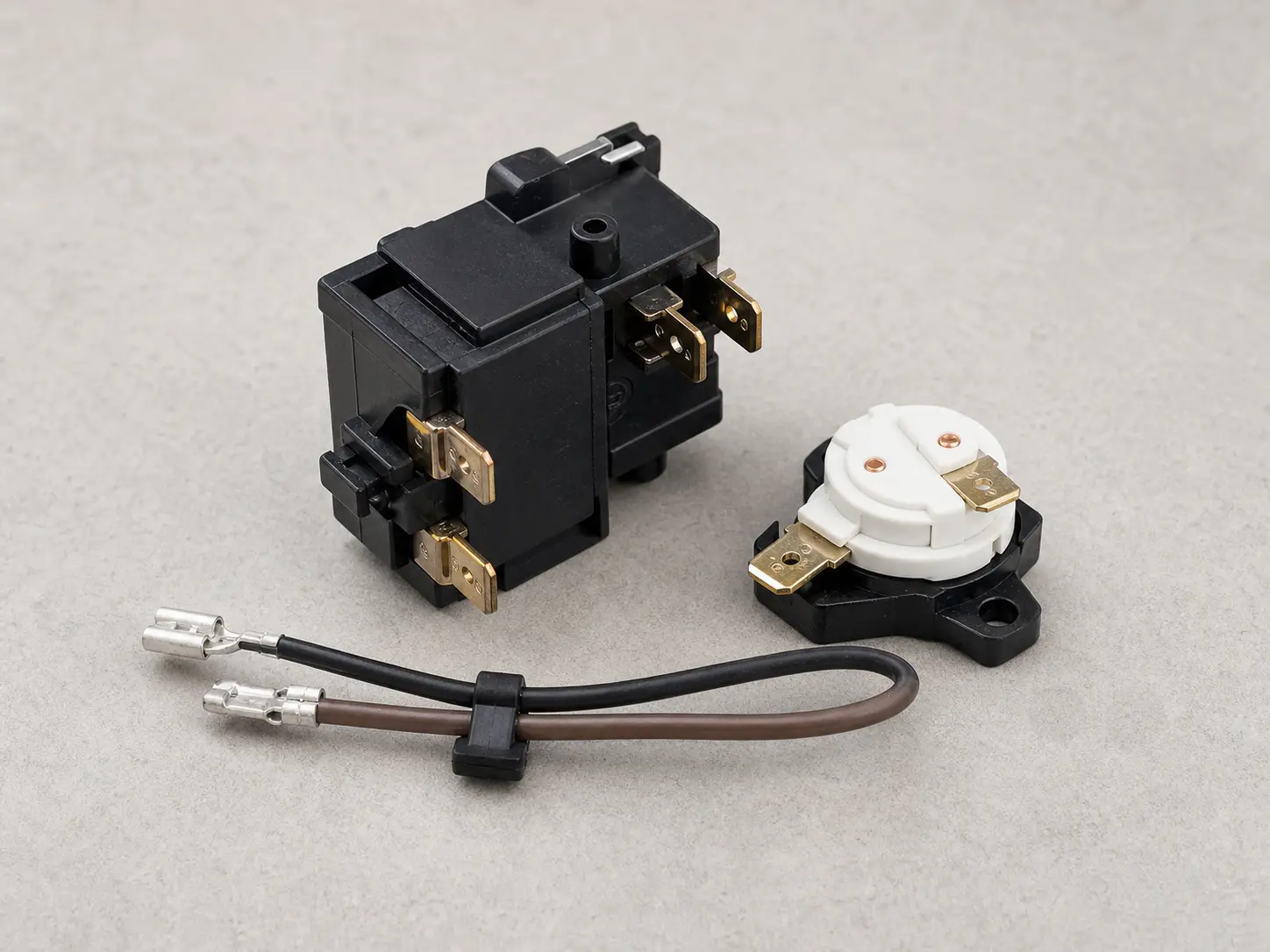
Helps when: Good wall power, a cooled compressor, clean airflow, and a repeating low-rear click-buzz-click support start-device diagnosis.
Skip it when: The sound is inside, the outlet has not been cleared, or the terminal layout and electrical rating are not confirmed for the compressor.
Compare freezer start relays on AmazonThat pattern usually means one of two things: the compressor is trying and failing to start, or the evaporator fan is repeatedly hitting frost. If the click comes from the back and cooling is weak, suspect the start relay first. If it comes from inside behind the rear panel, suspect frost around the fan or a failing freezer evaporator fan motor.
Not always, but it can be. A light occasional tick can be normal expansion noise. Repeated clicking with heat, a burnt smell, poor cooling, or breaker trips is different. In that case, unplug the freezer and stop at diagnosis until the cause is clear.
If it is only an occasional tick and temperatures stay normal, you can usually monitor it. If the clicking is getting more frequent, airflow is weak, or frost is building on the back panel, deal with it soon before it turns into a no-cool problem.
No. A bad freezer start relay can keep an otherwise good compressor from starting. But if a new relay does not change the click-hum-click symptom, the compressor or sealed system may be the real problem, and that is pro territory.
That usually points toward the freezer evaporator fan area. On many freezers, opening the door changes fan operation or at least changes the load and sound path enough to reveal that the noise is inside the cabinet, often from frost contact or a worn fan motor.
Indirectly, yes. A leaking freezer door gasket lets humid air in, which can build frost around the evaporator fan. The fan then starts tapping ice and you hear clicking from inside the freezer.
Yes. A relay, control, or compressor can click as cooling starts or stops. Monitor it when temperature stays normal; investigate when the click repeats, a brief buzz follows, or cooling gets worse.
No. A knife or screwdriver can puncture the liner or hidden evaporator. Unplug the freezer and use the passive defrost method in the model manual, with towels protecting the floor.
Repair Riot separates normal switching sounds from fan/frost contact and failed compressor starts. Exact sounds, component locations, defrost steps, and parts vary by model.