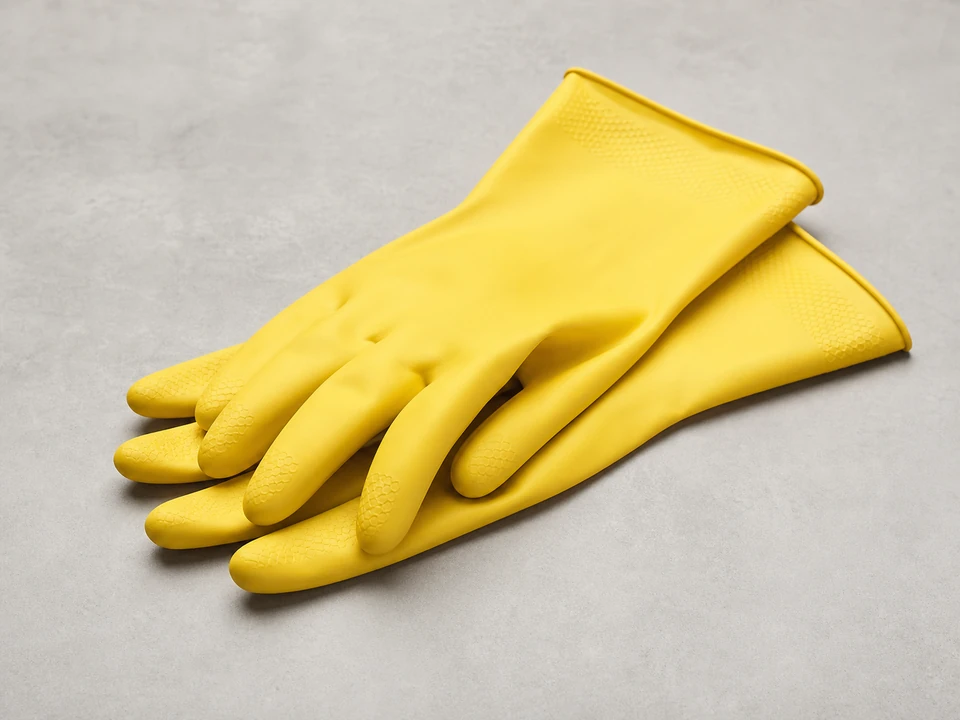
Rubber gloves
Use it for: Keeps the job cleaner when pulling hair and sludge from the drain.
Get rubber cleaning glovesTo clear a bathtub drain clog, remove standing water, pull out hair and soap buildup from the drain opening, then run a small hand snake through the drain until water flows freely again.
Most bathtub clogs are caused by hair and soap scum collecting just below the drain or near the stopper. Start with the simple cleanup you can reach by hand, then move to a small drain snake if the clog is deeper.
Before you start: Choose a small hand drain snake or hair removal tool made for tub and shower drains, not a large toilet auger. Stop if the repair becomes unsafe or unclear.
Use it for: Keeps the job cleaner when pulling hair and sludge from the drain.
Get rubber cleaning gloves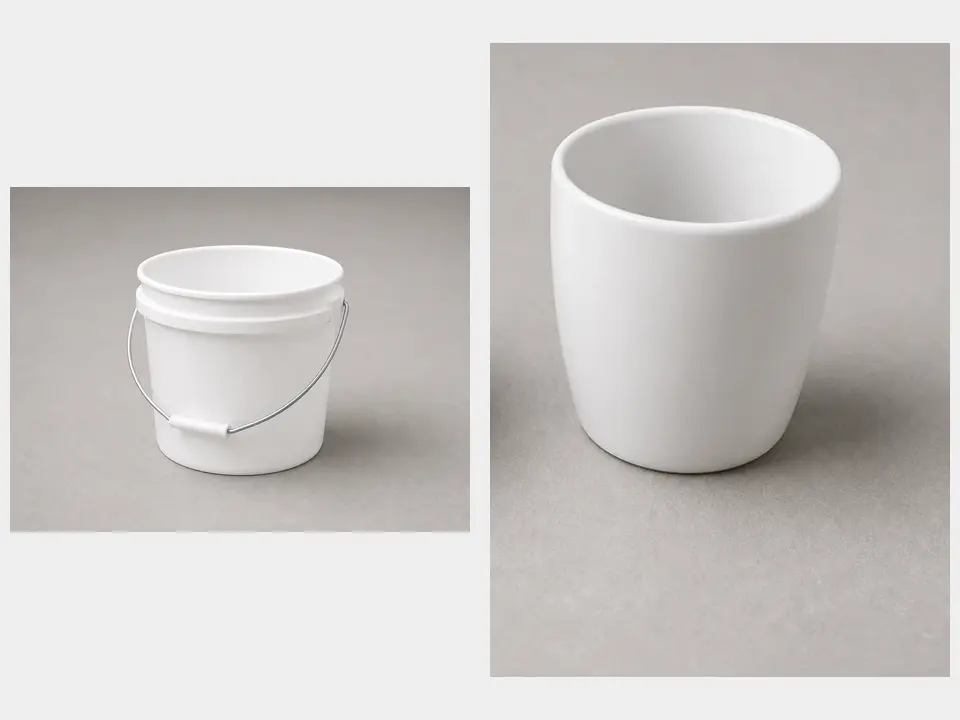
Use it for: Helps remove standing water from the tub so you can reach the drain.
Get a small utility bucket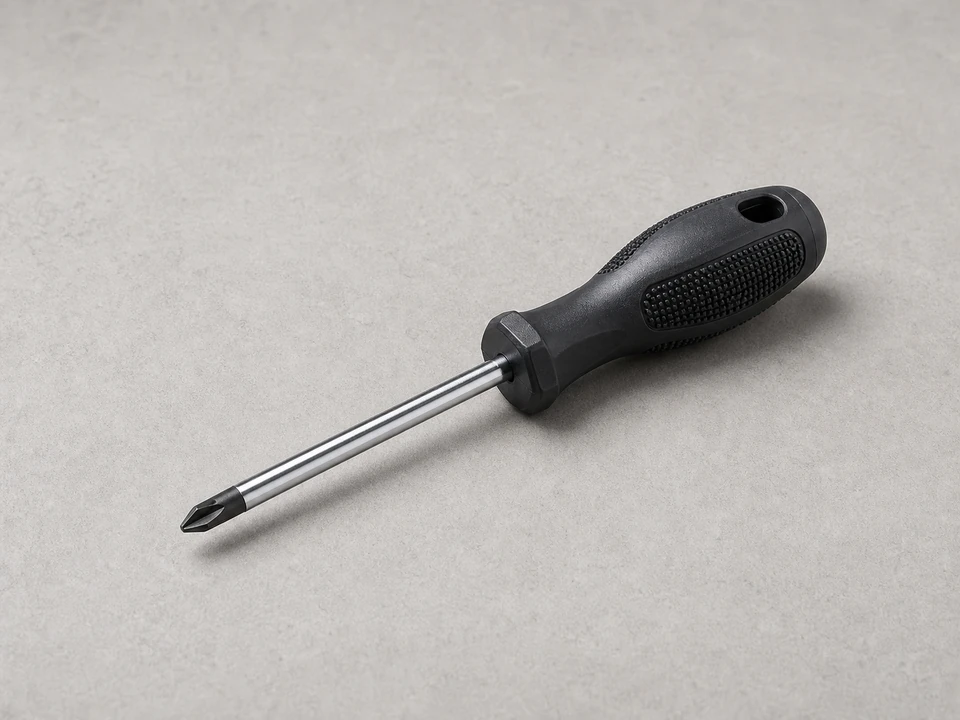
Use it for: Removes the drain cover or overflow plate if needed for access.
Get a basic screwdriver set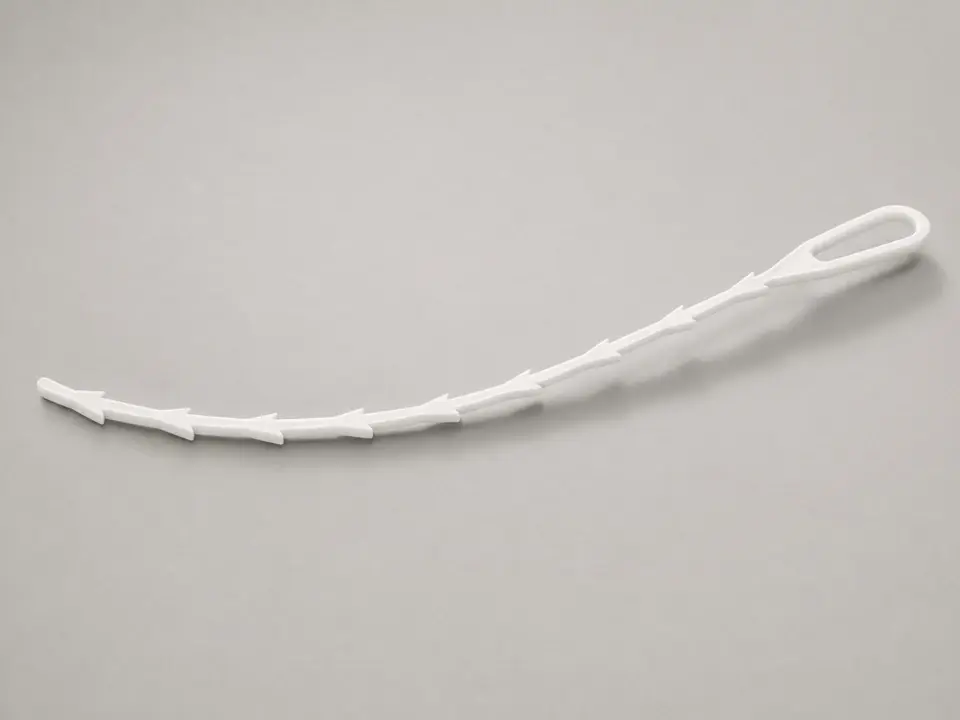
Use it for: Pulls out hair clogs sitting close to the drain opening.
Get a bathtub drain hair remover tool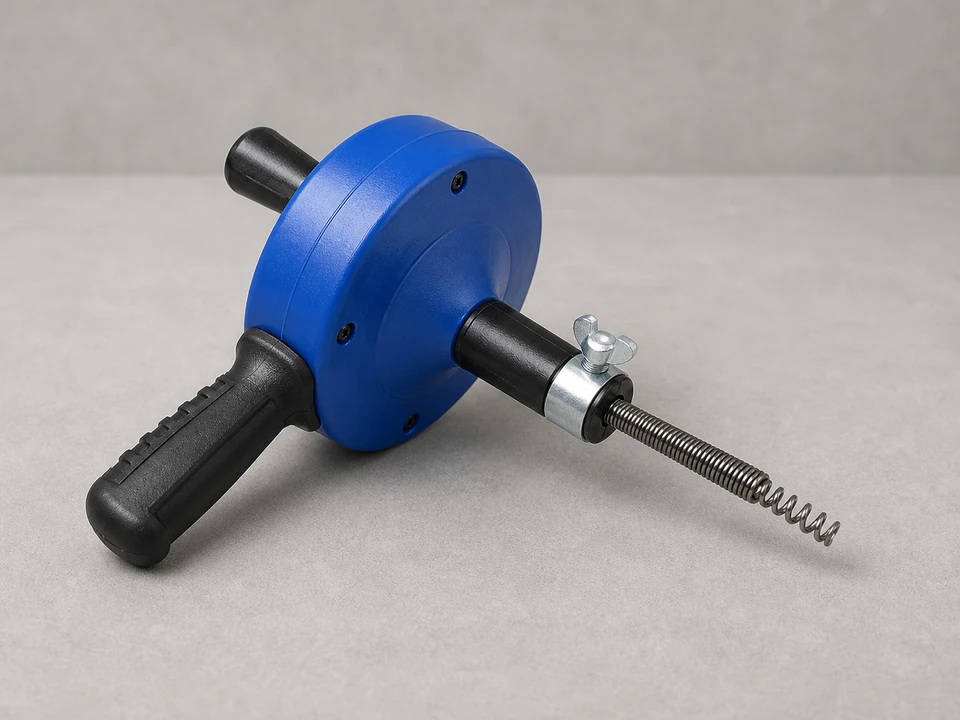
Use it for: Breaks up or pulls out a clog that is deeper in the tub drain line.
Get a small hand drain snake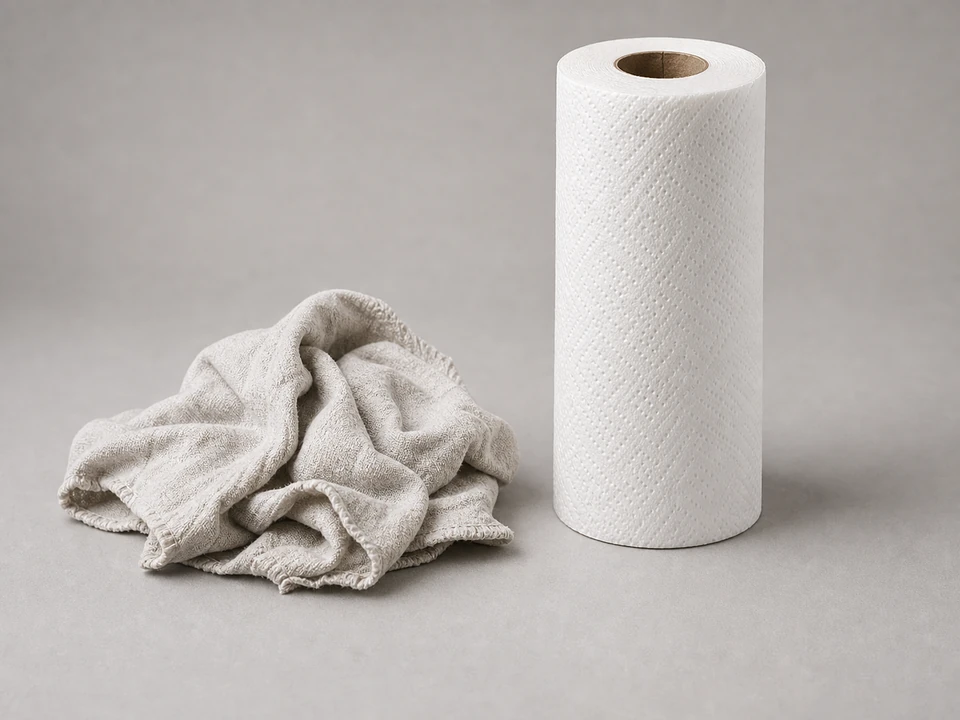
Use it for: Wipes up sludge and protects the tub surface while you work.
Shop shop towelsAs an Amazon Associate I earn from qualifying purchases. Repair Riot may earn a commission at no extra cost to you.
If it works: You have confirmed the problem is a clogged bathtub drain, not a water supply issue.
If it doesn’t: If the tub drains normally and the problem is overflow, leaking, or a faucet issue, use a different repair path.
If it works: The drain opening is exposed and easy to reach.
If it doesn’t: If you cannot remove the stopper without forcing it, leave it in place and use the hair removal tool through the available opening.
If it works: You removed visible hair and sludge from the top section of the drain.
If it doesn’t: If the tool will not go in far or comes back clean while the tub still drains slowly, move on to snaking the drain.
If it works: The snake passes through the clog area and brings back debris or opens the line.
If it doesn’t: If the snake will not get past the trap or the drain is still blocked, the clog may be farther down the line and may need a longer cable or a plumber.
If it works: The tub drains faster and the drain parts are back in place.
If it doesn’t: If the tub still drains slowly, repeat the snaking step once more before deciding the clog is deeper in the branch line.
If it works: The tub drains normally in real use and the clog is cleared.
If it doesn’t: If the tub backs up again soon, the blockage is likely deeper in the drain line and professional drain cleaning is the next step.
Hair is the main cause, and soap scum helps it stick together into a mat just below the drain or near the stopper.
Manual removal is usually the better first step for a tub clog. It is safer for you, easier on drain parts, and often works better on hair clogs.
That usually means part of the clog is still deeper in the line, or the stopper keeps catching hair and rebuilding the blockage.
No. A toilet auger is shaped for toilets and can damage or scratch tub drain parts. Use a small hand snake or a plastic hair removal tool instead.
Call if the clog keeps returning, the snake cannot reach it, water backs up in other fixtures, or you notice leaks or signs of a larger sewer problem.