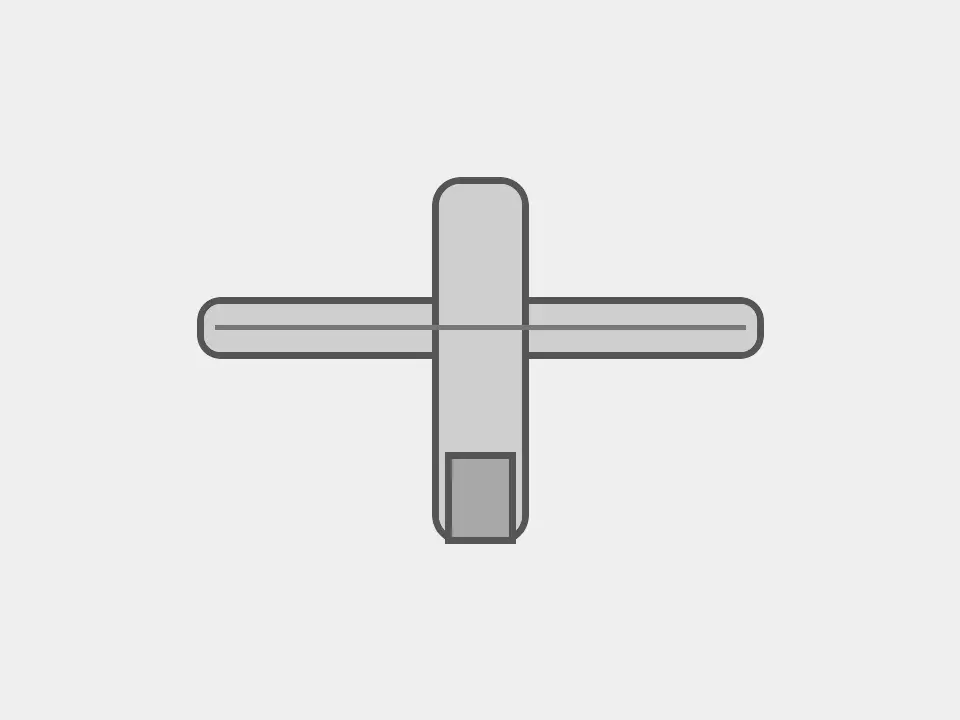
Tub drain wrench
Use it for: Grips the inside of the old flange so you can unscrew it without damaging the tub finish.
Shop tub drain wrenchesTo replace a bathtub drain flange, remove the old flange with a drain wrench, clean the drain shoe threads and sealing surface, apply fresh plumber's putty or the seal recommended for the new flange, thread in the replacement, and test for leaks.
This is a good repair when the flange is rusted, cracked, badly pitted, cross-threaded, or no longer seals well at the tub surface. The job is usually straightforward if the drain shoe below the tub is still solid and the old flange will come out cleanly.
Before you start: Match the opening size, thread pattern, and fixture compatibility before ordering.
Use it for: Grips the inside of the old flange so you can unscrew it without damaging the tub finish.
Shop tub drain wrenches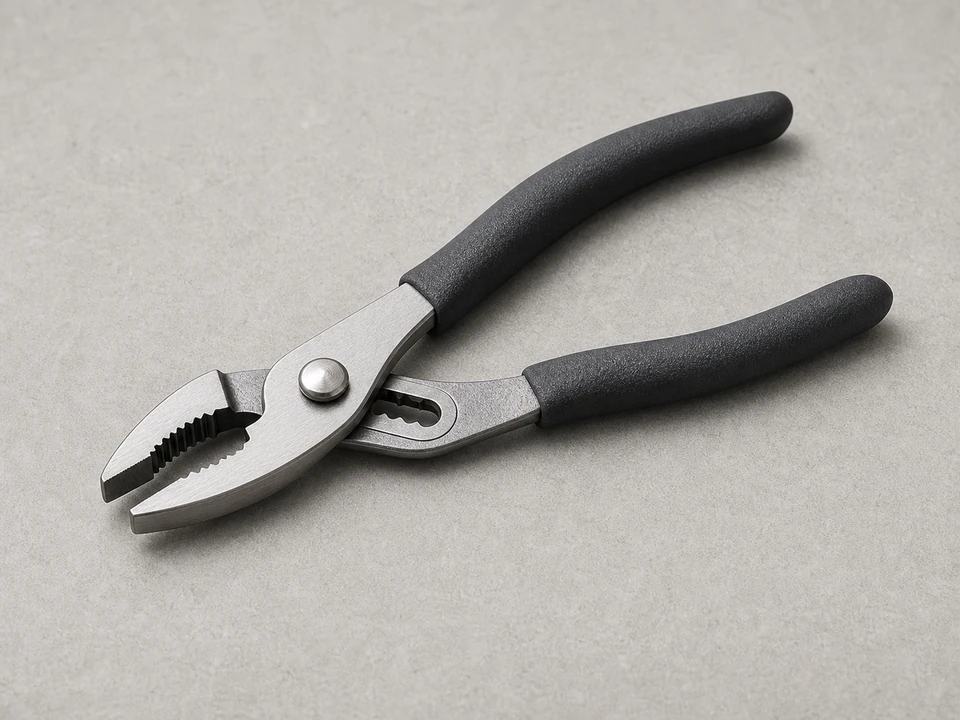
Use it for: Helps turn the drain wrench and snug the new flange if needed.
Shop slip-joint pliers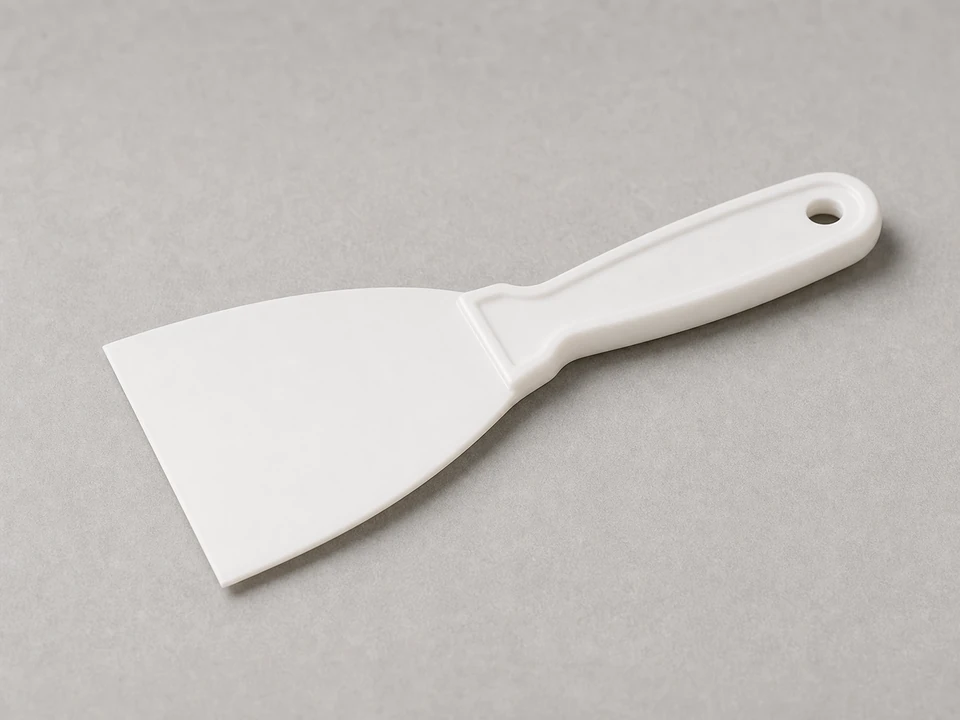
Use it for: Scrapes away old putty and grime without scratching the tub surface.
Shop plastic putty knives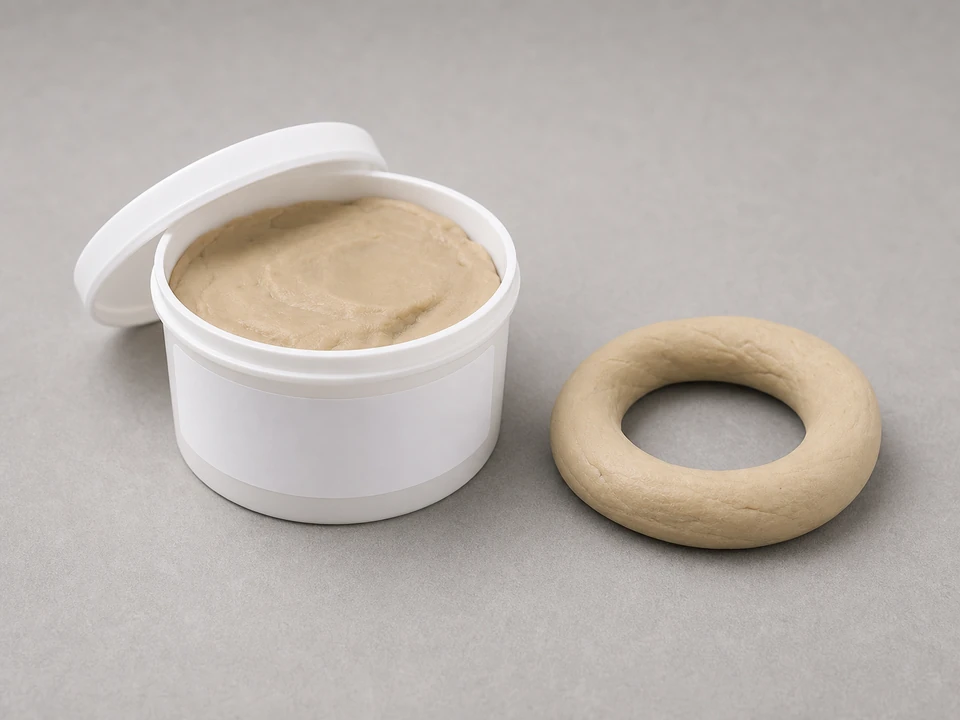
Use it for: Creates the seal under many drain flanges at the tub surface.
Shop plumber's putty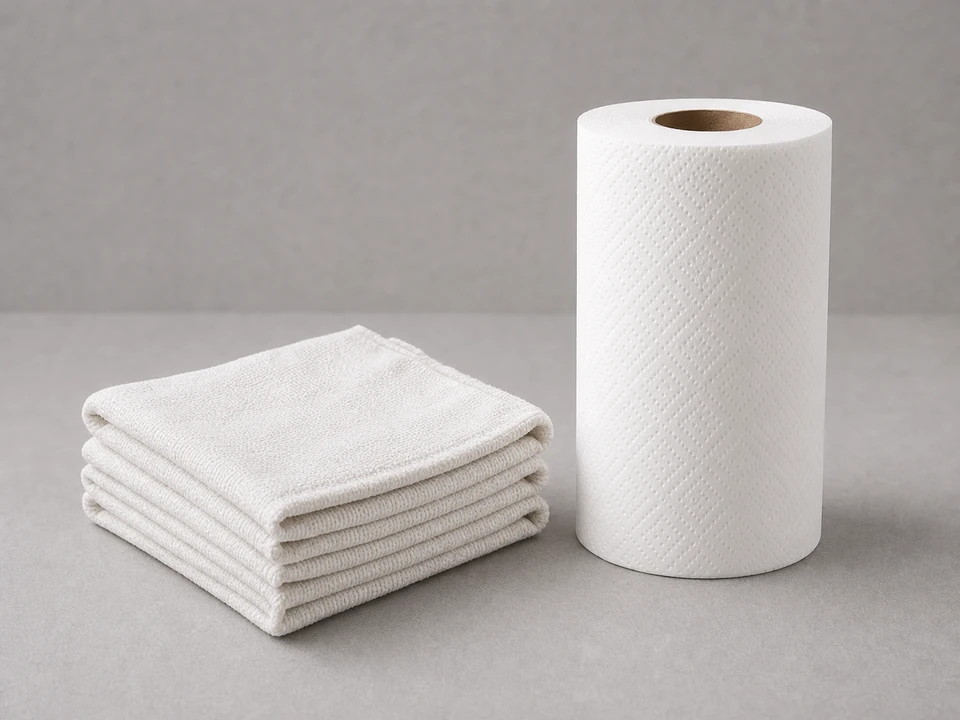
Use it for: Wipes the drain opening clean before installing the new flange.
Shop cleaning rags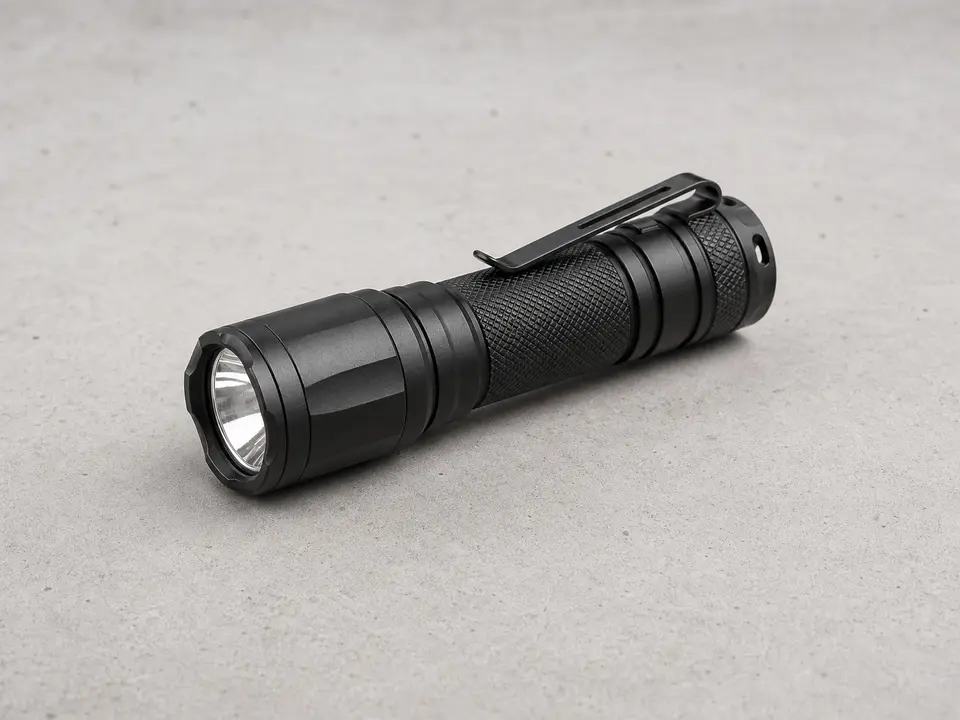
Use it for: Lets you inspect the drain opening and visible parts of the drain shoe for damage.
Shop flashlightsAs an Amazon Associate I earn from qualifying purchases. Repair Riot may earn a commission at no extra cost to you.
If it works: You have a clear reason to replace the bathtub drain flange and the visible drain body appears intact enough for a flange swap.
If it doesn’t: If the flange looks fine and the problem is a slow drain, try cleaning hair and debris from the drain first instead of replacing the flange.
If it doesn’t: If the stopper no longer fits or moves correctly, check that the replacement flange is the right style for your drain setup.
If it works: The flange stays dry at the tub surface, no water appears below the tub, and the drain works normally.
If it doesn’t: If you see seepage at the tub surface, remove the flange, clean everything again, and reseal it with fresh putty before retesting.
Match the opening size, thread pattern, and fixture compatibility before ordering.
As an Amazon Associate I earn from qualifying purchases. Repair Riot may earn a commission at no extra cost to you.
Many bathtub drain flanges seal with plumber's putty under the lip, but some replacements use a different seal method. Follow the sealing instructions that come with the new flange if they differ.
Try a proper tub drain wrench and steady pressure first. If the drain shoe below starts turning, the crossbars break, or the flange is seized in place, stop before you damage hidden plumbing.
Yes, if the leak is at the tub surface where the flange seals. If water is leaking from below the tub at the drain shoe or pipe joints, the problem is deeper than the flange alone.
Snug and evenly seated is enough. Overtightening can damage threads, distort the seal, or stress the tub surface.
Match the opening size, thread pattern, and overall compatibility with your tub drain setup. A quick hand test without sealant should let the new flange start smoothly in the drain shoe threads.