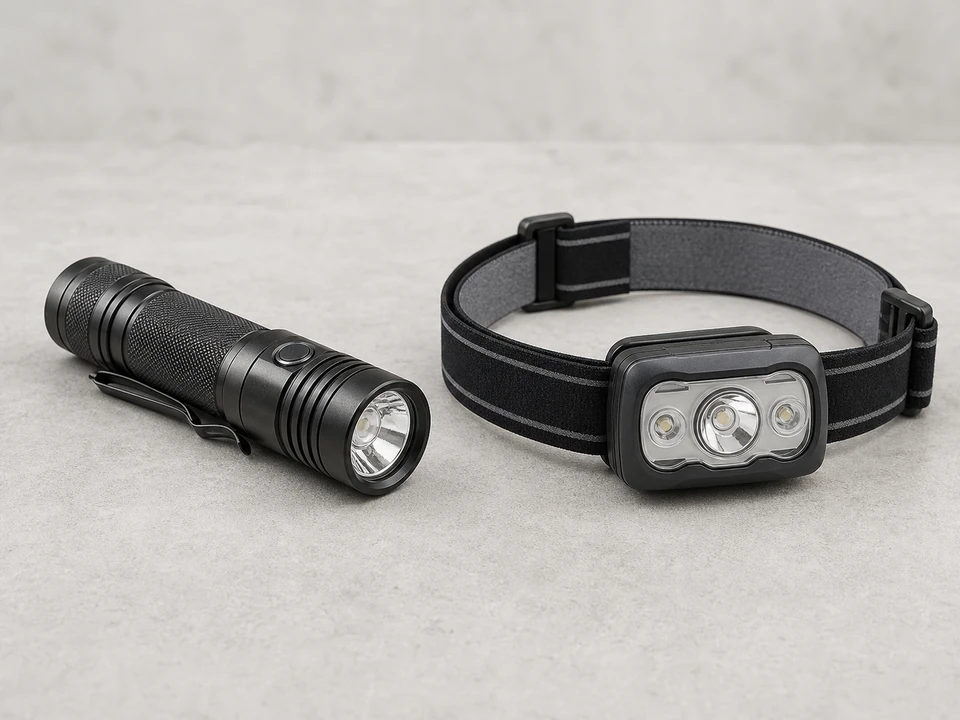
Flashlight or headlamp
Use it for: Helps you read breaker numbers and room labels, especially in dim utility spaces.
Find a work flashlightTo label electrical panel circuits, turn on lights or plug in a lamp, switch one breaker off at a time, note exactly what loses power, then write clear room-by-room descriptions on the panel directory.
This job is mostly about patience and good notes. You are not rewiring anything, but you are working around an energized panel, so keep your hands away from exposed parts and only touch the breaker handles and the panel directory area.
Before you start: Choose labels that fit inside or beside your panel door and leave enough room to write clear circuit descriptions. Stop if the repair becomes unsafe or unclear.
Use it for: Helps you read breaker numbers and room labels, especially in dim utility spaces.
Find a work flashlight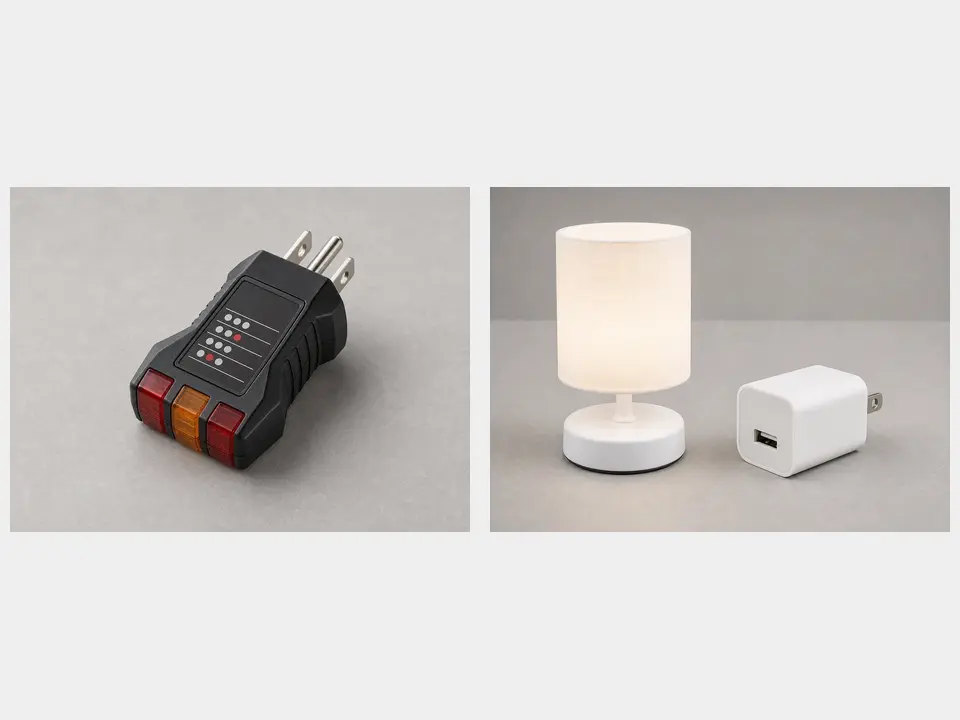
Use it for: Makes it easy to see when a receptacle loses power as you switch breakers.
Find an outlet tester or test lamp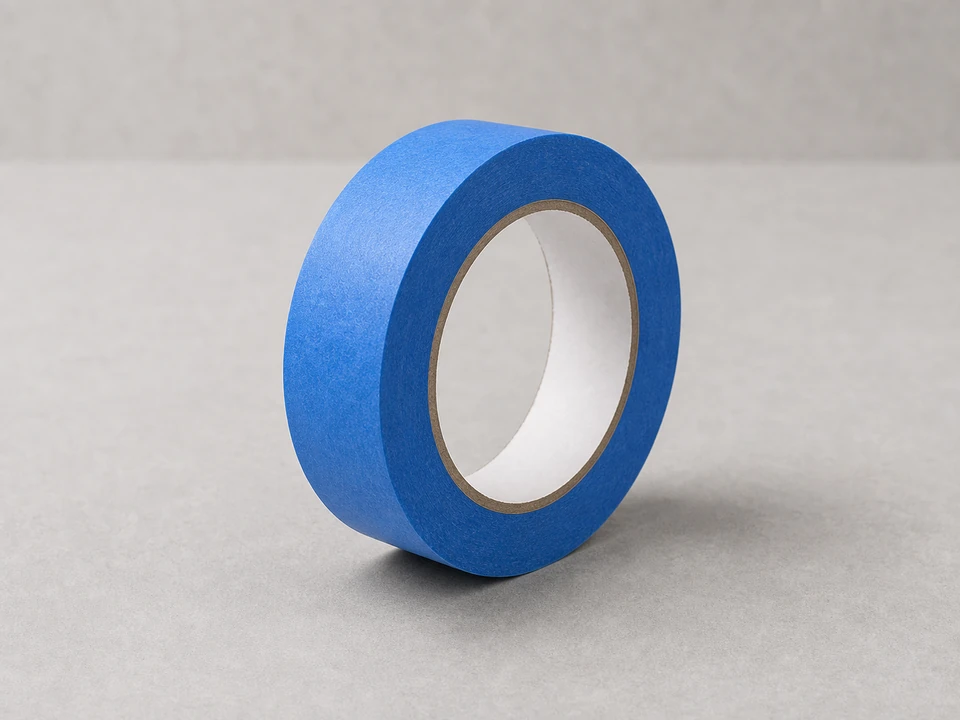
Use it for: Lets you mark rooms, outlets, or temporary breaker notes without making a mess.
Find painter's tape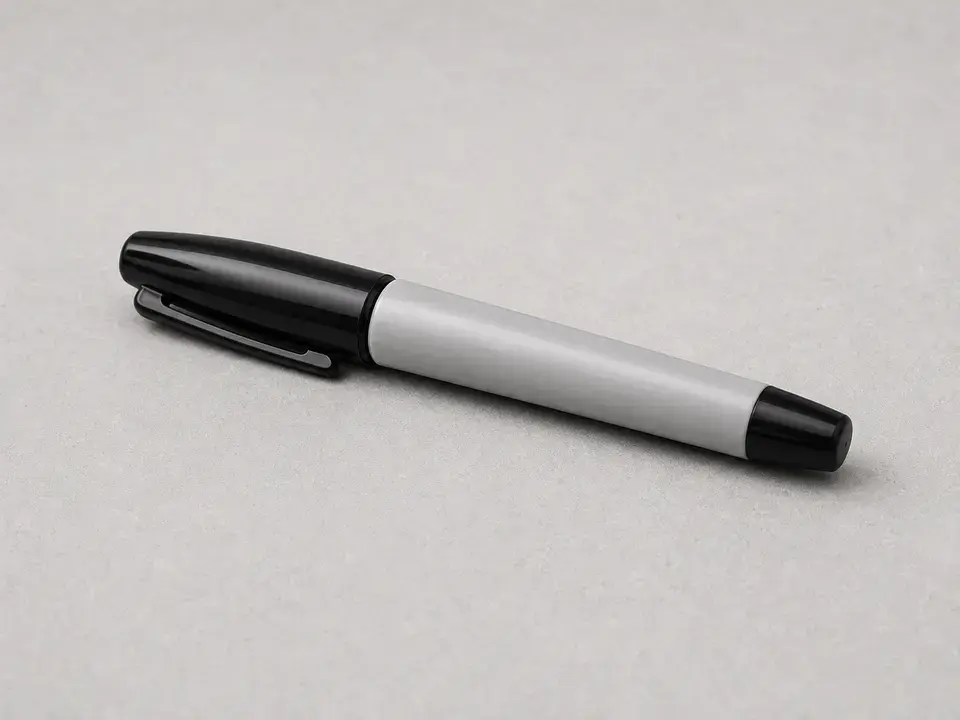
Use it for: Gives you readable labels that do not smear easily.
Find a fine-tip marker
Use it for: Gives you a clean final place to write each breaker description.
Find panel directory labelsAs an Amazon Associate I earn from qualifying purchases. Repair Riot may earn a commission at no extra cost to you.
If it works: You have safe access to the breaker handles and directory, and the job is clearly a circuit-mapping and labeling task.
If it doesn’t: If you cannot tell which breakers are safe to test because the panel is damaged or crowded, pause and get an electrician to inspect it first.
If it works: The home is set up so a breaker test will show clear, visible results.
If it doesn’t: If too many things are off or unplugged to tell what changed, turn on a few more lights and use a lamp or tester in more rooms before you continue.
If it works: You have a rough map showing what each breaker actually controls.
If it doesn’t: If a breaker seems to control nothing, test less obvious loads like garage outlets, exterior receptacles, basement lights, bathroom receptacles, disposal, dishwasher, furnace service switch, or smoke alarms.
If it works: Each breaker has a plain-language description that is specific enough to use later.
If it doesn’t: If several breakers still seem confusing, retest only those circuits with more lights on and more plug-in indicators so you can narrow them down.
If it works: The panel now has a readable, organized circuit list tied to the actual breaker positions.
If it doesn’t: If the panel directory is too small or damaged to read clearly, add a clean replacement label sheet and rewrite the list before you call the job done.
If it works: The labels match real-world use, and the panel directory is clear enough to trust during future repairs or emergencies.
If it doesn’t: If a label does not match what actually turns off, correct that breaker entry now and retest until the description is accurate.
No. For basic labeling, you usually leave the panel energized and only switch individual breakers on and off so you can see what they control. Do not remove the panel cover or touch anything inside the panel.
Use plain locations and loads, like 'Master bedroom lights and hall smoke alarms' or 'Left kitchen counter outlets.' Specific descriptions are more useful than broad labels like 'upstairs' or 'general lights.'
That can happen, especially in older homes or after remodels. List the main areas it feeds in the clearest order you can, and retest if the pattern does not make sense.
Label it as unknown and come back to it. Use more lights, a plug-in lamp, or an outlet tester in less obvious areas like garages, exterior outlets, bathrooms, basements, and utility spaces.
Yes, as long as the labels fit cleanly and stay readable inside the panel door. The important part is that the wording is accurate and easy to understand.