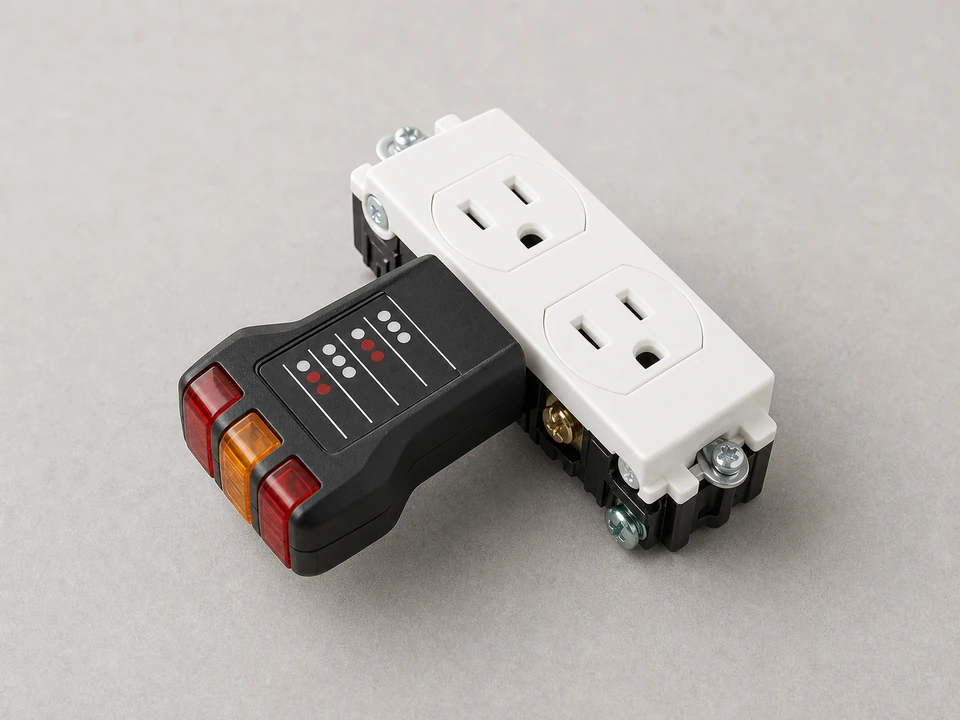
Plug in outlet tester
Use it for: Shows quickly whether a receptacle still has power.
Shop plug-in outlet testersTo find which outlets are on one breaker, turn on lights or plug a tester into outlets you want to check, switch the suspected breaker off, then walk the area and note every outlet that lost power.
This is a straightforward way to map one circuit without opening walls or removing devices. The goal is to confirm exactly what that breaker controls, then label it so the next repair or reset is easier and safer.
Before you start: Choose a tester that matches standard household receptacles and, if needed, includes both a plug-in transmitter and breaker finder receiver. Stop if the repair becomes unsafe or unclear.
Use it for: Shows quickly whether a receptacle still has power.
Shop plug-in outlet testers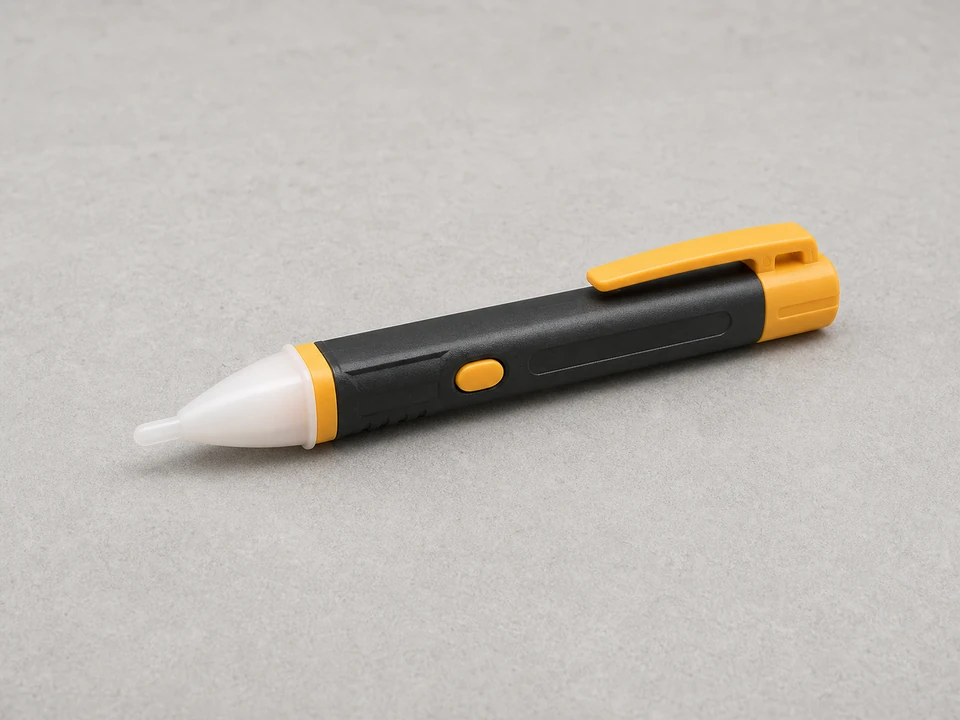
Use it for: Adds a quick safety check before touching outlets or cords.
Shop non-contact voltage testers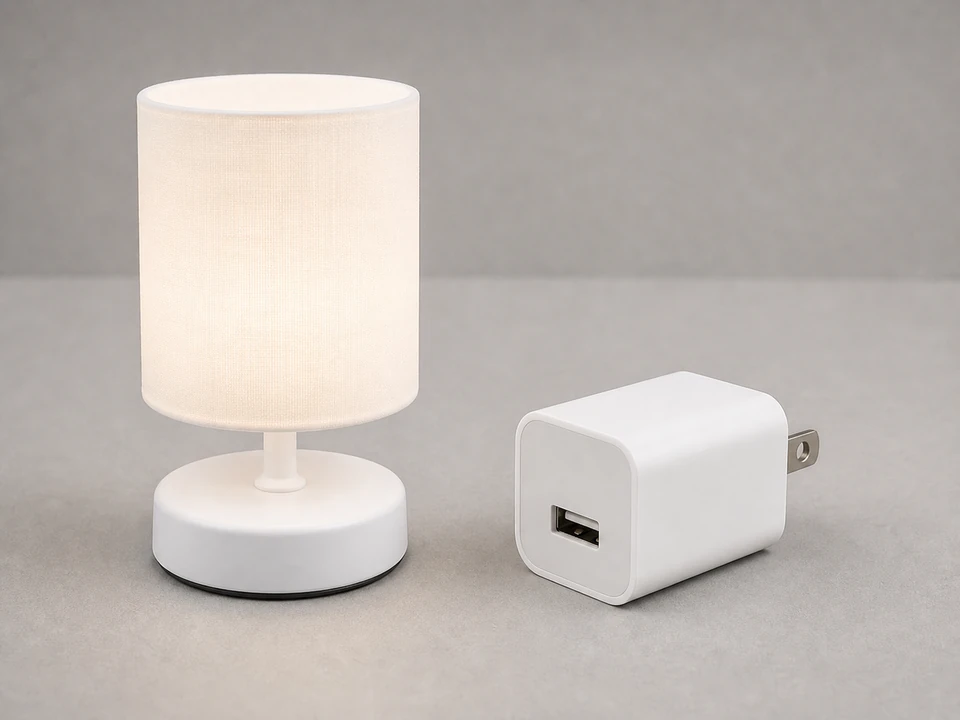
Use it for: Gives you an easy visual check on outlets that accept a plug.
Shop small test lamps
Use it for: Lets you mark outlets and rooms as you go.
Shop painter's tape
Use it for: Helps label the panel and your temporary outlet markers clearly.
Shop permanent markersAs an Amazon Associate I earn from qualifying purchases. Repair Riot may earn a commission at no extra cost to you.
If it works: You have one breaker to test and at least one powered outlet or device to use as a reference.
If it doesn’t: If you are not sure which breaker is even close, start by identifying the general area from the panel labels and test one breaker at a time.
If it works: The outlets are ready to check, and you can tell quickly whether each one has power.
If it doesn’t: If you do not have enough testers, use one lamp or tester and move it from outlet to outlet after the breaker is turned off.
If it works: You have confirmed the correct breaker by making the reference outlet lose power.
If it doesn’t: If no likely breaker shuts off the reference outlet, the panel labeling may be inaccurate. Work through breakers one at a time until you find the right one.
If it works: You have a clear list of which outlets lost power with that breaker off.
If it doesn’t: If results seem inconsistent, reset any tripped GFCI receptacles, make sure wall switches are on, and retest the questionable outlets.
If it works: The breaker is back on, the outlets are powered again, and the circuit is labeled more accurately than before.
If it doesn’t: If some outlets did not come back on, check for a tripped GFCI receptacle on that circuit and reset it before testing again.
If it works: You have confirmed in real use which outlets are on that breaker and your label matches what the circuit actually controls.
If it doesn’t: If one outlet behaves differently from the others, retest that area for a switched outlet, a GFCI upstream, or a second nearby breaker that may control part of the space.
Yes. It is common for one breaker to feed outlets in adjacent rooms, hallways, garages, basements, or exterior walls. That is why a full walk-through matters.
A tripped GFCI receptacle upstream may still need to be reset, or that outlet may be on a different circuit than expected. Check nearby bathrooms, garages, kitchens, laundry areas, and exterior outlets for a GFCI reset button.
No. A simple plug-in outlet tester or even a lamp can work. A circuit breaker finder just speeds up the process when labels are poor or the home has many circuits.
Yes. Some outlets are split so the top and bottom can behave differently. Testing both halves helps you avoid a bad map.
Map one breaker at a time and relabel each one based on what actually turns off. Clear, specific labels are much more useful than old room names that no longer match the wiring.