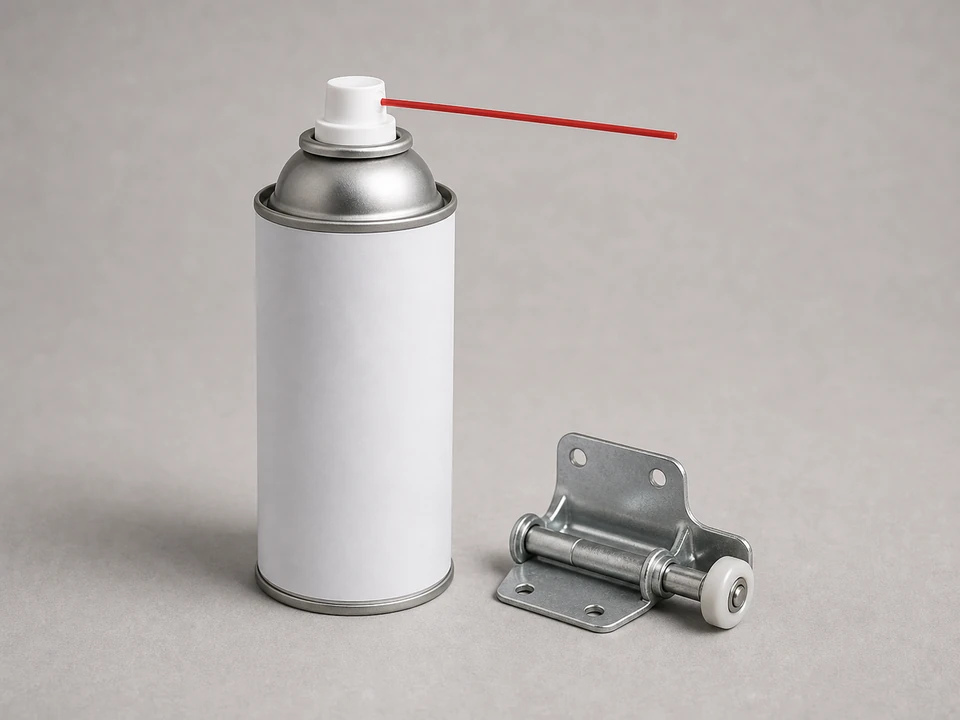
Garage door lubricant spray
Use it for: Lubricates hinge pivots and roller moving parts without attracting as much dirt as heavy grease.
Shop garage door lubricant sprayTo lubricate garage door rollers and hinges, close the door, clean off dust and old residue, then apply a light garage-door-safe lubricant at each hinge pivot and roller bearing area without soaking the track.
This is a good maintenance job when the door squeaks, chatters, or sounds dry but still moves normally. The goal is to reduce friction at the moving joints, not to coat everything in grease.
Before you start: Match the roller diameter, stem length, and garage door track compatibility before ordering. Stop if the repair becomes unsafe or unclear.
Use it for: Lubricates hinge pivots and roller moving parts without attracting as much dirt as heavy grease.
Shop garage door lubricant spray
Use it for: Wipes away dust, old residue, and excess lubricant so it does not drip onto the floor or track.
Shop shop towels
Use it for: Helps you safely reach the upper hinges and rollers on a closed door.
Shop step ladders
Use it for: Loosens built-up grime on hinges and roller stems before you lubricate.
Shop household degreaser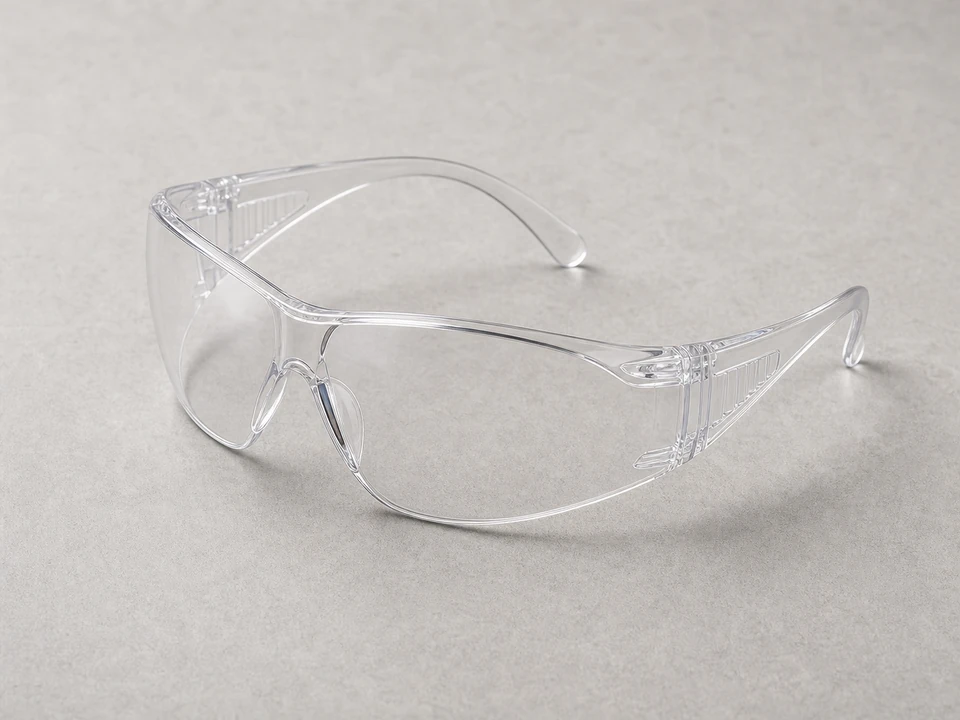
Use it for: Protects your eyes from falling dust and lubricant overspray.
Shop safety glassesAs an Amazon Associate I earn from qualifying purchases. Repair Riot may earn a commission at no extra cost to you.
If it works: The door appears structurally sound, and the noise or roughness seems to be coming from dry moving parts.
If it doesn’t: If the door is still loud after recent lubrication or it jerks, binds, or looks crooked, the problem may be worn rollers, loose hardware, track damage, or spring issues instead of dry hinges alone.
If it works: The door is secured in the closed position and you can reach the hardware safely.
If it doesn’t: If you cannot reach the upper hardware comfortably from a stable ladder position, use a taller ladder or stop and get help.
If it works: The hinges and roller areas are mostly free of dirt and old residue, so fresh lubricant can reach the moving parts.
If it doesn’t: If grime is still caked on, wipe again before lubricating. Lubricant works poorly when it is sprayed over dirt.
If it works: Each hinge and roller has a light, even coating on the moving parts without heavy overspray.
If it doesn’t: If you accidentally overapply, wipe the extra off and leave only a thin film on the moving joints.
If it works: The lubricant has worked into the moving parts and the door sounds smoother than before.
If it doesn’t: If the same spot still makes noise after a second light application, inspect that roller or hinge for wear or looseness instead of adding more spray.
If it works: The door runs quieter and smoother in normal use, with no obvious binding or leaking lubricant.
If it doesn’t: If the door is still noisy, the likely next step is to inspect for worn rollers, loose hinges, opener vibration, or track alignment problems.
Usually no. The track should be clean, but it should not be coated with heavy lubricant. The main friction points are the hinge pivots and the roller moving parts.
Use a lubricant intended for garage door hardware or a light spray lubricant that leaves a thin film. Avoid thick grease that traps dirt unless the hardware maker specifically calls for it.
A light maintenance cycle about once or twice a year is common, or sooner if the door starts sounding dry, squeaky, or rough in normal use.
Noise that stays after proper lubrication often points to worn rollers, loose hinges, opener vibration, bent track, or a door balance problem rather than dry hardware alone.
Yes, but focus on the bearing or shaft area if the roller has moving internal parts. Do not soak the nylon wheel itself or the track.