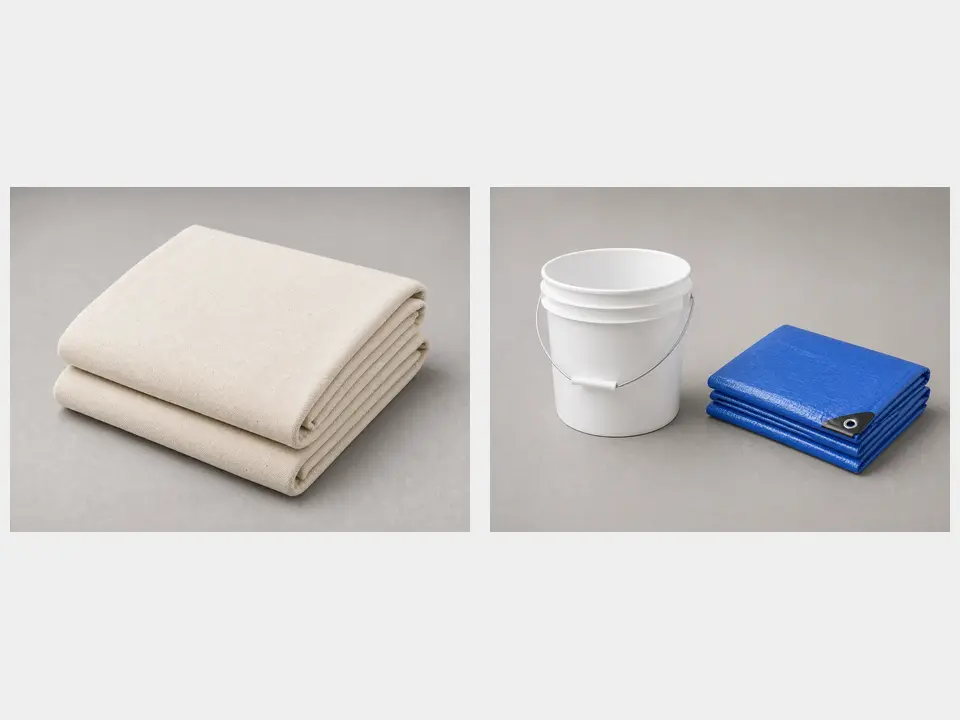
Drop cloth or plastic sheeting
Use it for: Catches texture overspray and falling compound.
Get floor protection for texture workTo match ceiling texture, first identify the existing pattern, then test your method on scrap cardboard before applying a light texture to the patch and feathering it into the surrounding ceiling.
The goal is not to make the patch look perfect up close while it is wet. The goal is to make it disappear from normal viewing distance after it dries, gets primed, and is painted. Small test passes and light buildup usually work better than one heavy coat.
Before you start: Choose a product and method that matches your ceiling pattern and patch size. Spray texture works for many small repairs, but larger patches may need joint compound and a brush, roller, or knockdown knife. Stop if the repair becomes unsafe or unclear.
Use it for: Catches texture overspray and falling compound.
Get floor protection for texture work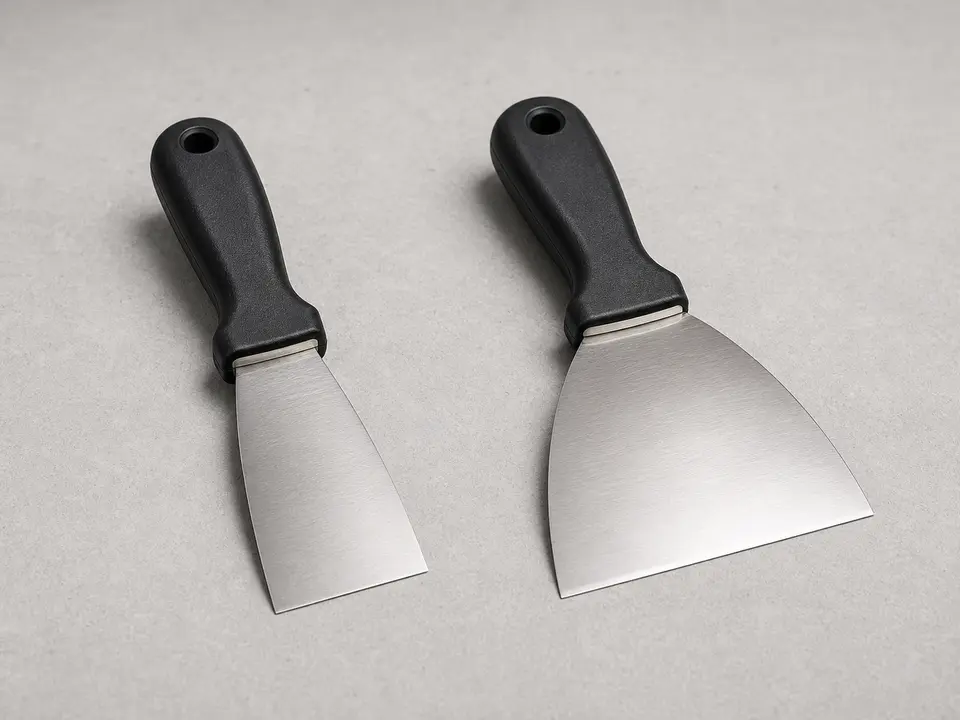
Use it for: Smooths the patch and helps feather edges before texturing.
Shop putty and taping knives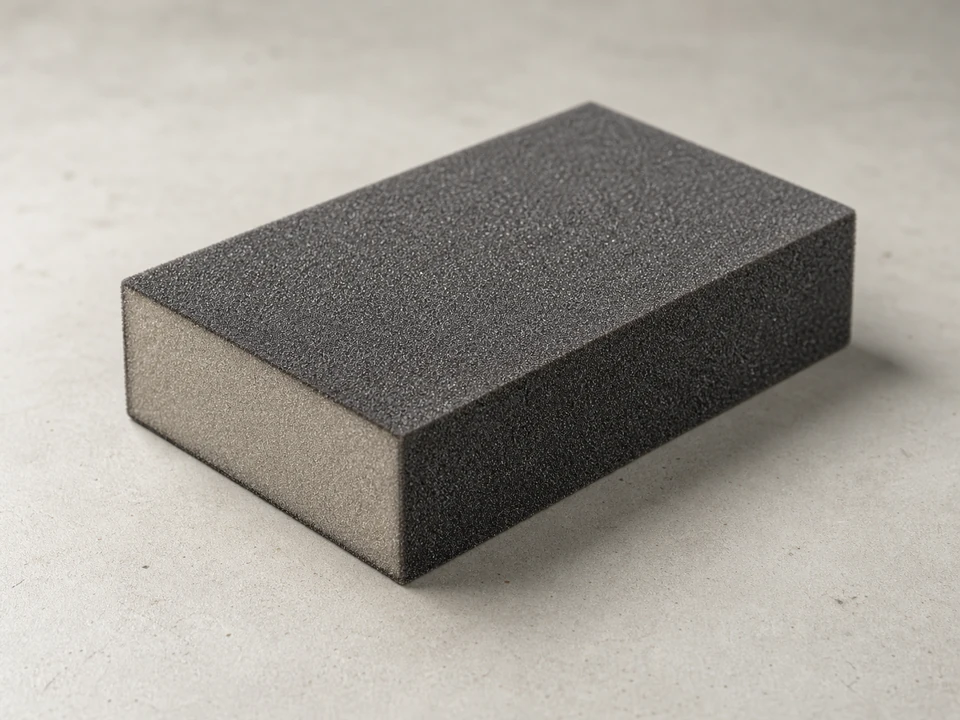
Use it for: Knocks down ridges and blends the patch before texture.
Find a sanding sponge
Use it for: Creates the new texture layer to match the surrounding ceiling.
Shop ceiling texture material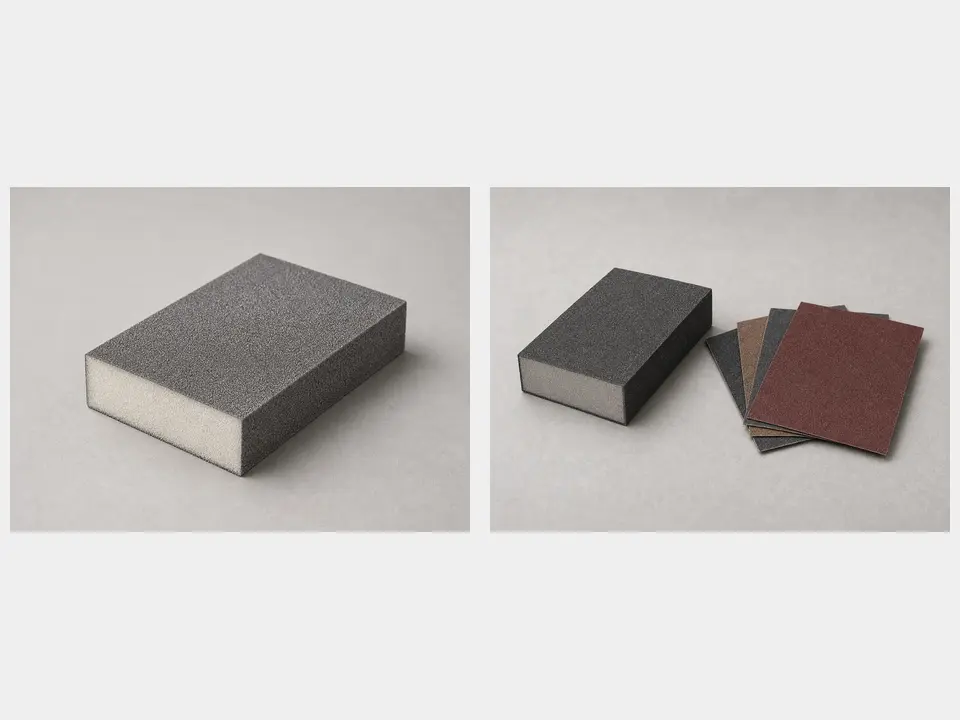
Use it for: Holds compound if you are applying texture by hand.
Get a mud pan for drywall repair
Use it for: Lets you check the texture from a low angle so mismatched spots stand out.
Find a bright work lightAs an Amazon Associate I earn from qualifying purchases. Repair Riot may earn a commission at no extra cost to you.
If it works: You know what texture you are trying to copy, and the ceiling surface is sound enough to texture.
If it doesn’t: If you cannot tell the pattern, compare it to another room or remove a light trim ring and inspect a less-painted area nearby for a clearer sample.
If it works: The repair area is clean, flat, dry, and ready to accept texture evenly.
If it doesn’t: If the patch still shows a hard edge or shallow dip, skim it again, let it dry, and sand it before moving on.
If it works: You have a test pattern that looks close enough to the existing ceiling from normal viewing distance.
If it doesn’t: Keep testing until the pattern is close. A few minutes of practice usually saves a much more visible ceiling patch.
If it works: The patch has a blended texture that looks close to the surrounding ceiling while still slightly lighter and easier to adjust.
If it doesn’t: If the texture looks too heavy, let it firm up and gently scrape or sand the high spots, then reapply a lighter pass.
If it works: The texture profile is close enough that the patch no longer jumps out before paint.
If it doesn’t: Repeat small touch-ups instead of trying one big correction. Texture matching usually improves in thin layers.
If it works: The repaired area blends into the rest of the ceiling in normal use, and no new staining or cracking shows up.
If it doesn’t: If the texture is close but the patch still flashes, the issue is often paint sheen or color mismatch. Repainting the whole ceiling section usually helps more than adding more texture.
As an Amazon Associate I earn from qualifying purchases. Repair Riot may earn a commission at no extra cost to you.
Light orange peel is usually the easiest because small differences are less obvious. Knockdown can also blend well if you get the timing right. Distinct hand patterns and popcorn are usually harder to hide.
Prime bare drywall or fresh joint compound before texture if the patch is very porous. Then prime again after the texture dries if needed before finish paint. That helps the texture and paint dry more evenly.
The most common reasons are a patch that is not perfectly flat, texture that is slightly too heavy or too smooth, or a paint sheen mismatch. Sometimes the texture is close enough, but the repaired area still flashes because the ceiling was only spot-painted.
No. Spray texture works well for many orange peel and some knockdown repairs, but it will not copy every brush or hand-applied pattern. For larger or more distinctive textures, joint compound and the right hand tool often work better.
Wait until the texture is fully dry, not just dry on the surface. Dry time depends on thickness, room temperature, and humidity. If you paint too soon, the finish can soften the texture or trap moisture.