Did the code arrive with long dry times?
Start with the lint filter, lower filter or heat-exchanger area, vent hose, and outside hood. Poor airflow is the first path.
A Miele dryer F66 error points first to blocked airflow. Clean the lint and lower filters, then check the heat-exchanger area. On a vented model, inspect the hose and outside hood too.
Start with packed lint in the filter path. A vented model can also have a crushed hose or stuck outside hood.
Vented models use a house exhaust. Condenser and heat-pump models rely on internal filters and heat-exchanger airflow.
Don’t start with: Do not start with a heater, thermostat, sensor, or board. If airflow is clear and F66 returns, use the full model number when booking service.
Start with the lint filter, lower filter or heat-exchanger area, vent hose, and outside hood. Poor airflow is the first path.
Fix the house vent path before buying dryer parts. Compare airflow at the dryer outlet if the hose route is suspect.
The restriction may be inside the dryer: filter housing, blower path, lint mat, or blower area. Stop if deeper access is unsafe.
Stop at the accessible airflow checks. Note the full model number and book service for the remaining internal diagnosis.
Leave it off and book service. That is not a parts-shopping moment.
F66 is the kind of fault where lint and vent restriction can make expensive parts look guilty. Start at the filters, then check the vent path before opening the heater circuit.
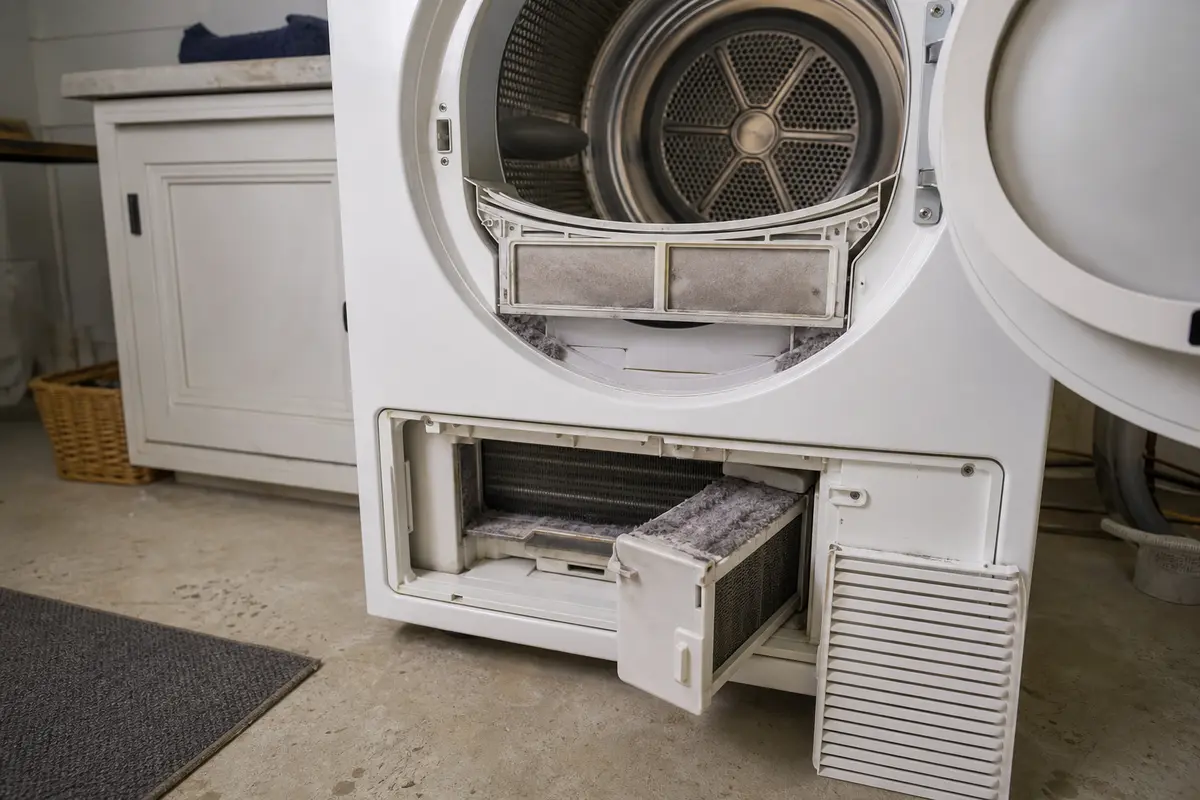
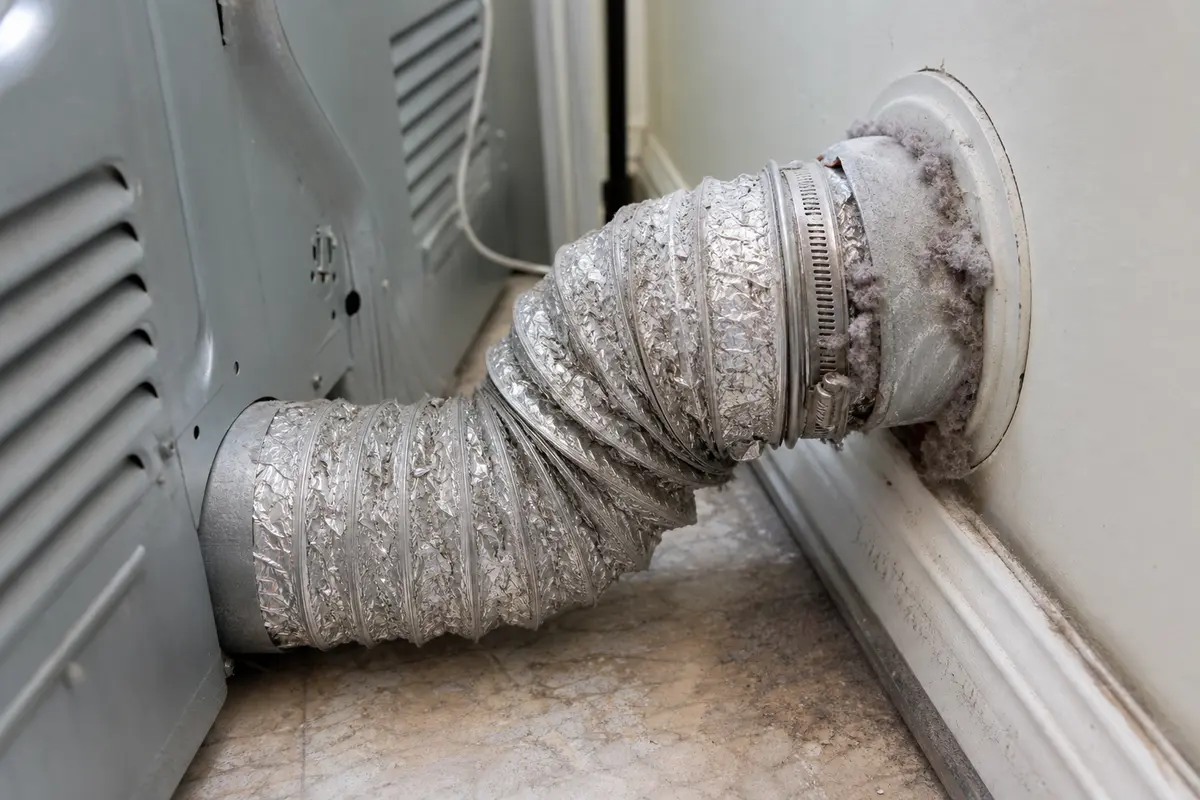
Before ordering a thermostat, heater, sensor, lint filter, or control part, write down the exact Miele model number and make the airflow symptom repeat. F66 parts are model-specific, and a restricted vent can make good heat parts look bad.
Treat F66 as an airflow and heat-management warning until the dryer proves otherwise. The repair path should start with what air can and cannot move through.
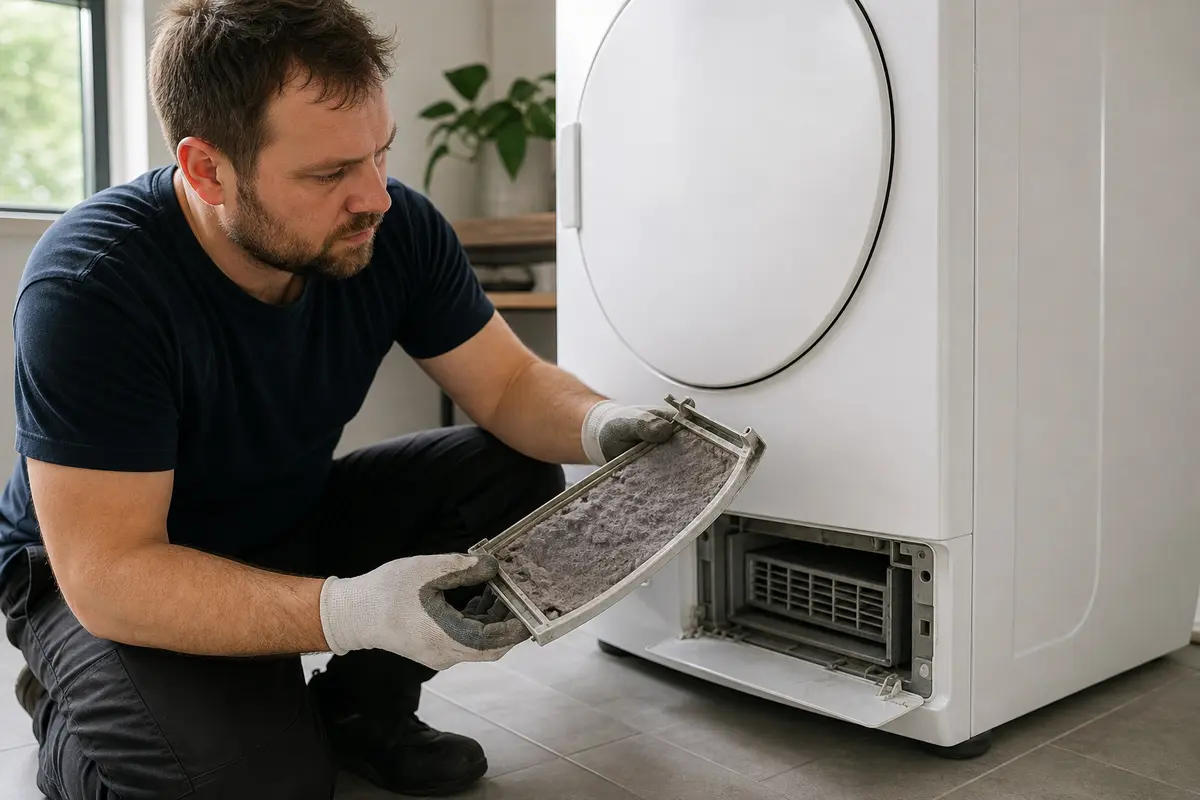
The fastest way to waste money on F66 is to treat every heat code like a failed heater. Make the dryer pass the basic airflow checks before the cart fills up.
Give the dryer a real cleaning pass, not just a quick swipe across the lint screen. F66 can return when lint is hidden below the obvious filter surface.
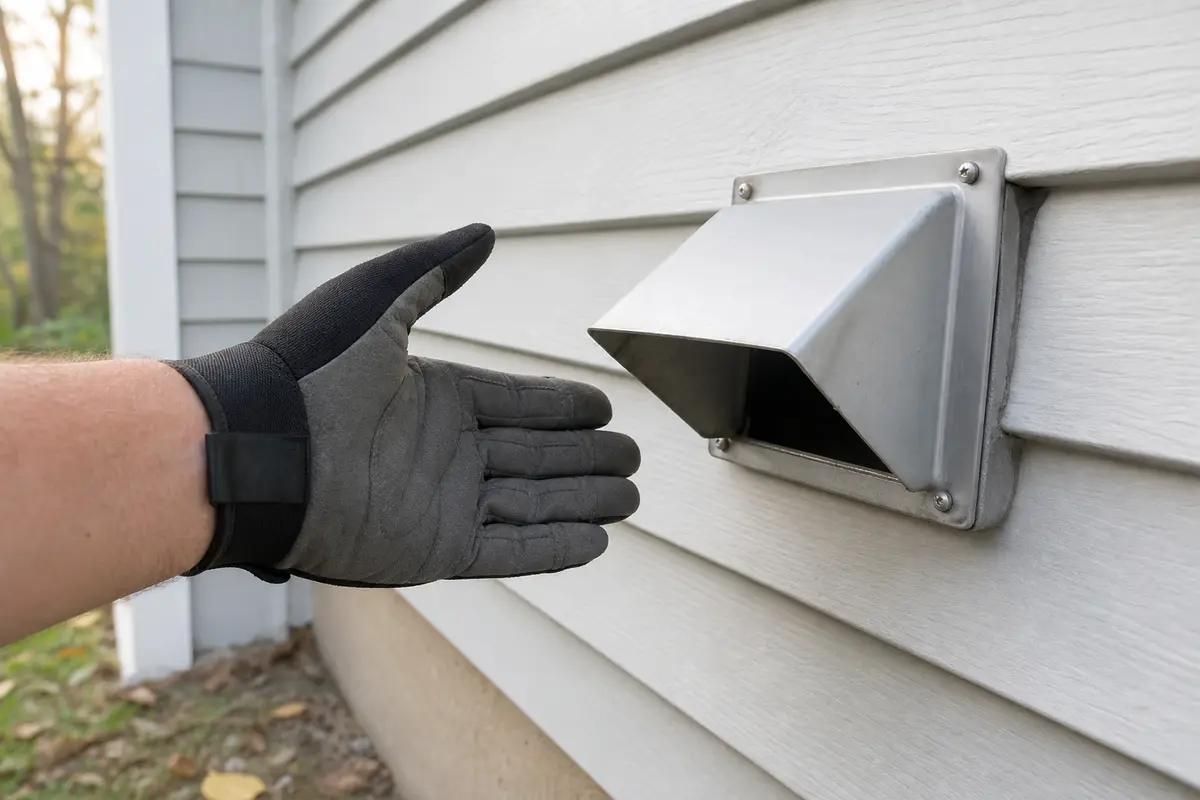
If the dryer is a vented model, compare airflow at the dryer outlet and at the outside hood. The difference tells you whether the restriction is in the house vent or inside the machine.
| What you see | What it usually means | Next move |
|---|---|---|
| Outside hood is weak, but dryer outlet airflow is strong | The house vent, wall connection, or outside hood is restricted | Clean, shorten, repair, or professionally clear the vent route |
| Dryer outlet airflow is weak too | The restriction may be inside the dryer airflow path | Recheck filter housing, lower filter area, and accessible blower path; stop if deeper access is unsafe |
| Airflow is strong, but F66 returns quickly | Airflow is less likely to be the whole problem | Note the full model number and book service for model-specific internal diagnosis |
| Hot smell, scorch marks, or breaker trips appear | There may be unsafe heat or electrical damage | Leave the dryer off and book service |
A clear airflow path does not identify one failed internal part. Use the full model number and the clues you already gathered when booking service.
These are diagnostic tools, not permission to open every compartment. Use them for the checks that match your model and stop before energized or deep electrical work.
Buy parts only when the symptom and test point to that part. Miele dryer filters, thermostats, heaters, sensors, and controls are model-specific, and a restricted vent can mimic a failed heat part.
F66 usually starts with airflow and heat management, so check the parts that let the dryer breathe before pricing heat parts. A packed lint screen, dirty lower filter, blocked heat-exchanger area, crushed vent hose, or weak outside hood can leave the dryer moving too little air and running hotter than it should.
Yes. On a vented model, check the vent hose, wall connection, and outside hood before you blame the heater. A crushed hose or stuck hood can let the drum tumble with some heat, but not move enough air to carry moisture out. Clothes stay damp, and F66 can come back.
No. Start with filters, internal lint buildup you can safely reach, and the vent path. If F66 returns after those checks, use the full model number when booking service; the code alone does not identify the heating element as failed.
That is not a good idea. Intermittent airflow or overheating faults tend to get worse, and repeated hot running can damage heat-safety parts or wiring. Fix the airflow issue or confirm the failed part before regular use.
Recheck the accessible filters and heat-exchanger area for your model. If those paths are clean and F66 returns, note the full model number and book service. The code alone does not tell you whether a thermostat, heater, sensor, or control has failed.
Because the lint screen is only one part of the airflow path. The lower filter, heat-exchanger area, filter slot, vent hose, wall connection, or outside hood can still be restricted.
On a vented dryer, compare airflow at the dryer outlet with airflow at the outside hood. Strong outlet airflow with weak outside airflow points to the house vent, wall connection, or exterior hood.
Only as a brief supervised airflow comparison on a vented electric dryer. Reconnect the vent before normal use. If the setup is unclear, skip the indoor test and call a pro.
The logic is the same, but the path is different. Condenser and heat-pump models depend on internal filters, lower filter areas, heat exchangers, condensers, and seals instead of a simple house exhaust duct.
Repair Riot built this page around checks that change the repair path. Confirm the exact model, clean the filter and heat-exchanger path, and compare vent airflow if the dryer uses a house exhaust. Stop before unsafe electrical work. The links below support dryer efficiency, lint, airflow, and public dryer-fire context used here.