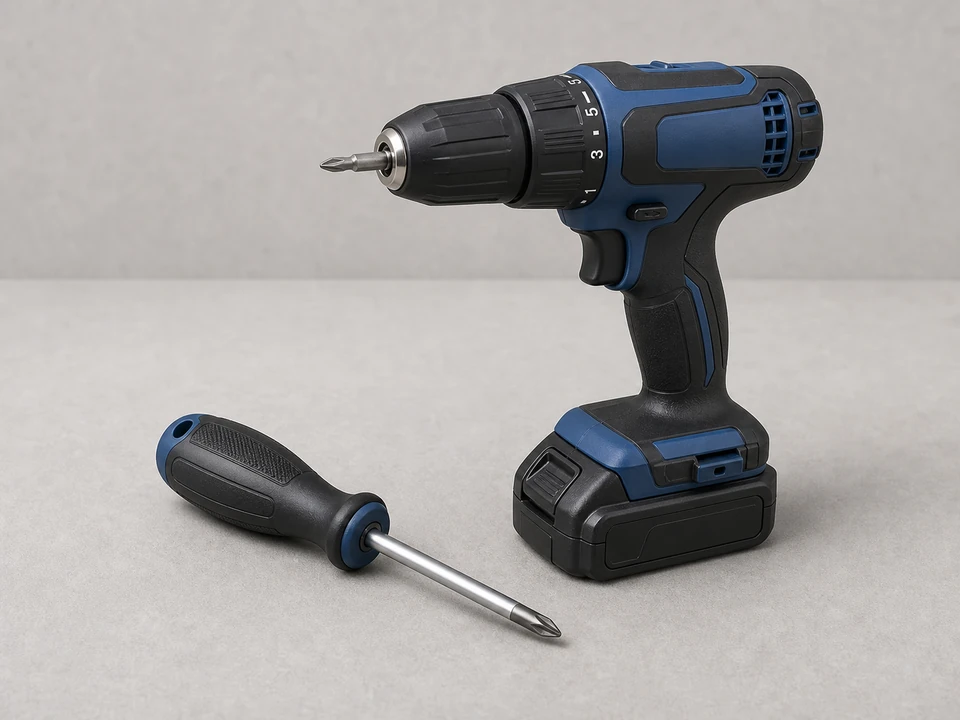
Screwdriver or drill/driver
Use it for: To remove the loose hinge screw and reinstall it without stripping the head.
Find a screwdriver or drill for hinge repairTo repair a stripped door hinge screw hole, remove the loose screw, fill the worn hole with glued wood slivers or a dowel, let it set, then drive the screw back into solid material. If the hinge area is split or the door frame is badly damaged, this simple repair may not hold.
This is a good fix when one or two hinge screws keep spinning, backing out, or failing to hold the hinge tight to the jamb or door edge. The goal is to give the screw fresh wood to bite into so the hinge can pull the door back into alignment.
Before you start: Match the screw length and diameter to your hinge, and make sure any longer screw will bite into solid framing without poking through the other side. Stop if the repair becomes unsafe or unclear.
Use it for: To remove the loose hinge screw and reinstall it without stripping the head.
Find a screwdriver or drill for hinge repair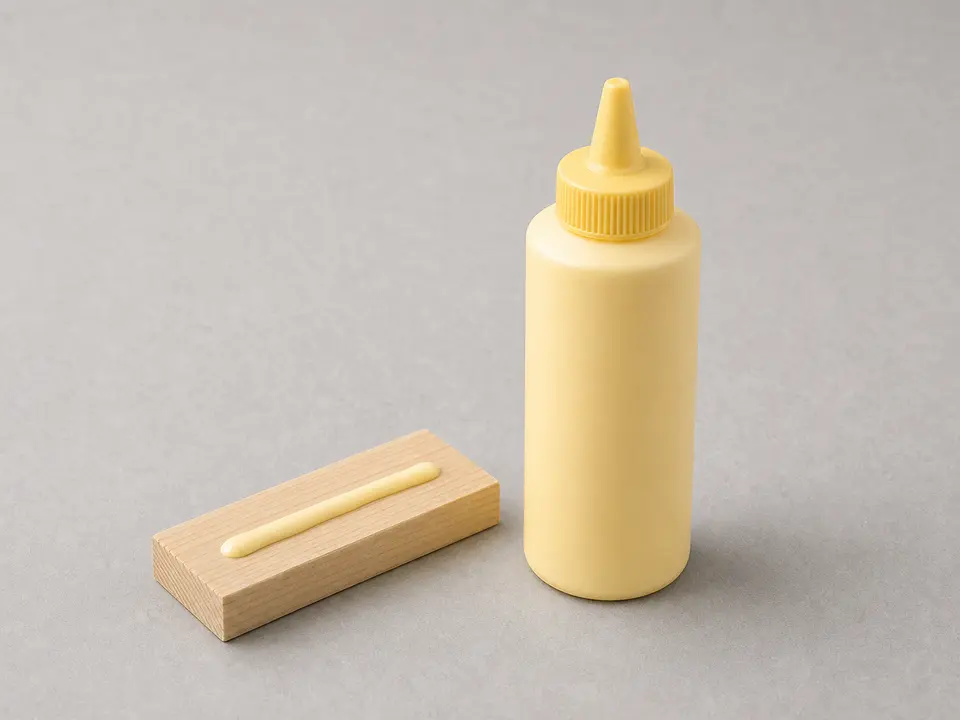
Use it for: To bond the filler material inside the stripped hole so it hardens into a solid base.
Shop wood glue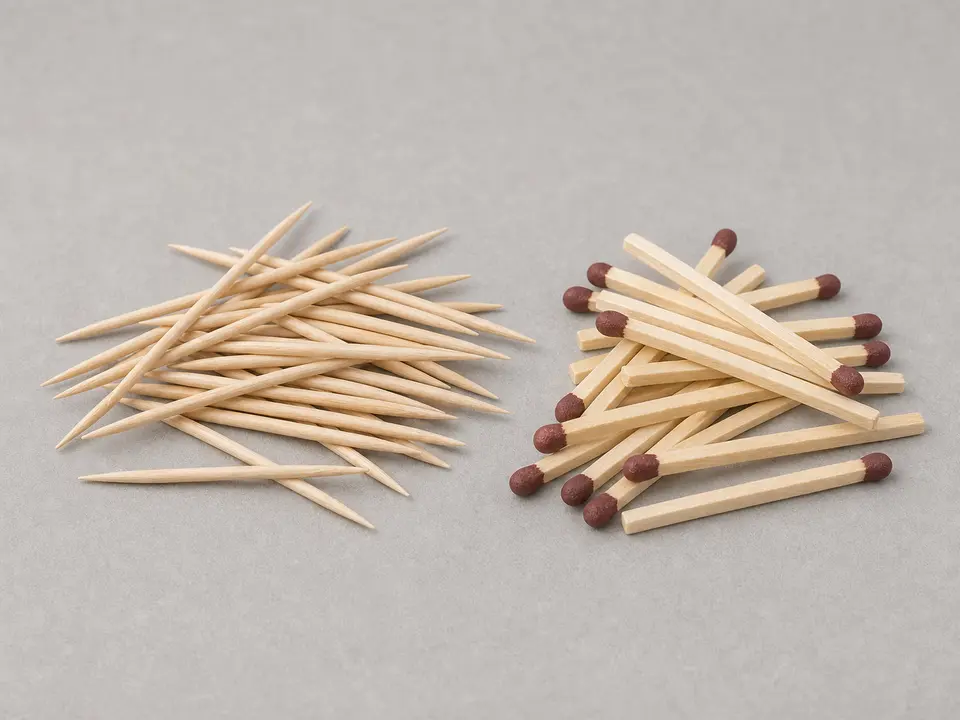
Use it for: To fill the stripped hole with real wood that the screw can grab.
Find wood fillers for stripped screw holes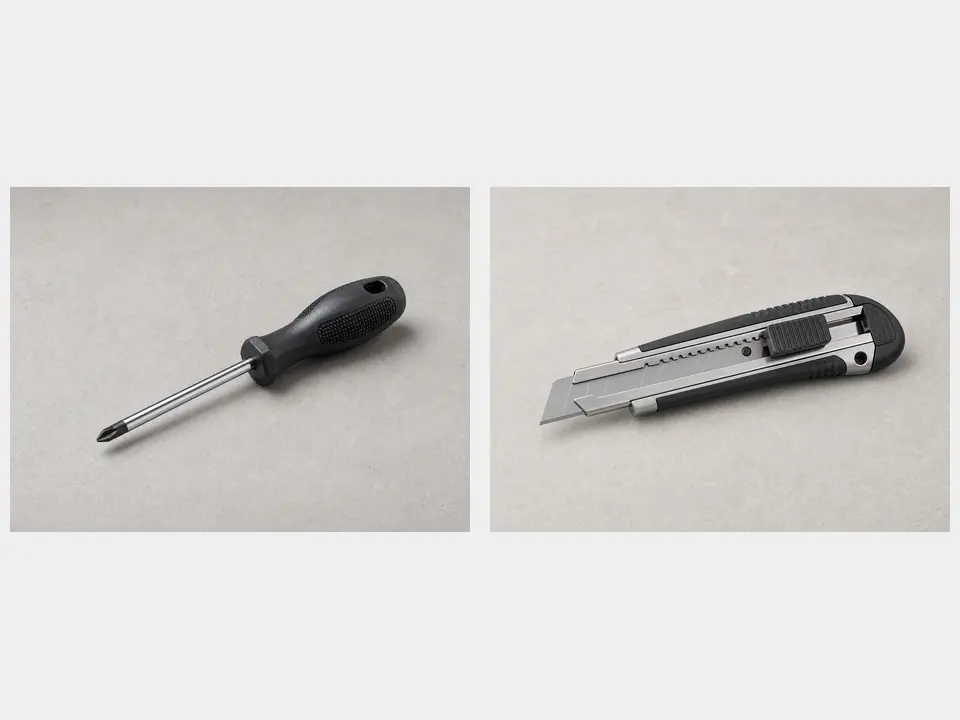
Use it for: To trim filler material flush with the hinge surface.
Shop trimming tools for wood filler repair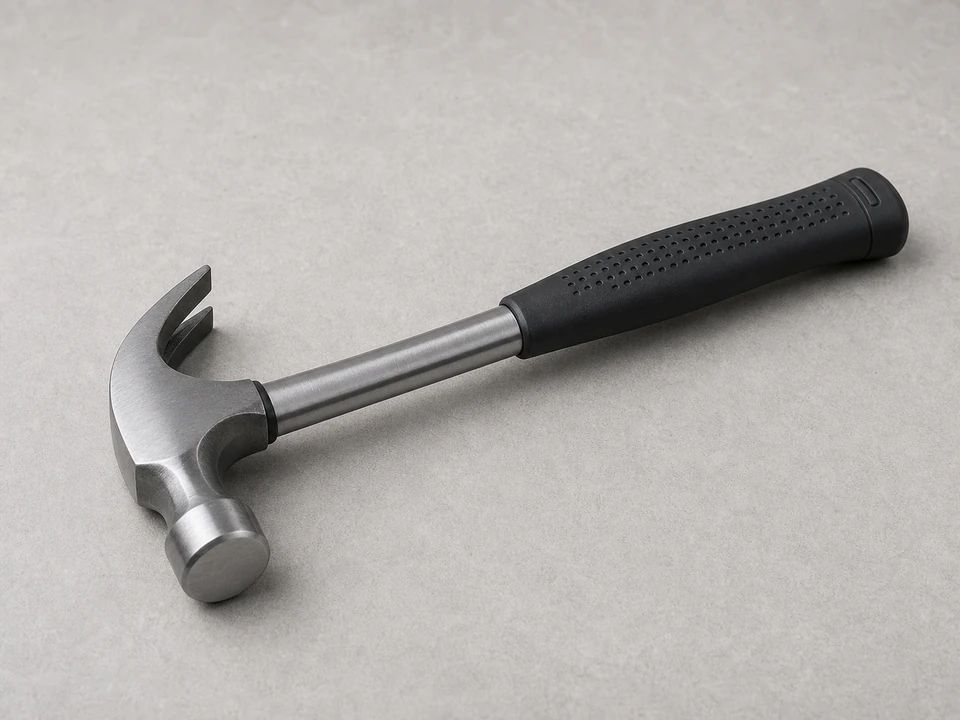
Use it for: To tap a dowel, tee, or wood slivers snugly into the hole.
Find a small hammer
Use it for: To make a clean pilot hole if the repaired hole is packed tight or if you are using a dowel.
Shop drill bits for pilot holesAs an Amazon Associate I earn from qualifying purchases. Repair Riot may earn a commission at no extra cost to you.
If it works: You found a hinge screw hole that will not hold because the wood threads are stripped.
If it doesn’t: If the screw tightens normally, the problem may be hinge alignment, a bent hinge leaf, or loose screws somewhere else on the door.
If it works: The stripped hole is exposed, clean, and ready to be rebuilt.
If it doesn’t: If the screw head is stripped and you cannot remove it, back up and deal with the damaged screw first before repairing the hole.
If it works: The old screw hole is filled with solid wood and the hinge can lie flat over it.
If it doesn’t: If the filler stays loose, remove it and repack the hole more tightly with additional wood before moving on.
If it works: The repaired area is set up and ready for the screw without splitting the new wood filler.
If it doesn’t: If you do not have a drill, you can carefully start the screw by hand, but stop if it begins to wander or split the repair.
If it works: The screw tightens firmly and the hinge leaf sits flat without wobble.
If it doesn’t: If the screw still spins, remove it and rebuild the hole again with a tighter wood fill or step up to a properly fitting longer screw where appropriate.
If it works: The door swings smoothly, the hinge stays tight, and the repair holds during normal use.
If it doesn’t: If the door still rubs or drops, the root problem may be additional loose hinges, worn hinge mortises, or frame movement that needs a larger repair.
Wood toothpicks, wood slivers, a golf tee, or a small wood dowel with wood glue all work. The key is packing the hole tightly with real wood so the screw has something solid to bite into.
Sometimes, especially on the jamb side, a longer screw can reach solid wood behind the hinge. It still needs to match the hinge hole well, and it should not be so long that it causes damage behind the frame.
Usually no. For one stripped hole, you can often remove just the loose screw, support the door, and repair that hole with the hinge leaf still nearby. If access is tight, removing the hinge leaf screws may make the job easier.
Long enough for the glue to grab so the filler does not spin with the screw. A short wait may work for a light repair, but a fuller cure usually gives a stronger hold.
Usually because the hole was not packed tightly enough, the screw was overtightened, or the door is putting extra stress on that hinge from sagging or frame movement. Fixing the stripped hole helps, but the repair lasts longer when the door is aligned and the other hinge screws are tight.