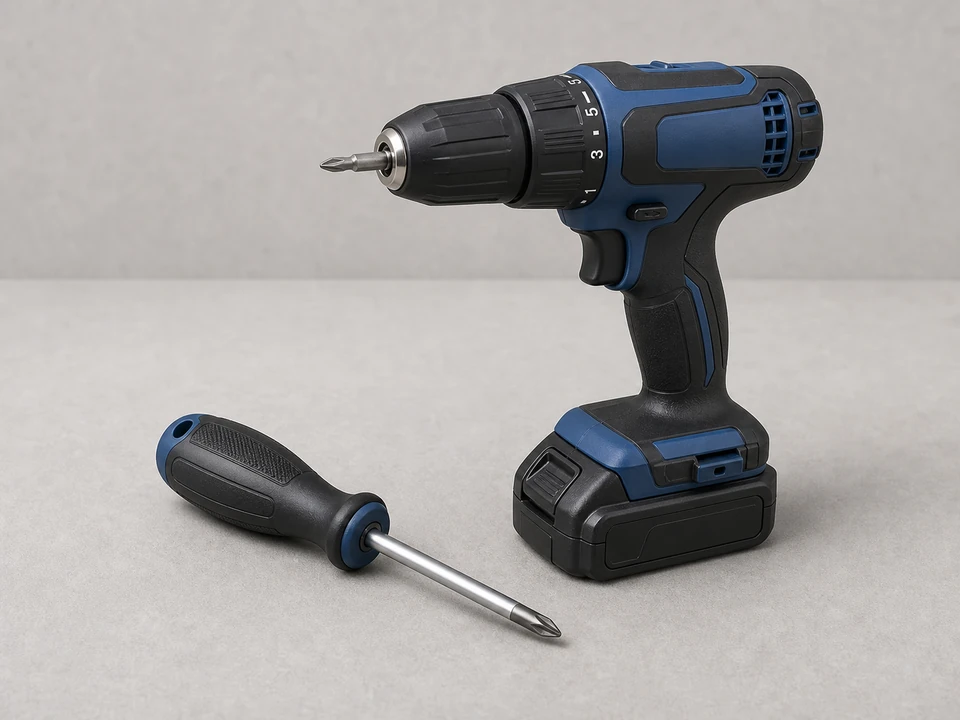
Screwdriver or drill driver
Use it for: Removes the old screws and drives the new ones without damaging the hinge slots.
Shop screwdrivers and drill-driversTo replace door hinge screws, remove one screw at a time, install matching replacements that sit flush in the hinge, and use longer screws where the old holes no longer hold well.
This is a good repair when a door sags, rubs, or the hinge feels loose because the screws are stripped, bent, missing, or too short to hold. Work one screw at a time so the door stays aligned while you tighten the hinge back to the frame or door edge.
Before you start: Match the screw head style, length, gauge, and finish to your existing hinge so the new screws sit flush and grip solid wood.
Use it for: Removes the old screws and drives the new ones without damaging the hinge slots.
Shop screwdrivers and drill-drivers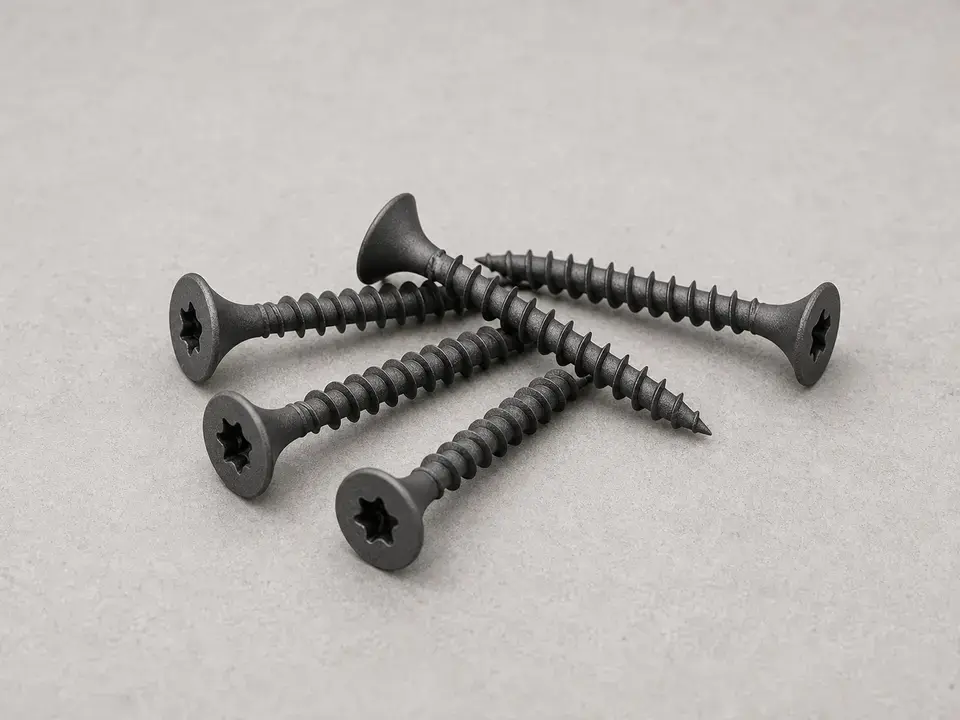
Use it for: Replaces stripped, bent, rusted, or missing screws so the hinge can hold firmly again.
Find replacement hinge screws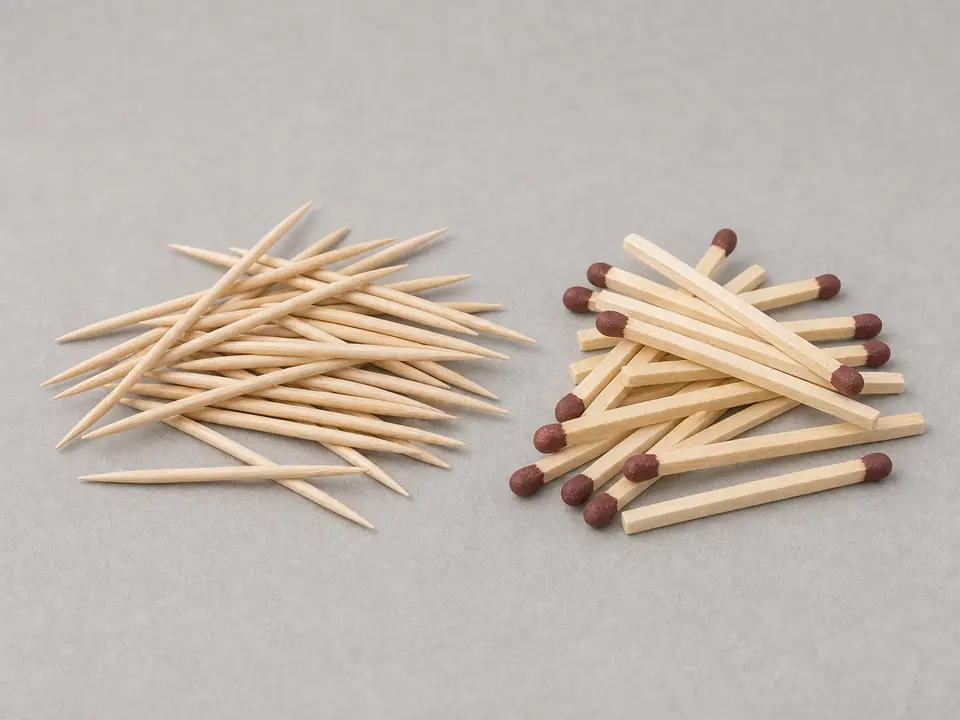
Use it for: Helps tighten a slightly worn screw hole when you are not dealing with major damage.
Get wood toothpicks for loose screw holes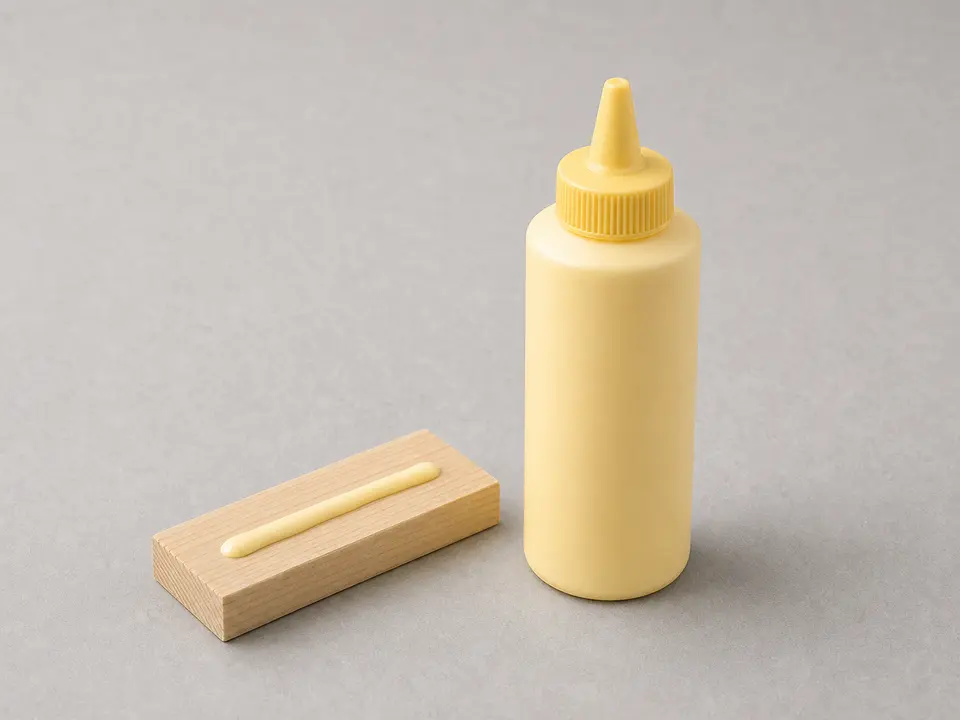
Use it for: Bonds toothpicks or wood slivers in a worn hole so the new screw can bite better.
Shop wood glue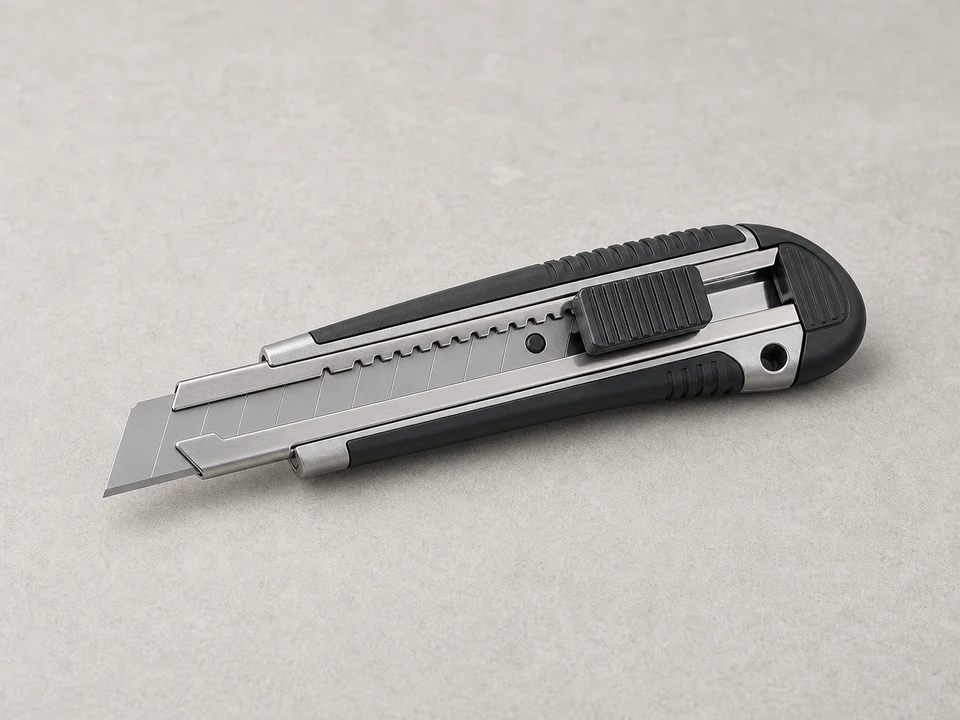
Use it for: Trims toothpicks or wood slivers flush before reinstalling the screw.
Find a utility knife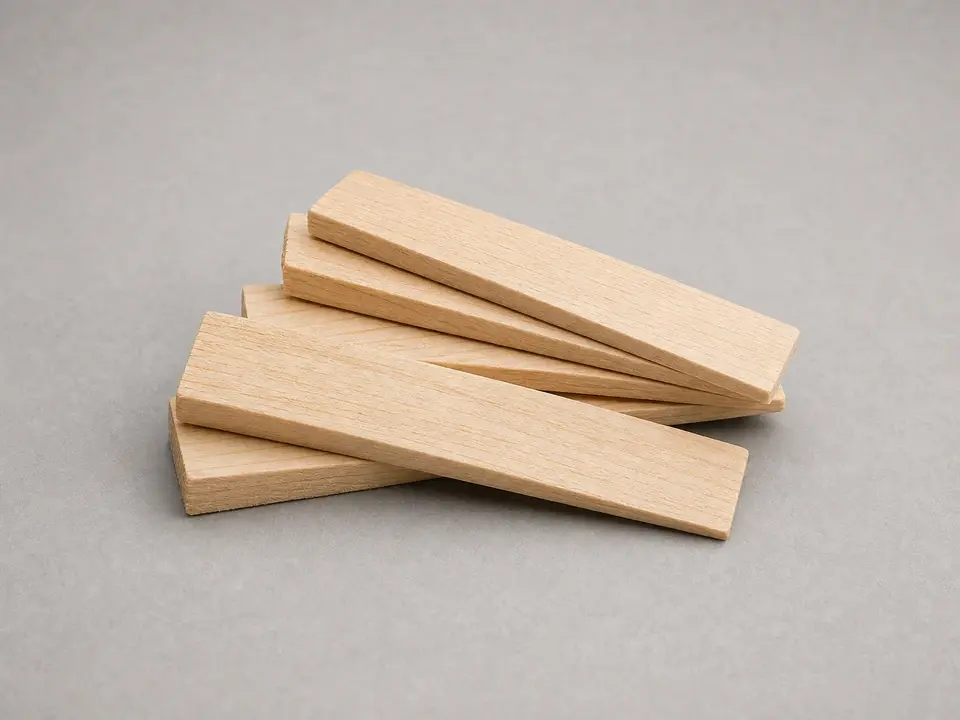
Use it for: Supports the door if it shifts while you work on a loose hinge.
Shop door shimsAs an Amazon Associate I earn from qualifying purchases. Repair Riot may earn a commission at no extra cost to you.
If it works: You found loose, stripped, damaged, or missing hinge screws that explain the door movement.
If it doesn’t: If the screws are tight but the hinge leaf is bent, the wood is split, or the door slab or frame is cracked, fix that damage first instead of just replacing screws.
If it works: The door is supported, the hinge is still aligned, and you are ready to swap screws without the door moving much.
If it doesn’t: If the door keeps shifting, add support under the latch side before removing any more screws.
If it works: The new screws are seated flush and the hinge already feels firmer.
If it doesn’t: If a replacement screw still spins or will not tighten, move to the next step to rebuild the worn hole.
If it works: The screw now bites firmly and the hinge leaf pulls tight to the wood.
If it doesn’t: If the hole still will not hold after a simple fill, the wood may be too damaged and need a more involved repair.
If it works: All problem screws are replaced or tightened, and each hinge leaf sits flat and secure.
If it doesn’t: If the hinge is tight but the door still rubs badly, look for a bent hinge, shifted frame, or another alignment issue.
If it works: The door swings smoothly, closes more cleanly, and the hinge stays tight under normal use.
If it doesn’t: If the door still drops, rubs, or pulls at the hinge after the screws are secure, the problem is likely hinge damage, frame movement, or worn wood beyond a simple screw replacement.
Match the screw head style, length, gauge, and finish to your existing hinge so the new screws sit flush and grip solid wood.
As an Amazon Associate I earn from qualifying purchases. Repair Riot may earn a commission at no extra cost to you.
Replace the damaged or loose ones first. If the rest are rusty, mismatched, or starting to strip, replacing them at the same time can give the hinge a more even hold.
The hole is likely worn out. A simple wood-glue-and-toothpick fill can help with minor wear. If the wood is split or badly enlarged, the hinge area may need a more involved wood repair.
Sometimes, especially on the frame side, a longer screw can reach stronger wood and improve hold. Make sure the head matches the hinge countersink and the screw can drive straight without causing damage.
The top hinge often carries the most pulling force as the door hangs. Loose screws there can let the latch side drop and make the door rub or miss the strike.
Usually no. For most loose hinge screw repairs, supporting the door and replacing one screw at a time is enough.