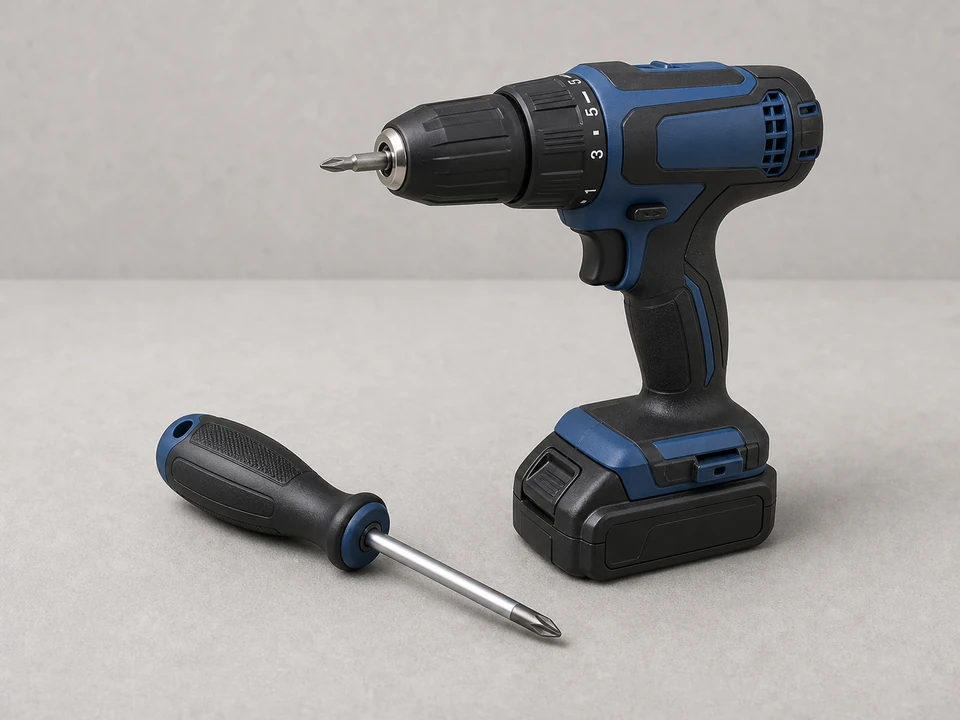
Phillips screwdriver or drill/driver
Use it for: To remove the old screws and drive the new ones without damaging the hinge.
Shop screwdrivers and drill driversIf your front door sags, rubs, or feels loose at the hinges, replacing worn or short hinge screws is often the fix. The usual repair is to support the door, remove one screw at a time, and install longer, snug-fitting screws that bite into solid framing.
This is a simple repair for many sticking or drafty front doors. Work slowly, keep the door supported, and do not remove all hinge screws at once.
Before you start: Match the screw head style and finish to your hinge, and make sure the replacement length is appropriate for a solid wood door jamb.
Use it for: To remove the old screws and drive the new ones without damaging the hinge.
Shop screwdrivers and drill drivers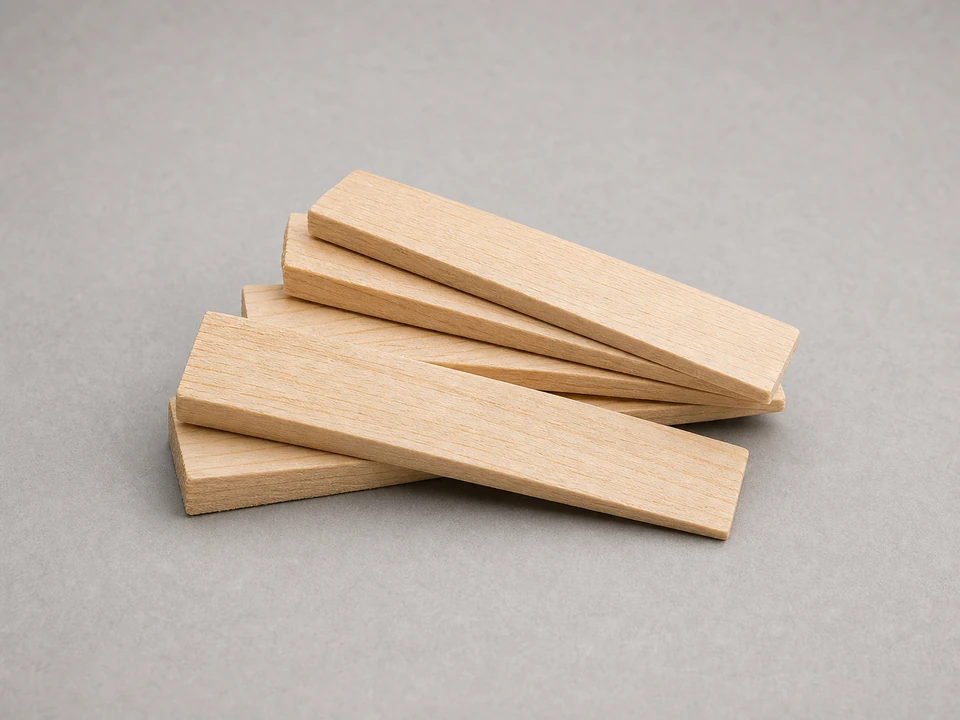
Use it for: To support the door and hold the reveal steady while you change screws.
Get wood shims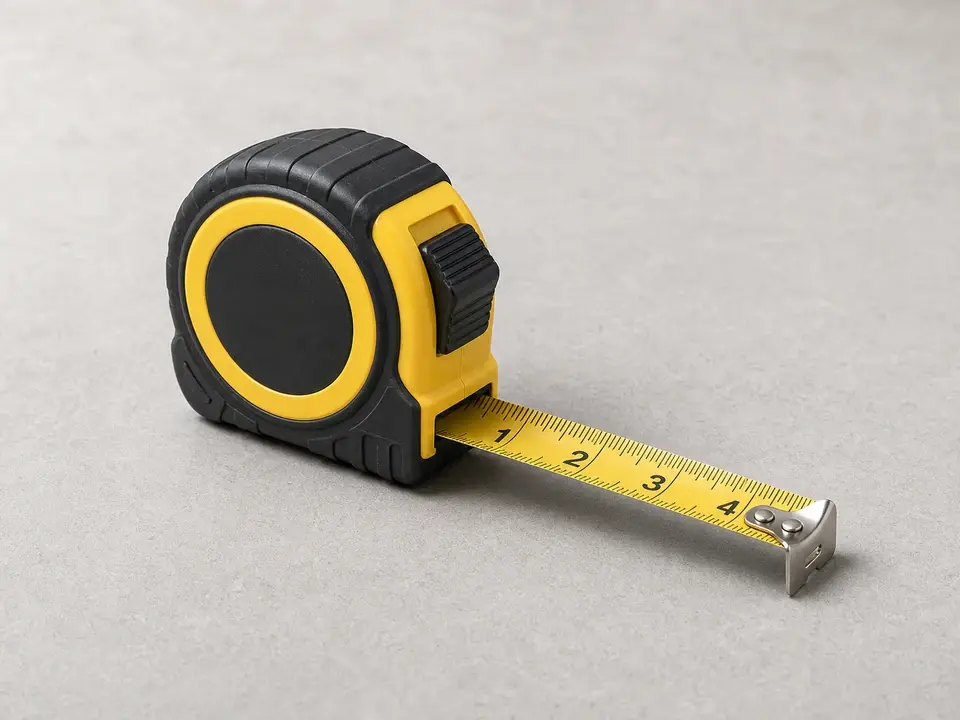
Use it for: To check screw length and compare the old screws to the replacements.
Shop tape measures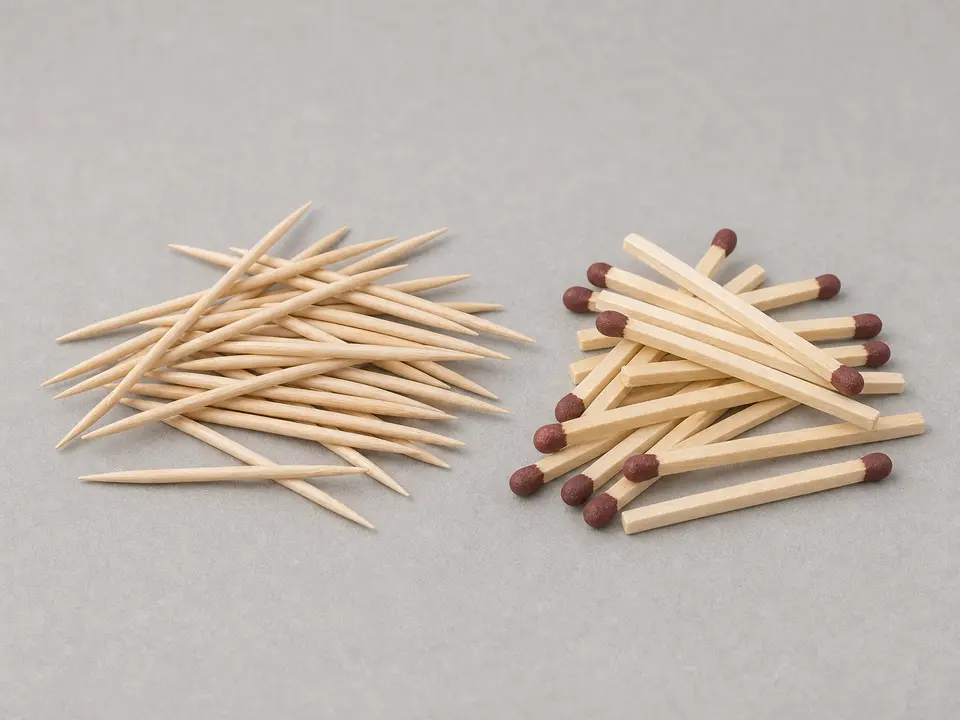
Use it for: To help fill a slightly worn screw hole if a new screw does not grab well.
Find wood toothpicks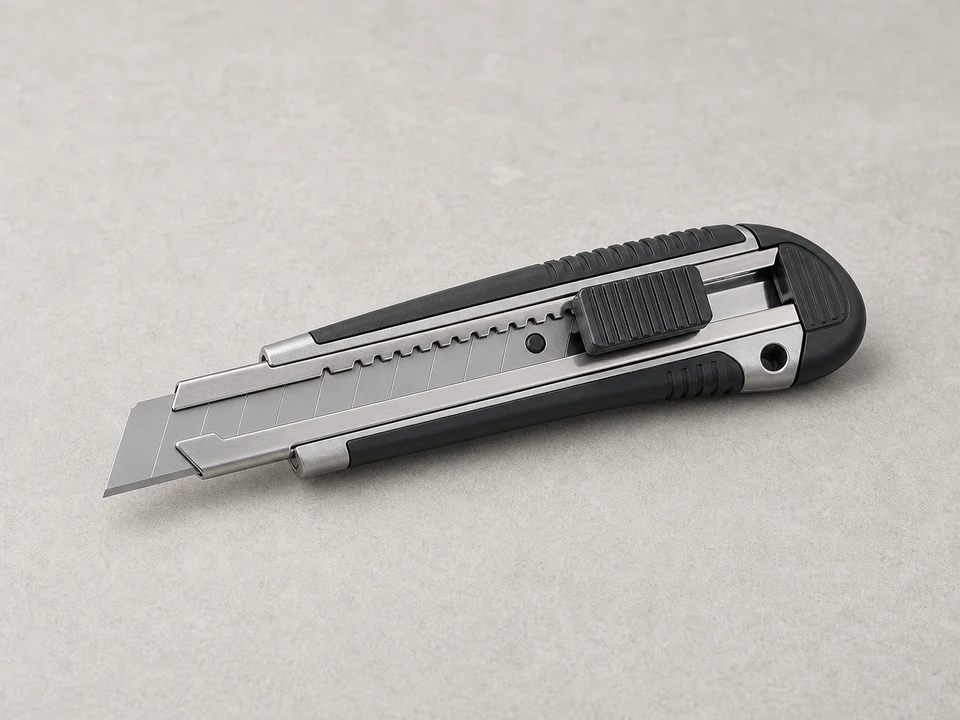
Use it for: To trim filler material flush if you need to tighten a slightly enlarged hole.
Shop utility knivesAs an Amazon Associate I earn from qualifying purchases. Repair Riot may earn a commission at no extra cost to you.
If it works: You have clear signs that loose, short, or stripped hinge screws are causing the door to sag or shift.
If it doesn’t: If the hinges are tight and the door is still binding, look for swelling, weatherstrip interference, or frame movement instead of replacing screws first.
If it works: The door is supported and you have replacement screws that fit the hinge properly.
If it doesn’t: If the new screw head does not sit neatly in the hinge hole, get the correct head style before continuing so the hinge can close flat.
If it works: The hinge is tightened back to the jamb and the door stays aligned because you replaced screws one at a time.
If it doesn’t: If a screw spins without tightening, back it out and move to the next step to firm up the hole.
If it works: Previously loose screws now tighten firmly and pull the hinge leaf flat.
If it doesn’t: If the screw still will not grab, the hole or jamb may be too damaged for a simple screw swap and may need a more involved wood repair.
If it works: All hinge screws are seated properly and the door moves more evenly than before.
If it doesn’t: If the door still sags at the top latch corner, recheck the top hinge first and make sure the jamb-side screws are actually biting into solid wood.
If it works: The door swings smoothly, latches cleanly, and the hinge screws stay tight in real use.
If it doesn’t: If the screws loosen again or the door still rubs, the frame, hinge mortise, or door slab may need a deeper repair than screw replacement alone.
Match the screw head style and finish to your hinge, and make sure the replacement length is appropriate for a solid wood door jamb.
As an Amazon Associate I earn from qualifying purchases. Repair Riot may earn a commission at no extra cost to you.
That depends on the hinge, jamb, and how much solid wood is behind it. Many front door repairs use longer screws at the top hinge jamb side so they can grab framing, but the screw still needs to fit the hinge properly and not punch through where it should not.
No. Start with the loose, stripped, or short screws, especially at the top hinge. If the other screws are tight and the door is aligned, you may not need to change all of them.
Yes, for a slightly loose wood hole. Toothpicks or matchsticks can help a screw bite again. If the wood is badly damaged or split, that is usually not enough and the jamb may need a stronger repair.
The top hinge carries a lot of the door's weight and often shows the first signs of sagging. Loose screws there can pull the whole door out of alignment.
It can help if the draft is caused by a sagging door that no longer seals evenly. If the door is aligned but air still comes through, the weatherstrip or sweep may be the real issue.