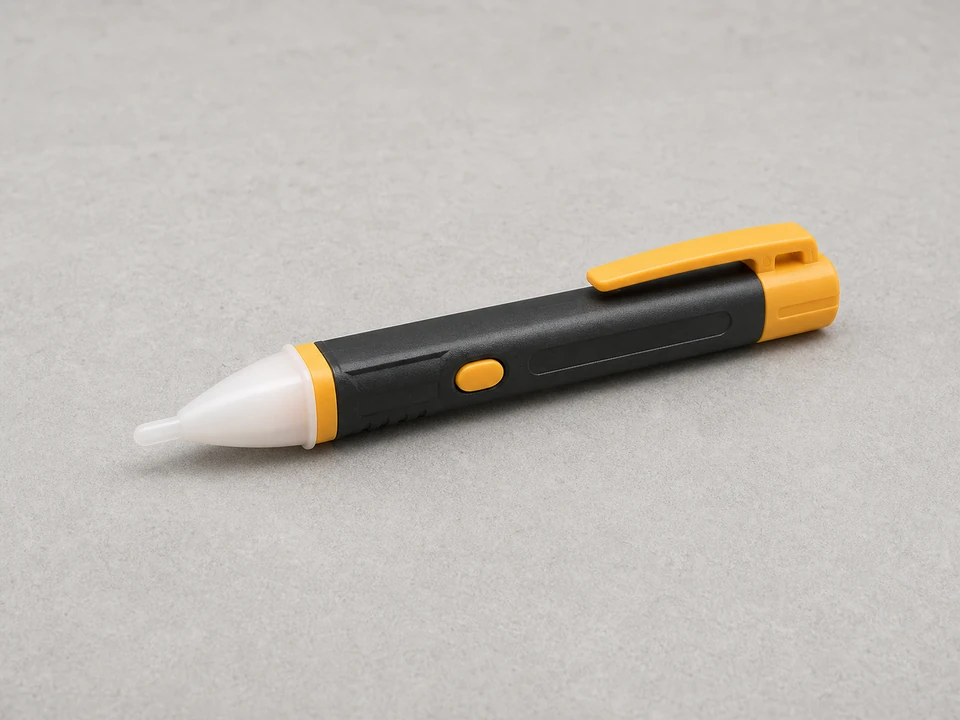
Non contact voltage tester
Use it for: To check that power is off before touching the outlet or wires.
Shop non-contact voltage testersTo replace a 15 amp tamper resistant outlet receptacle, turn off the correct breaker, verify the outlet is dead, move the wires to a matching new receptacle, reinstall it carefully, and test it with a plug-in tester and a real load.
This repair makes sense when the outlet is loose, cracked, scorched, no longer grips plugs well, or has intermittent power at the device itself. If the problem is coming from a tripped GFCI, a dead circuit, or damaged wiring in the box, replacing the receptacle alone will not fix the root cause.
Before you start: Match the device style, amperage, GFCI or AFCI type, and wiring compatibility before ordering.
Use it for: To check that power is off before touching the outlet or wires.
Shop non-contact voltage testers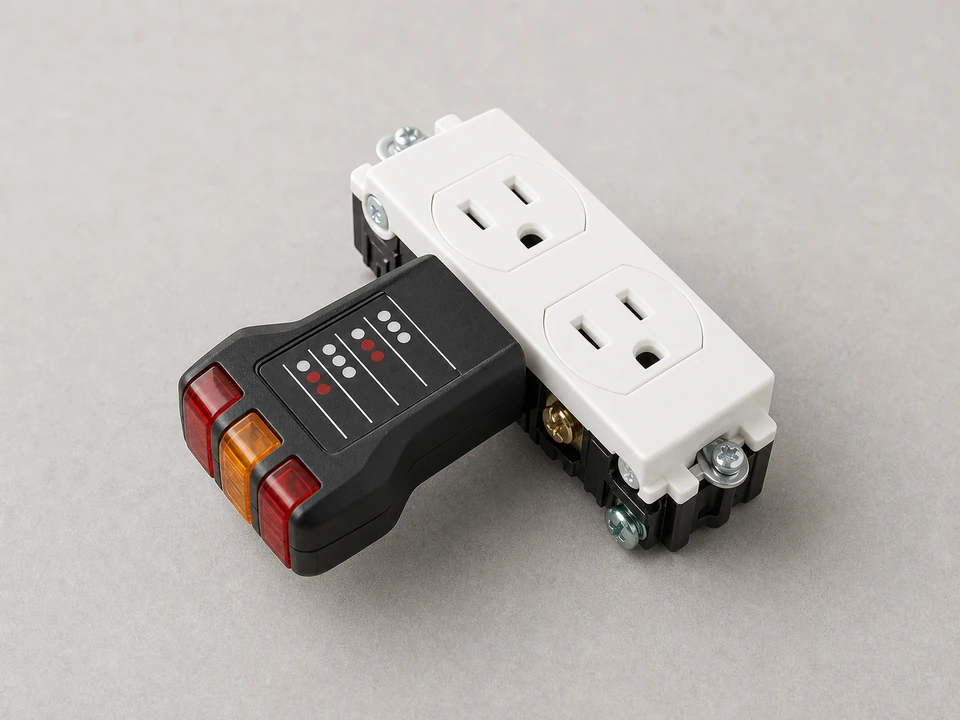
Use it for: To confirm the new receptacle is wired correctly after installation.
Shop plug-in outlet testers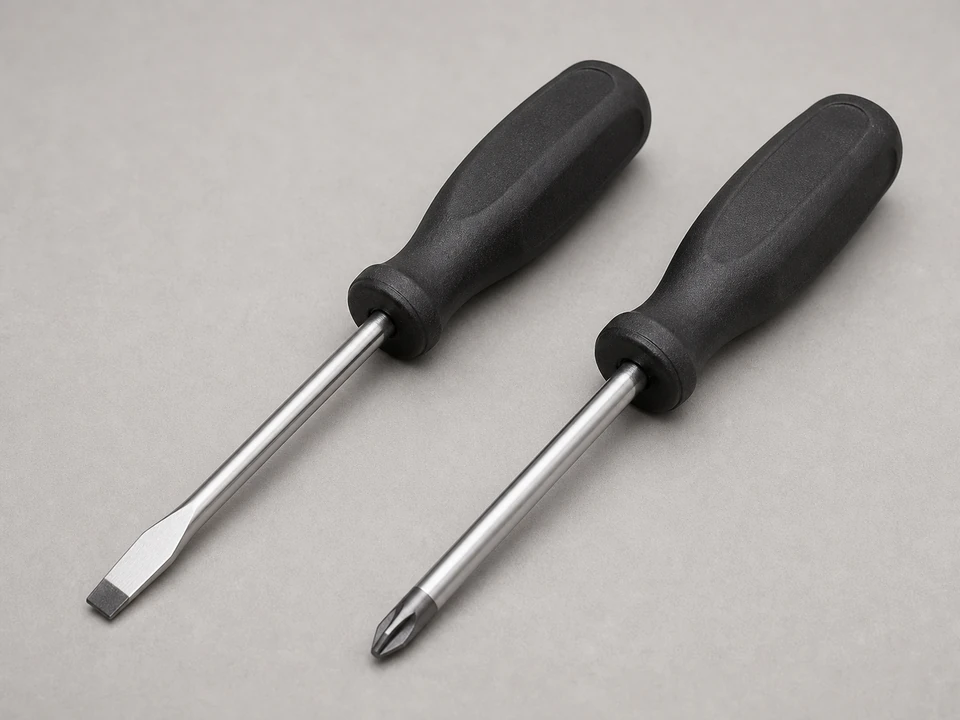
Use it for: To remove the cover plate, device screws, and terminal screws.
Shop screwdriver sets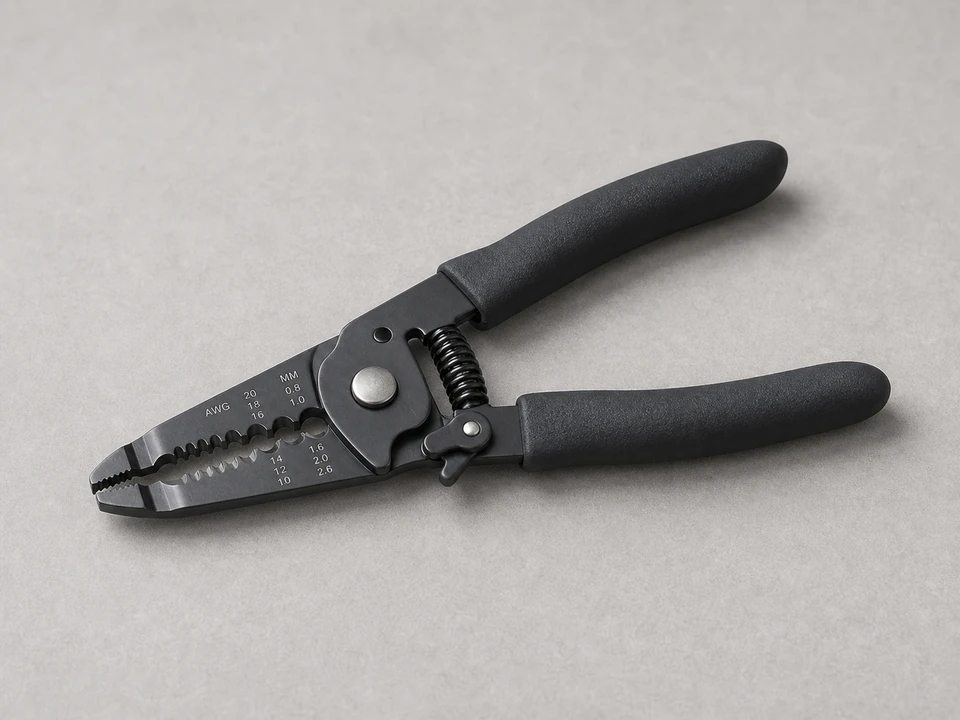
Use it for: To trim and re-strip wire ends if the old copper is nicked or burned.
Shop wire strippers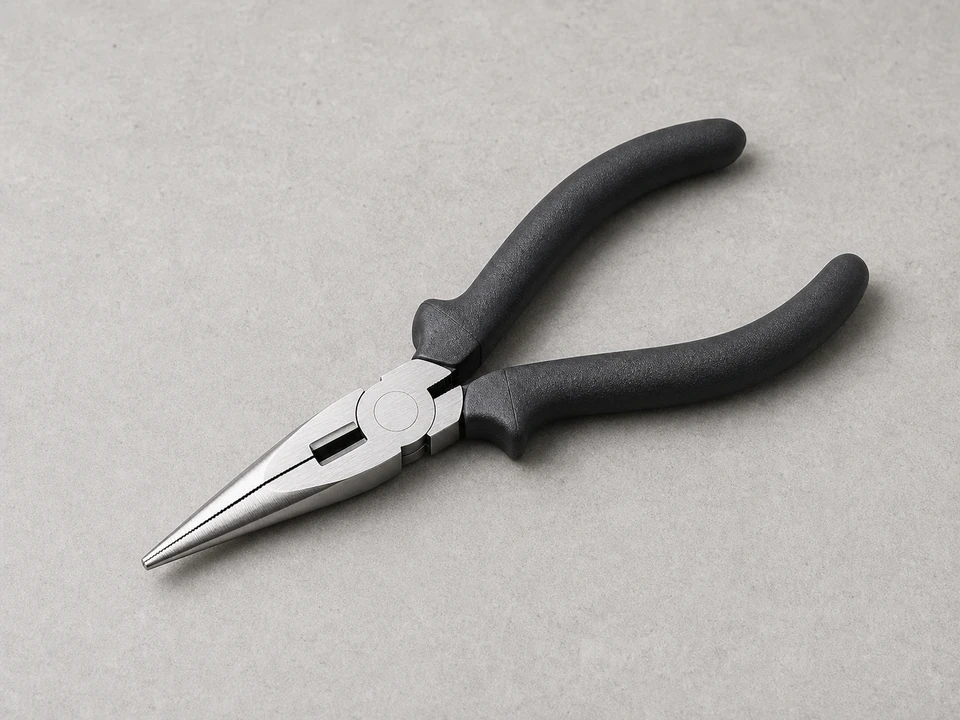
Use it for: To shape wire loops and guide wires back into the box neatly.
Shop needle-nose pliers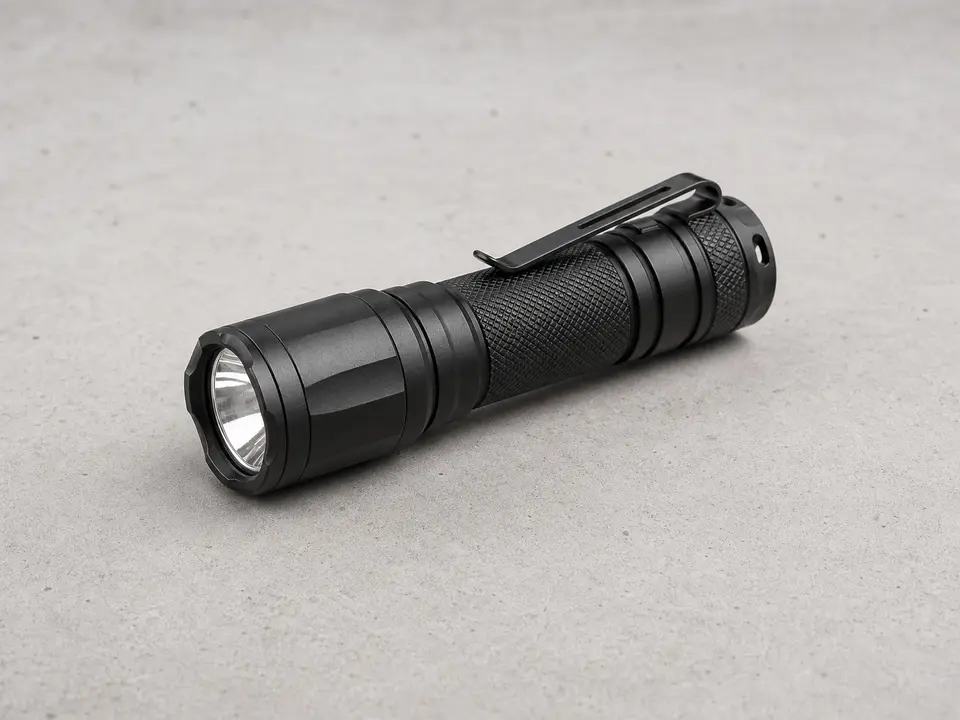
Use it for: To see wire colors, terminal markings, and box condition clearly.
Shop flashlightsAs an Amazon Associate I earn from qualifying purchases. Repair Riot may earn a commission at no extra cost to you.
If it works: You have good reason to replace the receptacle and a matching new device ready to install.
If it doesn’t: If the outlet is dead along with several others, reset any tripped GFCI or breaker first and diagnose the circuit before replacing the receptacle.
If it works: The receptacle is exposed and you have confirmed the power is off before handling the wires.
If it doesn’t: If your tester still shows power, stop and identify the correct breaker before going further.
If it works: The old receptacle is free and you know exactly how the wires were connected.
If it doesn’t: If the wiring does not match the usual hot, neutral, and ground layout, compare it to your photo and the terminal markings on the old device before proceeding.
If it works: All wires are landed on the correct terminals and the connections are tight and orderly.
If it doesn’t: If the wires do not reach comfortably or the box is too crowded to reconnect neatly, pause and correct the wiring condition before reinstalling the device.
If it works: The new receptacle is mounted securely, looks straight, and power has been restored.
If it doesn’t: If the breaker trips right away, turn it back off and recheck for a hot-neutral mix-up, a loose ground touching a hot terminal, or another wiring error.
If it works: The tester shows correct wiring, plugs fit properly, and the outlet works normally under load without heat or arcing.
If it doesn’t: If the tester shows an error or the outlet still acts loose, hot, or intermittent, turn the breaker off and recheck the wiring or have an electrician inspect the box and circuit.
Match the device style, amperage, GFCI or AFCI type, and wiring compatibility before ordering.
As an Amazon Associate I earn from qualifying purchases. Repair Riot may earn a commission at no extra cost to you.
Not always. The replacement should match the circuit and the device you removed. If you are unsure what belongs there, match the existing setup and have the circuit checked before changing device type.
Yes. In many cases that is the better repair. Screw or clamp-style terminals usually hold more securely than old push-in connections.
Take a photo before disconnecting anything and move the wires to the same terminals on the new receptacle. If the tab arrangement or wiring is confusing, stop and verify the setup before reconnecting.
That is normal. Tamper resistant shutters add resistance until both plug blades are inserted evenly, so the outlet often feels stiffer than a worn receptacle.
If the old plate is cracked, warped, or discolored from heat, replace it. A fresh plate also helps the new outlet sit neatly and safely.