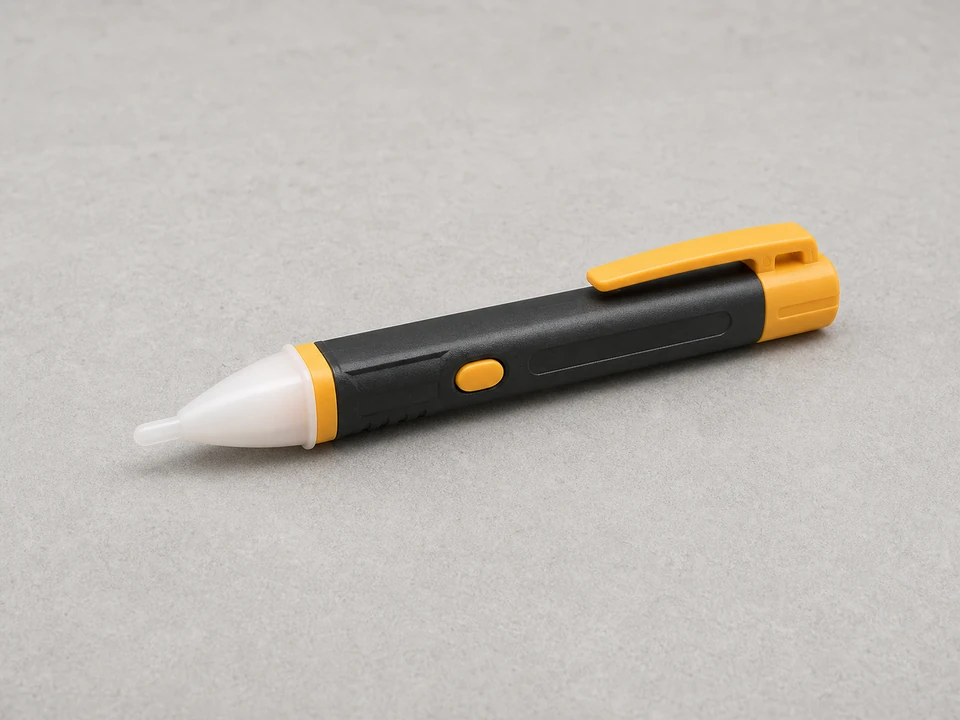
Non contact voltage tester
Use it for: To confirm the outlet and wires are actually de-energized before you touch them.
Shop non-contact voltage testersTo replace a tamper resistant duplex outlet receptacle, turn off the correct breaker, verify the outlet is dead, move the wires to a matching new receptacle one connection at a time, reinstall it, and test both plugs before putting it back into regular use.
This repair makes sense when the outlet is worn, loose, discolored, cracked, or no longer holds plugs well. If the box or wiring shows heat damage, melted insulation, or a burning smell, treat that as a bigger electrical problem instead of a simple outlet swap.
Before you start: Match the device style, amperage, GFCI or AFCI type, and wiring compatibility before ordering.
Use it for: To confirm the outlet and wires are actually de-energized before you touch them.
Shop non-contact voltage testers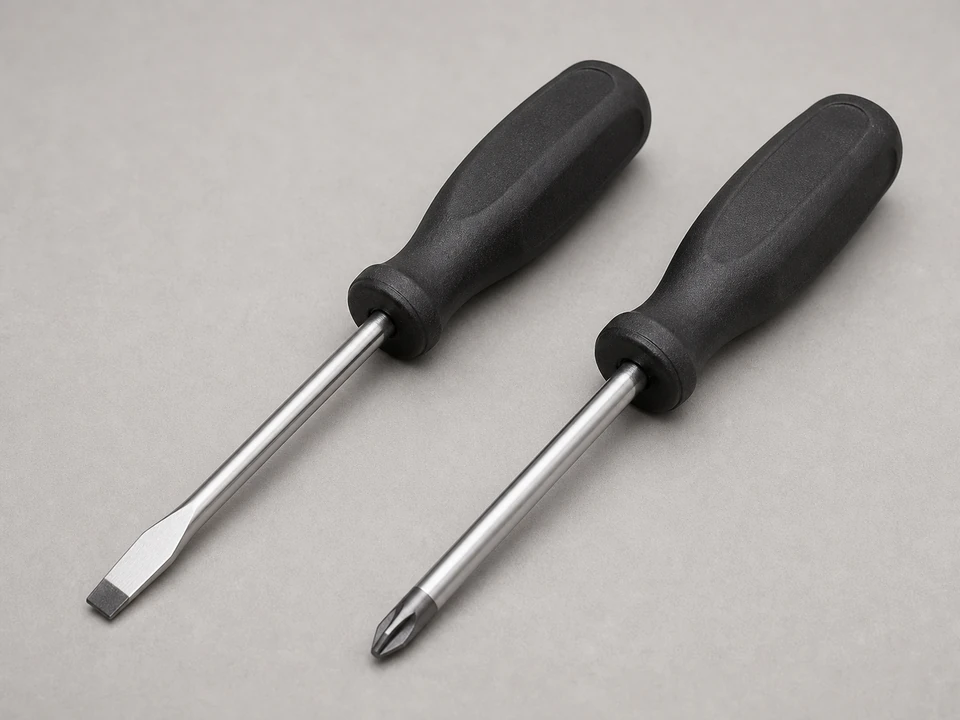
Use it for: To remove the cover plate, loosen terminal screws, and mount the new receptacle.
Shop insulated screwdrivers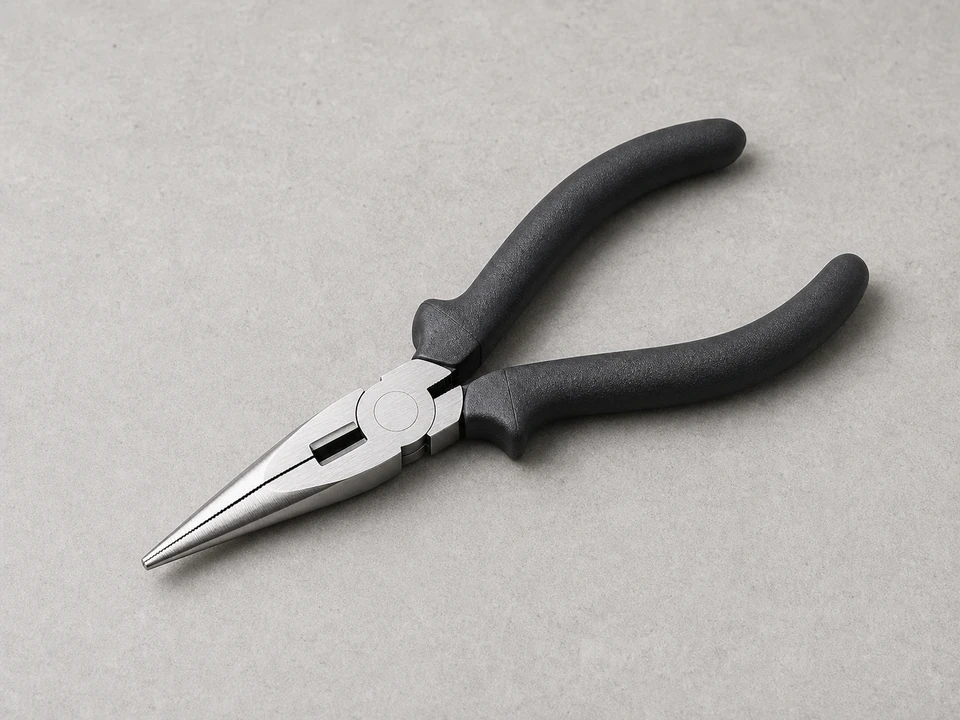
Use it for: To bend wire loops neatly onto terminal screws if needed.
Shop needle-nose pliers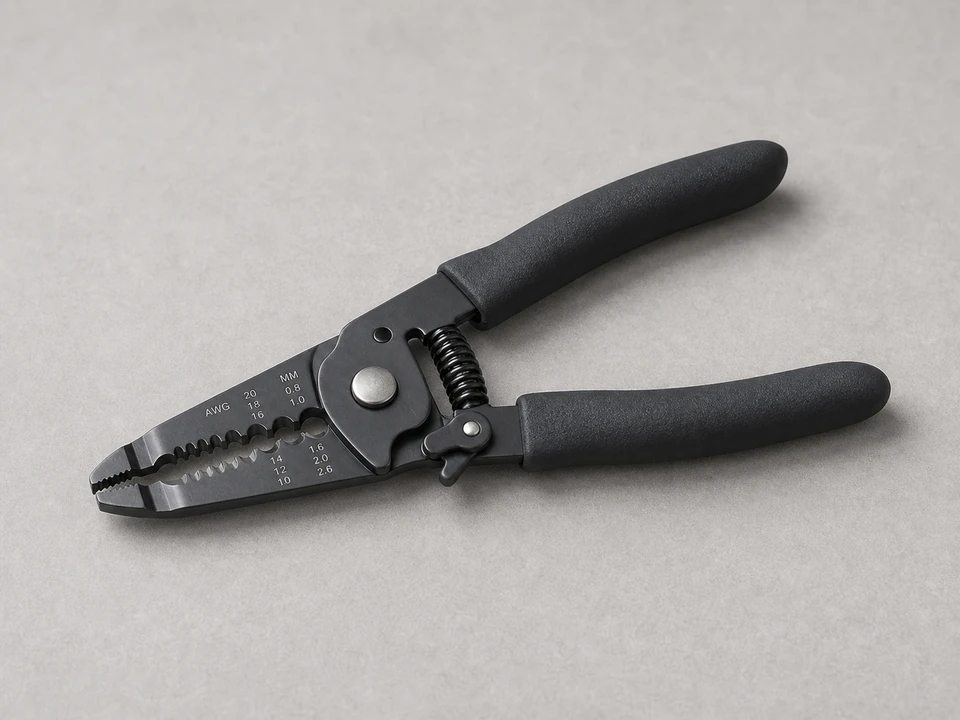
Use it for: To cleanly re-strip a wire end if the old copper is nicked or too short.
Shop wire strippers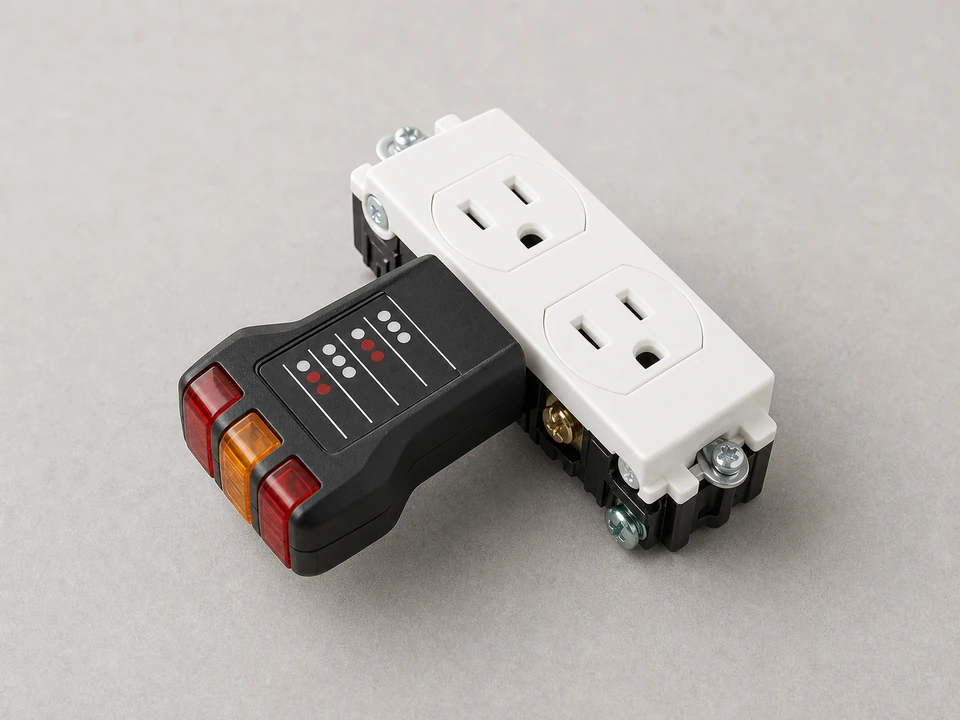
Use it for: To check that the new outlet is wired correctly after installation.
Shop outlet testersAs an Amazon Associate I earn from qualifying purchases. Repair Riot may earn a commission at no extra cost to you.
If it works: You have a matching replacement and the problem appears limited to a bad or worn outlet.
If it doesn’t: If multiple outlets are dead, breakers trip repeatedly, or the problem started after water exposure, troubleshoot the circuit first instead of replacing only the receptacle.
If it works: The receptacle is out far enough to work on, and you have confirmed the power is off.
If it doesn’t: If the tester still shows power, go back to the panel and identify the correct breaker before touching any wiring.
If it works: You know exactly where each wire belongs on the new receptacle.
If it doesn’t: If the wiring does not clearly match standard hot, neutral, and ground locations, compare carefully to your photo and the markings on the old device before moving forward.
If it works: All wires are transferred to matching terminals on the new receptacle and feel tight.
If it doesn’t: If a wire will not tighten securely or is too short to reconnect safely, stop and correct the wiring issue before installing the outlet.
If it works: The new outlet is mounted securely, sits straight, and power is back on.
If it doesn’t: If the receptacle rocks, will not sit flush, or the cover plate will not fit, pull it back out and refold the wires more neatly.
If it works: Both receptacles work, hold plugs properly, and stay cool during normal use.
If it doesn’t: If the tester shows an open ground, reversed polarity, or another wiring fault, turn the breaker back off and correct the wire placement before using the outlet.
Match the device style, amperage, GFCI or AFCI type, and wiring compatibility before ordering.
As an Amazon Associate I earn from qualifying purchases. Repair Riot may earn a commission at no extra cost to you.
It means the outlet has internal shutters that open only when equal pressure is applied to both slots, which helps block foreign objects from being inserted.
Match the existing device type and rating. If the outlet was installed as tamper resistant, replacing it with the same style is the safest and simplest path.
That is normal. The internal shutters and fresh contact tension make new outlets feel stiffer than worn ones, especially the first few times you plug something in.
For a replacement, side screws or approved back-wire clamp terminals are usually the better choice because they make a more secure connection than basic push-in backstab holes.
Stop using it and turn the breaker off. Warmth after replacement can point to a loose connection, overloaded circuit, or damaged wiring in the box or upstream.