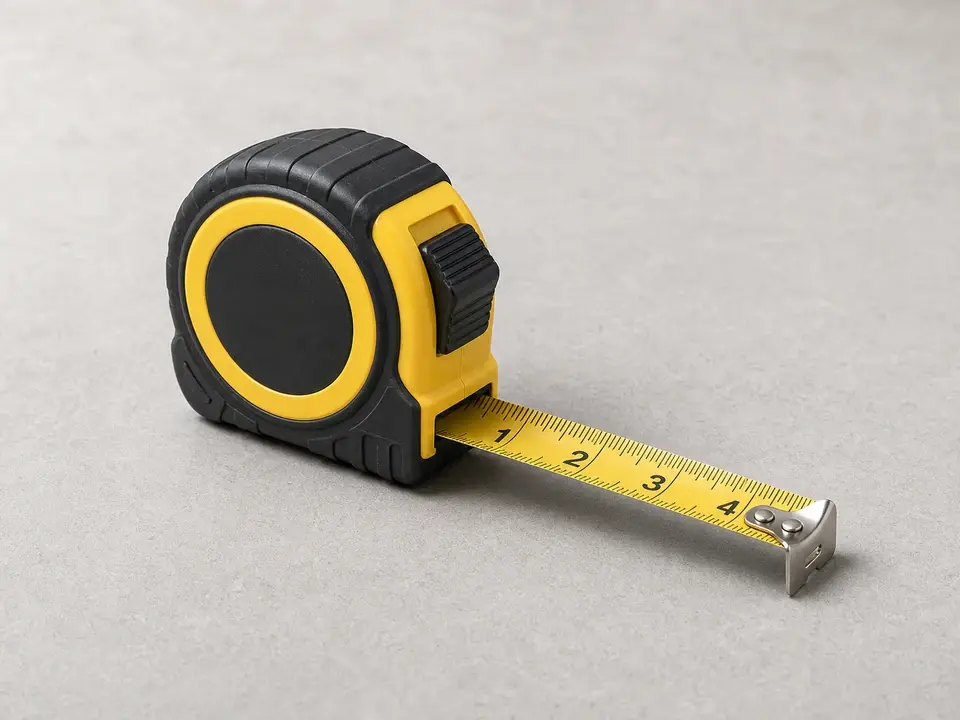
Tape measure
Use it for: To measure the old wrap and lay out the new piece accurately.
Shop tape measuresTo replace aluminum trim coil, confirm the metal wrap is bent, torn, loose, or missing, then remove the damaged section, measure carefully, cut and bend a matching piece, fasten it without overdriving, and seal any exposed joints that were previously sealed.
This is a practical repair for wrapped window trim, door trim, fascia edges, and other exterior wood trim covered with aluminum. The goal is to shed water cleanly and leave the trim looking straight, tight, and secure.
Before you start: Match the replacement part to your exact siding flashing before ordering.
Use it for: To measure the old wrap and lay out the new piece accurately.
Shop tape measures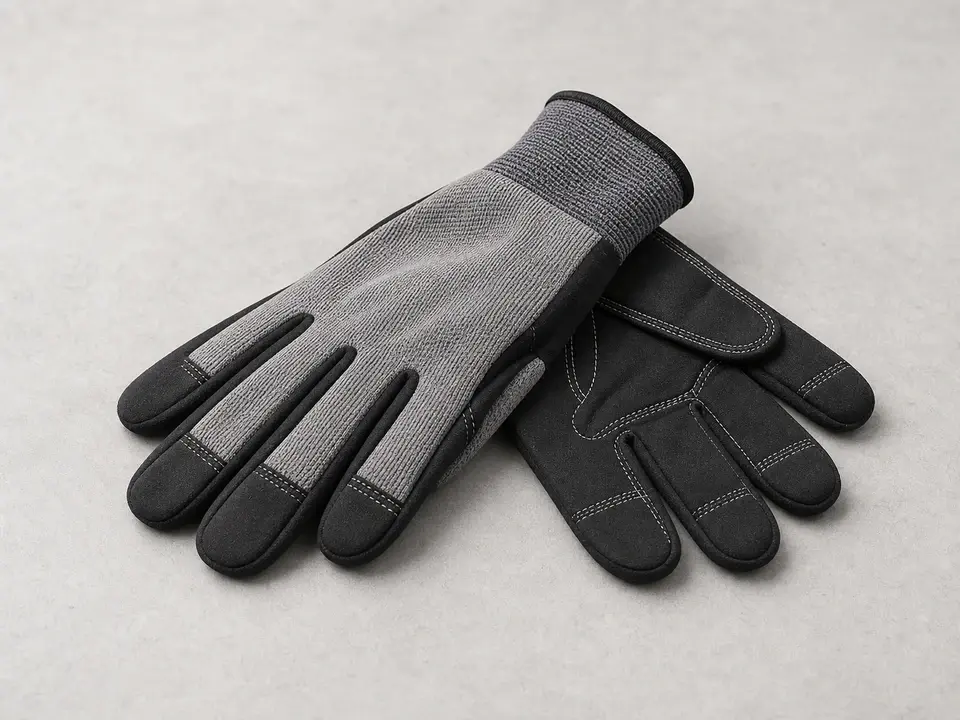
Use it for: To protect your hands from sharp aluminum edges.
Shop work gloves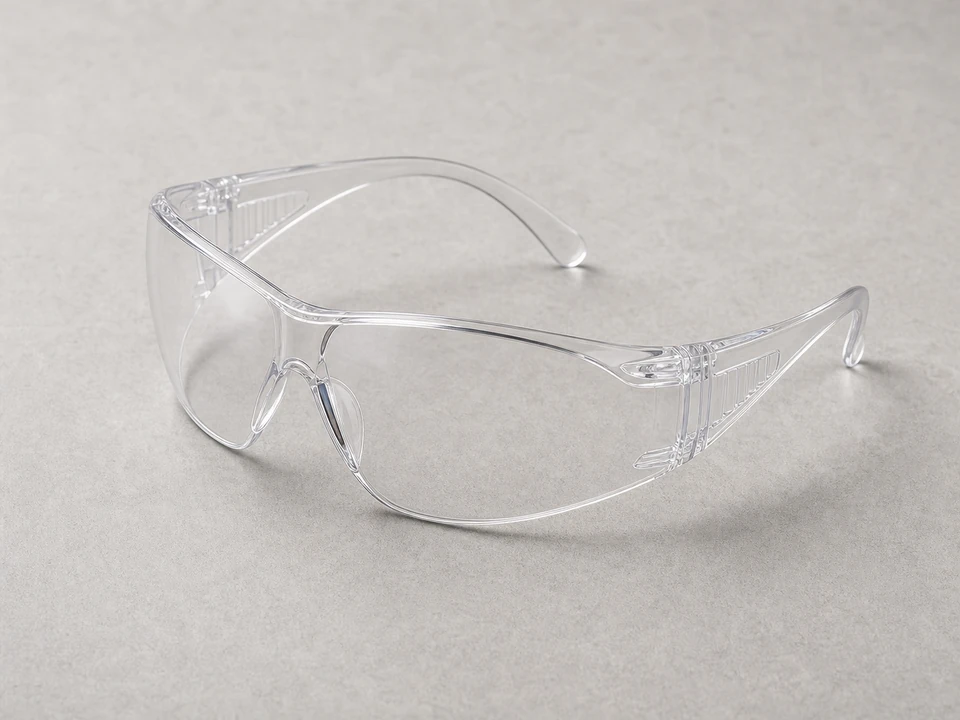
Use it for: To protect your eyes while prying, cutting, and fastening metal.
Shop safety glasses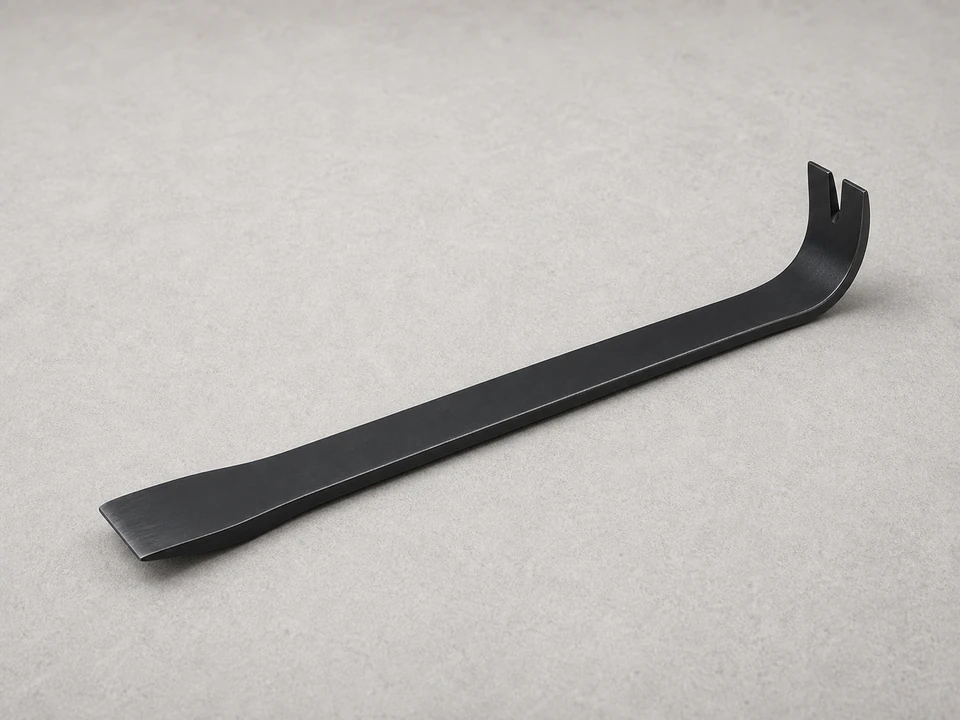
Use it for: To lift trim edges and remove fasteners without tearing up surrounding material.
Shop flat pry bars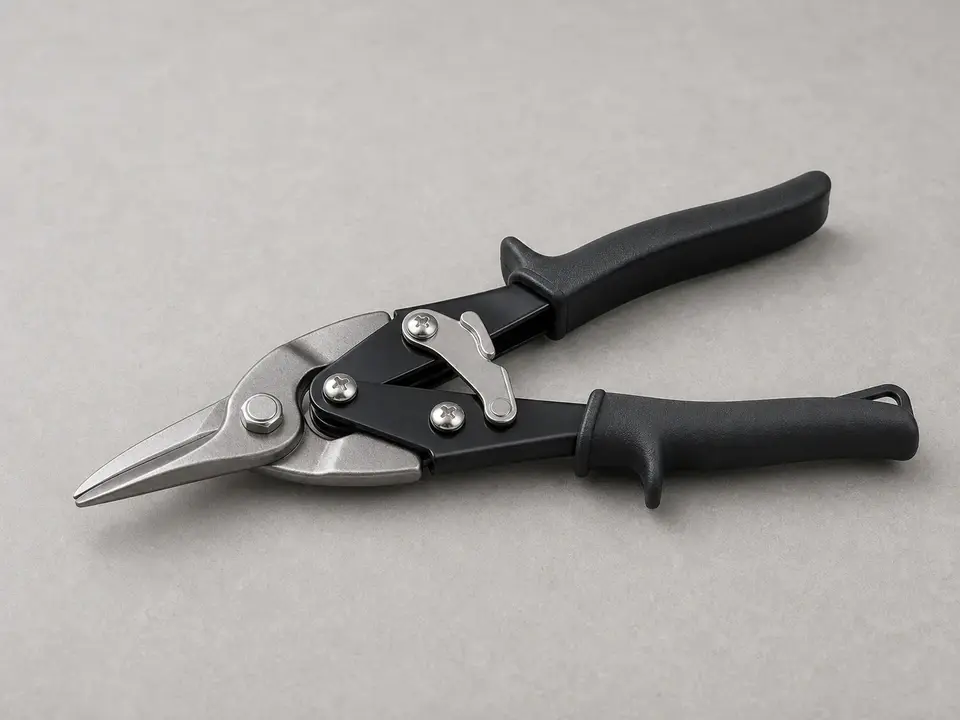
Use it for: To cut aluminum trim coil cleanly to size.
Shop aviation snips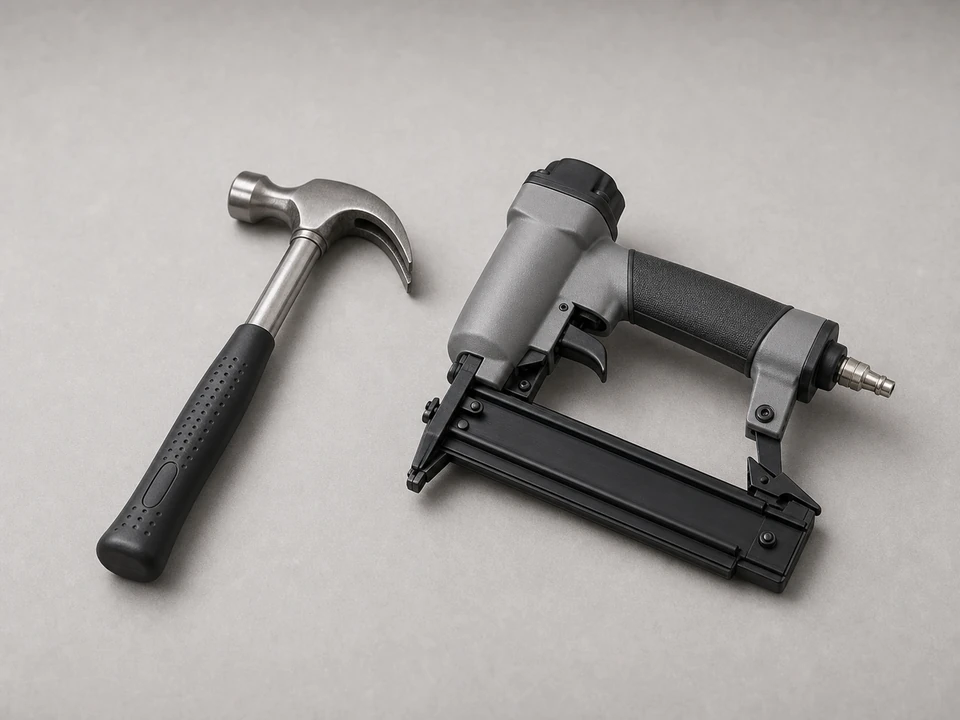
Use it for: To fasten the new wrap with trim nails where needed.
Shop trim fastening tools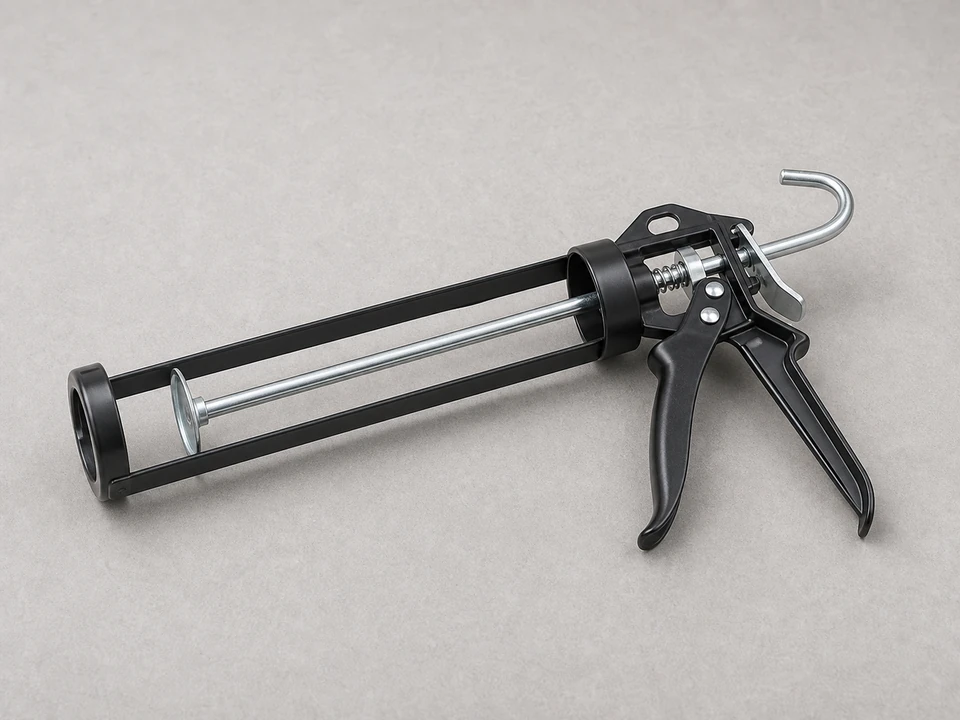
Use it for: To apply exterior sealant at joints that need to stay weather-tight.
Shop caulk gunsAs an Amazon Associate I earn from qualifying purchases. Repair Riot may earn a commission at no extra cost to you.
If it works: You have confirmed the aluminum wrap is the failed part and the surrounding trim is stable enough for a replacement piece.
If it doesn’t: If the metal looks fine but the board underneath is soft, swollen, or pulling away, fix the wood or water-entry problem first.
If it works: The damaged aluminum trim coil section is off, and the surrounding trim and siding are still intact.
If it doesn’t: If the old piece tears apart during removal, use the exposed trim dimensions and visible fold lines to build your measurements.
If it works: You have a replacement piece cut and shaped to cover the trim cleanly with matching bends and overlap.
If it doesn’t: If the piece seems short or the bends do not line up, recut a new section now instead of trying to stretch or force the metal during installation.
If it works: The new aluminum trim coil is secured, aligned, and sitting flat without obvious gaps or distortion.
If it doesn’t: If the metal buckles or pulls out of line, remove the last fastener, relax the piece, and refit it before continuing.
If it works: The repair is weather-tight, clean, and free of loose debris or sharp edges.
If it doesn’t: If a seam still looks open, add or smooth sealant before it skins over.
If it works: The new aluminum trim coil stays secure, looks clean, and keeps water moving away from the trim as intended.
If it doesn’t: If the piece loosens, leaks, or rattles, remove and refit the section before water gets behind the trim.
Match the replacement part to your exact siding flashing before ordering.
As an Amazon Associate I earn from qualifying purchases. Repair Riot may earn a commission at no extra cost to you.
A small cosmetic dent can sometimes be left alone, but torn, loose, or badly bent wrap is usually better replaced. Patches often look rough and can leave places for water to get behind the trim.
Only if the wood is soft, swollen, split, or no longer holds fasteners. If the wood is solid and dry, you can usually replace just the aluminum wrap.
Measure the trim board directly and study nearby matching trim for the bend layout. Take your time with the face width, returns, and overlap so the new piece sheds water like the original.
No. Seal the joints that were meant to be sealed, but do not smear caulk everywhere. Random caulking can trap water or make future repairs harder.
Match the color as closely as you can and make sure the coil is suitable for exterior trim wrapping. The width and thickness need to work for the bends and coverage your trim requires.