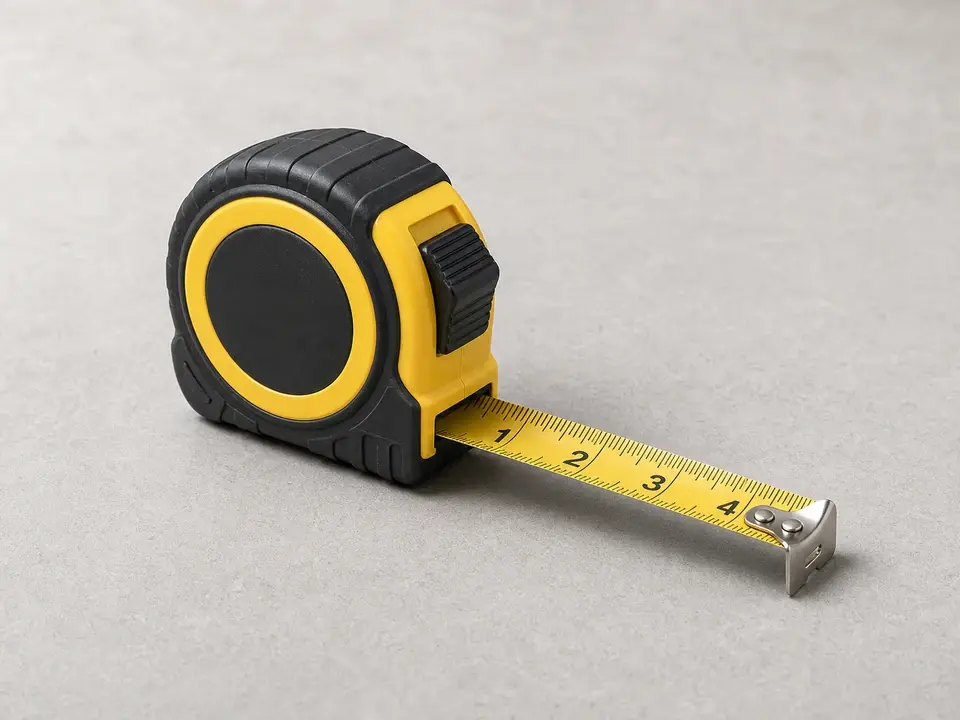
Tape measure
Use it for: To measure the old trim and mark the new coil accurately.
Shop tape measuresTo replace door trim coil, remove the damaged coil without tearing up the wall behind it, measure and bend a matching new piece, fasten it neatly, and make sure it overlaps and sheds water away from the door.
This repair is usually worth doing when the existing trim coil is bent, split, loose, badly oxidized, or letting water get behind the trim. Work carefully around siding, caulk lines, and any sharp metal edges so the new piece fits cleanly and protects the opening.
Before you start: Match the replacement part to your exact siding flashing before ordering.
Use it for: To measure the old trim and mark the new coil accurately.
Shop tape measures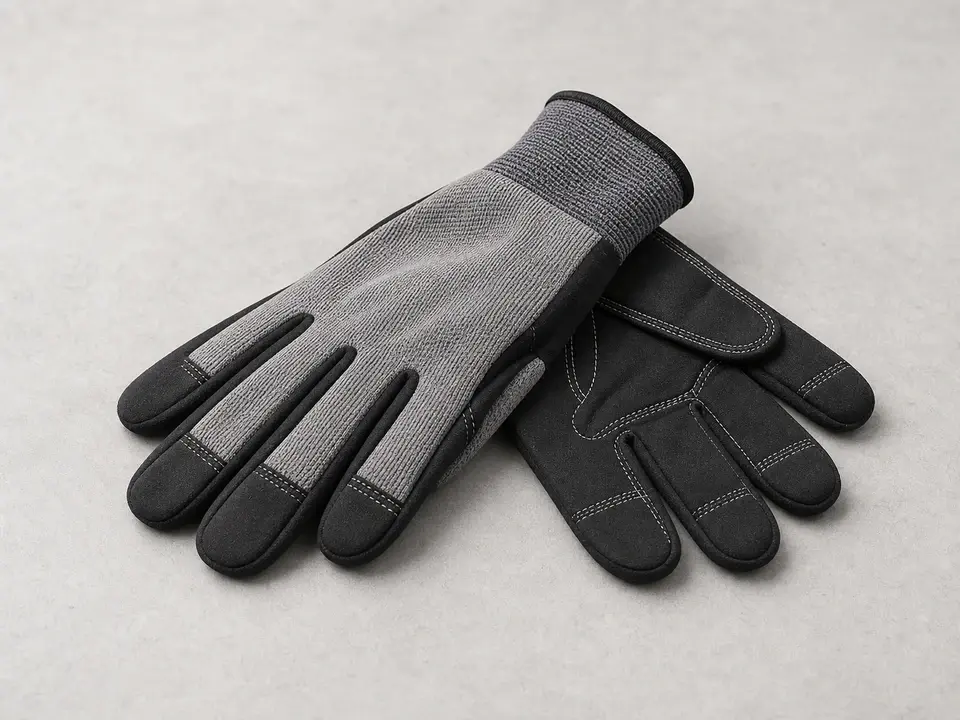
Use it for: To protect your hands from sharp sheet-metal edges.
Shop work gloves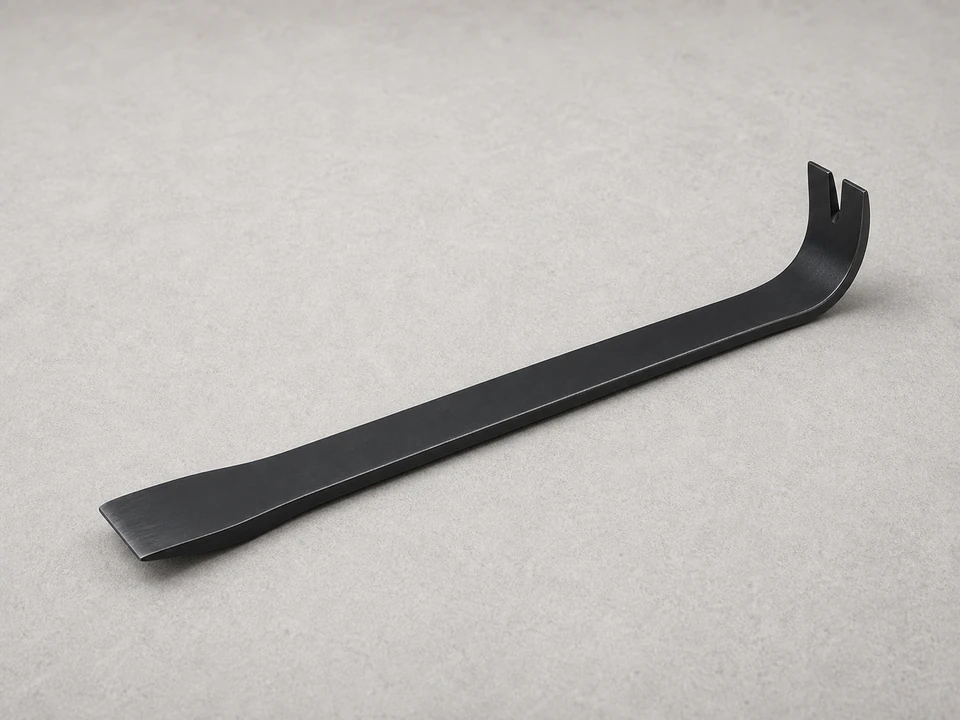
Use it for: To lift trim edges or loosen fasteners without tearing surrounding material.
Shop flat pry bars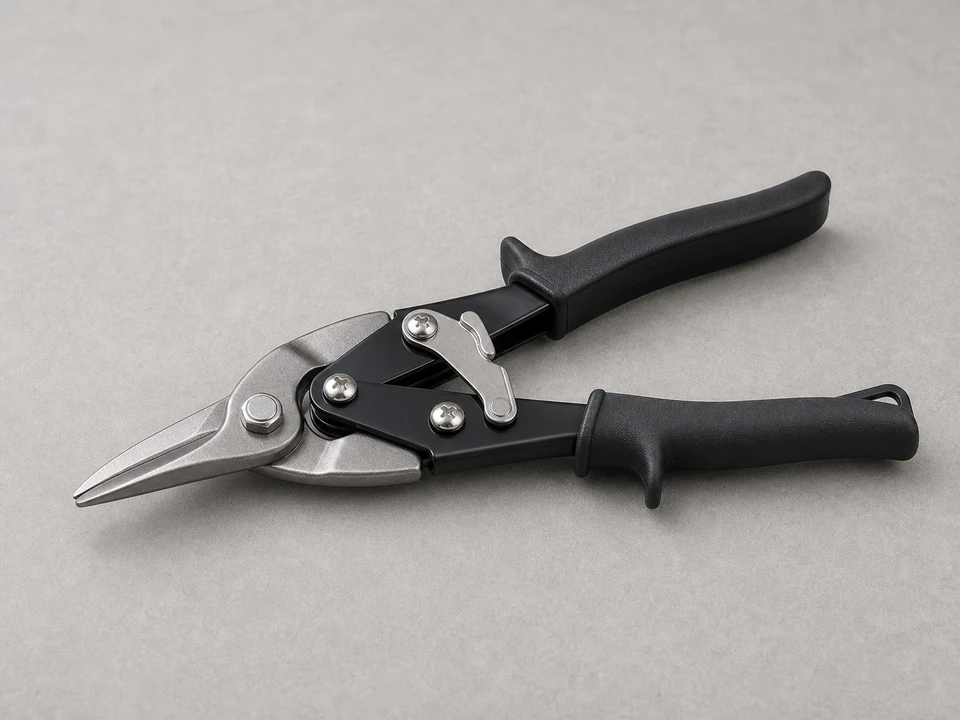
Use it for: To cut the new trim coil to length and shape.
Shop tin snips
Use it for: To bend the new coil so it matches the original profile.
Shop hand seamers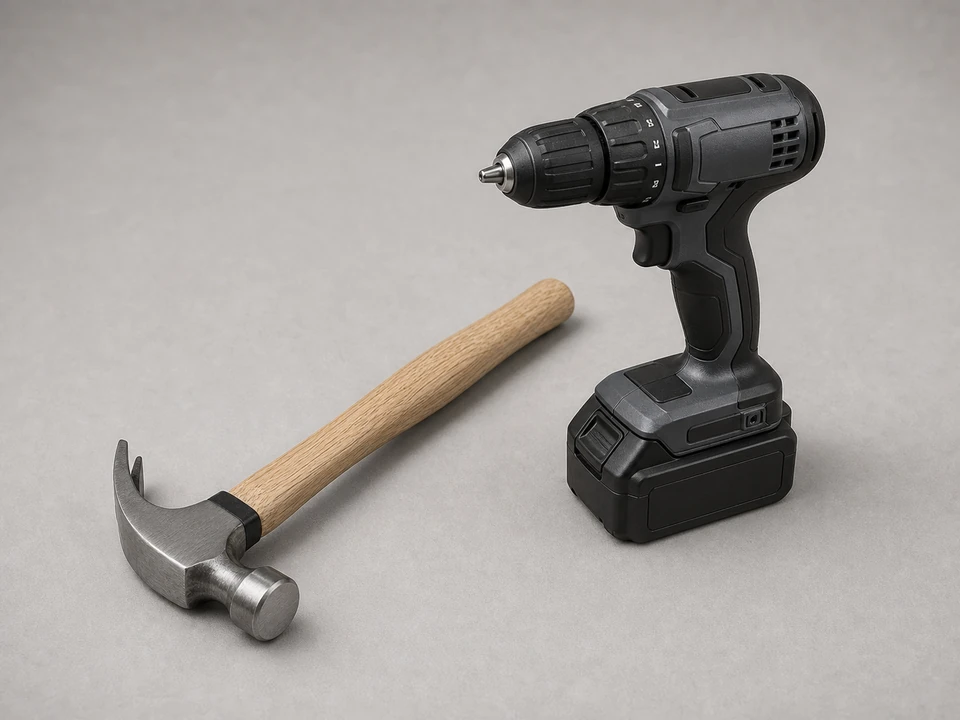
Use it for: To remove and reinstall fasteners, depending on how the old trim was attached.
Shop drill drivers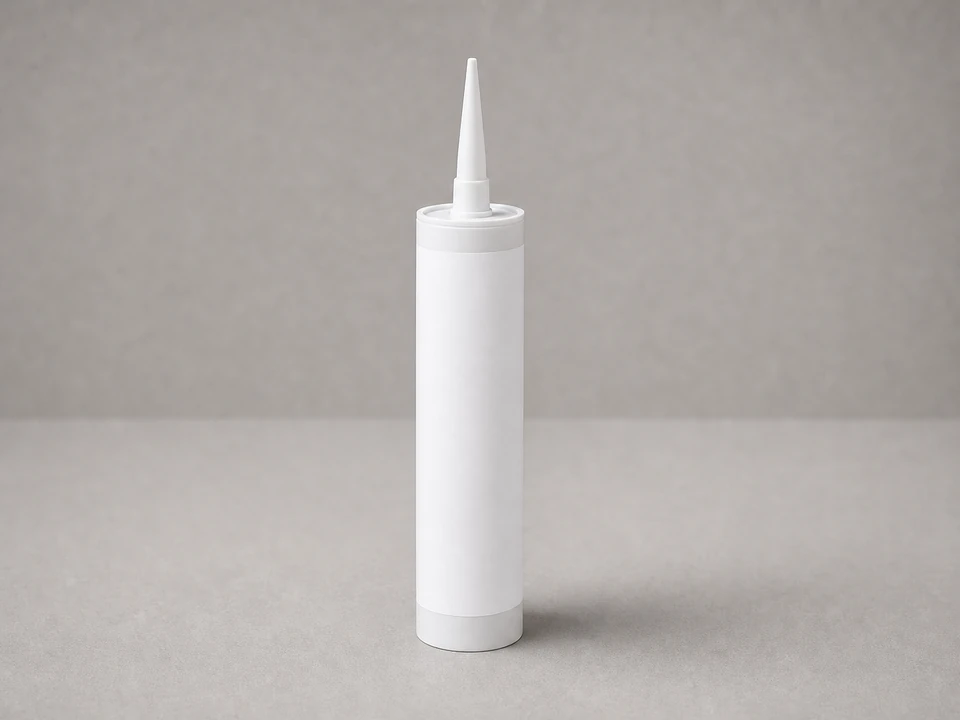
Use it for: To seal small joints where the original installation relied on caulk.
Shop exterior sealantAs an Amazon Associate I earn from qualifying purchases. Repair Riot may earn a commission at no extra cost to you.
If it works: You have a clear damaged trim-coil section to replace and the surrounding wall appears solid enough for a straightforward repair.
If it doesn’t: If the trim coil looks intact, trace the leak higher up for failed flashing, siding joints, or caulk gaps before replacing this part.
If it works: The damaged trim coil is off, and the surrounding trim and siding are still in usable shape.
If it doesn’t: If the old piece comes off in pieces, measure the opening directly and compare both sides so the new coil still matches the door trim layout.
If it works: The new coil is cut to the right size and ready to be bent to match the original trim shape.
If it doesn’t: If the piece seems short or the marks do not match the old profile, recut a new section before bending so you do not force a bad fit.
If it works: The new trim coil fits the opening cleanly and follows the original shape without forcing it into place.
If it doesn’t: If the fit is wavy or leaves large gaps, rebend or remake the piece now; fastening a poor fit usually makes the finished repair look worse and leak sooner.
If it works: The new door trim coil is secure, straight, and finished with clean edges and minimal visible sealant.
If it doesn’t: If the coil shifts, puckers, or will not sit flat, back out the fasteners and correct the bend or trim before continuing.
If it works: The new trim coil stays in place, sheds water properly, and the area around the door remains dry after testing and normal weather.
If it doesn’t: If water still shows up, inspect the head flashing, siding joints, and trim above the door because the leak source is likely higher than the coil you replaced.
Match the replacement part to your exact siding flashing before ordering.
As an Amazon Associate I earn from qualifying purchases. Repair Riot may earn a commission at no extra cost to you.
Yes, if the rest of the trim coil is sound and the new piece can overlap cleanly and still shed water. If several sections are bent, loose, or mismatched, replacing all visible coil around the door usually looks better.
A brake makes cleaner bends, but a hand seamer can handle small repairs or simple profiles. The key is matching the original shape closely enough that the new piece sits flat and overlaps correctly.
No. Use sealant only where the original detail relied on it, such as small joints or cut ends. Good fit and proper overlap matter more than covering everything with caulk.
Stop and repair the damaged trim or sheathing first. New trim coil cannot solve hidden rot, and fasteners will not hold well in soft material.
Match the color, finish, width, and bend needs of the existing trim wrap. It also needs to work with the siding and flashing already around the door so the finished piece fits and sheds water properly.