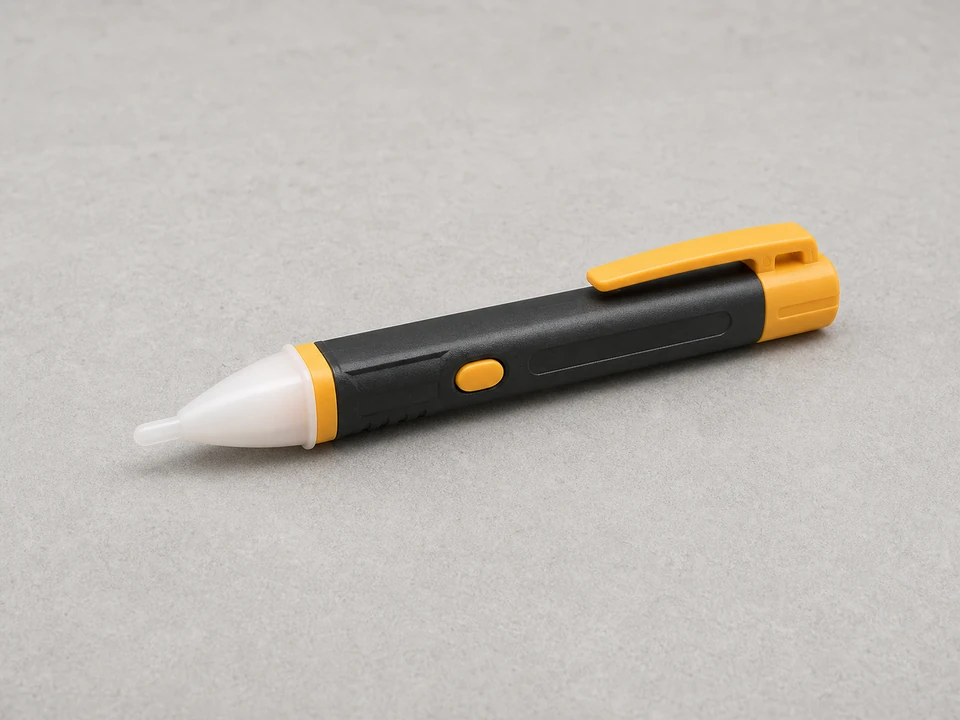
Non contact voltage tester
Use it for: To confirm the outlet and wires are actually de-energized before you touch them.
Shop non-contact voltage testersIf your bathroom outlet will not reset, trips under normal use, or shows signs of internal failure, replacing the bathroom GFCI receptacle is often the right repair.
This job is manageable for a careful homeowner if the box and wiring are in good shape and you can positively shut off power. The key is moving each wire to the correct terminal on the new device and testing the GFCI before regular use.
Before you start: Match the device style, amperage, GFCI or AFCI type, and wiring compatibility before ordering.
Use it for: To confirm the outlet and wires are actually de-energized before you touch them.
Shop non-contact voltage testers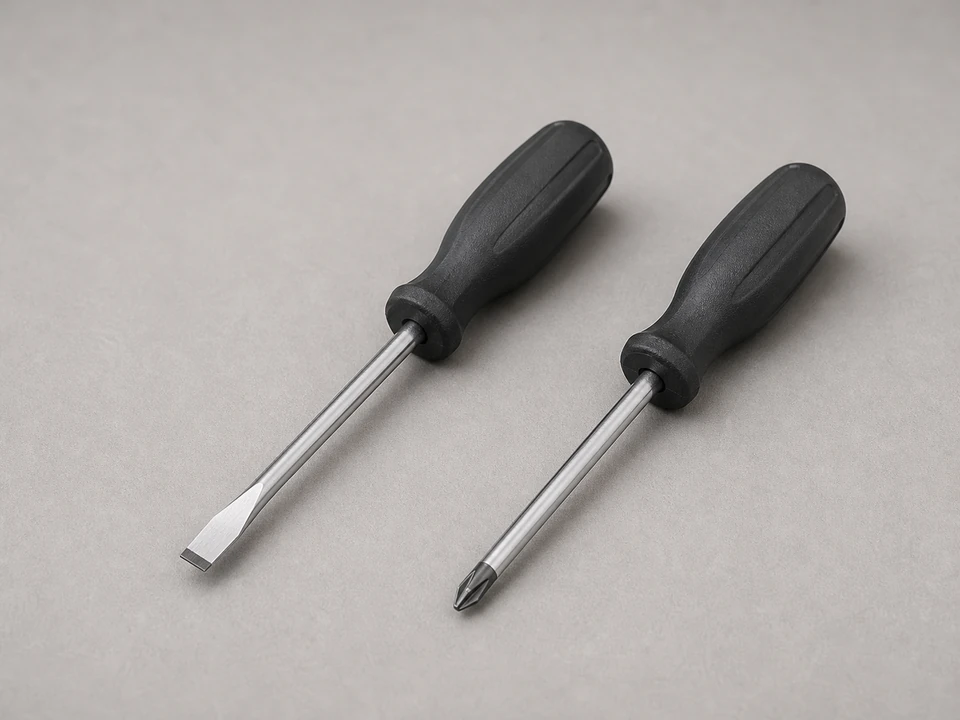
Use it for: To remove the cover plate, device screws, and terminal screws.
Shop screwdrivers for outlet work
Use it for: To bend wire loops neatly and help move conductors onto the new receptacle.
Shop needle-nose pliers
Use it for: To clean up damaged wire ends if you need to re-strip a conductor.
Shop wire strippers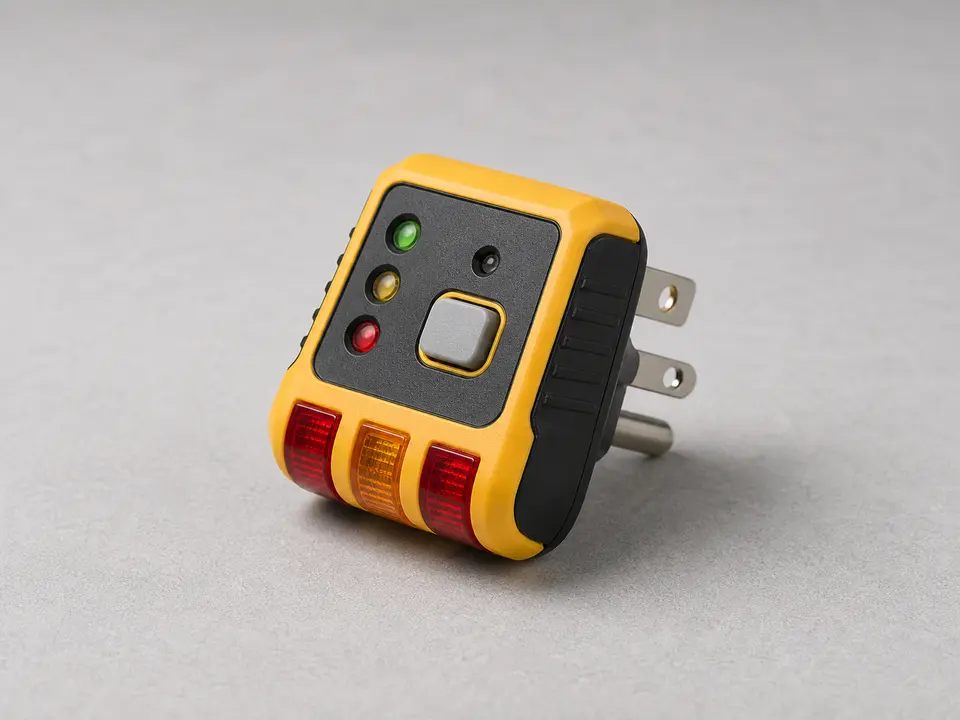
Use it for: To check that the new receptacle powers up and trips properly after installation.
Shop GFCI outlet testersAs an Amazon Associate I earn from qualifying purchases. Repair Riot may earn a commission at no extra cost to you.
If it works: You have good reason to replace the bathroom GFCI receptacle because it will not reset properly, will not hold under normal use, or shows physical failure.
If it doesn’t: If the outlet works normally and only trips with one appliance, the appliance or a moisture issue may be the real problem.
If it works: The receptacle is out of the box far enough to inspect, and you have confirmed the wiring is de-energized.
If it doesn’t: If your tester still shows power, go back to the panel and identify the correct breaker before touching the wires.
If it works: You know which wires are line and load, and the conductors are ready to land on the new receptacle.
If it doesn’t: If you cannot confidently tell line from load, use your photo and the old device markings. If that still does not clear it up, get an electrician to identify the feed safely.
If it works: The new GFCI is mounted neatly, with line, load, neutral, hot, and ground connected in the correct places.
If it doesn’t: If the wires feel cramped or keep pushing the device crooked, pull it back out and refold the conductors more neatly before tightening everything down.
If it works: The new receptacle powers up, trips when tested, and resets normally.
If it doesn’t: If the receptacle has no power or will not reset, turn the breaker back off and recheck line versus load placement and all terminal connections.
If it works: The bathroom GFCI receptacle works normally, holds a real load, and still trips and resets as designed.
If it doesn’t: If it still trips with normal loads, there may be moisture, a wiring fault downstream, or another outlet on the protected circuit causing the problem.
Match the device style, amperage, GFCI or AFCI type, and wiring compatibility before ordering.
As an Amazon Associate I earn from qualifying purchases. Repair Riot may earn a commission at no extra cost to you.
Common signs are a reset button that will not stay in, no power at the outlet even with the breaker on, repeated tripping under normal dry use, loose plug fit, or visible heat damage.
If the location is using a GFCI receptacle for shock protection, replacing it with a standard outlet removes that protection. Replace it with the same type unless a qualified electrician has redesigned the circuit protection another way.
The receptacle may not reset, may not provide power correctly, or may not protect downstream outlets the way it should. That is why identifying the incoming feed before moving wires matters so much.
Immediate tripping usually points to miswired line and load connections, a ground or neutral problem, moisture, or a fault on a downstream outlet or device connected to the load side.
It is very helpful. The built-in TEST and RESET buttons are the first check, and a plug-in tester gives you a quick second check that the receptacle is powering and tripping as expected.