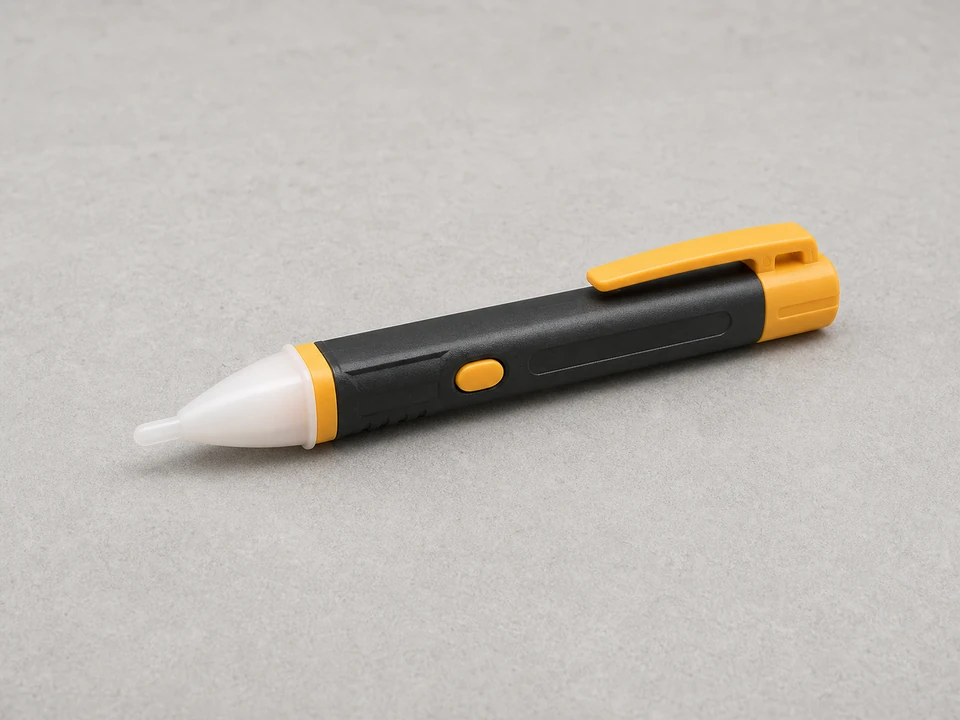
Non contact voltage tester
Use it for: To confirm the receptacle and box are de-energized before you touch any wires.
Shop non-contact voltage testersIf the bathroom outlet will not reset, trips for no clear reason, or has failed internally, replacing the weather resistant bathroom GFCI receptacle is often the right fix.
This job is manageable for a careful homeowner if you can shut off the correct breaker, verify the power is off, and move each wire to the matching terminal on the new device. The key is keeping the LINE and LOAD wires straight and testing the new GFCI before regular use.
Before you start: Match the amperage, face style, WR marking, and LINE/LOAD wiring layout before ordering. If the old device protects other outlets, the replacement must support that same wiring setup.
Use it for: To confirm the receptacle and box are de-energized before you touch any wires.
Shop non-contact voltage testers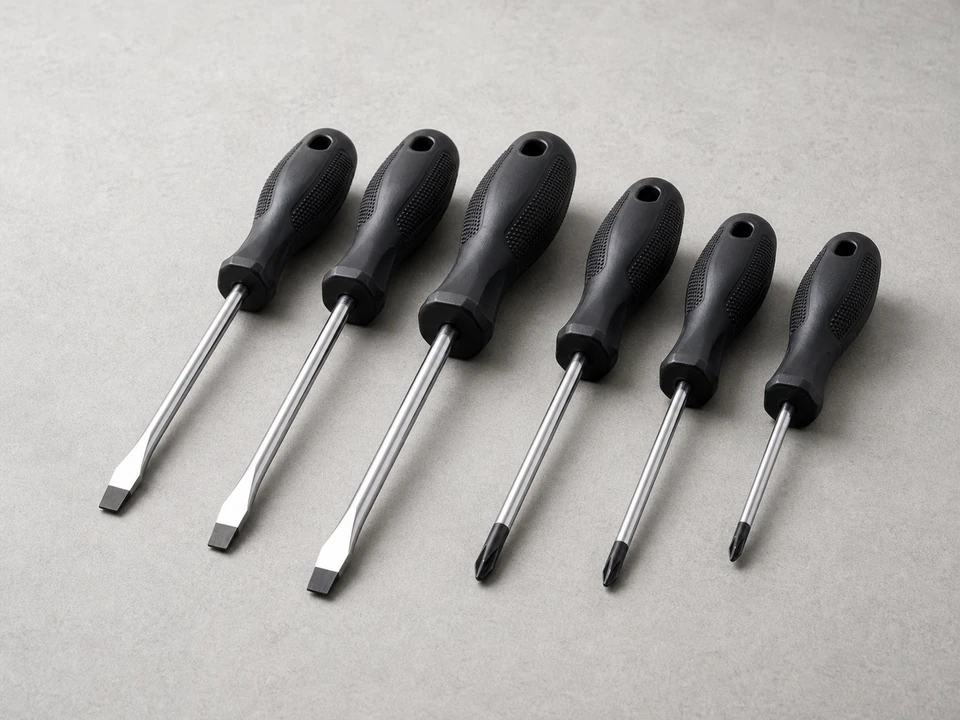
Use it for: To remove the cover plate, device screws, and terminal screws.
Shop insulated screwdriver sets
Use it for: To straighten, bend, and guide wires onto the new terminals.
Shop needle-nose pliers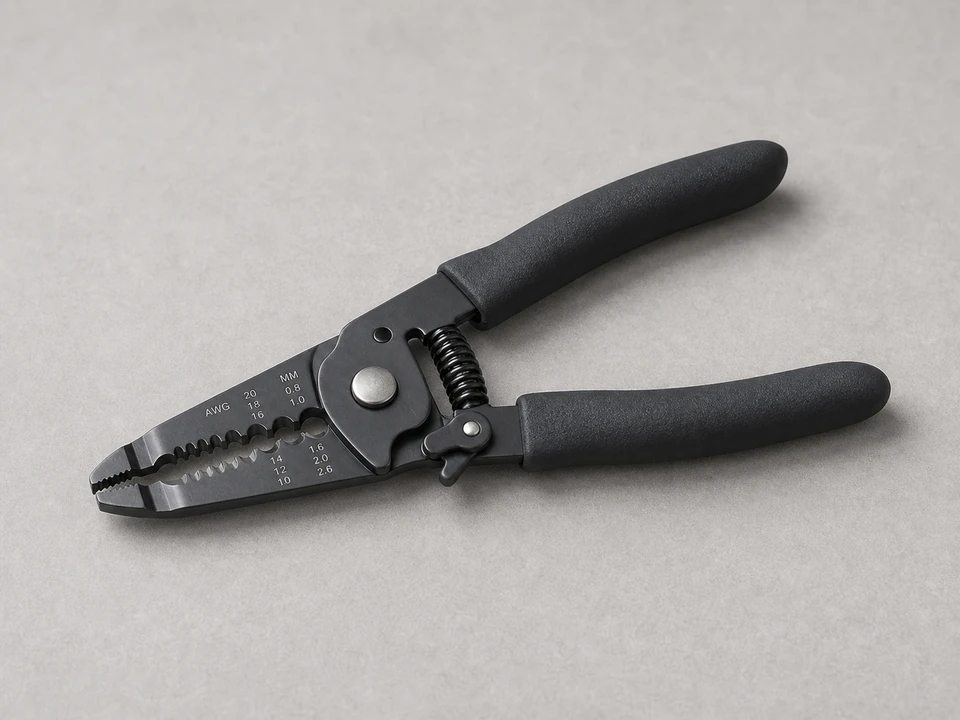
Use it for: To clean up damaged wire ends if you need to re-strip conductors.
Shop wire strippers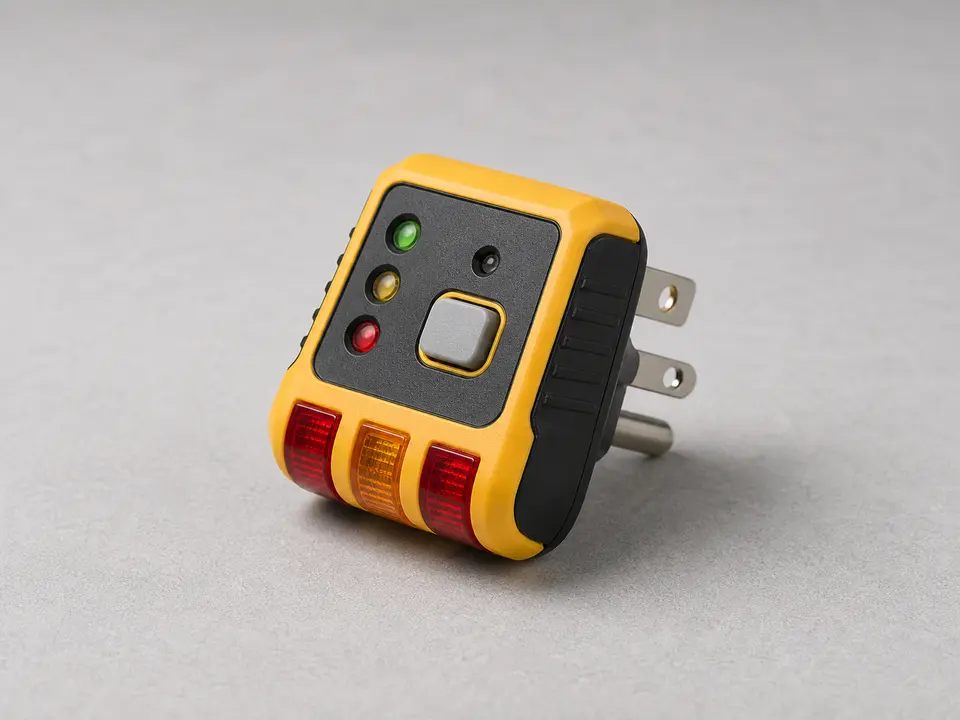
Use it for: To verify the new receptacle powers up and trips and resets properly.
Shop plug-in GFCI testersAs an Amazon Associate I earn from qualifying purchases. Repair Riot may earn a commission at no extra cost to you.
If it works: You have good reason to believe the receptacle itself has failed or is no longer operating reliably.
If it doesn’t: If resetting another GFCI or breaker restores normal operation, use the outlet and monitor it before replacing this device.
If it works: The receptacle is exposed, documented, and confirmed de-energized.
If it doesn’t: If your tester still shows power, go back to the panel and find the correct breaker before touching the wiring.
If it works: All wires are identified and ready to move to the new receptacle without guessing.
If it doesn’t: If the old device is not marked clearly and you cannot tell LINE from LOAD, stop and get help before reconnecting anything.
If it works: The new receptacle is wired with LINE, LOAD, and ground connections in the correct places.
If it doesn’t: If the wires do not reach cleanly or the terminal layout is confusing, compare your photo and labels before going further.
If it works: The new receptacle powers up and the RESET button stays engaged.
If it doesn’t: If the RESET button will not hold, turn the breaker back off and recheck LINE versus LOAD wiring and all terminal connections.
If it works: The new GFCI trips, resets, powers the outlet normally, and holds during normal bathroom use.
If it doesn’t: If the outlet still trips with ordinary loads or downstream outlets no longer behave correctly, recheck the wiring or have an electrician trace the circuit.
Match the amperage, face style, WR marking, and LINE/LOAD wiring layout before ordering. If the old device protects other outlets, the replacement must support that same wiring setup.
As an Amazon Associate I earn from qualifying purchases. Repair Riot may earn a commission at no extra cost to you.
Use the same type that was installed there unless you have a clear reason to change it. Match the replacement to the existing device style and rating rather than guessing.
The receptacle may not reset, may not provide power correctly, or may fail to protect downstream outlets. That is why labeling the wires before removal matters so much.
Only if the circuit and wiring are appropriate for that rating. For a straightforward replacement, match the old device rating unless you know the circuit was designed for something different.
The most common causes are power still being off, LINE and LOAD reversed, a loose neutral, or a downstream fault on the protected side of the circuit.
Use the connection method the new device is designed for and tighten it exactly as intended. Many homeowners find clearly secured terminal connections easier to verify than push-in style connections.