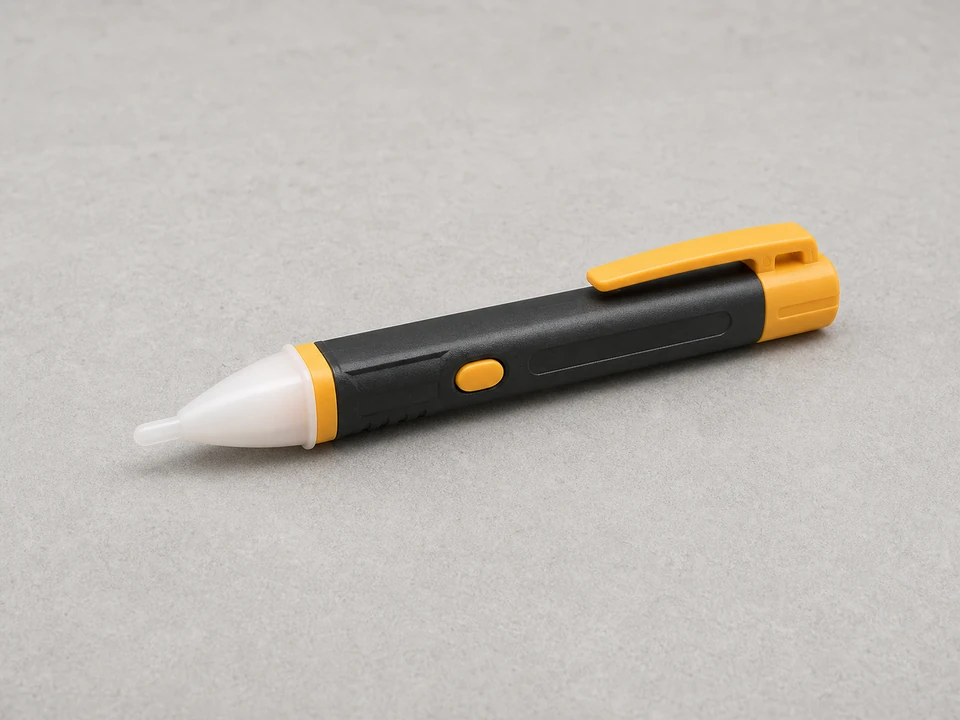
Non contact voltage tester
Use it for: To double-check that the receptacle and box are de-energized before you touch wires.
Shop non-contact voltage testersTo replace a weather resistant GFCI receptacle, turn off the correct breaker, confirm the outlet is dead, move the wires to the new device one at a time, reinstall it in the box, then test both RESET and TEST before putting it back into service.
This is a manageable repair for a careful homeowner if the box and wiring are in good shape and you can positively shut off power. The main mistakes are mixing up LINE and LOAD terminals, forcing a damaged device back into a wet box, or restoring power before testing the new receptacle.
Before you start: Match the device style, amperage, weather resistant rating, and line/load wiring layout before ordering.
Use it for: To double-check that the receptacle and box are de-energized before you touch wires.
Shop non-contact voltage testers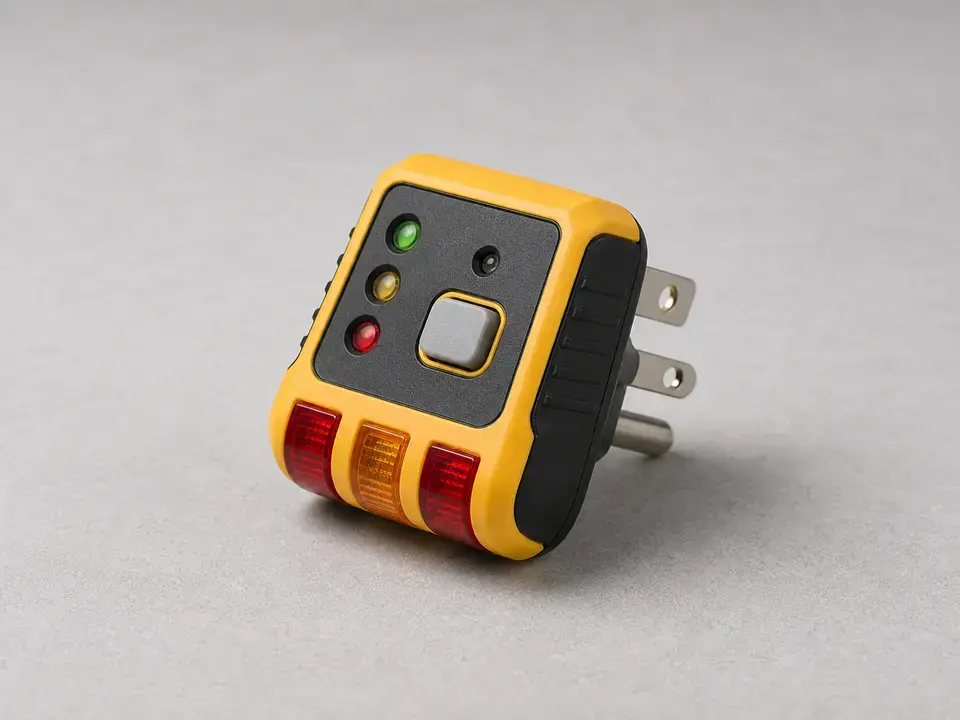
Use it for: To verify the new receptacle has power, correct wiring, and a working trip function.
Shop outlet testers with GFCI test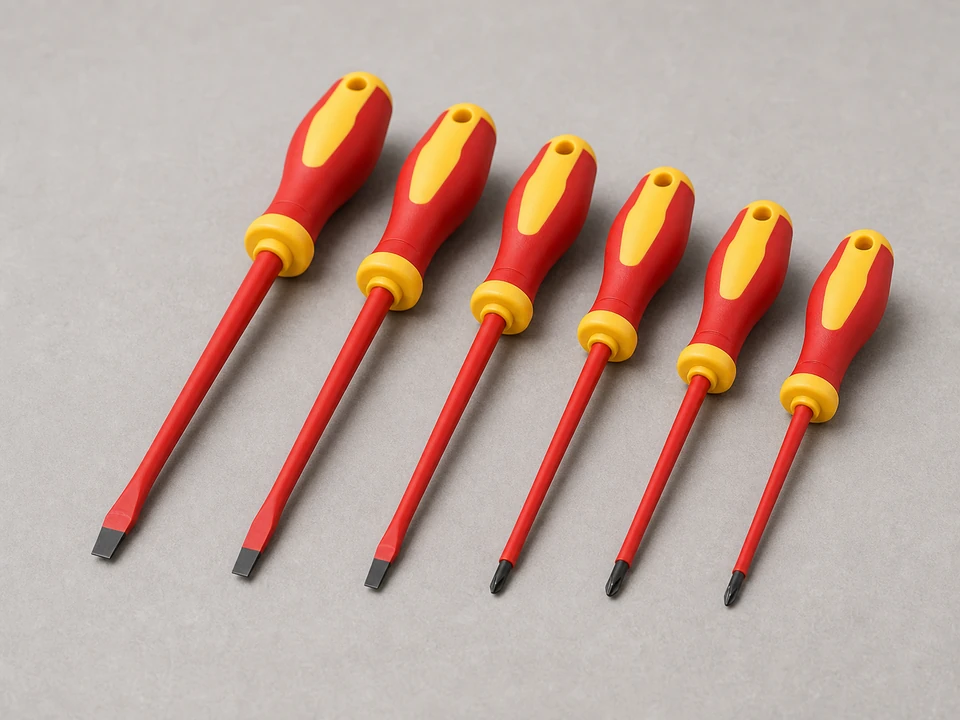
Use it for: To remove the cover, device screws, and terminal screws safely and cleanly.
Shop insulated screwdriver sets
Use it for: To clean up damaged wire ends or strip fresh insulation if needed.
Shop wire strippers
Use it for: To shape wire loops and guide conductors onto terminal screws.
Shop needle-nose pliersAs an Amazon Associate I earn from qualifying purchases. Repair Riot may earn a commission at no extra cost to you.
If it works: You have a failed or unreliable GFCI receptacle and a matching replacement ready.
If it doesn’t: If the outlet works normally and passes its test, the problem may be upstream, at the breaker, or in another device on the circuit.
If it works: The receptacle is pulled out and you have confirmed the device is de-energized.
If it doesn’t: If your tester still shows power, go back to the panel and identify the correct breaker before continuing.
If it works: You know which wires are LINE, which are LOAD if present, and the conductors are ready to reconnect.
If it doesn’t: If the old device is not marked clearly, use your photo and the printed markings on the new receptacle to sort the wires before moving on.
If it works: The new receptacle is wired with LINE and LOAD in the correct places and all connections are tight.
If it doesn’t: If the new GFCI will not accept the existing wire cleanly, re-strip the conductor to the proper length and reconnect it neatly.
If it works: The new receptacle is mounted securely and powers up after reset.
If it doesn’t: If the RESET button will not stay in, turn the breaker back off and recheck LINE versus LOAD wiring first.
If it works: The receptacle trips, resets, and holds power normally in real use.
If it doesn’t: If the receptacle has power but does not trip and reset correctly, replace the device again or have the circuit diagnosed before using it.
Match the device style, amperage, weather resistant rating, and line/load wiring layout before ordering.
As an Amazon Associate I earn from qualifying purchases. Repair Riot may earn a commission at no extra cost to you.
For outdoor or damp-location use, you should use a weather resistant GFCI receptacle so the device is built for that environment. It still needs a proper cover and a dry, sound box.
The receptacle may not reset, may not power up correctly, or may fail to provide proper GFCI protection. Always move the incoming power wires to the LINE terminals.
No. This is not a safe repair to do energized. Turn off the breaker and verify the receptacle is dead before removing it.
The most common causes are reversed LINE and LOAD wiring, no incoming power on the circuit, a tripped breaker, or a wiring fault elsewhere on the protected run.
If the cover is cracked, loose, or no longer seals well, replace it at the same time. Outdoor receptacles need a cover that keeps water away from the device.