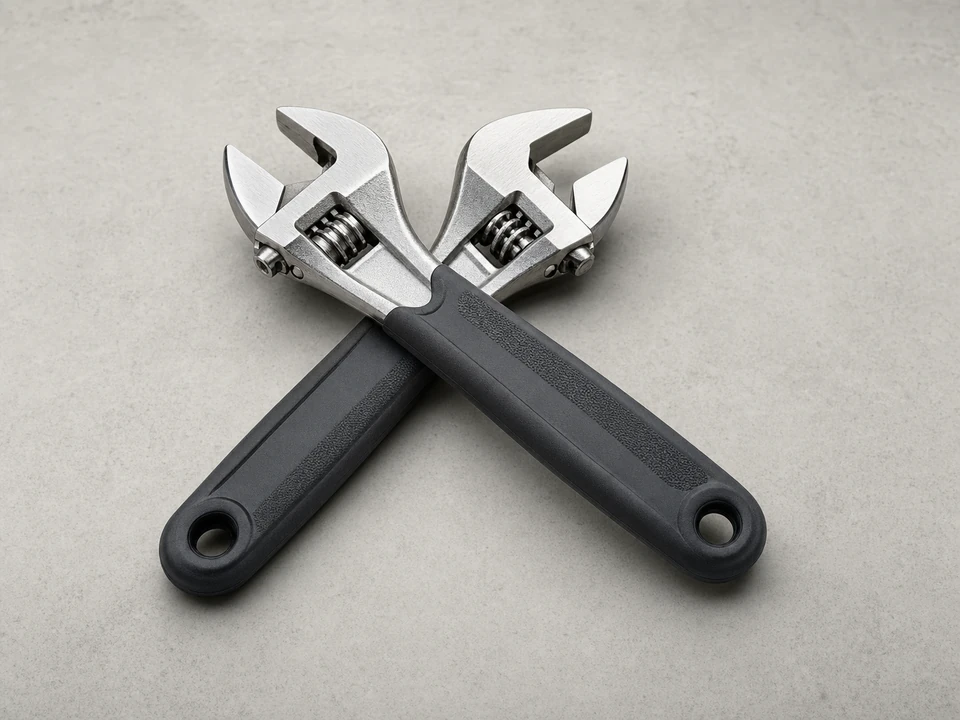
Adjustable wrench
Use it for: To loosen and retighten supply line and mounting nuts if needed.
Shop adjustable wrenchesTo replace a bathroom sink faucet base gasket, confirm the leak is coming from under the faucet base, shut off the water, loosen the faucet from below, remove the old gasket, clean the sink surface, install the new gasket, and retighten the faucet evenly before testing for leaks.
This repair is usually straightforward if the leak shows up around the bottom of the faucet when the sink is running. The key is making sure the water is not actually coming from supply lines, handles, or the drain area before you pull the faucet apart.
Before you start: Match the gasket shape, outside dimensions, faucet style, and sink opening size before ordering. If the old gasket is missing or flattened, compare the faucet base footprint and mounting layout.
Use it for: To loosen and retighten supply line and mounting nuts if needed.
Shop adjustable wrenches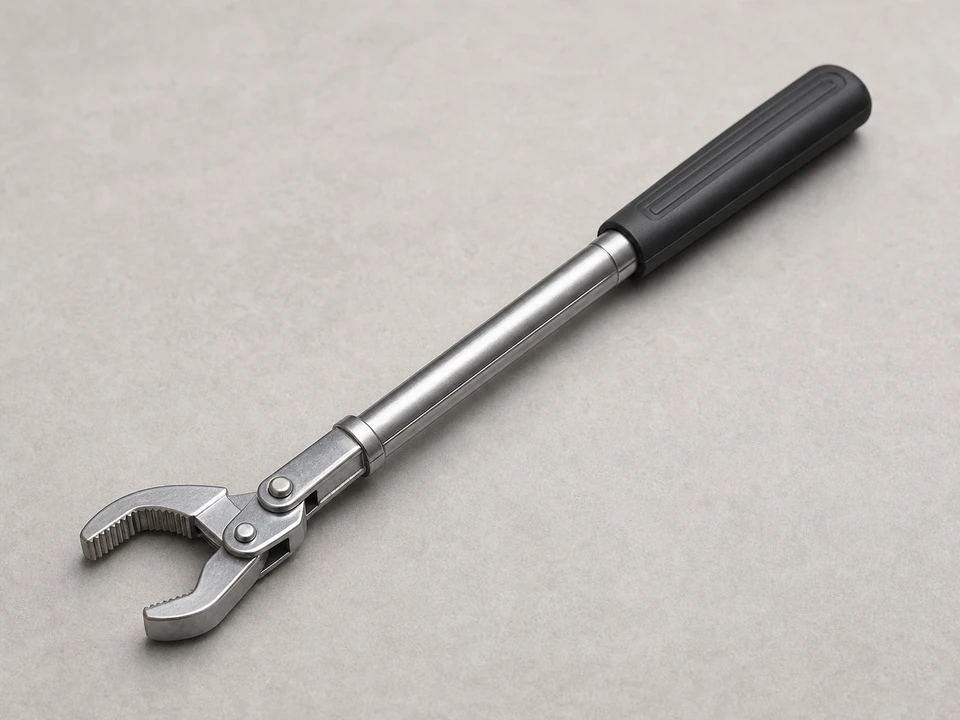
Use it for: To reach faucet mounting nuts in the tight space under the sink.
Shop basin wrenches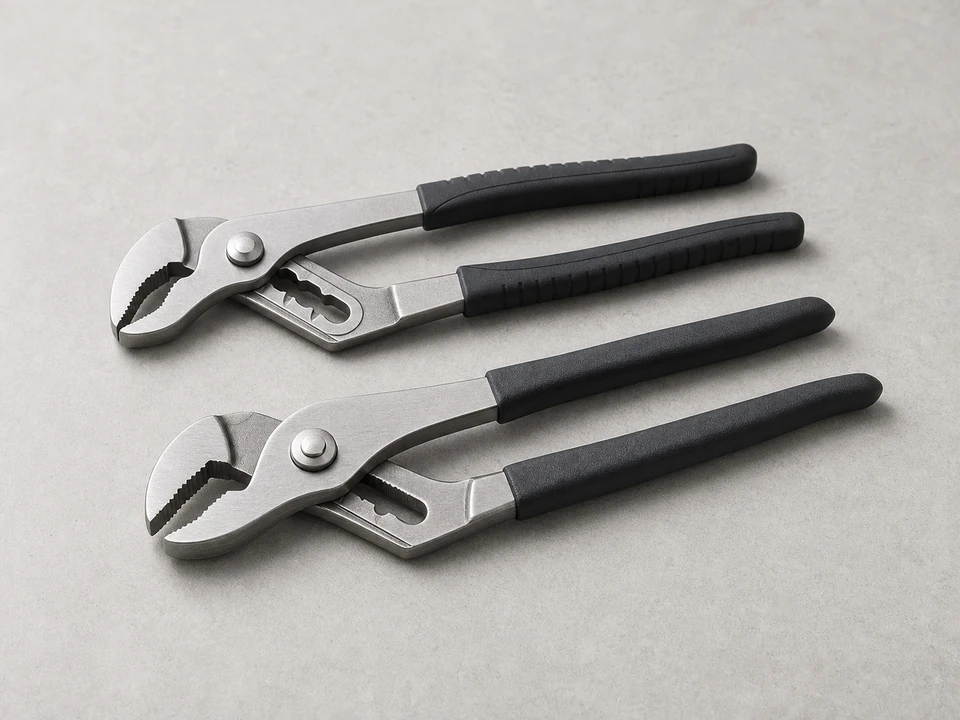
Use it for: To hold stubborn nuts or fittings without needing a full socket set.
Shop tongue and groove pliers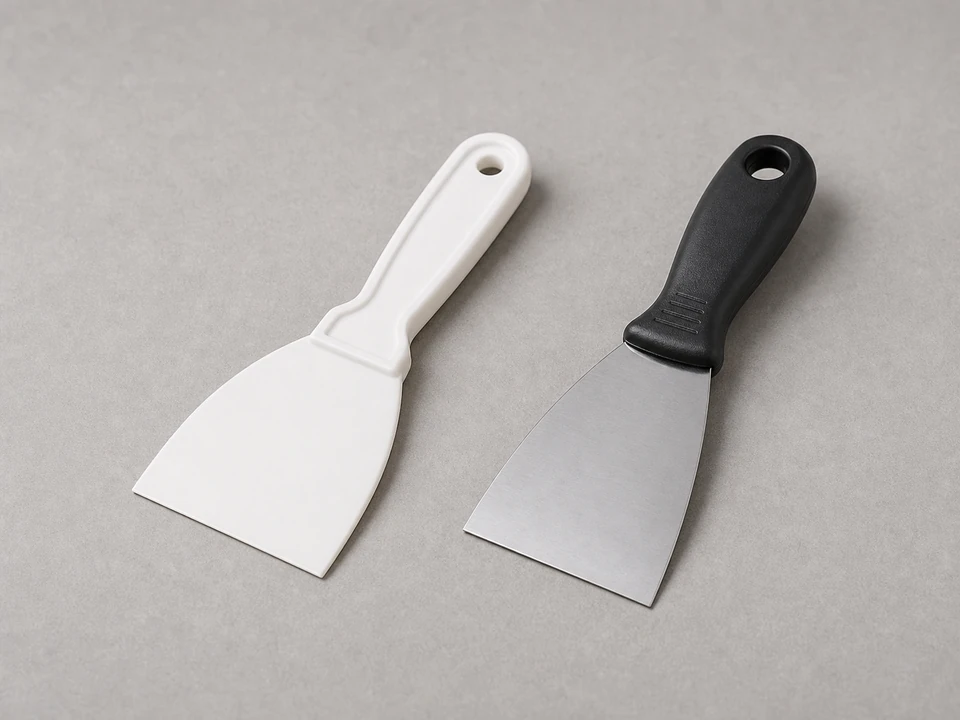
Use it for: To lift the old gasket and clean off residue without gouging the sink.
Shop plastic scrapers
Use it for: To dry the area and wipe away old grime so the new gasket can seal.
Shop microfiber cleaning rags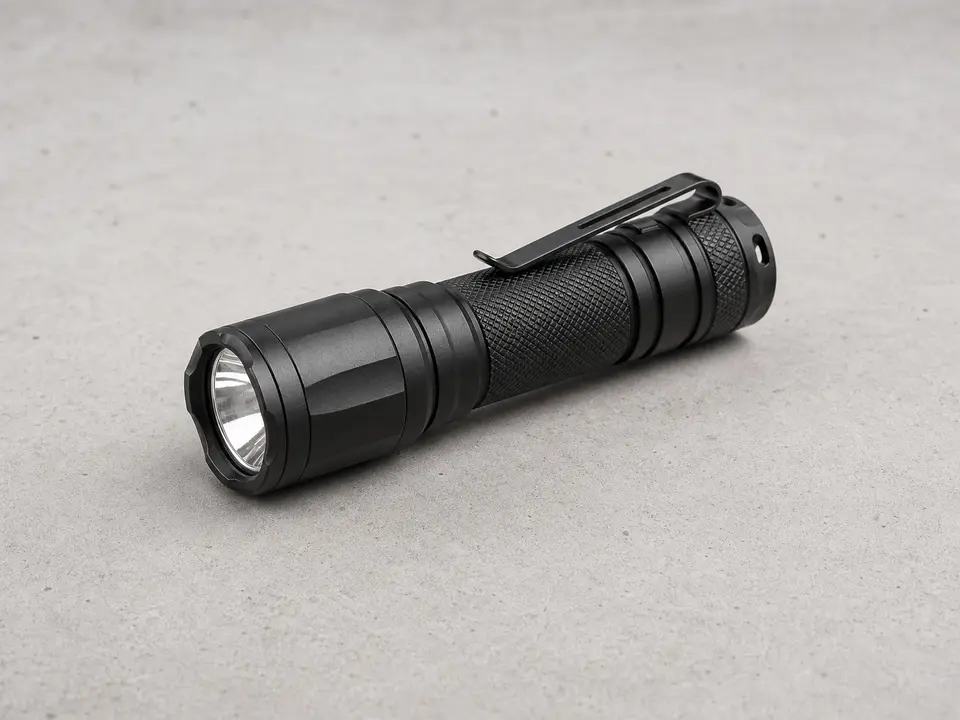
Use it for: To see the mounting hardware and check for drips under the sink.
Shop LED flashlightsAs an Amazon Associate I earn from qualifying purchases. Repair Riot may earn a commission at no extra cost to you.
If it works: You have traced the leak to the faucet base itself, not another nearby plumbing part.
If it doesn’t: If the water starts at a supply line, shutoff valve, drain fitting, or handle area, fix that leak source first instead of replacing the base gasket.
If it works: The water is off, pressure is relieved, and you have safe working room under the sink.
If it doesn’t: If a shutoff valve will not close fully, stop using the sink and shut off water to that fixture or the home before continuing.
If it works: The faucet is free enough to access the sealing area, and the old gasket is removed.
If it doesn’t: If the mounting hardware is stuck, apply steady pressure and improve your access with better lighting before forcing anything.
If it works: Both sealing surfaces are clean and the new gasket is seated flat in the correct position.
If it doesn’t: If residue keeps the gasket from sitting flat, keep cleaning until the faucet base and sink surface are smooth and dry.
If it works: The faucet is secure, centered, and compressed evenly against the new gasket.
If it doesn’t: If the faucet rocks or the gasket squeezes out on one side, loosen the hardware, realign the faucet, and retighten evenly.
If it works: The faucet runs normally and the area around the base stays dry during and after use.
If it doesn’t: If water still appears at the base, the gasket may be misaligned, the faucet base may be warped, or the leak may be coming from another faucet part that needs repair.
Match the gasket shape, outside dimensions, faucet style, and sink opening size before ordering. If the old gasket is missing or flattened, compare the faucet base footprint and mounting layout.
As an Amazon Associate I earn from qualifying purchases. Repair Riot may earn a commission at no extra cost to you.
It is often flattened, cracked, brittle, misshapen, or stuck to the sink in pieces. Sometimes it looks intact but has compressed enough that water can slip past it.
Not always. If the faucet body and mounting hardware are in good shape, replacing the bathroom sink faucet base gasket is often enough. If the faucet is cracked, badly corroded, or will not tighten securely, replacing the faucet may make more sense.
Usually the gasket is meant to seal on its own when the faucet is tightened correctly. Extra sealant can make future service messier and may not fix a warped faucet base or damaged sink surface.
The new gasket may be misaligned, the sink surface may still have residue, the faucet base may be warped, or the leak may actually be coming from handles, supply lines, or another part and only showing up at the base.
Sometimes. If the faucet can lift enough to remove and install the gasket without stressing the lines, you may not need to disconnect them. If the lines are tight, remove them so you do not kink or damage them.