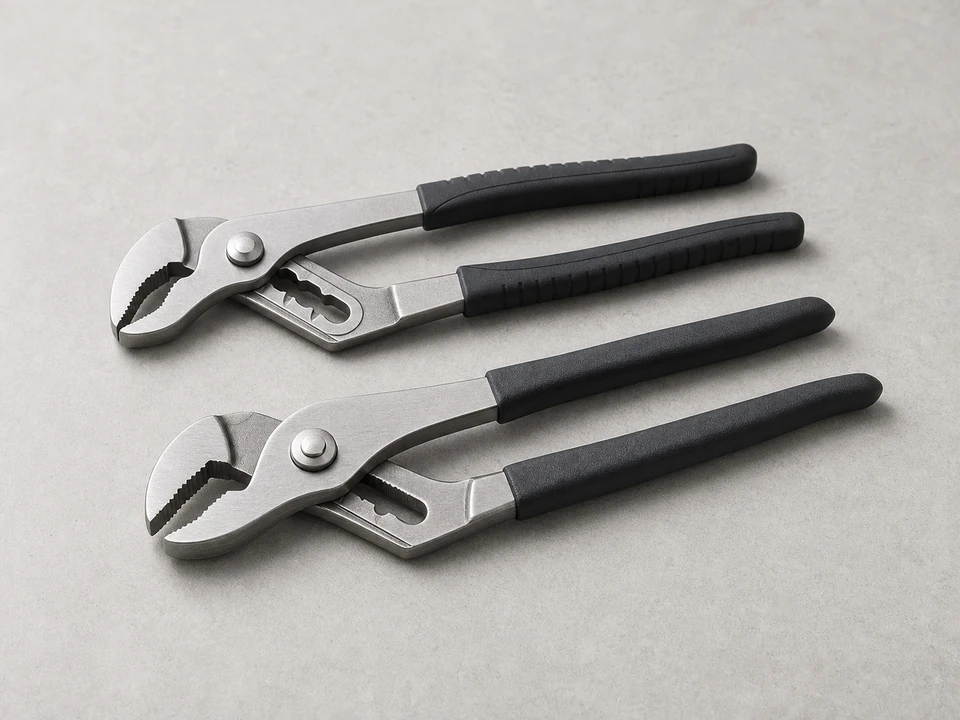
Channel lock pliers
Use it for: To loosen and tighten the drain nut and pivot hardware under the sink.
Shop channel-lock pliersIf the sink leaks at the drain body with the basin full, the flange gasket is a likely fault. Confirm first, then replace the gasket with a matching kit.
A focused gasket replacement usually takes one service cycle if you work cleanly, support the drain parts, and test with a full-basin fill at the end.
Before you start: Match the drain opening size, gasket shape, and thread pattern on the drain body before ordering.
A focused gasket replacement usually takes one service cycle if you work cleanly, support the drain parts, and test with a full-basin fill at the end.

Use it for: To loosen and tighten the drain nut and pivot hardware under the sink.
Shop channel-lock pliers
Use it for: To hold fittings steady while you loosen or snug nearby nuts.
Shop an adjustable wrench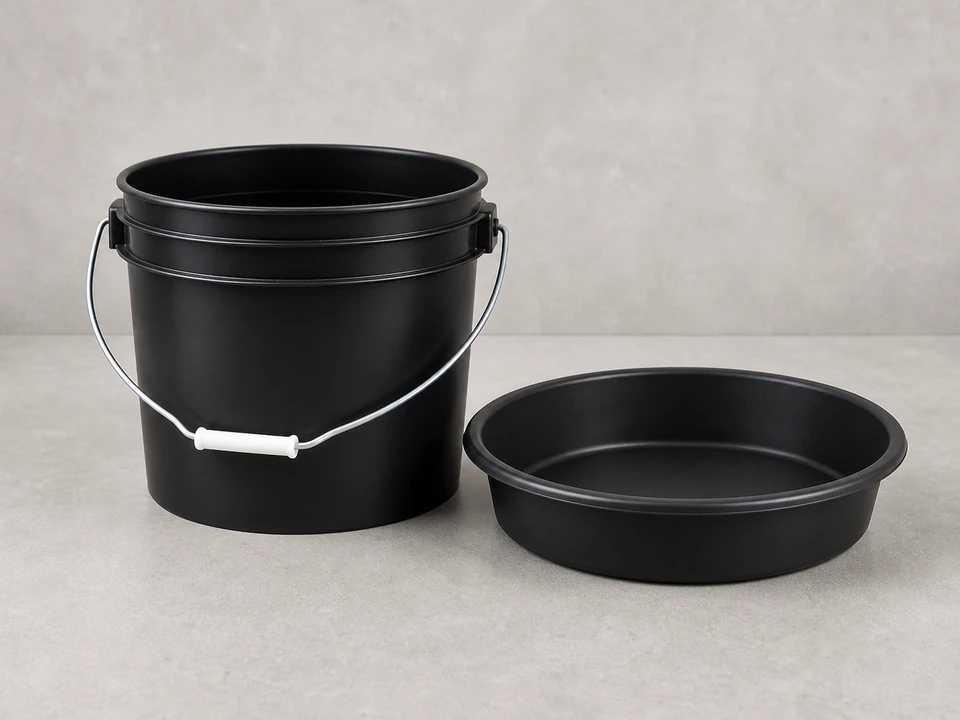
Use it for: To catch water left in the trap or drain parts when you take them apart.
Shop a drain catch pan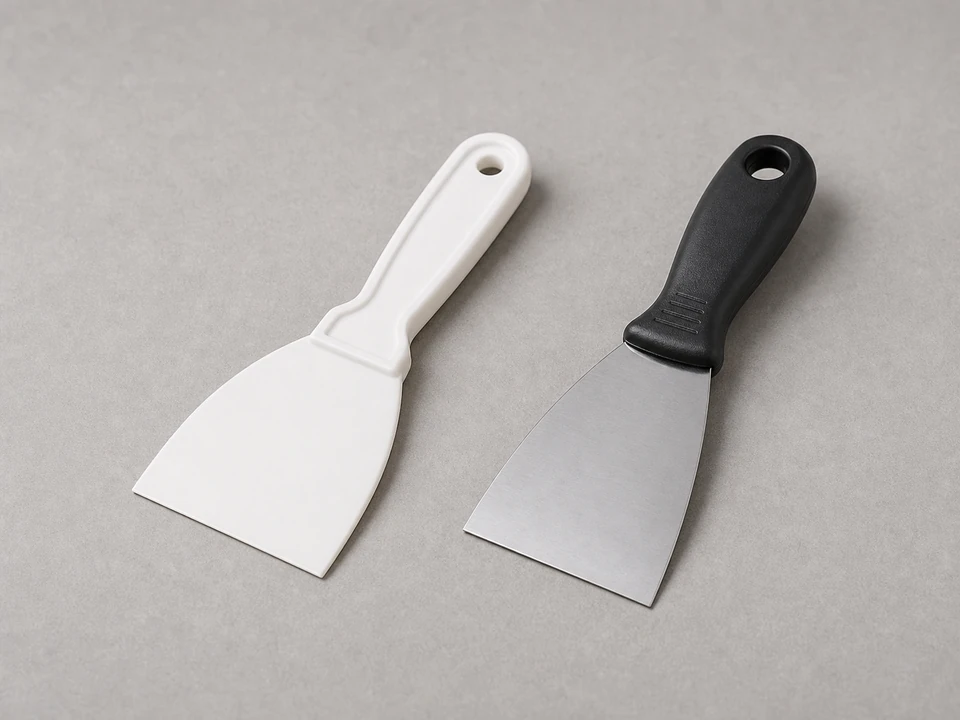
Use it for: To remove old putty, grime, or gasket residue from the sink and flange.
Shop a plastic scraper
Use it for: To wipe parts dry so the new gasket seats cleanly and you can spot fresh leaks.
Shop shop towels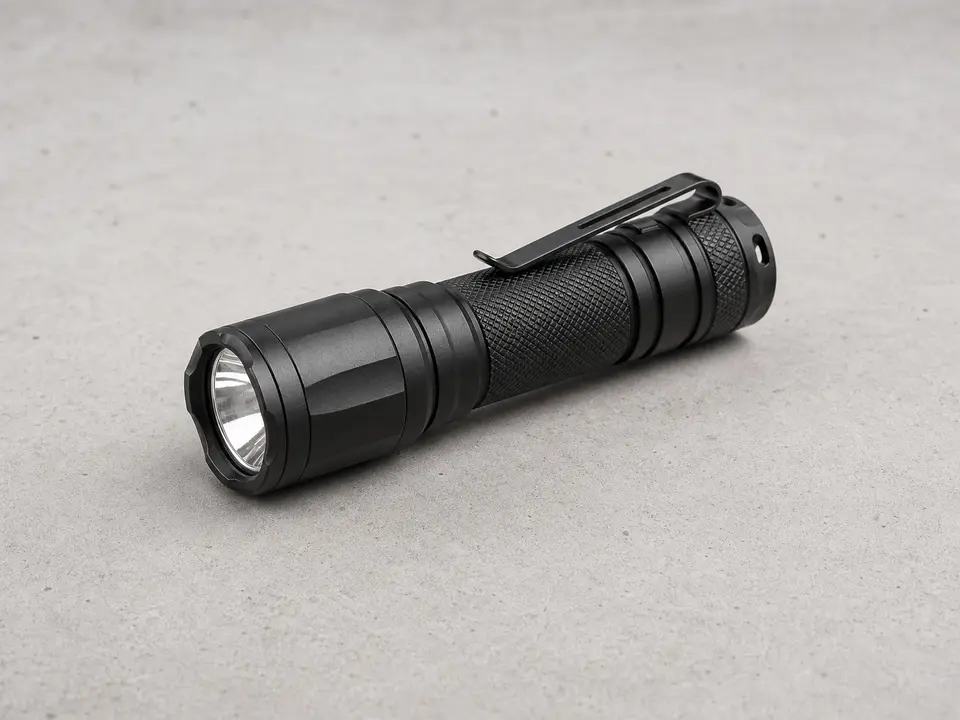
Use it for: To see the drain body, locknut, and any active drips under the sink.
Shop a work flashlightAs an Amazon Associate I earn from qualifying purchases. Repair Riot may earn a commission at no extra cost to you.
If it works: You confirmed the leak starts at the sink drain seal area, which makes the flange gasket a likely cause.
If it doesn’t: If the leak comes from the faucet, supply tubes, shutoff valves, trap joints, or the sink bowl itself, fix that problem instead of replacing the flange gasket.
If it works: The sink is prepped, protected from drips, and the stopper linkage is out of the way.
If it doesn’t: If your stopper will not come free, look for a retaining clip or horizontal pivot rod still holding it in place and remove that first.
If it works: The drain is apart and the old gasket is removed with the sealing surfaces cleaned.
If it doesn’t: If the locknut will not loosen by hand tools, apply steady pressure instead of jerking it, and hold the drain body so you do not crack the sink or twist connected piping.
If it works: The new gasket is installed and the drain is reassembled squarely and snugly.
If it doesn’t: If the flange shifts, loosens, or will not sit flat, take it back apart and check for leftover debris, a flipped gasket, or mismatched parts.
If it works: The stopper works normally and the drain assembly is back together.
If it doesn’t: If the stopper does not seal or lift correctly, adjust the linkage length or reseat the pivot rod through the stopper hole.
If it works: The sink holds water, drains normally, and stays dry around the flange and under the sink.
If it doesn’t: If it still leaks from the same area, disassemble the drain again and check for a crooked flange, debris on the sealing surface, a damaged drain body, or the wrong gasket.
Match the drain opening size, gasket shape, and thread pattern on the drain body before ordering.
As an Amazon Associate I earn from qualifying purchases. Repair Riot may earn a commission at no extra cost to you.
A bad flange gasket usually shows up as a leak around the drain opening or from the upper part of the drain body under the sink when the basin is holding water. If the leak only happens at the trap or supply lines, the gasket is probably not the issue.
Not always. If the drain body threads are in good shape and the metal is not cracked or badly corroded, replacing the gasket may be enough. If the assembly is damaged, replacing the full drain is the better repair.
Many sink drains use putty or another seal at the flange along with the gasket below. Reassemble the drain the same way the original seal was set up, and make sure all old residue is cleaned off first.
The most common reasons are a crooked flange, leftover debris on the sink surface, a mismatched gasket, a damaged drain body, or a loose pivot nut or locknut. Taking it back apart and checking the sealing surfaces usually finds the problem.
In most cases, yes, once the drain is fully reassembled and passes a fill-and-drain leak test. Start with a careful test first so you know the seal is holding before regular use.