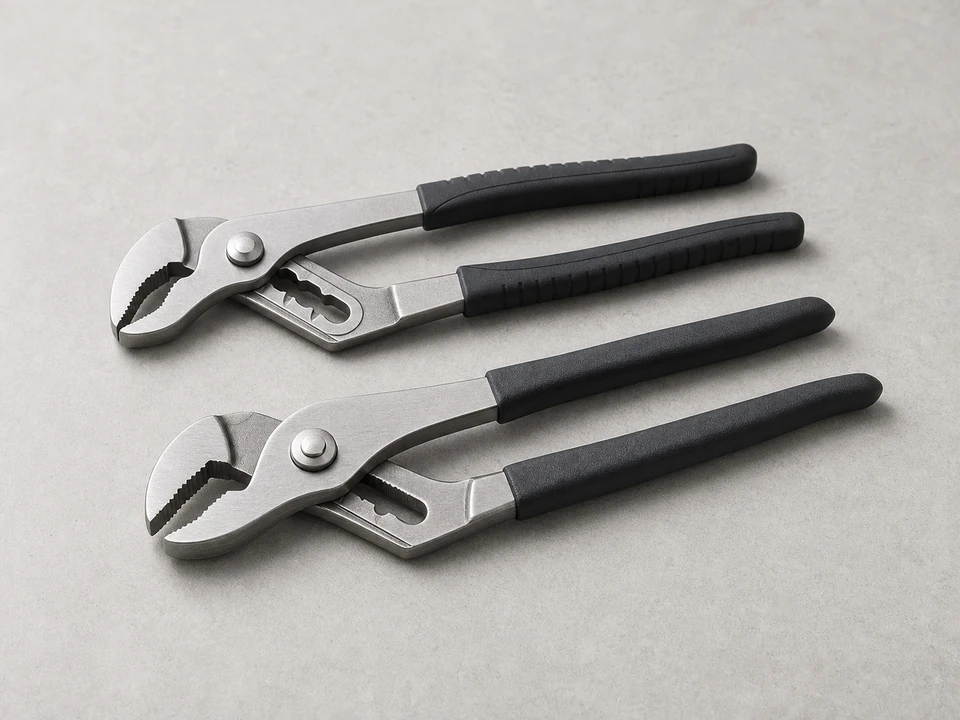
Tongue and groove pliers
Use it for: To loosen and tighten slip nuts, the pivot nut, and the drain mounting nut.
Shop tongue-and-groove pliersTo replace a bathroom sink pop up drain assembly, remove the old stopper linkage and drain body, clean the sink opening, install the new drain with fresh seals or plumber's putty if directed, reconnect the pivot rod, and test for leaks and smooth stopper movement.
This is a good repair when the stopper no longer seals, the linkage is rusted or broken, the drain body is corroded, or buildup and odor keep coming back because the assembly is worn out. Take your time under the sink, keep a small bucket handy, and test everything before putting your supplies away.
Before you start: Match the drain size, stopper style, and linkage compatibility before ordering.
Use it for: To loosen and tighten slip nuts, the pivot nut, and the drain mounting nut.
Shop tongue-and-groove pliers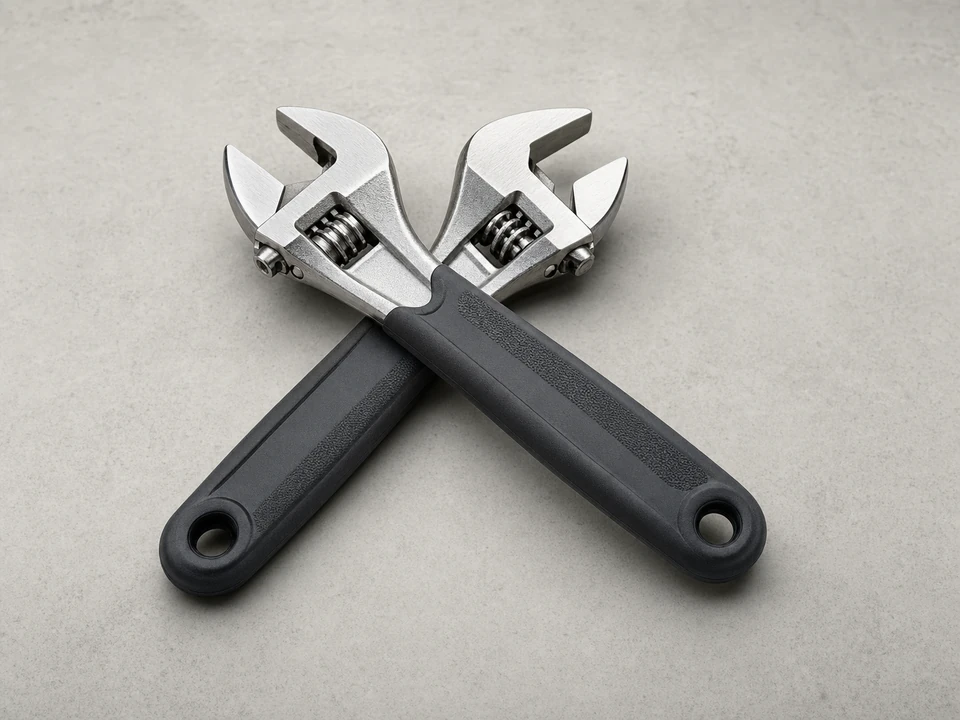
Use it for: To hold or turn drain fittings where pliers are awkward.
Shop adjustable wrench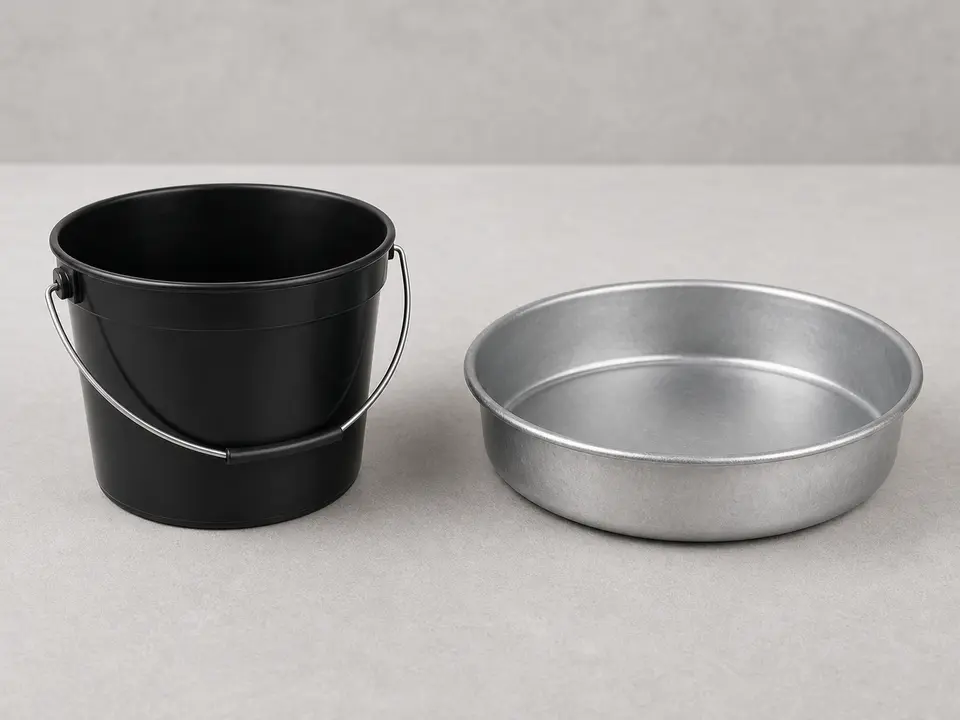
Use it for: To catch water left in the trap when you disconnect the drain.
Find a drain catch pan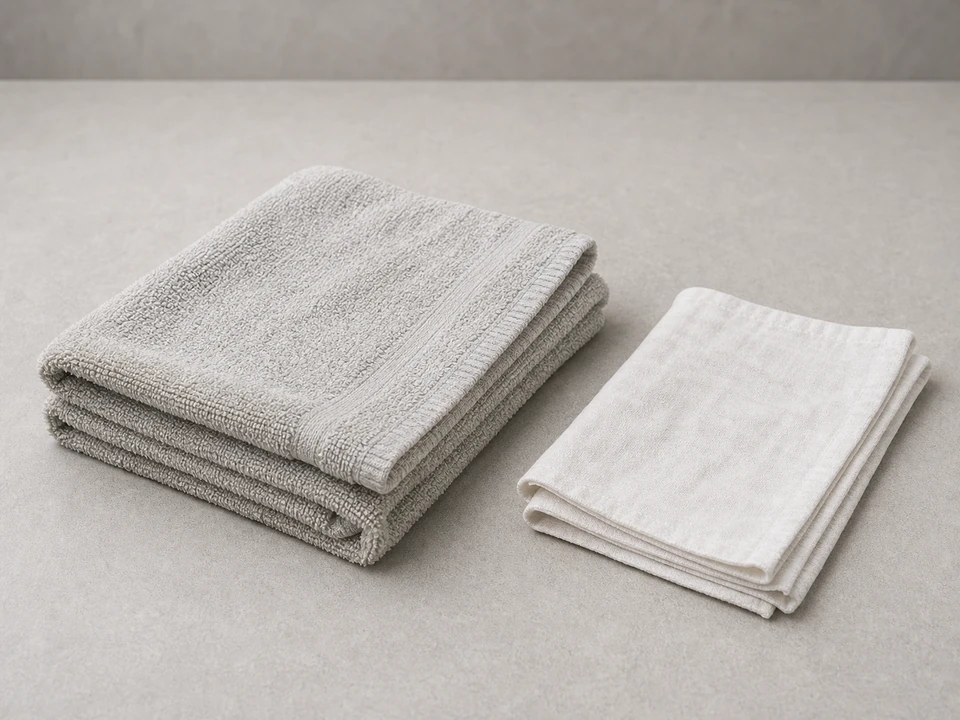
Use it for: To protect the cabinet and wipe away old putty, water, and grime.
Shop shop towels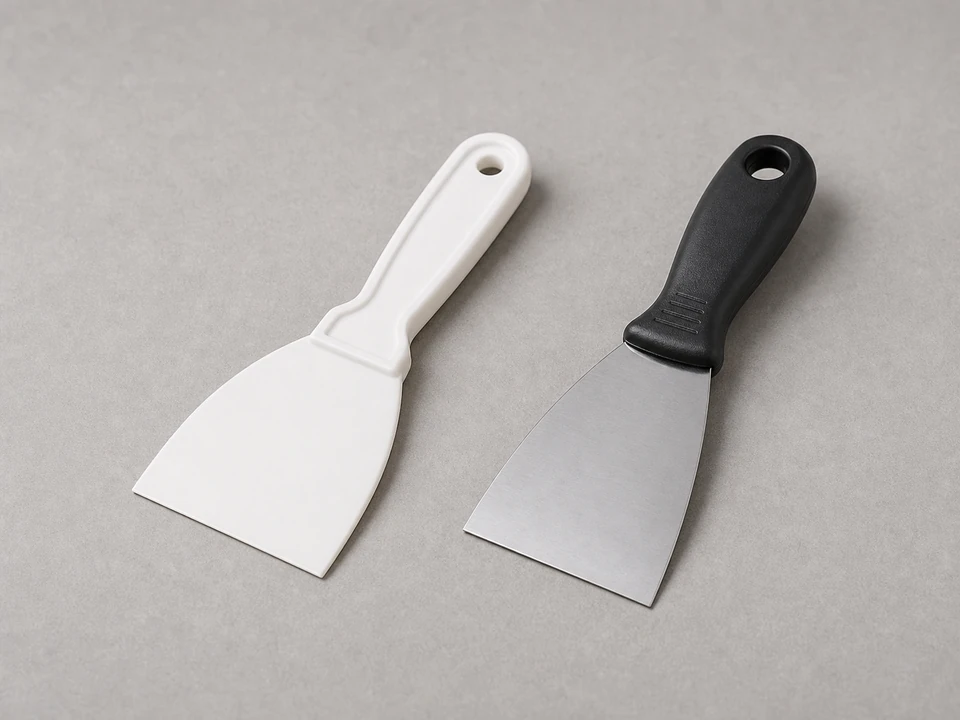
Use it for: To remove old plumber's putty or sealant from the sink opening without gouging it.
Find a plastic scraper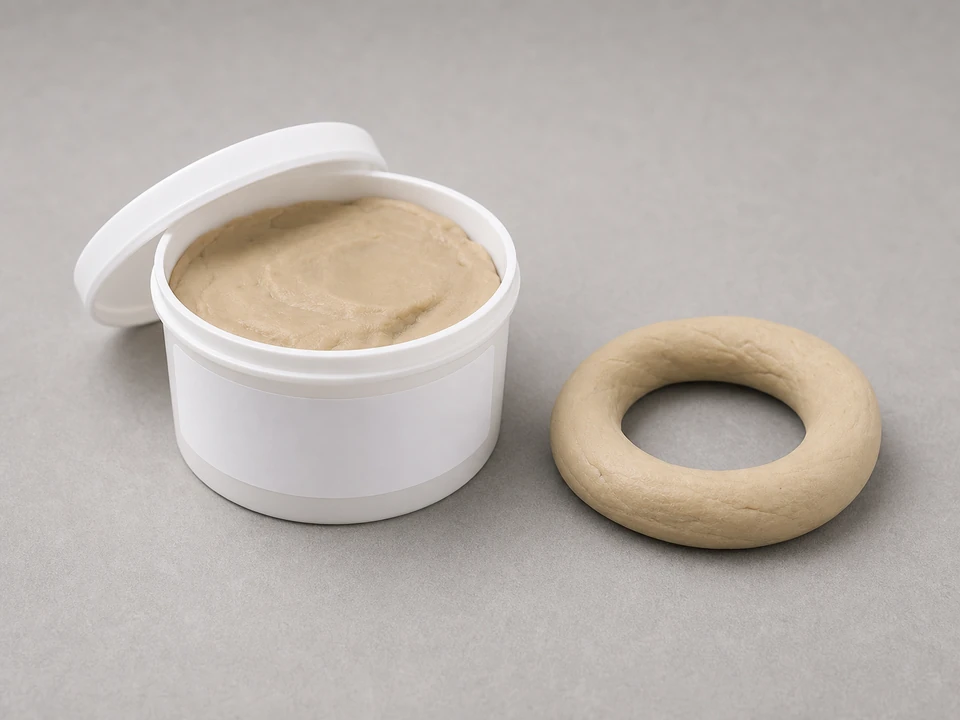
Use it for: Some drain assemblies use putty under the flange to seal at the sink surface.
Shop plumber's puttyAs an Amazon Associate I earn from qualifying purchases. Repair Riot may earn a commission at no extra cost to you.
If it works: You have confirmed the drain assembly or linkage is worn, leaking, seized, or too corroded to trust.
If it doesn’t: If the stopper and linkage are intact and the problem is only hair or slime buildup, try cleaning the existing drain assembly first instead of replacing it.
If it works: The stopper, pivot rod, and nearby drain connections are disconnected so the old drain body can come out.
If it doesn’t: If a nut is stuck, apply steady pressure instead of forcing it sideways. Reposition your pliers or wrench for a straighter grip and try again.
If it works: The old drain assembly is out and the sink opening is exposed for cleaning and reassembly.
If it doesn’t: If the flange is stuck to the sink, work a plastic scraper around it and lift gently rather than prying hard on the sink surface.
If it works: The new drain body is seated evenly, faces the right direction, and feels secure without rocking.
If it doesn’t: If the drain body turns while you tighten it, hold the top flange steady from above and realign the pivot opening toward the back before snugging it again.
If it works: The stopper moves up and down with the lift rod, and all drain connections are back together.
If it doesn’t: If the stopper does not open or close correctly, move the pivot rod to a different hole on the clevis strap and test the lift rod travel again.
If it works: The sink holds water when closed, drains normally when opened, and stays dry underneath during and after use.
If it doesn’t: If you find a small leak, tighten the leaking connection slightly and test again. If the leak is at the sink opening, remove the drain and reseal it rather than just tightening harder.
Match the drain size, stopper style, and linkage compatibility before ordering.
As an Amazon Associate I earn from qualifying purchases. Repair Riot may earn a commission at no extra cost to you.
No. Some assemblies seal with a top flange and putty, while others rely on supplied rubber or foam gaskets. Follow the sealing method that comes with the new drain assembly.
The pivot rod usually needs adjustment at the clevis strap. Moving the rod to a different hole often changes how high the stopper lifts.
You can if the new assembly is designed to work with them and the old parts are not bent or corroded, but using the matching new linkage is usually the better choice.
Common causes are corrosion, worn seals, mineral buildup, broken linkage parts, and repeated clogging that damages the stopper or drain body.
Tight enough to compress the seal and stop movement, but not so tight that the sink flexes or the gasket squeezes out unevenly. Snug and even is the goal.