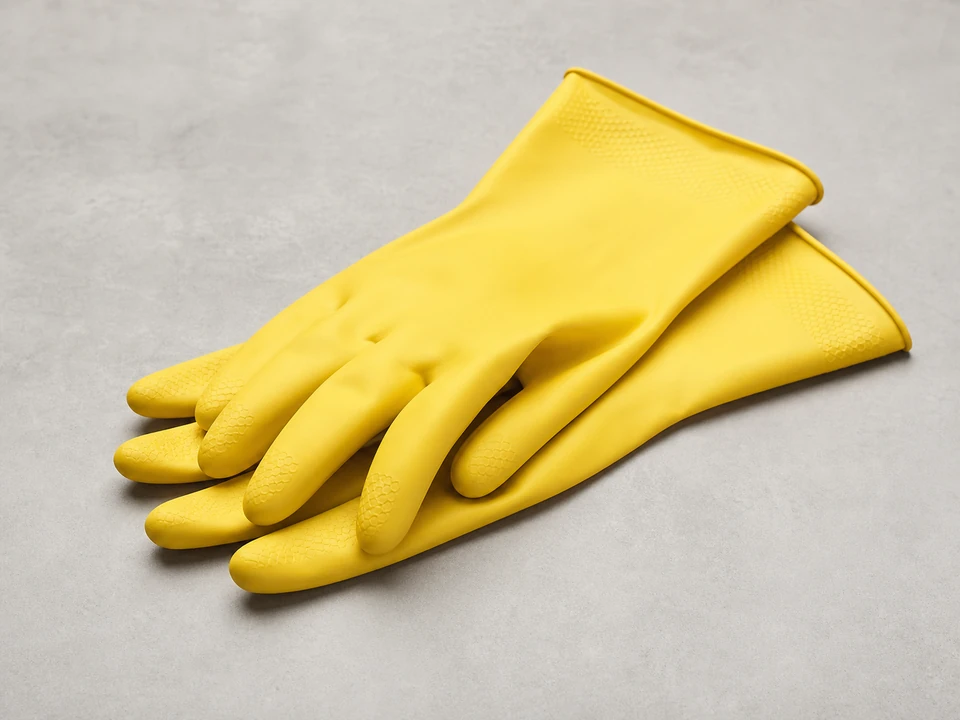
Rubber gloves
Use it for: Keeps sludge, hair, and cleaner residue off your hands.
Shop rubber cleaning glovesTo clean a bathroom sink pop-up stopper, pull out the stopper or disconnect the pivot rod under the sink, remove hair and soap sludge, wash the stopper and drain opening, then reinstall and test the lift rod.
This is a good first fix when the sink drains slowly, smells musty, or the stopper feels sticky. Most clogs at a bathroom sink collect right on the stopper and pivot area, so a basic cleaning often restores normal draining without taking apart the whole drain.
Before you start: Match the drain size, stopper style, and linkage compatibility before ordering. Stop if the repair becomes unsafe or unclear.
Use it for: Keeps sludge, hair, and cleaner residue off your hands.
Shop rubber cleaning gloves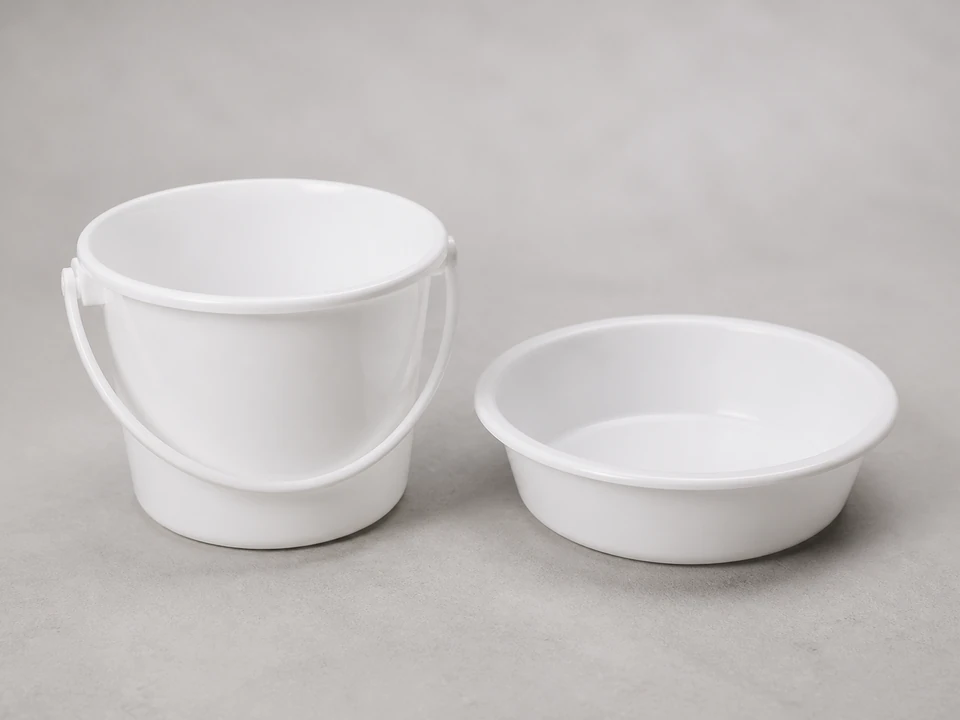
Use it for: Catches any water that drips when you loosen the pivot rod nut.
Shop small utility bucket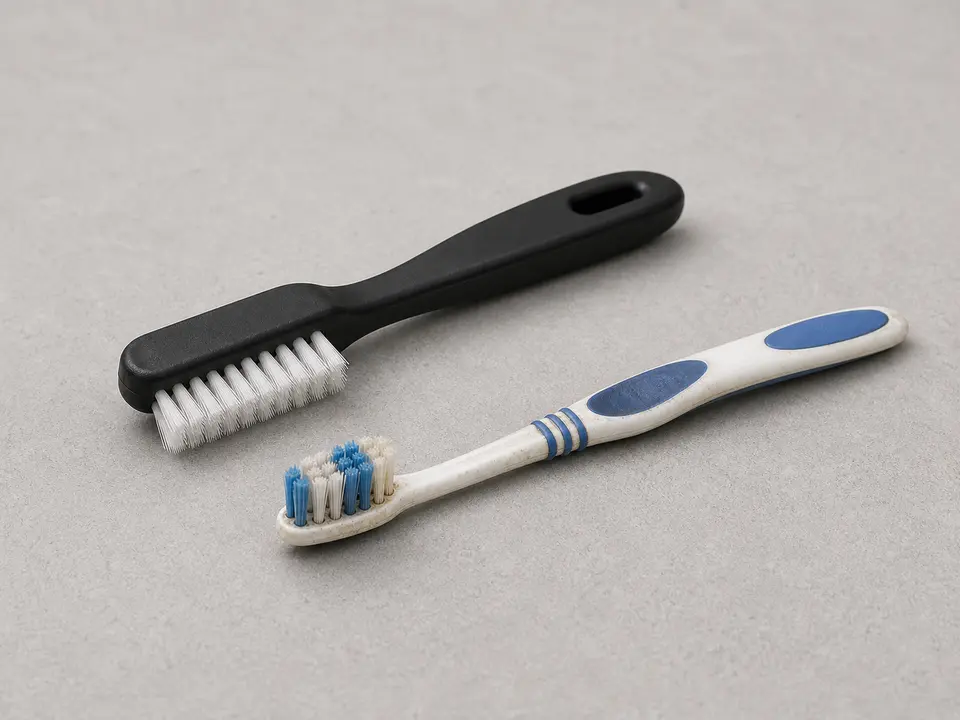
Use it for: Scrubs soap scum and grime off the stopper and inside the drain opening.
Shop small cleaning brush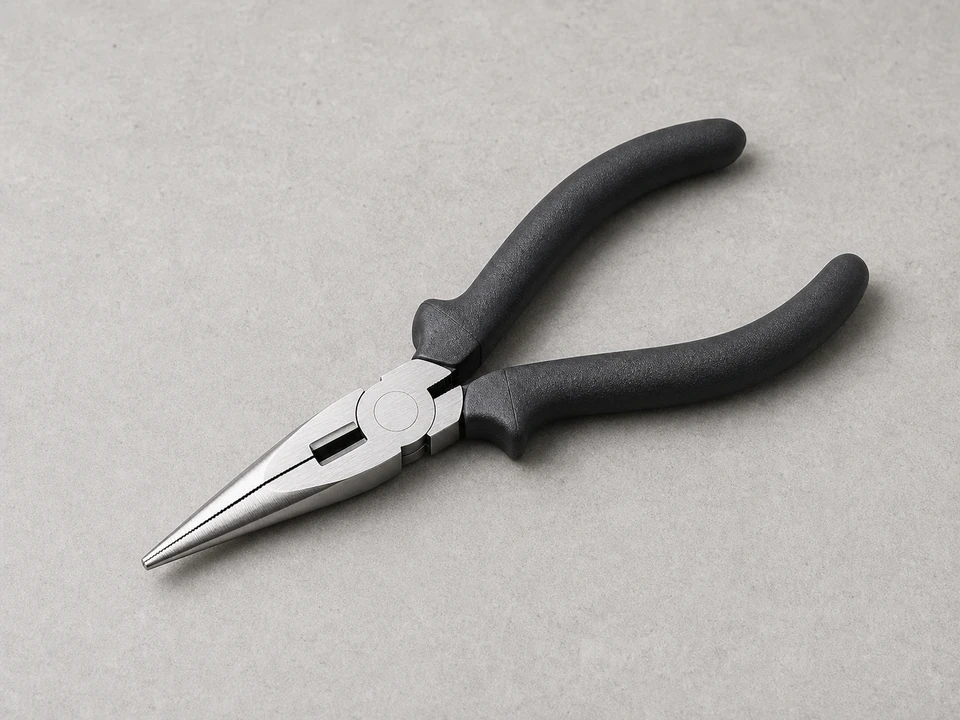
Use it for: Helps remove the pivot clip or pull out packed hair if it is stuck.
Shop needle nose pliers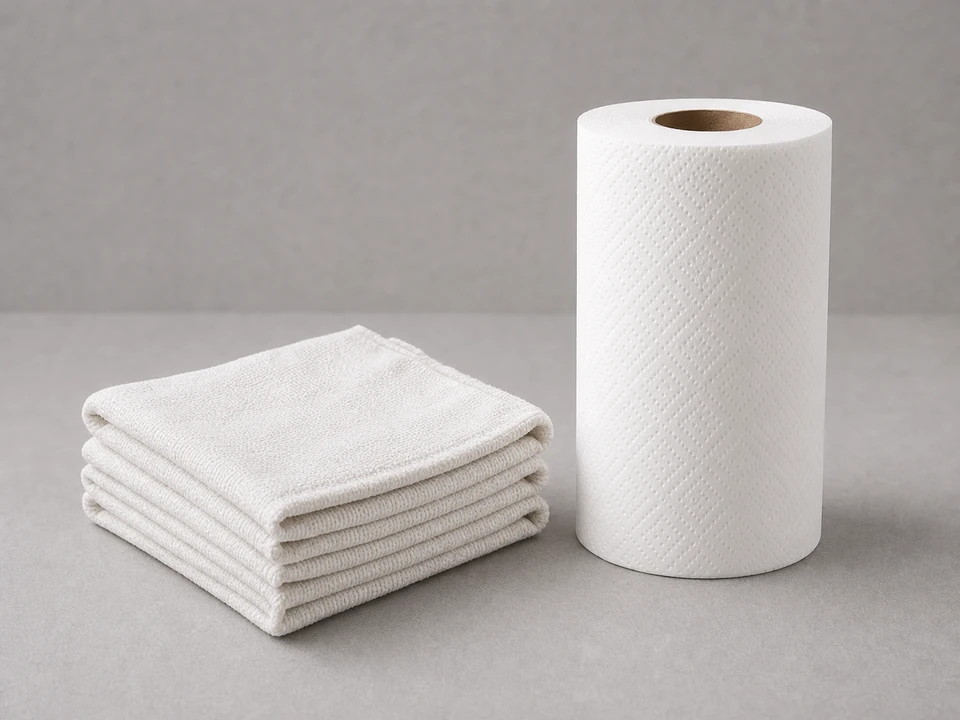
Use it for: Wipes off sludge and dries parts before reassembly.
Shop paper towelsAs an Amazon Associate I earn from qualifying purchases. Repair Riot may earn a commission at no extra cost to you.
If it works: You have confirmed the sink is slow or the stopper is sticky, and the clog appears to be at the stopper area.
If it doesn’t: If the stopper moves normally and the sink is still badly backed up, the clog is likely deeper in the drain and this cleaning may not solve it by itself.
If it works: The stopper is out of the drain and you can access the buildup on the stopper and inside the drain opening.
If it doesn’t: If the stopper will not come free, check that the pivot rod is fully disengaged from the hole in the bottom of the stopper before pulling harder.
If it works: The stopper and the top of the drain are free of visible hair, slime, and soap buildup.
If it doesn’t: If you keep pulling up more debris from deeper in the drain, clean out what you can reach and then test the sink before deciding whether a deeper drain cleaning is needed.
If it works: The drain opening and moving parts are clean enough to reassemble without sticky residue.
If it doesn’t: If the stopper seal is damaged or the rod is bent, cleaning may help only temporarily and replacing the bathroom sink pop up stopper is the better next move.
If it works: The stopper opens and closes normally, and the linkage feels smoother than before.
If it doesn’t: If the stopper will not stay aligned, remove it and rotate it until the pivot rod seats correctly in the stopper hole.
If it works: The sink drains normally, the stopper moves smoothly, and there are no leaks under the sink.
If it doesn’t: If the sink is still slow after the stopper area is clean, the clog is likely farther down the drain and the next step is a deeper drain cleaning or trap inspection.
No. Some pop-up stoppers lift or twist out from above. If yours does not, you usually need to loosen the pivot rod under the sink to release it.
Hair, toothpaste, soap scum, and skin oils are the usual causes. That buildup can slow drainage and make the stopper feel sticky.
You can remove some hair from above, but taking the stopper out lets you clean the sealing surface and the pivot area much better. That is usually what restores smooth movement.
The clog is probably deeper in the drain, trap, or branch line. Cleaning the stopper is the right first step, but it will not fix every slow-drain problem.
Replace it if the stopper is bent, the seal is damaged, the pivot hole is worn out, or the linkage parts are rusted or broken. Cleaning helps only when buildup is the main problem.