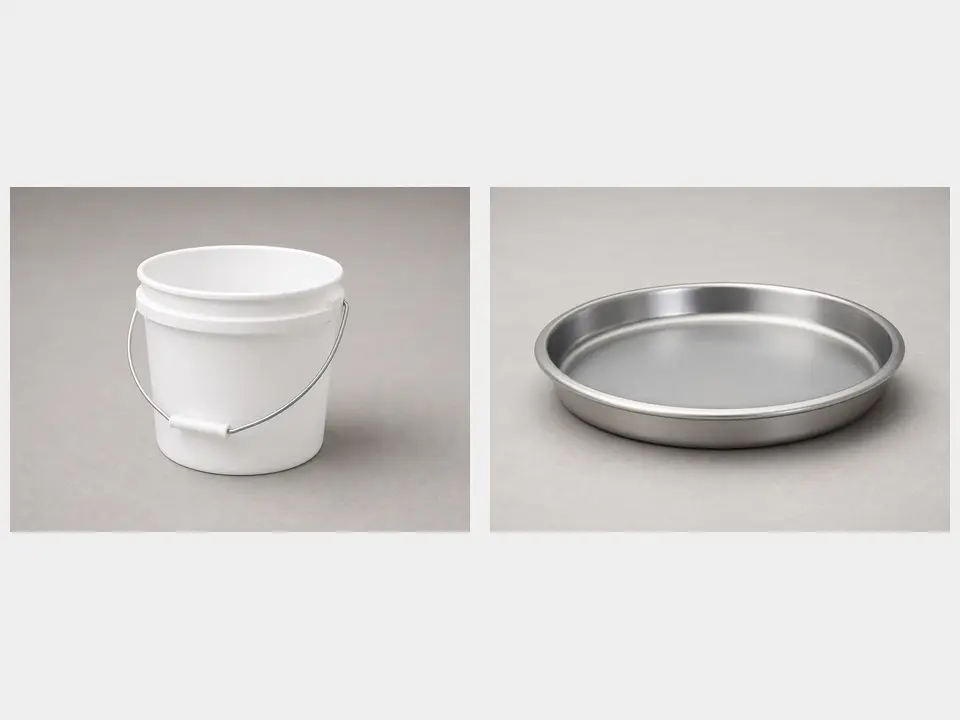
Small bucket or dish pan
Use it for: Catches the water that spills out when you open the trap.
Shop small drain catch pansIf your bathroom sink trap is dripping at the slip nuts or letting sewer odor past a loose joint, replacing the slip joint washer set is usually the right fix.
This repair is straightforward if the trap body is still in good shape. You will loosen the trap, swap the old washers for new ones, reassemble the joints evenly, and then run water long enough to make sure the seal holds.
Before you start: Match the pipe diameter, inlet and outlet layout, and trap style before ordering.
Use it for: Catches the water that spills out when you open the trap.
Shop small drain catch pans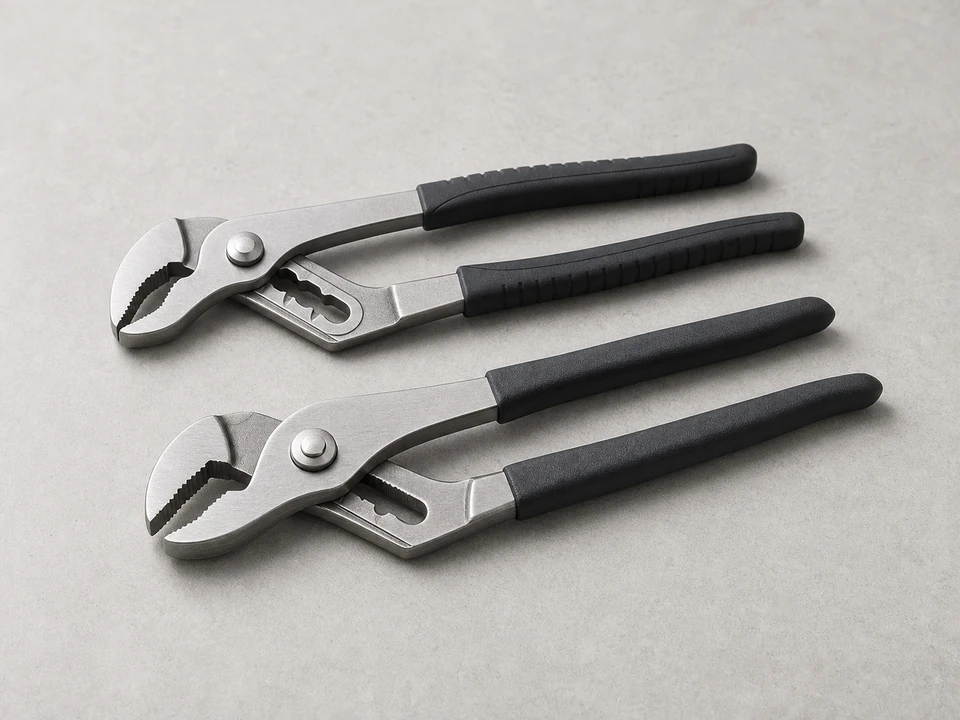
Use it for: Helps loosen and snug slip nuts if they are too tight to turn by hand.
Shop channel-lock pliers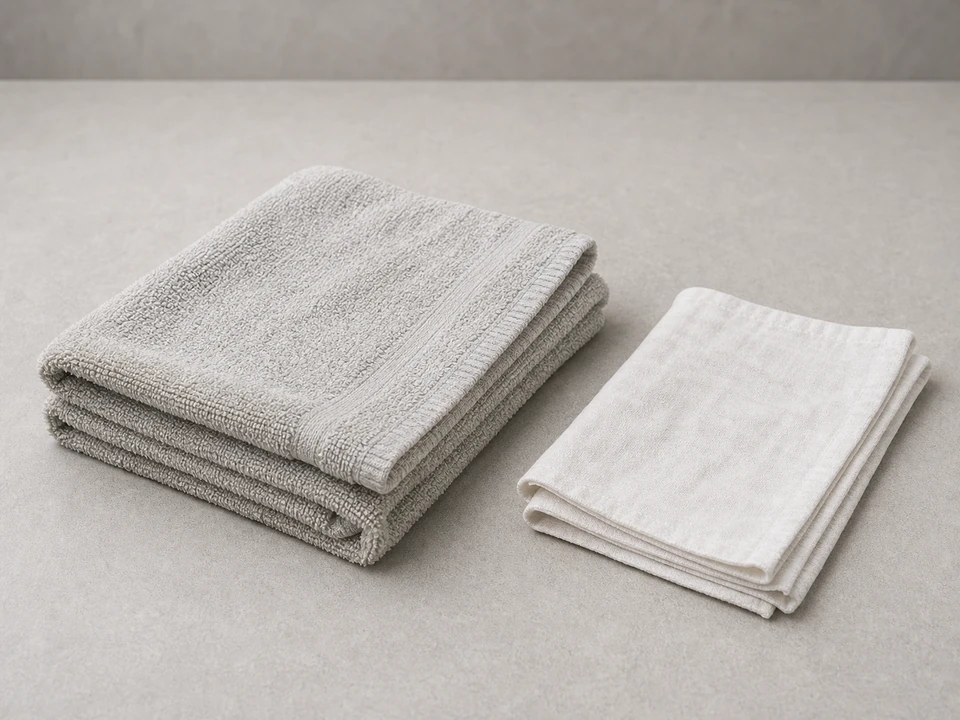
Use it for: Protects the cabinet floor and lets you wipe joints dry before testing.
Shop absorbent shop towels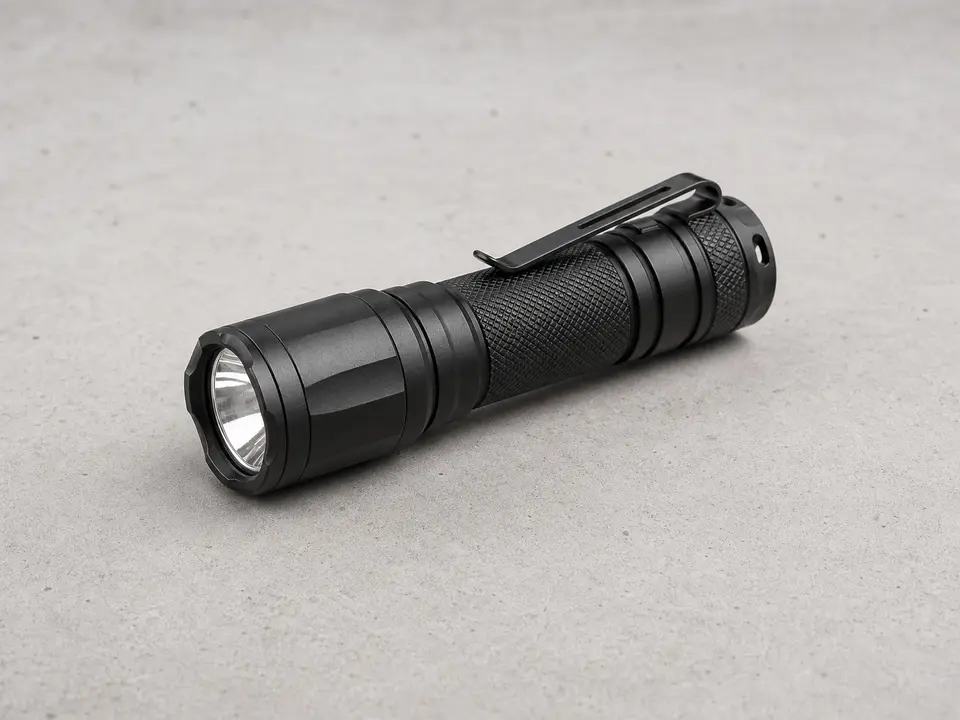
Use it for: Makes it easier to inspect the washers, trap joints, and any hairline cracks.
Shop LED flashlights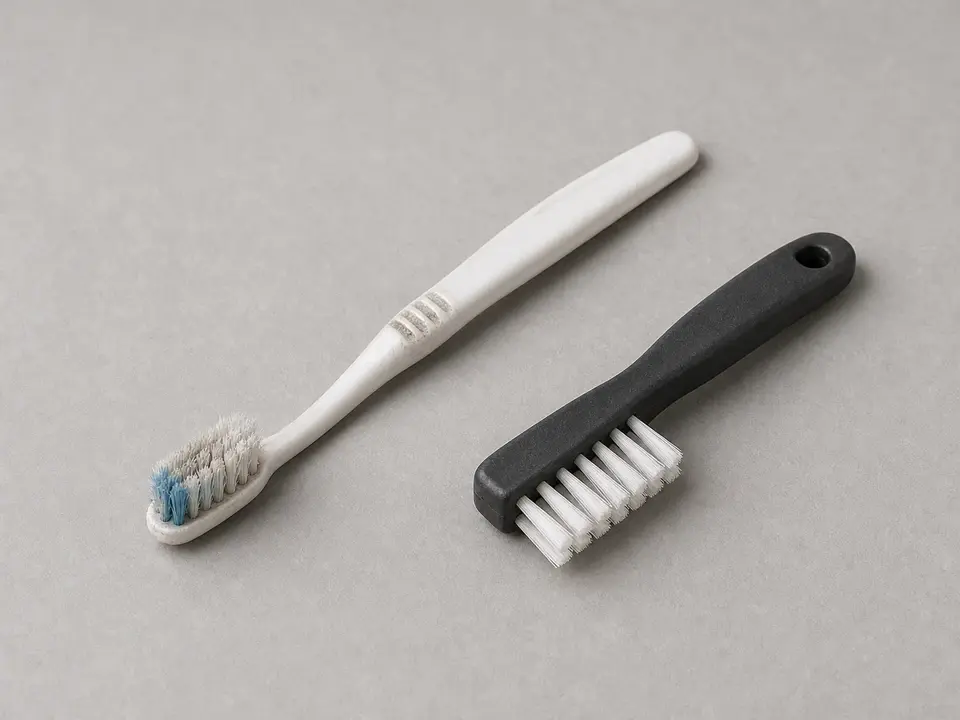
Use it for: Cleans residue off the trap ends and slip nut seats so the new washers can seal.
Shop small cleaning brushesAs an Amazon Associate I earn from qualifying purchases. Repair Riot may earn a commission at no extra cost to you.
If it works: You have traced the problem to a trap slip joint that is leaking or not sealing well.
If it doesn’t: If water is coming from a cracked trap, damaged drain tailpiece, loose pop-up drain body, or supply line, fix that part instead of replacing only the washers.
If it works: The trap is apart and the old washers are out where you can compare them to the replacements.
If it doesn’t: If a nut will not move, apply steady pressure and support the pipe with your other hand so you do not twist the wall stub-out or sink drain.
If it works: The pipe ends are clean and smooth enough for the new washers to seat evenly.
If it doesn’t: If the new washers do not match the old size or the trap style, pause and get the correct set before reassembling.
If it works: The trap is back together with new washers seated squarely and the joints feel snug.
If it doesn’t: If a nut cross-threads or the washer keeps slipping out of place, back it off, realign the pipes, and start that joint again by hand.
If it works: The repaired joints stay dry during both a normal flow and a full sink drain.
If it doesn’t: If a joint seeps, tighten that slip nut a little more by hand or with a very small turn of pliers, then dry it and test again.
If it works: The trap stays dry in normal use and there is no sewer odor from the repaired joints.
If it doesn’t: If moisture or odor returns, recheck the joint alignment and washer fit, or replace the full trap assembly if the old parts are worn.
Match the pipe diameter, inlet and outlet layout, and trap style before ordering.
As an Amazon Associate I earn from qualifying purchases. Repair Riot may earn a commission at no extra cost to you.
If the trap body and nuts are in good shape and the leak is only at the slip joints, new washers are often enough. If the trap is cracked, warped, or heavily corroded, replace the full trap assembly.
The tapered side should face into the matching trap fitting so the washer compresses into the joint as the nut tightens. If installed backward, the joint may leak.
Usually no. Slip joint connections seal with the washer, not the threads. Clean parts, correct washer orientation, and proper alignment matter more than sealant here.
The most common causes are the wrong washer size, a backward washer, cross-threaded or overtightened nuts, dirty sealing surfaces, or a cracked trap piece.
Yes. If a slip joint does not seal well, sewer gas can escape even when water leakage is minor or hard to see. A dry trap from infrequent use can also cause odor, so confirm the trap is holding water too.