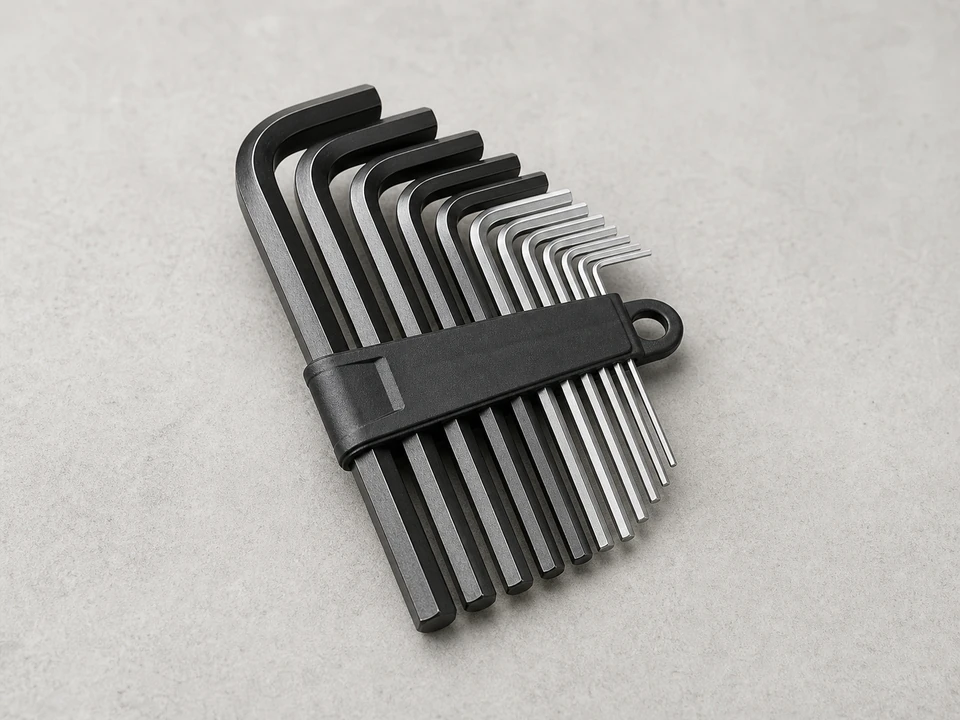
Hex key set
Use it for: Many slip-on tub spouts are held by a small set screw underneath.
Shop hex key setsTo replace a bathtub spout, first confirm the spout itself is leaking or damaged, then remove the old spout, match the new one to the same connection style, install it carefully, and test for leaks at the outlet and where it meets the wall.
This is usually a manageable repair if the pipe stub-out is solid and the wall around the tub is dry. The main thing is not forcing the wrong style of spout onto the wrong connection.
Before you start: Match the replacement part to your exact bathtub before ordering.
Use it for: Many slip-on tub spouts are held by a small set screw underneath.
Shop hex key sets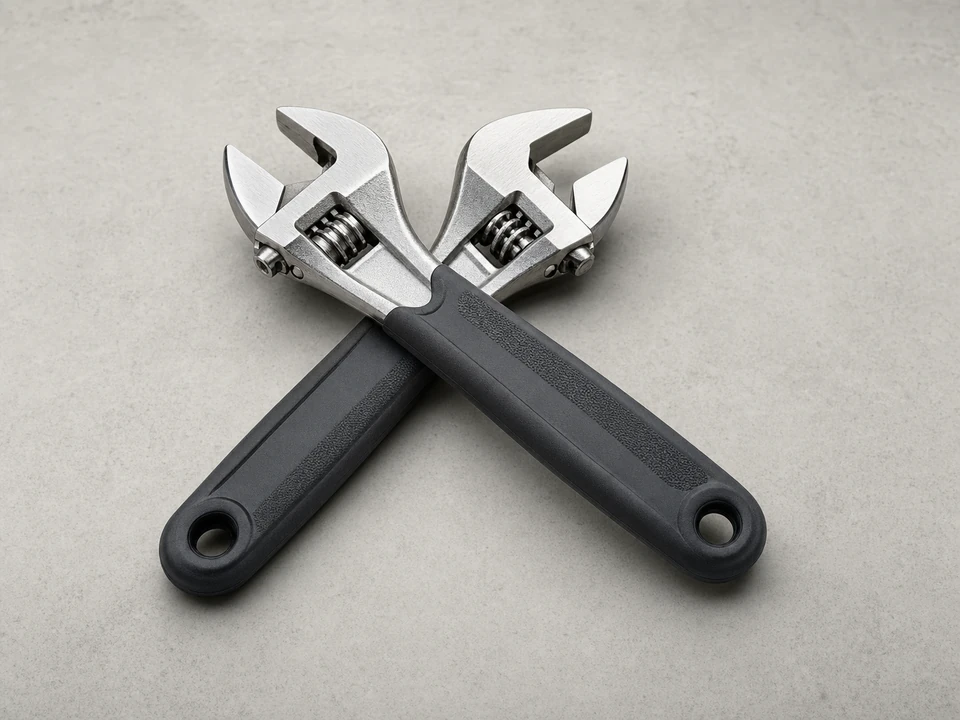
Use it for: Useful for loosening or snugging threaded parts without needing a full wrench set.
Shop adjustable wrenches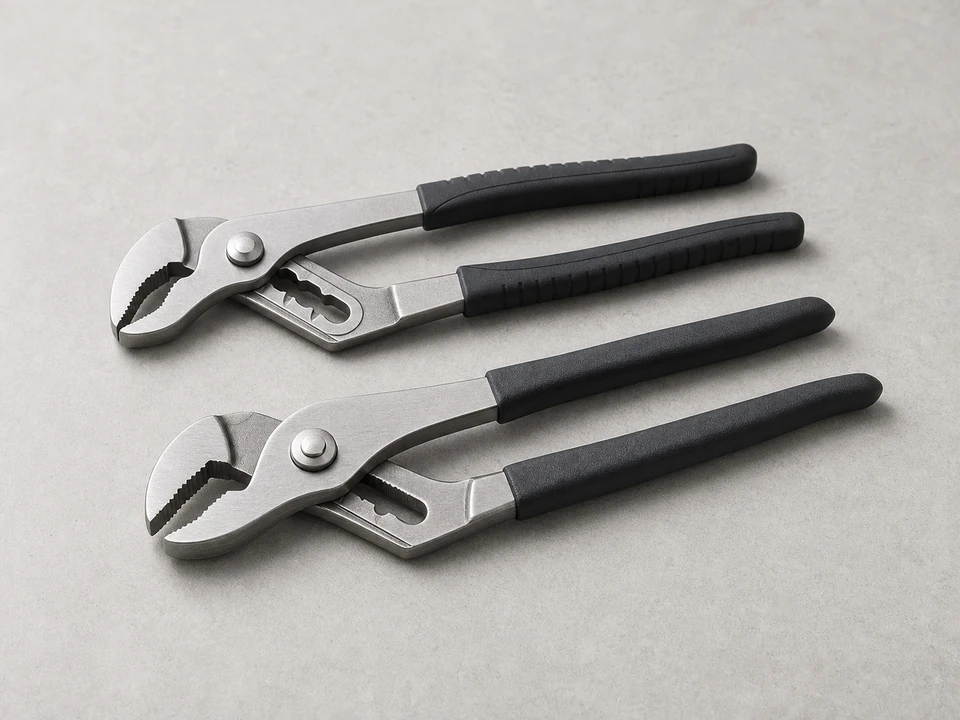
Use it for: Helps turn a stubborn threaded spout if it is stuck.
Shop channel-lock pliers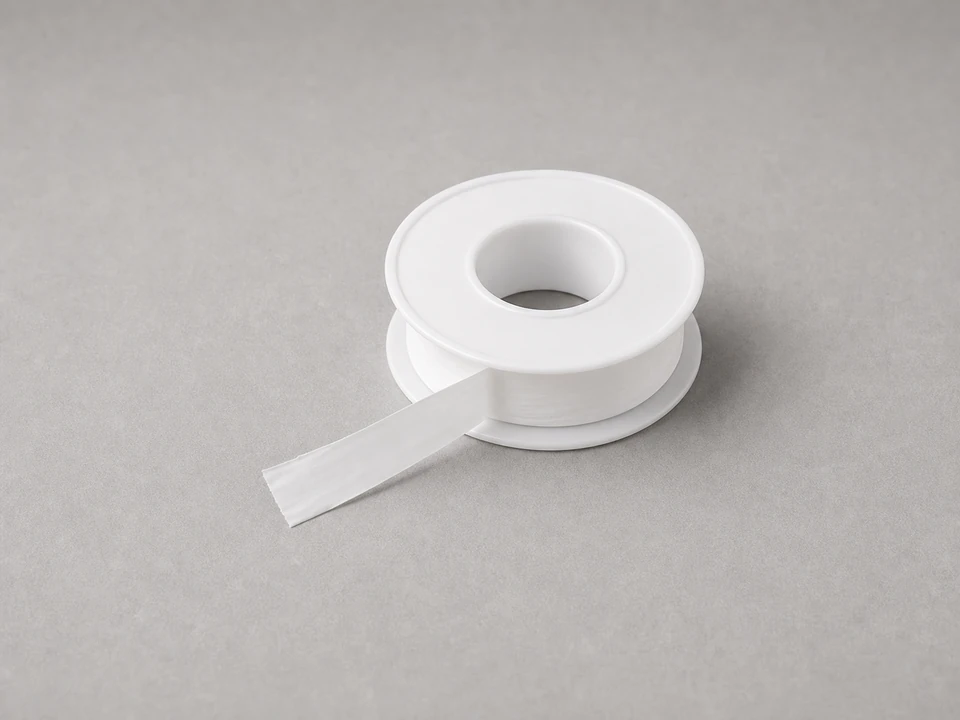
Use it for: Used on threaded connections when the new spout installs onto a threaded pipe nipple.
Shop plumber's tape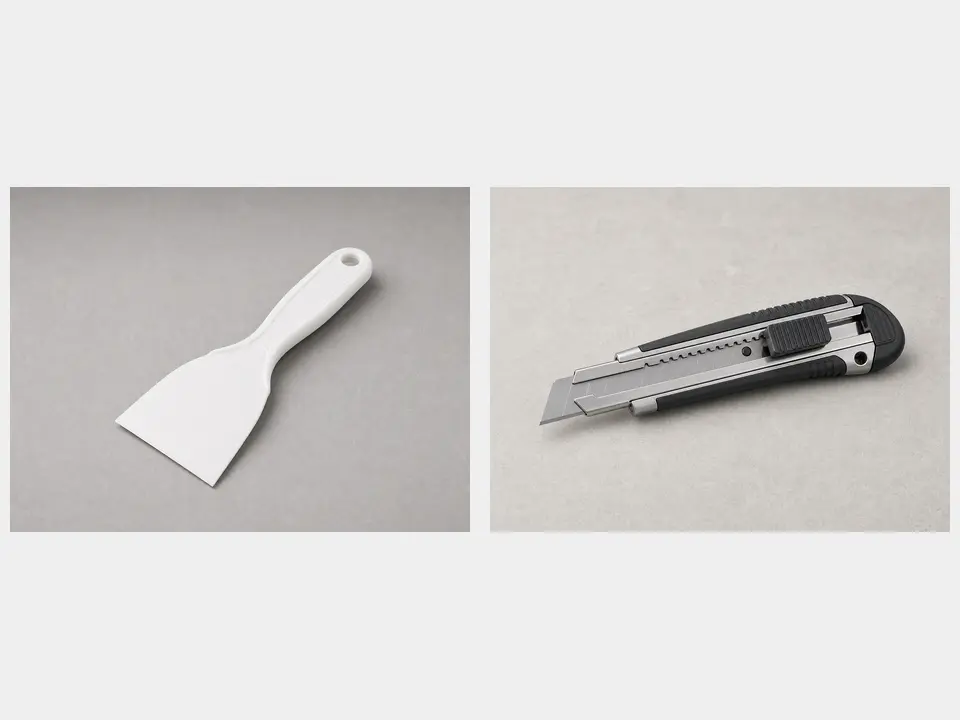
Use it for: Cuts old caulk at the wall so the spout can come off cleanly.
Shop caulk removal tools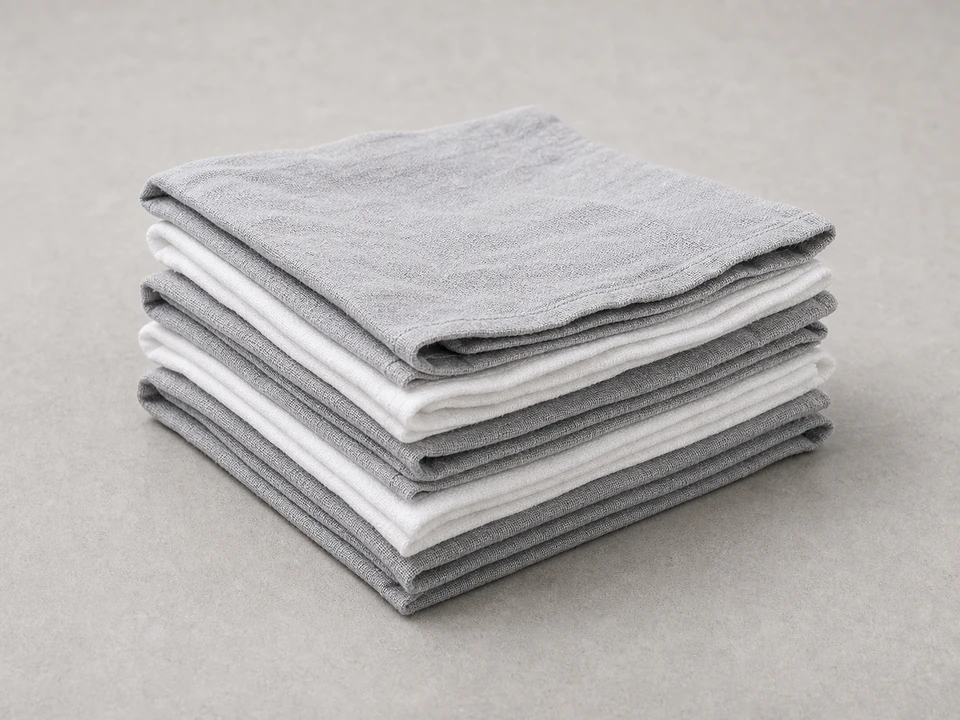
Use it for: Protects finishes, wipes the pipe clean, and helps you spot fresh leaks during testing.
Shop cleaning ragsAs an Amazon Associate I earn from qualifying purchases. Repair Riot may earn a commission at no extra cost to you.
If it works: You have a good reason to replace the bathtub spout and the pipe coming through the wall appears stable.
If it doesn’t: If the drip seems to come from the faucet valve rather than the spout body, fix the valve issue first. If the spout is fine but the wall area is wet, investigate the plumbing behind the wall before replacing parts.
If it works: The tub is protected and you know whether you are dealing with a slip-on or threaded spout.
If it doesn’t: If the underside is hard to see, use a flashlight and mirror before trying to twist anything.
If it works: The old spout is off and the pipe connection is exposed and clean.
If it doesn’t: If the spout is stuck, apply steady pressure instead of jerking it. Recheck for a hidden set screw before trying again.
If it works: The new bathtub spout matches the existing connection and the pipe is ready for installation.
If it doesn’t: If the new spout does not match the old connection style or will not seat properly, exchange it for the correct style instead of trying to adapt it on the fly.
If it works: The new spout is secure, aligned, and seated neatly against the wall.
If it doesn’t: If the spout stops in the wrong position or will not sit flush, remove it and correct the fit rather than forcing it tighter.
If it works: The spout runs normally, the diverter works if equipped, and there is no leaking at the wall or from the connection.
If it doesn’t: If you still have a steady drip from the outlet after replacement, the faucet valve may be the real cause. If water appears at the wall, remove the spout and recheck the connection and fit.
Match the replacement part to your exact bathtub before ordering.
As an Amazon Associate I earn from qualifying purchases. Repair Riot may earn a commission at no extra cost to you.
A slip-on spout usually has a small set screw on the underside near the wall. A threaded spout usually has no set screw and unscrews by turning counterclockwise.
Usually no, because you are replacing the outlet spout, not opening the supply lines. Just make sure the faucet is off. If your faucet does not shut off fully or you are dealing with damaged piping, stop and shut the water off before going further.
A steady drip from the outlet after replacement often means the faucet valve is worn and not shutting off completely. The spout may not have been the root cause.
A thin bead at the top and sides can help keep splash water out, but many pros leave the bottom edge open so a hidden leak can show itself instead of being trapped in the wall.
No. You need the right connection style and a spout that fits your existing pipe setup. Matching the old spout before ordering saves a lot of frustration.