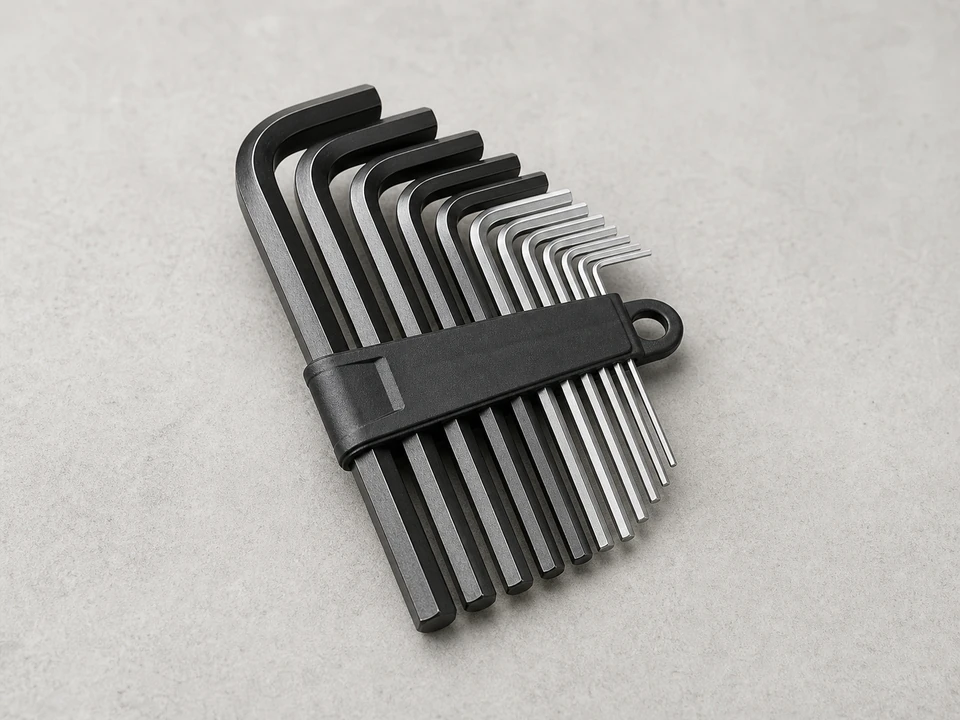
Hex key set
Use it for: Many slip-on tub spouts use a small set screw underneath.
Shop hex key setsTo replace a bathtub tub spout, first confirm the spout itself is leaking, loose, corroded, or failing to divert water properly. Then remove the old spout, identify whether it uses a slip-on or threaded connection, clean the pipe, and install a matching replacement without overtightening.
This is usually a manageable repair if the pipe stub-out is solid and the wall around the spout is dry and intact. The key is matching the new spout to the way the old one attaches.
Before you start: Match the replacement part to your exact bathtub before ordering.
Use it for: Many slip-on tub spouts use a small set screw underneath.
Shop hex key sets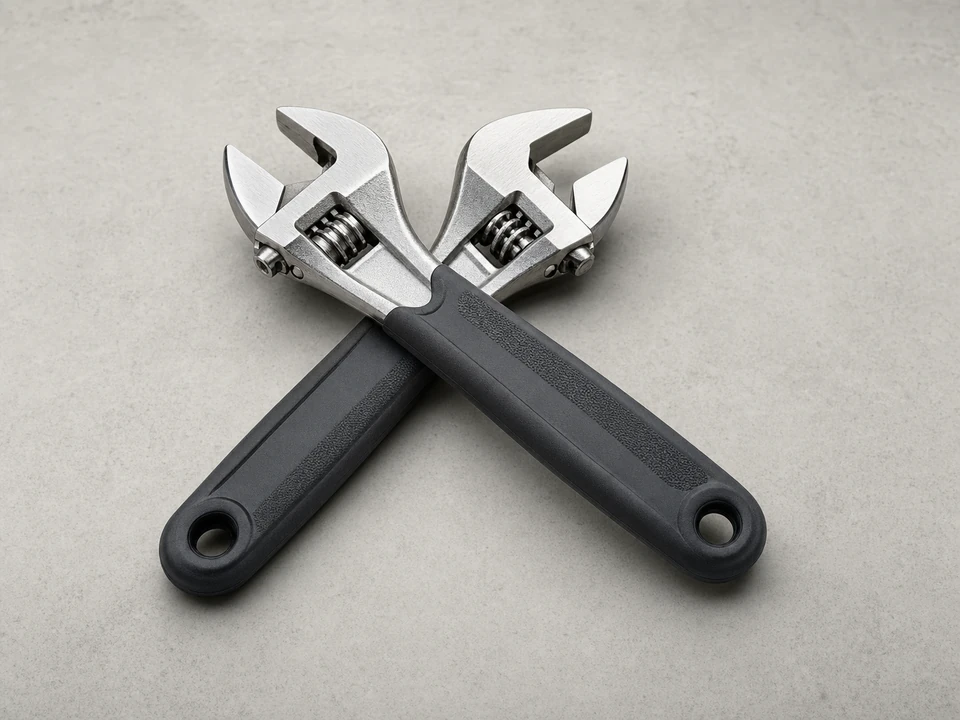
Use it for: Helps loosen or snug a threaded spout if you can grip it safely.
Shop adjustable wrenches
Use it for: Lets you turn a spout with less risk of scratching the finish.
Shop strap wrenches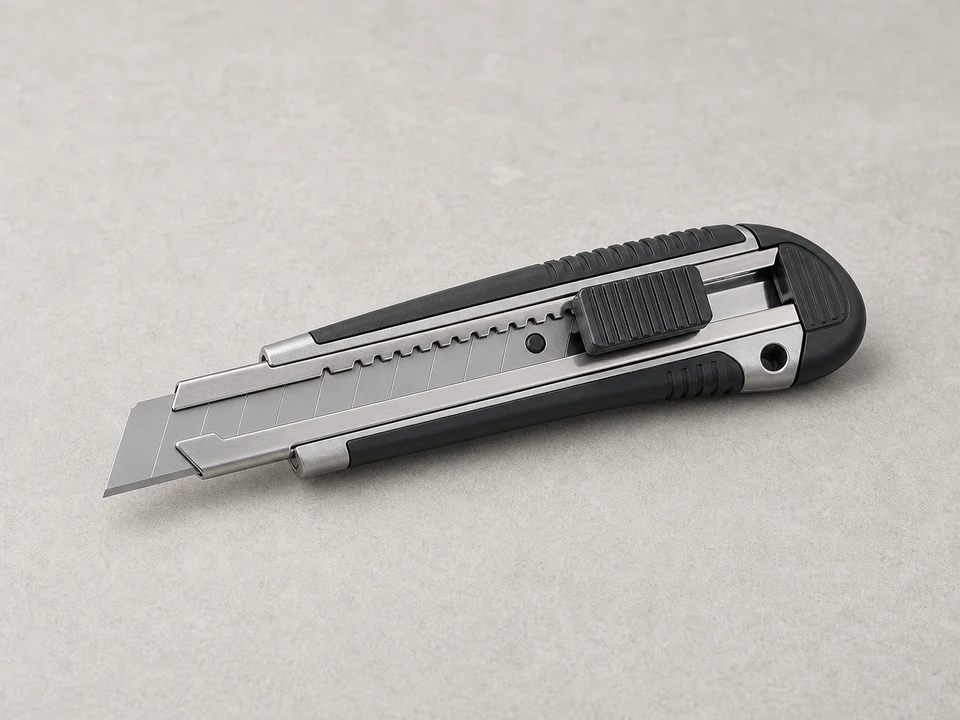
Use it for: Cuts old caulk where the spout meets the wall.
Shop utility knives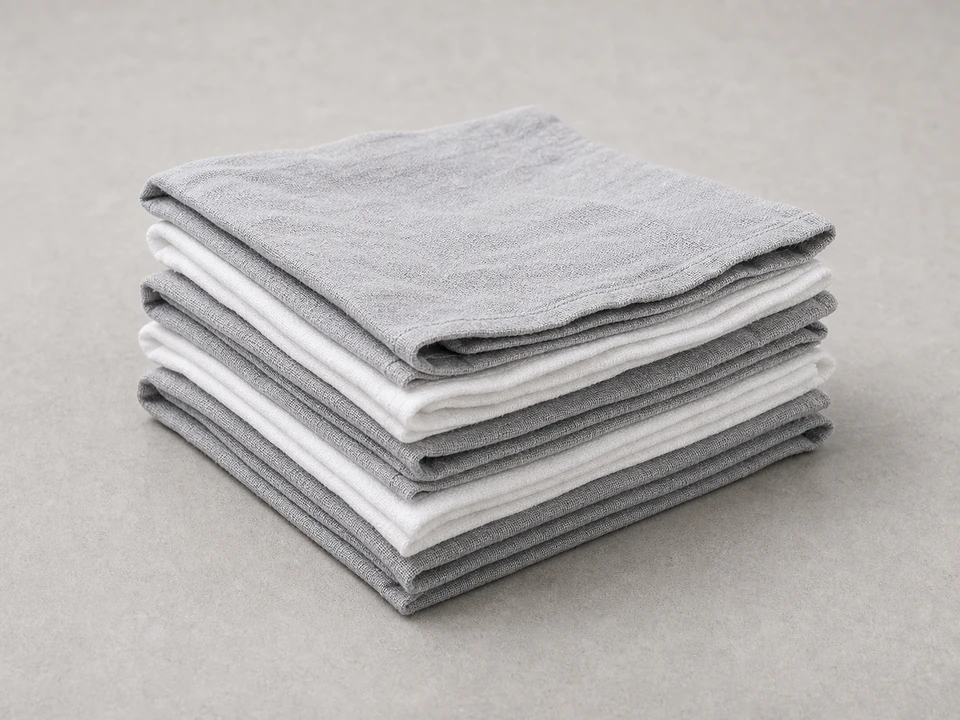
Use it for: Protects finishes and wipes away old debris or water.
Shop cleaning rags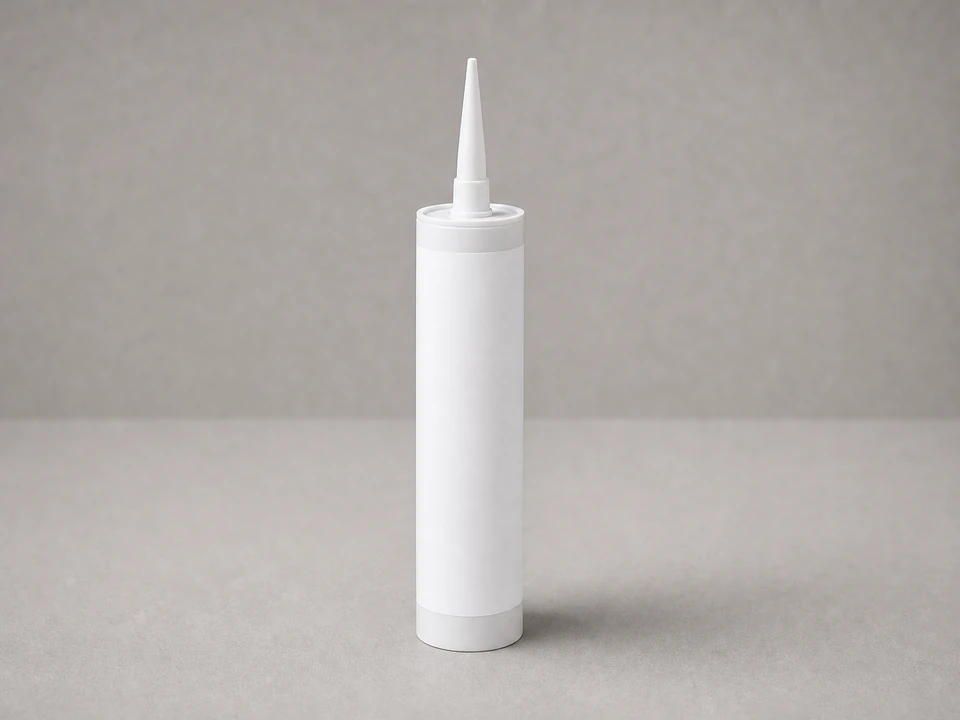
Use it for: Seals the top and sides of the spout trim area after installation if needed.
Shop tub and tile caulkAs an Amazon Associate I earn from qualifying purchases. Repair Riot may earn a commission at no extra cost to you.
If it works: You have a clear reason to replace the bathtub tub spout and the problem appears to be at the spout itself.
If it doesn’t: If the leak is coming from the handle, valve body, or inside the wall, troubleshoot the faucet valve or hidden plumbing instead.
If it works: The work area is protected and the spout is free from old caulk that could tear the wall surface during removal.
If it doesn’t: If the caulk is stubborn, make a few light passes with the knife instead of forcing one deep cut.
If it works: The old spout is off and you know whether it was a slip-on or threaded style.
If it doesn’t: If the spout will not budge, double-check for a hidden set screw or more caulk at the wall before applying more force.
If it works: The pipe is clean and the replacement spout appears to match the old mounting style and fit.
If it doesn’t: If the new spout does not match the old connection style or does not line up with the pipe length, exchange it for the correct style before installing.
If it works: The new spout is secure, straight, and seated neatly against the wall.
If it doesn’t: If the spout stops short, sits crooked, or feels loose, remove it and recheck the fit and connection style before trying again.
If it works: The spout stays secure, the water flow looks normal, and there are no leaks during tub or shower use.
If it doesn’t: If you still have dripping, poor diverter performance, or water at the wall, remove the spout and verify the fit again or inspect the faucet valve and supply piping for a different failure.
Match the replacement part to your exact bathtub before ordering.
As an Amazon Associate I earn from qualifying purchases. Repair Riot may earn a commission at no extra cost to you.
A slip-on spout usually has a small set screw on the underside near the wall. A threaded spout usually unscrews by turning counterclockwise and does not have that set screw.
Usually no, because you are replacing the outlet spout, not opening the supply lines. Just make sure the faucet is off and do not start the repair if the valve will not shut off fully.
Leaving the bottom open gives hidden leaks a place to show instead of trapping water behind the wall. Seal the top and sides if needed, but do not seal the bottom edge shut.
If water still drips from the outlet after replacement, the faucet valve may be letting water pass even when off. In that case, the spout was not the root cause.
Sometimes a loose spout can be tightened, but replacement is usually the better fix if the spout is corroded, cracked, leaking at the body, or the diverter is worn out.