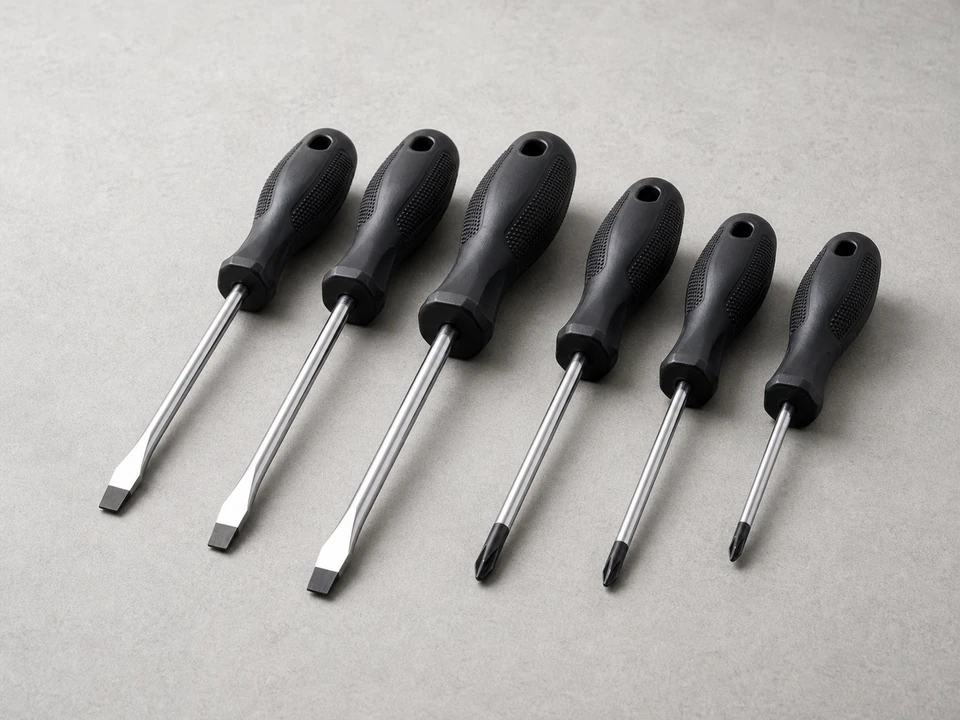
Screwdriver set
Use it for: To remove the switch cover, mounting screws, or terminal screws.
Shop screwdriver setsTo replace a boiler condensate float switch, first confirm the switch is the reason the boiler is locked out or the condensate safety is not working, then shut off power, remove the old switch, install the matching replacement, reconnect the wiring or tubing the same way, and test that the boiler shuts down and restarts when the float changes position.
A condensate float switch is a safety device. When the drain backs up or the pump reservoir fills too high, it opens or closes the control circuit to stop the boiler before water spills where it should not. If the switch sticks, fails electrically, or no longer moves freely, replacing it is usually straightforward as long as you work carefully and verify the drain problem itself is not being ignored.
Before you start: Match the float switch style, voltage or control compatibility, and condensate application before ordering.
Use it for: To remove the switch cover, mounting screws, or terminal screws.
Shop screwdriver sets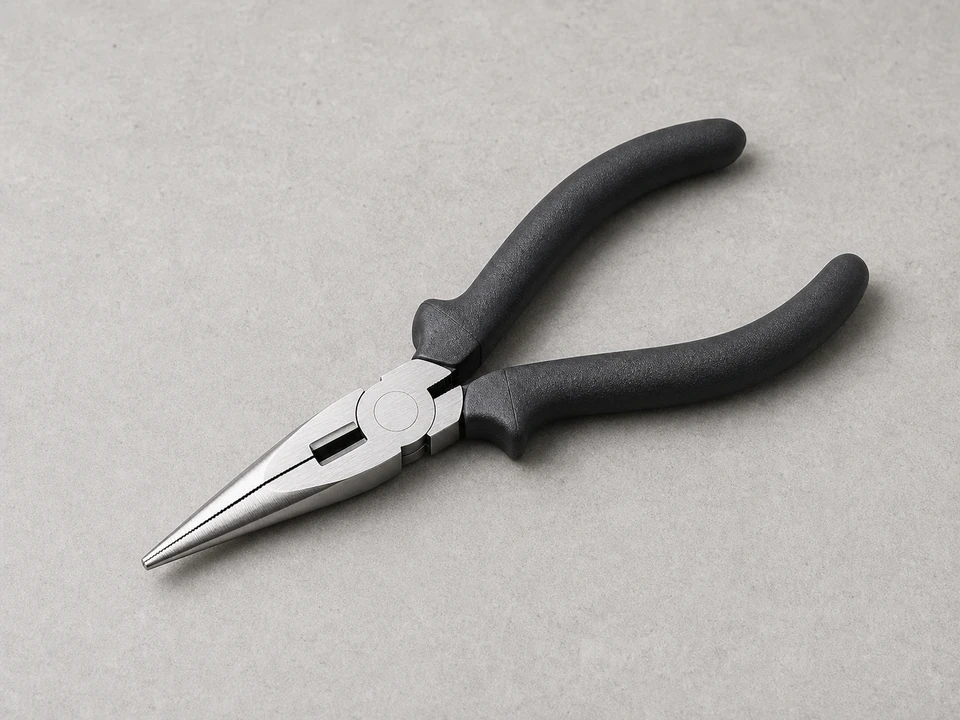
Use it for: To pull spade connectors and guide small wires without damaging them.
Shop needle-nose pliers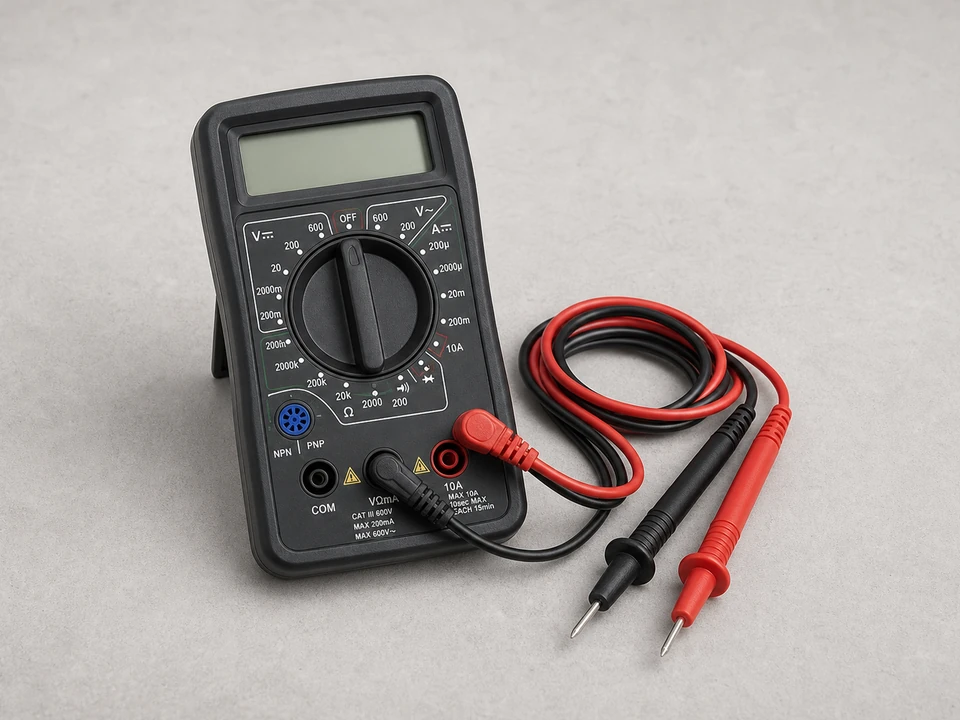
Use it for: To confirm power is off and check whether the old switch changes continuity when the float moves.
Shop multimeters
Use it for: To catch any condensate left in the trap, tubing, or pump reservoir.
Shop absorbent towels
Use it for: To take a clear reference photo before disconnecting wires.
Shop simple work lights with phone standAs an Amazon Associate I earn from qualifying purchases. Repair Riot may earn a commission at no extra cost to you.
If it works: You have good reason to replace the float switch instead of chasing a different condensate problem.
If it doesn’t: If the switch tests normally, clean the condensate drain path and check the pump or trap before replacing parts.
If it works: The boiler is de-energized and the switch area is ready to work on without surprise spills.
If it doesn’t: If you still read voltage, stop and find the correct disconnect before continuing.
If it works: The old float switch is out and you have the wiring and mounting layout documented.
If it doesn’t: If the switch will not come free, look again for a hidden clip, retaining tab, or screw rather than forcing it.
If it works: The new float switch is mounted securely and wired the same way as the original.
If it doesn’t: If the new switch does not match the old mounting or terminal arrangement, pause and verify you have the correct replacement before energizing the boiler.
If it works: The condensate system is reassembled, cleaner than before, and ready for a live test.
If it doesn’t: If water still does not drain freely, fix the blockage first or the new switch may shut the boiler down again right away.
If it works: The boiler runs normally, the condensate system stays dry, and the float switch stops and restores operation the way it should.
If it doesn’t: If the boiler still will not run, or it never shuts down when the float rises, recheck the wiring against your photo and test the rest of the condensate drain system for a separate fault.
Match the float switch style, voltage or control compatibility, and condensate application before ordering.
As an Amazon Associate I earn from qualifying purchases. Repair Riot may earn a commission at no extra cost to you.
It monitors condensate level in a pan, trap area, or pump reservoir and interrupts the boiler control circuit when water gets too high. That helps prevent overflow and water damage.
Sometimes yes. If the float is only dirty and the switch still changes continuity reliably, cleaning may restore normal operation. Replace it if the float sticks, the housing is damaged, or the switch fails electrically.
The most common causes are sludge buildup, scale, a blocked condensate drain, a failing condensate pump, corrosion, or a worn internal switch. Replacing the switch without clearing the root cause can lead to another shutdown.
Not always. Replace the pump only if it is not moving water, is leaking, or is causing repeated high-water conditions. If the pump works and the float switch alone has failed, the switch may be the only part you need.
It is not a safe long-term fix. Bypassing the switch removes the overflow protection and can let condensate back up into the equipment or onto the floor.