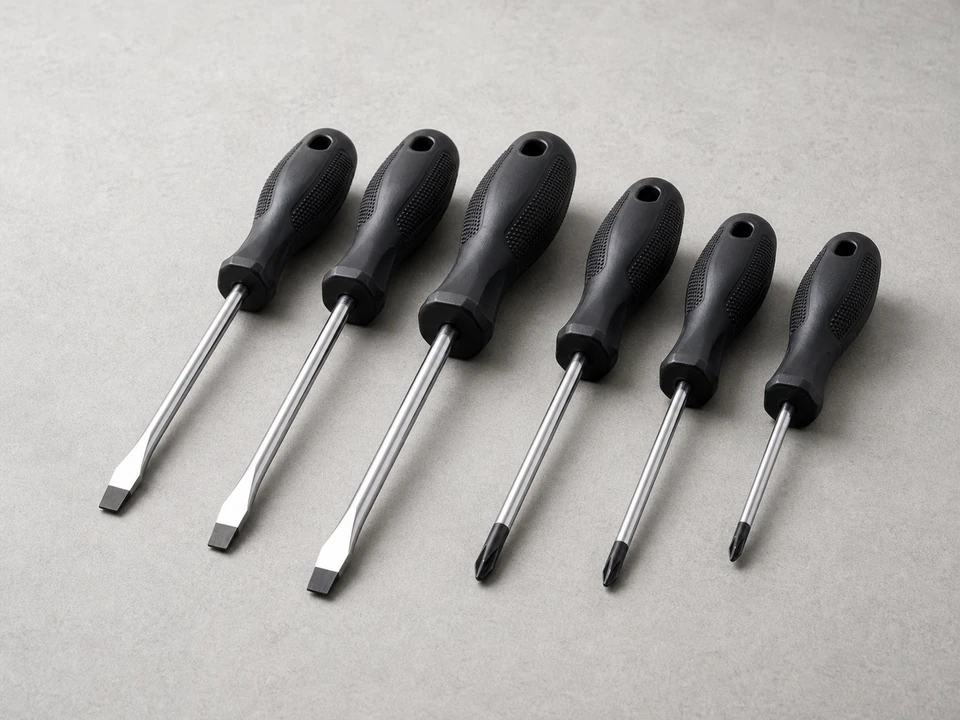
Screwdriver set
Use it for: To open the access panel and loosen switch terminals or mounting hardware.
Shop screwdriver setsTo replace a condensate drain float switch, first make sure the switch itself is the problem and not just a clogged drain line. Then shut off power to the air handler or furnace, remove the old switch, install the matching replacement, reconnect the low-voltage wires, and test that the system shuts off when the float rises.
A condensate drain float switch is a simple safety device. When water backs up in the drain, the float rises and opens the control circuit so the AC stops before water spills out. If the switch is cracked, stuck, corroded, or no longer opens and closes reliably, replacing it is usually straightforward.
Before you start: Match the float switch style, voltage or control compatibility, and condensate application before ordering.
Use it for: To open the access panel and loosen switch terminals or mounting hardware.
Shop screwdriver sets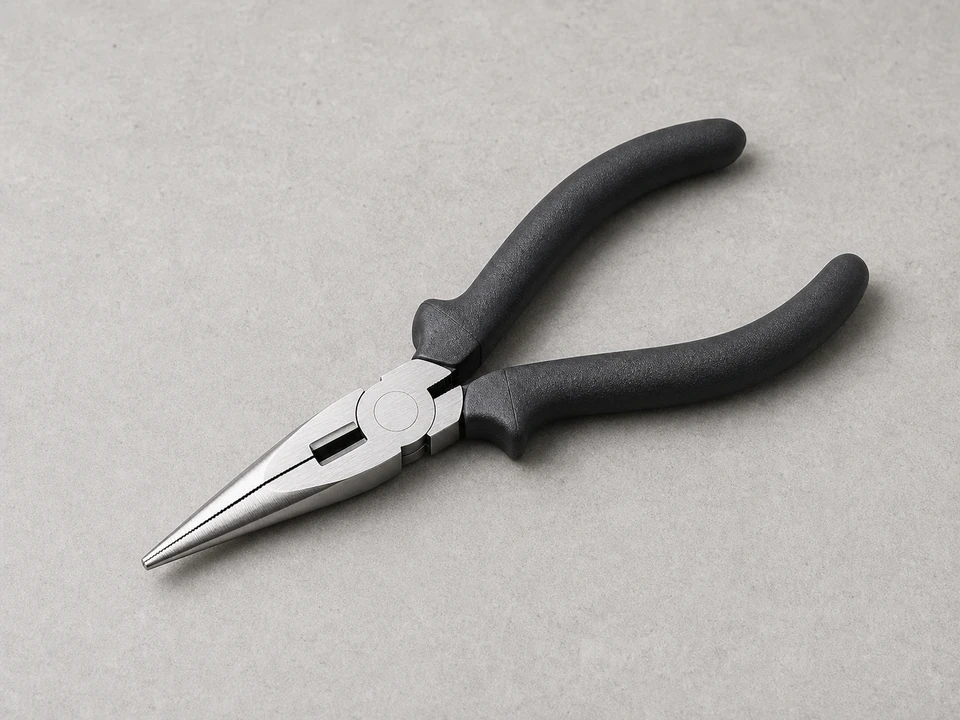
Use it for: To pull low-voltage connectors and guide wires into the new switch neatly.
Shop needle-nose pliers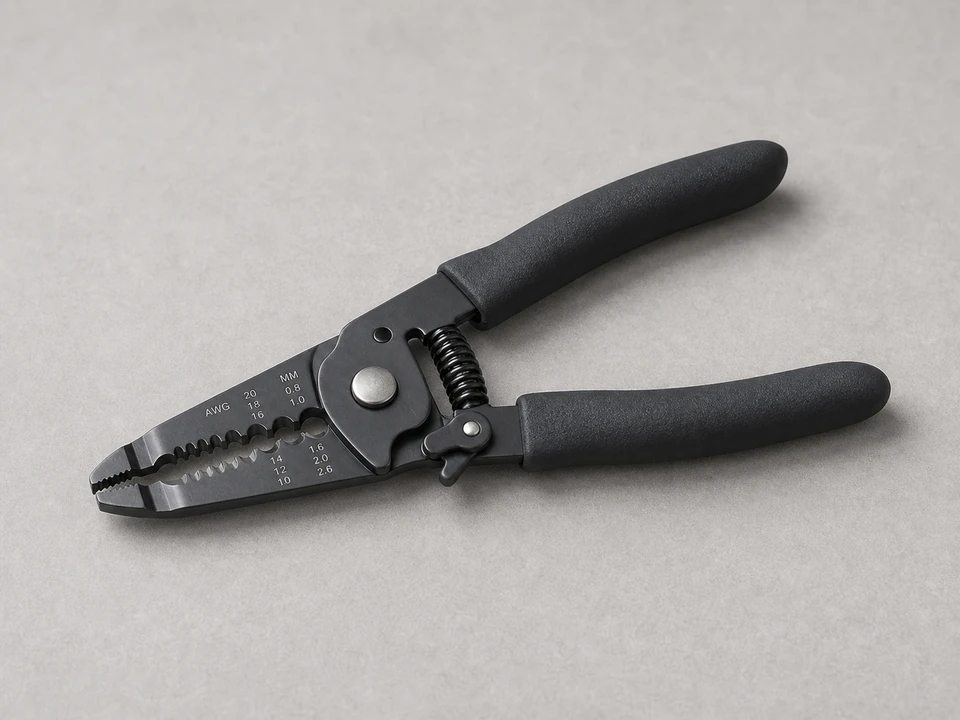
Use it for: To trim and re-strip low-voltage thermostat wire if the old ends are damaged.
Shop wire strippers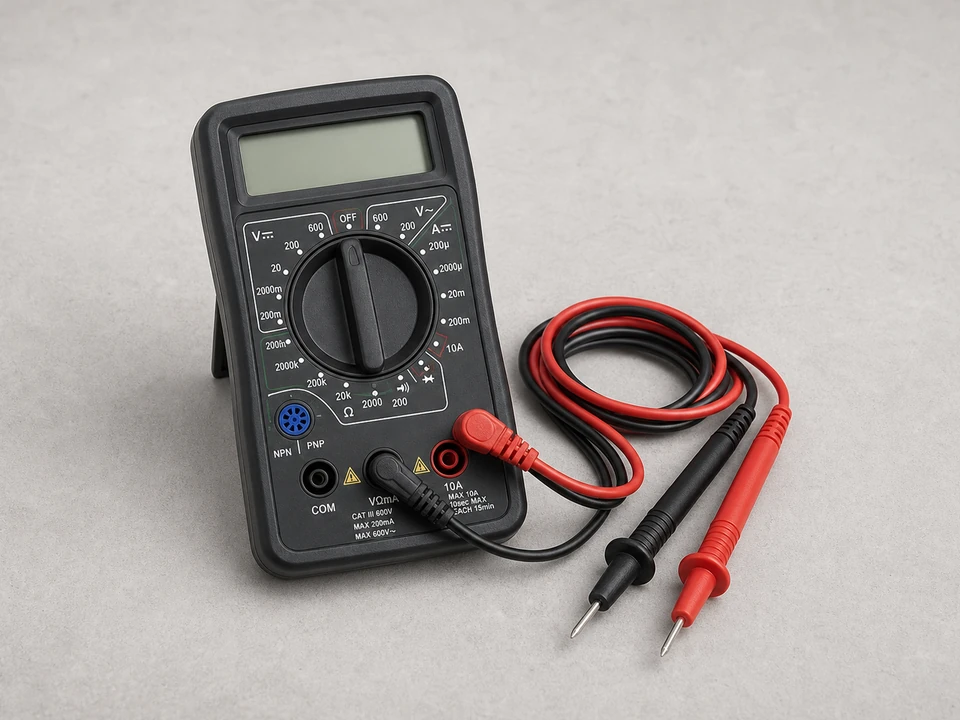
Use it for: To check that power is off and verify the switch opens and closes if needed.
Shop multimeters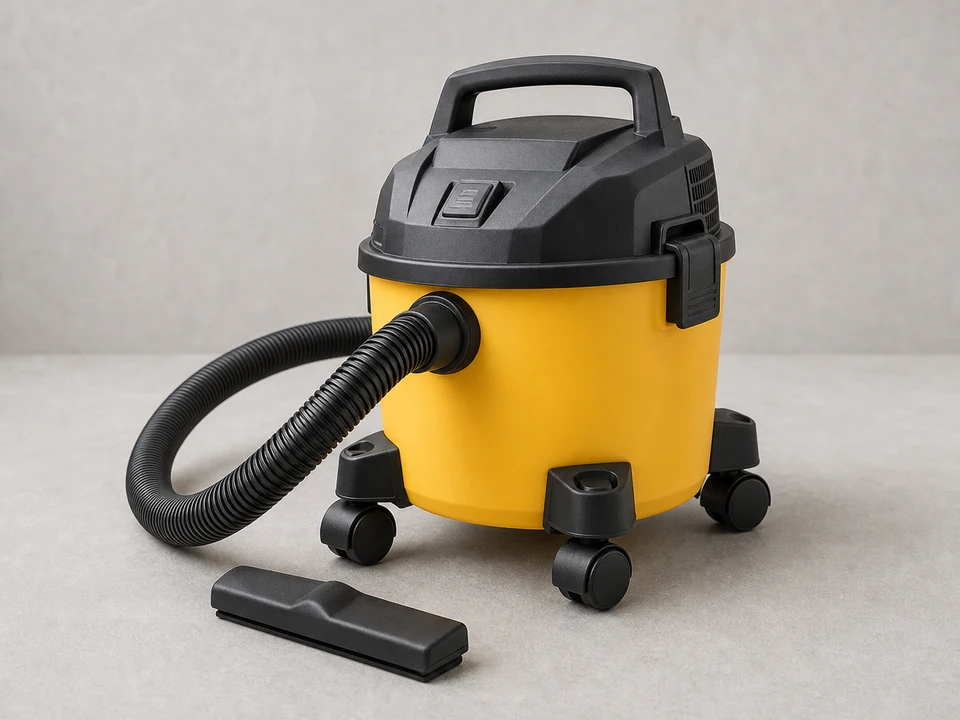
Use it for: To clear standing water or pull a clog from the condensate drain before testing the new switch.
Shop wet dry vacsAs an Amazon Associate I earn from qualifying purchases. Repair Riot may earn a commission at no extra cost to you.
If it works: You have a good reason to replace the switch instead of only cleaning the drain.
If it doesn’t: If the switch resets normally after the drain is cleared, you may only need drain cleaning rather than switch replacement.
If it works: The equipment is off and the switch is safely accessible.
If it doesn’t: If you still read voltage or the blower starts unexpectedly, stop and find the correct disconnect or breaker before continuing.
If it works: The old switch is out and you have a clear record of the original wiring and position.
If it doesn’t: If the wire ends break or look corroded, trim them back slightly and strip fresh ends before installing the new switch.
If it works: The new switch is mounted securely and wired the same way as the old one.
If it doesn’t: If the replacement does not fit the drain opening, pan, or wiring arrangement, pause and get the correct switch rather than forcing it.
If it works: The drain area is clean, the cabinet is closed up, and the system is ready for testing.
If it doesn’t: If water does not leave the drain line or backs up again right away, the drain blockage still needs attention before the switch test will mean much.
If it works: The system runs when the drain is normal and shuts off when the float rises, which means the new switch is working.
If it doesn’t: If the system never shuts off during the float test, recheck the wiring path and terminal connections. If it shuts off but will not restart after the float drops, recheck for a drain blockage or a wiring mistake.
Match the float switch style, voltage or control compatibility, and condensate application before ordering.
As an Amazon Associate I earn from qualifying purchases. Repair Riot may earn a commission at no extra cost to you.
A clogged drain is more common. If you clear the drain and the float drops back to normal, the switch may be fine. Replace the switch if it is cracked, corroded, stuck, or does not open and close reliably after the drain issue is fixed.
Only briefly for diagnosis, and only if you understand the low-voltage circuit. Leaving it bypassed removes the overflow protection and can lead to water damage. For a homeowner repair, replacing a failed switch is the safer path.
Not completely. Many are similar, but mounting style, switch action, and wiring setup can differ. Match the replacement to your drain or pan location and your system's control wiring.
Yes, if there is any sign of backup. A new switch will not solve the root problem if the condensate line is still restricted.
The most common causes are a wiring mistake, a float that is stuck in the raised position, or a drain that is still holding water. Recheck the wire connections, make sure the float moves freely, and confirm the drain is actually clear.