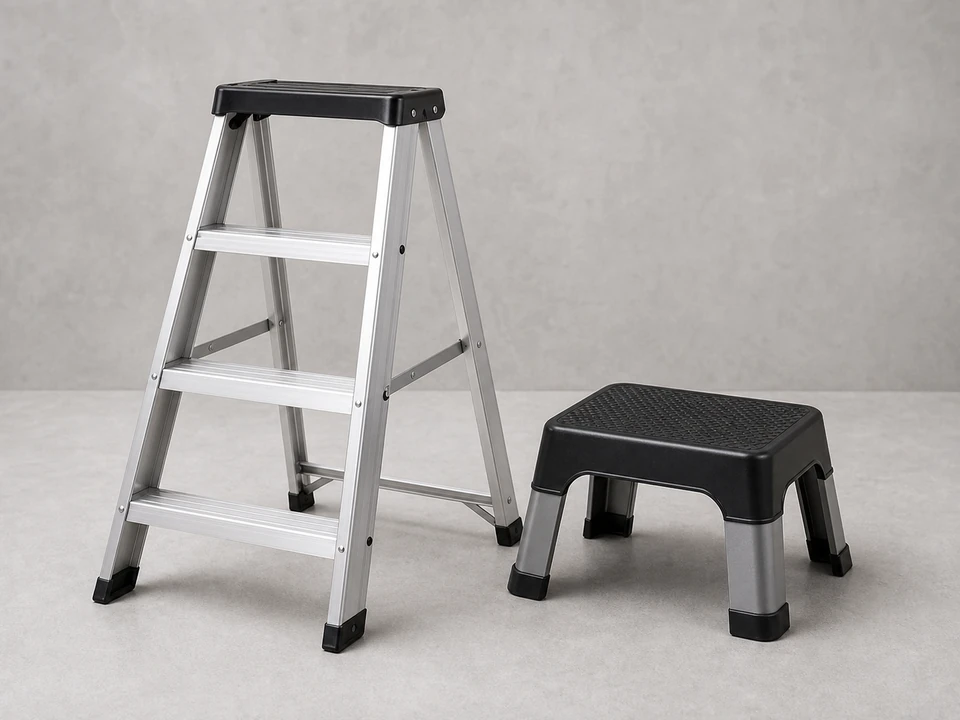
Stepladder
Use it for: To reach the fan canopy safely and work with both hands free.
Shop stepladdersTo replace a ceiling fan remote receiver, turn off power at the breaker, lower the fan canopy, disconnect the old receiver, connect the new one the same way, tuck the wiring back neatly, and test the fan and light with the remote.
This repair is usually worth trying when the fan has power but the remote control works inconsistently, the fan hums or buzzes through the control, or the light and fan stop responding even after fresh remote batteries and a remote reset. Work carefully around house wiring and stop if anything inside the canopy looks overheated or damaged.
Before you start: Match the replacement part to your exact ceiling fan before ordering.
Use it for: To reach the fan canopy safely and work with both hands free.
Shop stepladders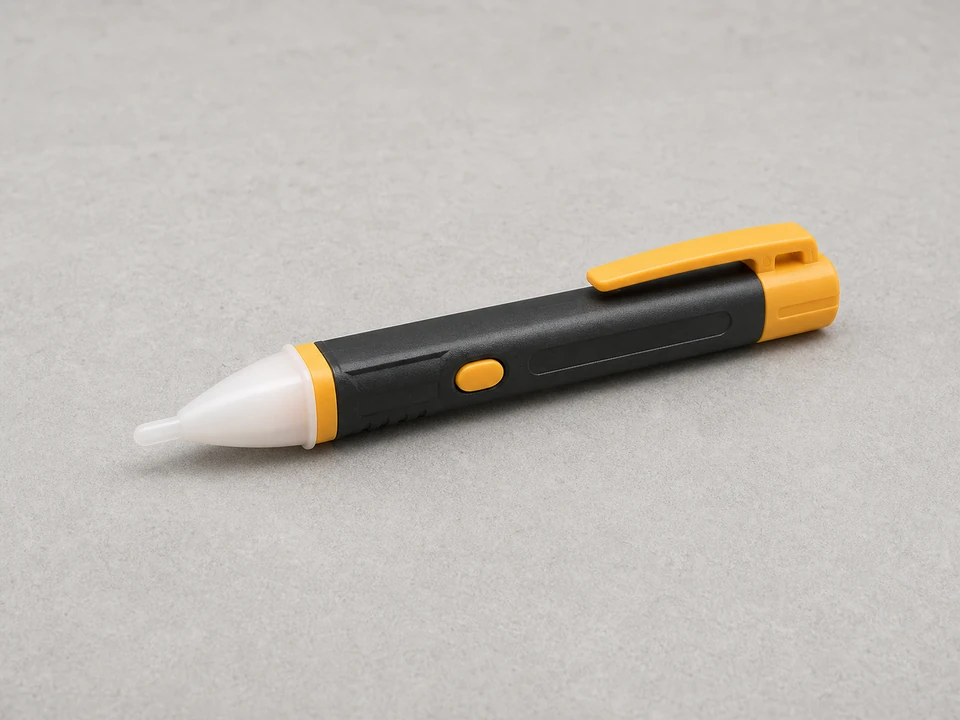
Use it for: To confirm power is actually off before touching any wiring.
Shop non-contact voltage testers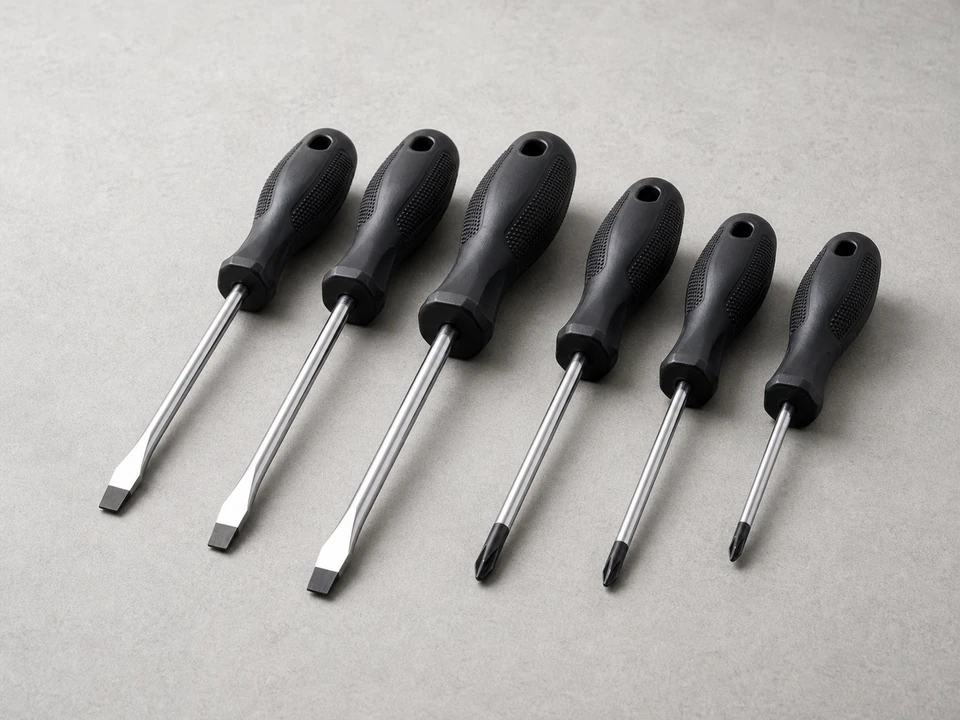
Use it for: To remove the canopy screws and open any receiver cover or wire compartment.
Shop screwdriver sets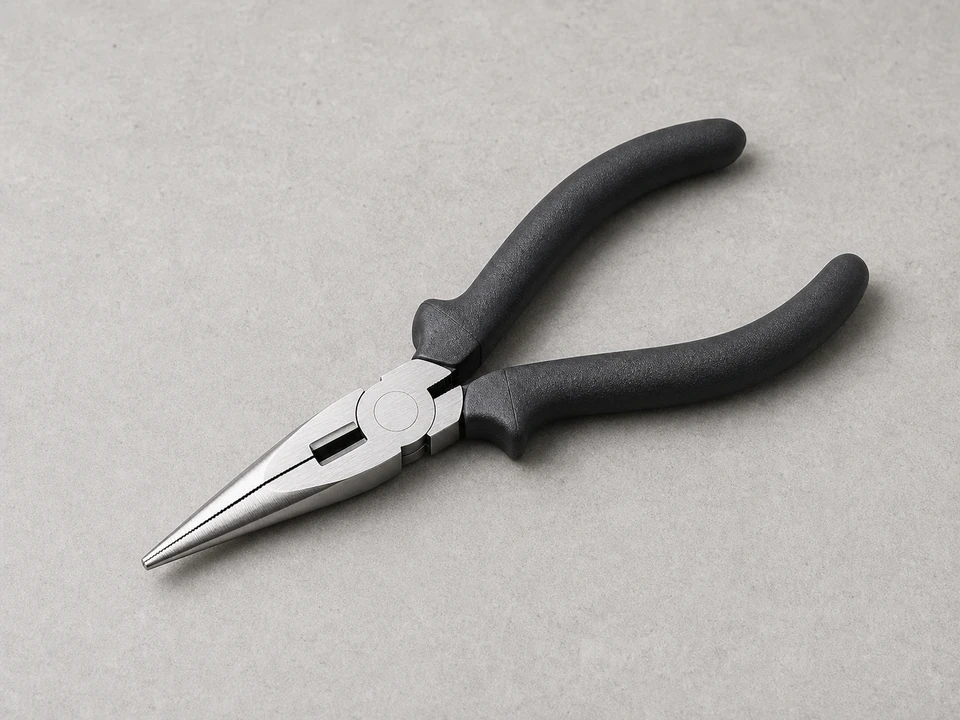
Use it for: To help loosen wire connectors and guide wires back into the canopy.
Shop needle-nose pliers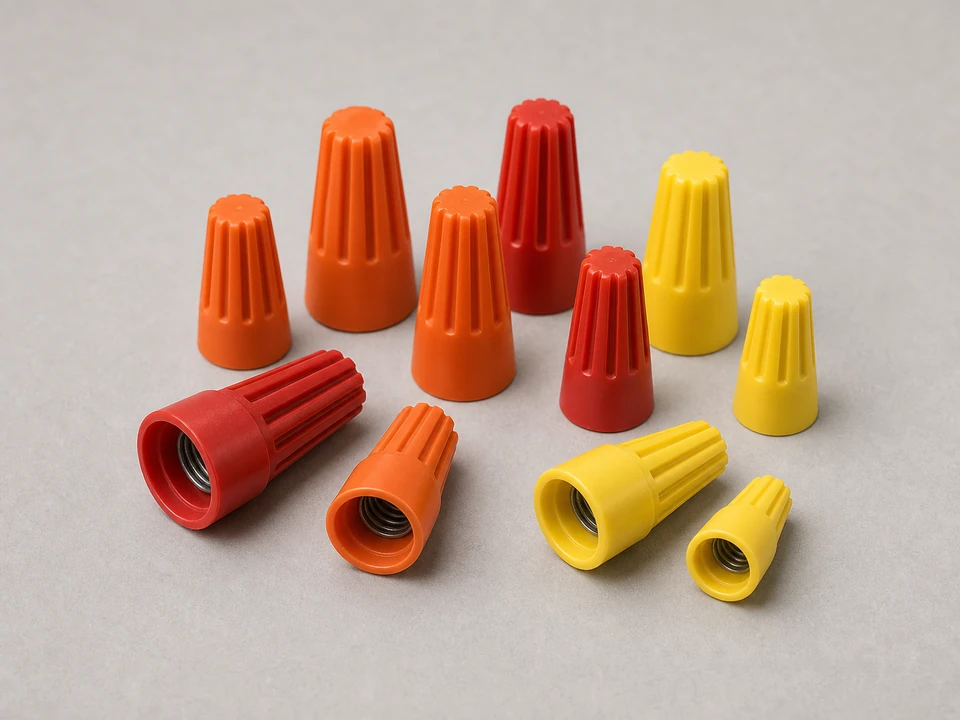
Use it for: To replace any damaged wire nuts or make secure connections if the new receiver does not include them.
Shop wire connectorsAs an Amazon Associate I earn from qualifying purchases. Repair Riot may earn a commission at no extra cost to you.
If it works: You have a good reason to replace the ceiling fan remote receiver instead of chasing a dead battery or simple remote setup issue.
If it doesn’t: If the fan has no power at all, the wall switch is bad, or the fan will not run even with pull-chain control, diagnose the power supply or fan itself before replacing the receiver.
If it works: The canopy is open, the power is off, and you can safely access the receiver and wiring.
If it doesn’t: If the canopy will not lower easily, check for a hidden screw, trim ring, or twist-lock canopy before forcing it.
If it works: The old receiver is out and you have a clear record of how the wiring was connected.
If it doesn’t: If the wire colors or labels do not make sense, pause and use the receiver's wiring diagram or the fan manual before reconnecting anything.
If it works: The new receiver is wired in place with secure, matched connections.
If it doesn’t: If the new receiver came with a remote and your old remote is not compatible, use the new remote and complete its setup before closing the canopy.
If it works: The fan is reassembled, power is back on, and the receiver is protected inside the canopy.
If it doesn’t: If the canopy will not close cleanly, lower it again and rearrange the receiver and wire bundle so nothing is pinched.
If it works: The fan and light respond normally, the remote works consistently, and the repair holds during actual use.
If it doesn’t: If the fan still behaves the same way, recheck the remote pairing and wiring. If those are correct, the problem may be in the remote, capacitor, switch, or fan motor rather than the receiver.
Match the replacement part to your exact ceiling fan before ordering.
As an Amazon Associate I earn from qualifying purchases. Repair Riot may earn a commission at no extra cost to you.
Start with fresh batteries, correct dip switch settings or pairing, and a working wall switch. If the fan has power and the pull chains still operate the fan or light, but remote control is erratic or dead, the receiver is a common failure point.
You need a replacement that matches your fan's wiring functions and fits in the canopy. The safest choice is a receiver listed for your exact fan or a clearly compatible replacement.
Usually yes. On many fans, the receiver sits in the canopy above the motor housing, so you can lower the canopy and swap it there without removing the entire fan.
Buzzing can come from a failing receiver, loose wiring connection, or another control component under load. If the buzzing changes or stops after receiver replacement, that points to the old receiver as the cause.
Use the included remote if the receiver requires it. Many replacement receivers are paired to a matching remote or need a specific setup process, so the old remote may not work with the new receiver.