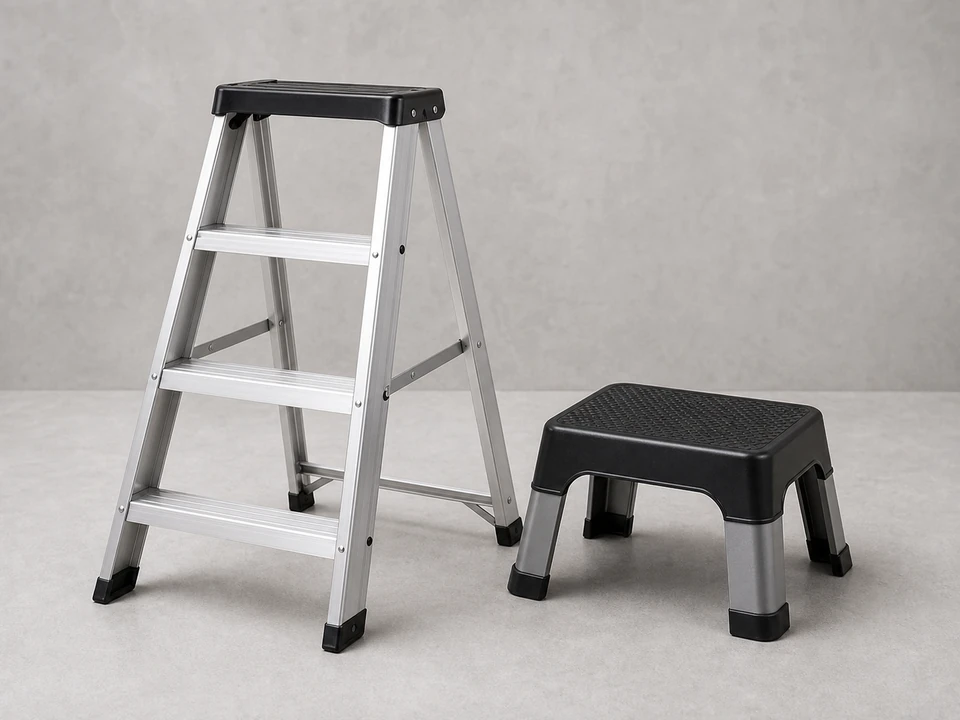
Stepladder
Use it for: To safely reach the fan canopy and support your work overhead.
Shop stepladdersIf your ceiling fan only works intermittently, stopped responding to the handheld remote, or the fan and light act erratically even after fresh batteries, replacing the ceiling fan remote receiver and remote kit is often the right fix.
The receiver usually sits in the ceiling canopy above the fan. This repair is straightforward if you can safely turn off power, lower the canopy, move one wire at a time, and pair the new remote before closing everything back up.
Before you start: Match the replacement part to your exact ceiling fan before ordering.
Use it for: To safely reach the fan canopy and support your work overhead.
Shop stepladders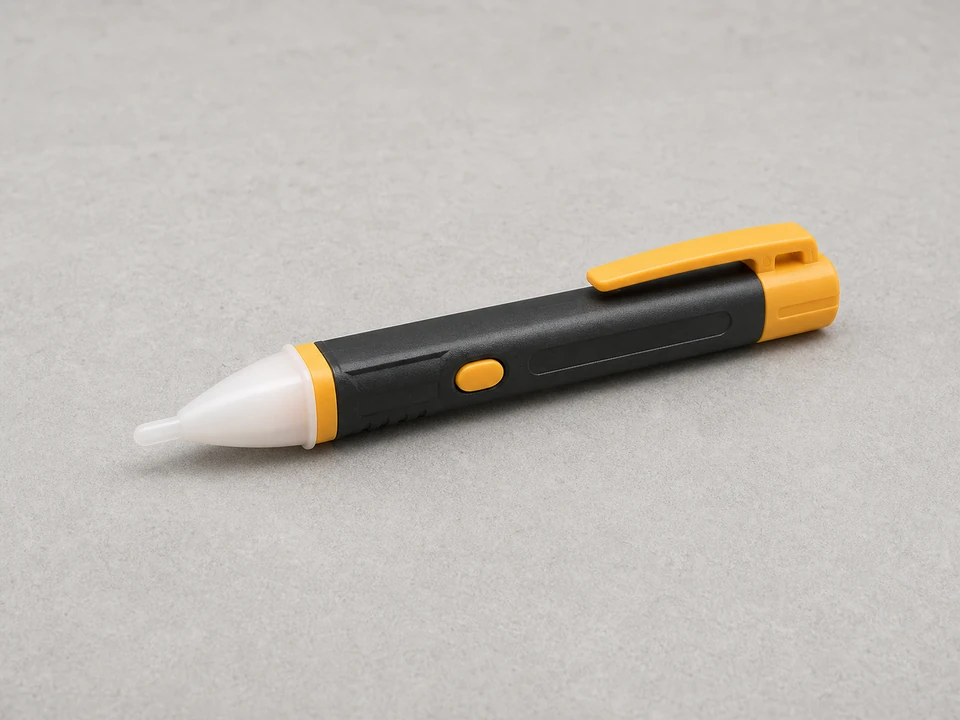
Use it for: To confirm power is actually off before you touch any wiring.
Shop non-contact voltage testers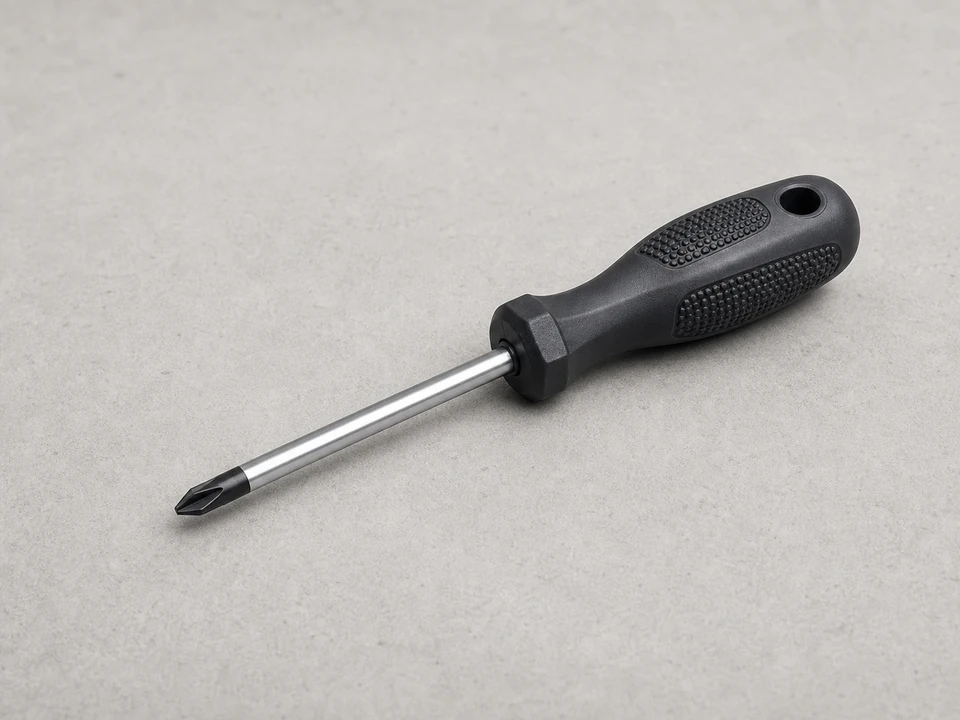
Use it for: To remove the canopy screws and battery cover screws if needed.
Shop Phillips screwdrivers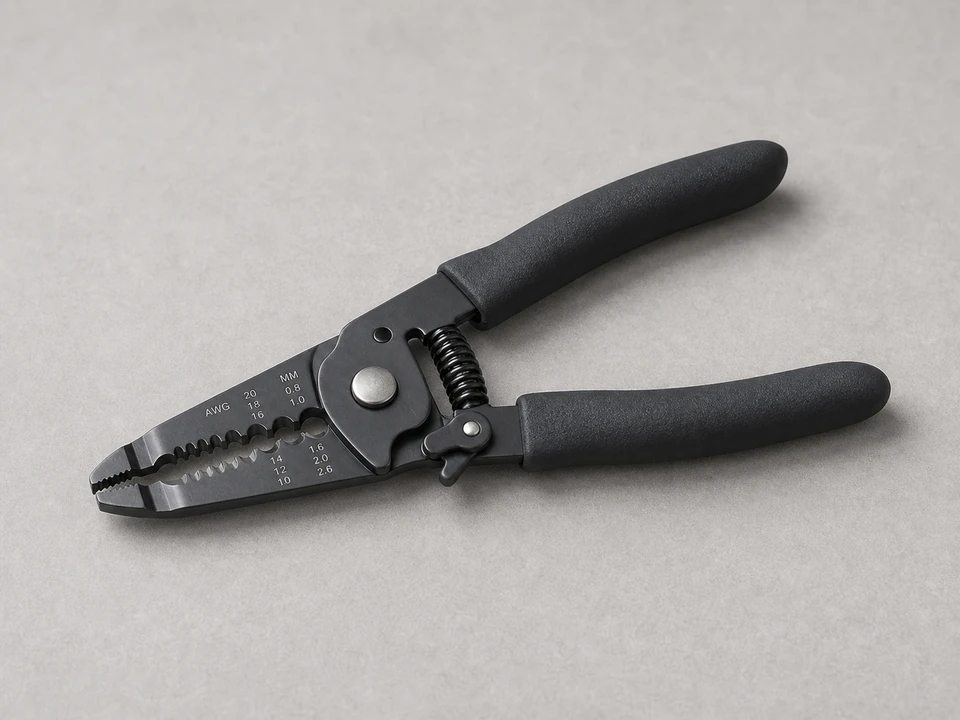
Use it for: To trim and re-strip a wire if a connector comes off damaged.
Shop wire strippers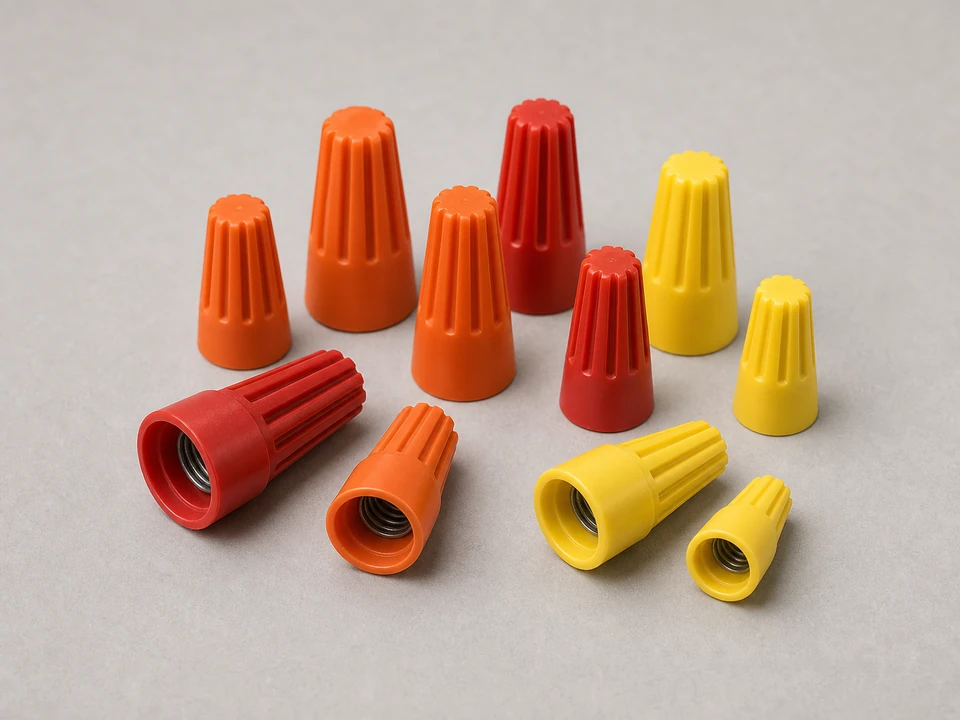
Use it for: To make secure wire connections if the new kit does not include enough connectors.
Shop wire connectorsAs an Amazon Associate I earn from qualifying purchases. Repair Riot may earn a commission at no extra cost to you.
If it works: You have a good reason to replace the ceiling fan remote receiver and remote kit instead of chasing a simple battery or switch issue.
If it doesn’t: If the fan has no power at all from any control, check the breaker, wall switch, and wire connections before replacing the remote kit.
If it works: The canopy is open, power is confirmed off, and you have a reference photo of the original wiring.
If it doesn’t: If the canopy will not lower easily, support it with one hand and check for a hidden screw, twist-lock slot, or trim ring before forcing it.
If it works: The old receiver is out and the fan wiring is free for the new kit.
If it doesn’t: If the receiver seems stuck, check whether it is clipped, taped, or wedged into the canopy and work it out gently without pulling on the wires.
If it works: The new receiver is wired in, secured, and positioned so the canopy can close without crushing wires.
If it doesn’t: If the canopy feels too crowded, re-fold the wires neatly and place the receiver in the same general orientation as the old one so it has the best chance of fitting.
If it works: The canopy is back in place and the new remote is ready to control the fan.
If it doesn’t: If the remote does not pair on the first try, turn power off for a minute, restore it, and repeat the pairing steps promptly after power returns.
If it works: The fan and light respond normally, the remote stays paired, and the repair holds during actual use.
If it doesn’t: If some functions still do not work, recheck the battery, pairing steps, and wire connections. If the fan still behaves erratically, the problem may be in the fan switch housing, capacitor, wall control, or house wiring rather than the receiver kit alone.
Match the replacement part to your exact ceiling fan before ordering.
As an Amazon Associate I earn from qualifying purchases. Repair Riot may earn a commission at no extra cost to you.
Start with fresh batteries and the correct battery orientation. If the fan still has power and the motor or light can work by another control method, the receiver or remote is likely at fault. Because many kits replace both pieces together, swapping the full receiver and remote kit is often the simplest fix.
Sometimes, but only if the new remote is designed to work with the receiver already in your fan. If you are not sure, replacing the receiver and remote together avoids compatibility problems.
On most remote-controlled fans, the receiver sits inside the ceiling canopy above the fan body. It is usually tucked between the mounting bracket and the top of the fan.
The receiver needs constant power to listen for commands from the remote. If the wall switch is off, the receiver has no power and the remote cannot control the fan.
Stop and confirm the replacement is the right size and type for your fan. Some canopies have limited space, and a receiver that is too large should not be forced in where it can pinch wires or overheat.