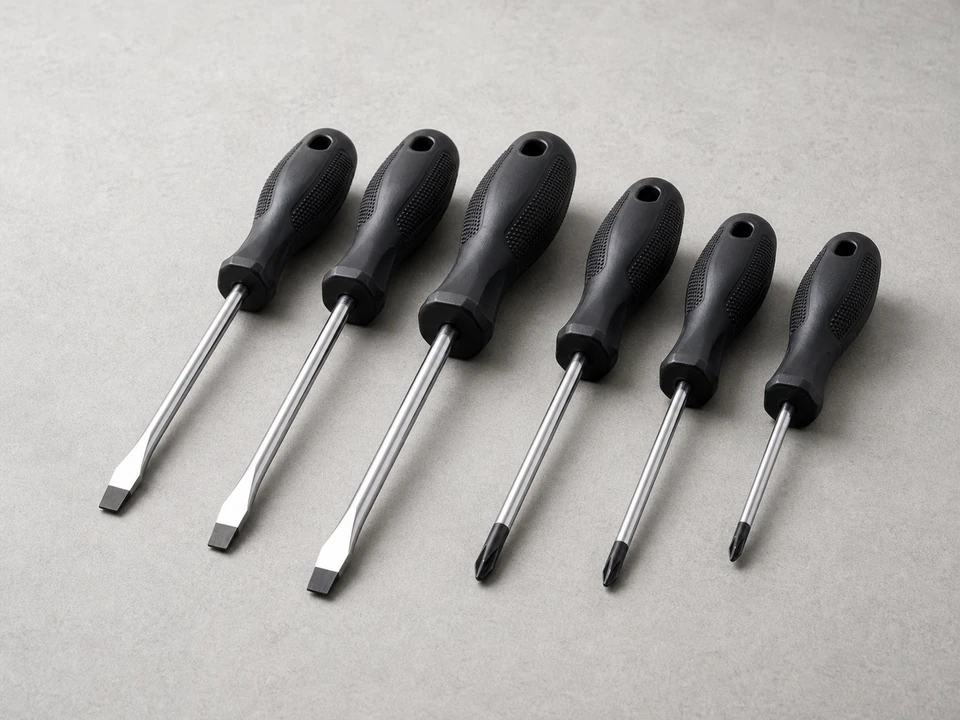
Screwdriver set
Use it for: To remove and reinstall hinge screws or trim screws.
Shop screwdriver setsIf the lid sits crooked, will not close evenly, or the hinge is bent, cracked, loose, or no longer supports the lid correctly, replacing the chest freezer lid hinge is the right repair.
This is a manageable homeowner repair, but the lid can be awkward and heavy. Work slowly, support the lid before removing hardware, and make sure the new hinge matches the old one before installation.
Before you start: Match the hinge size, shape, handedness, and mounting pattern before ordering.
Use it for: To remove and reinstall hinge screws or trim screws.
Shop screwdriver sets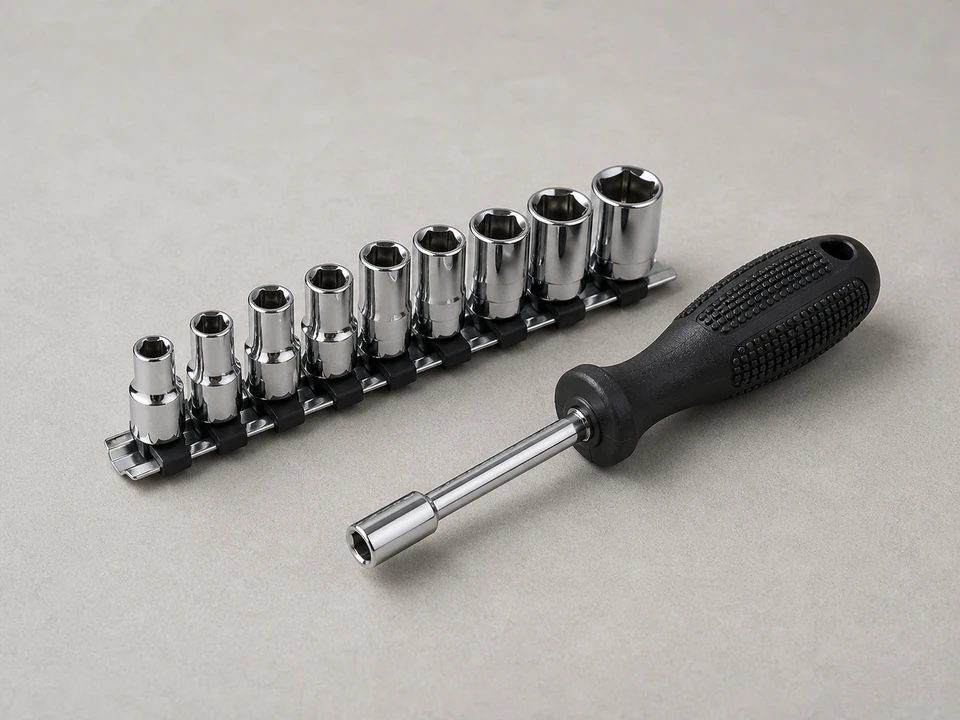
Use it for: Some freezer hinges use hex-head screws or small bolts instead of standard screws.
Shop nut driver sets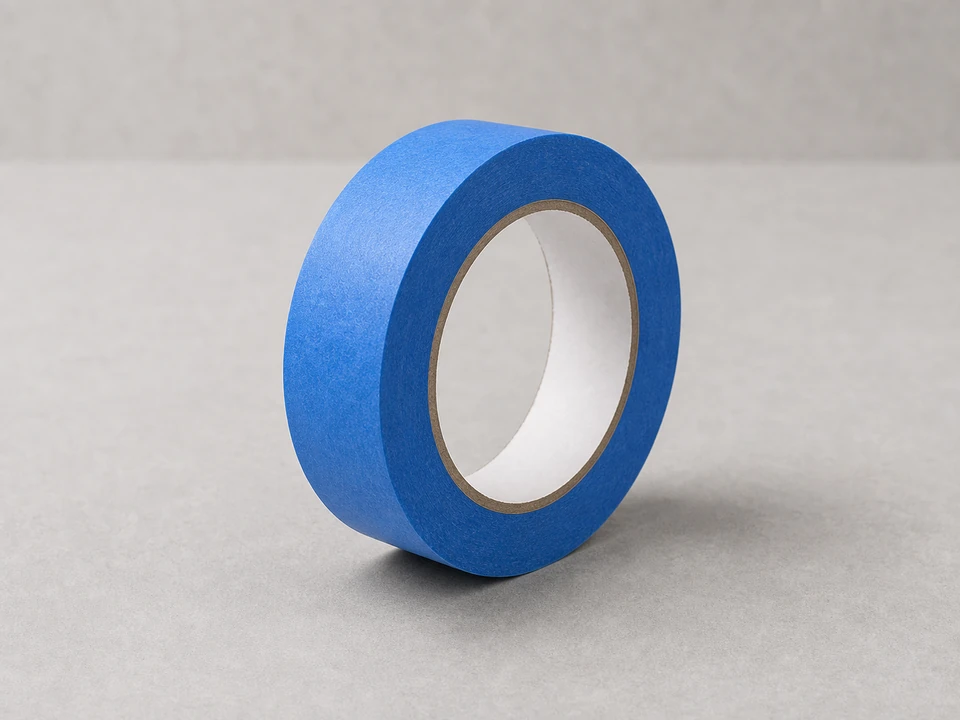
Use it for: To mark hinge position and help protect the finish while you work.
Shop painter's tape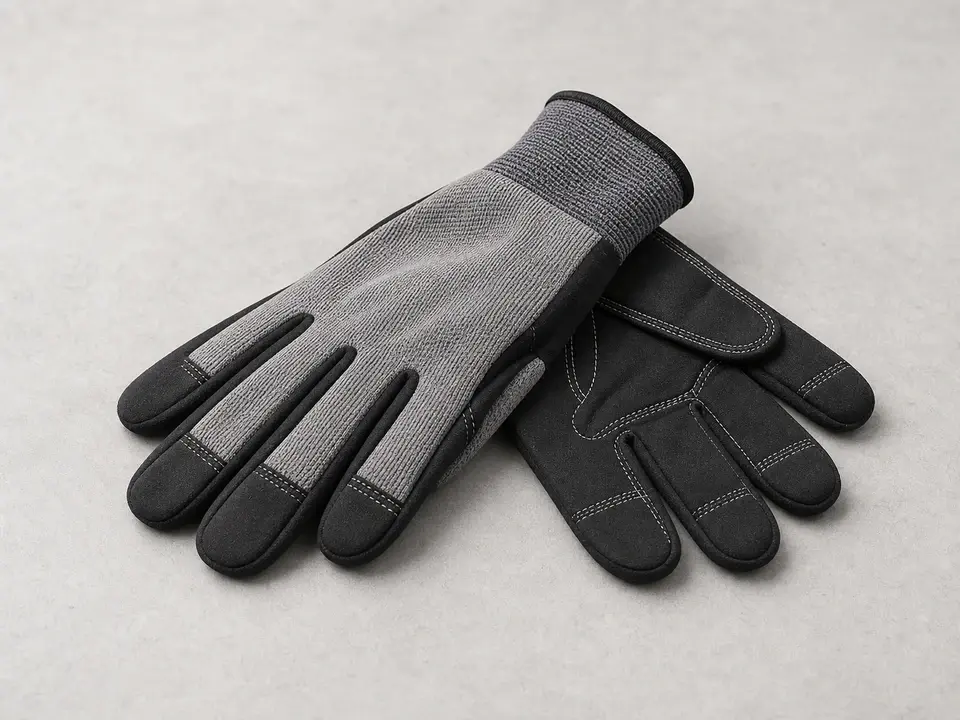
Use it for: To improve grip and protect your hands from sharp metal edges.
Shop work gloves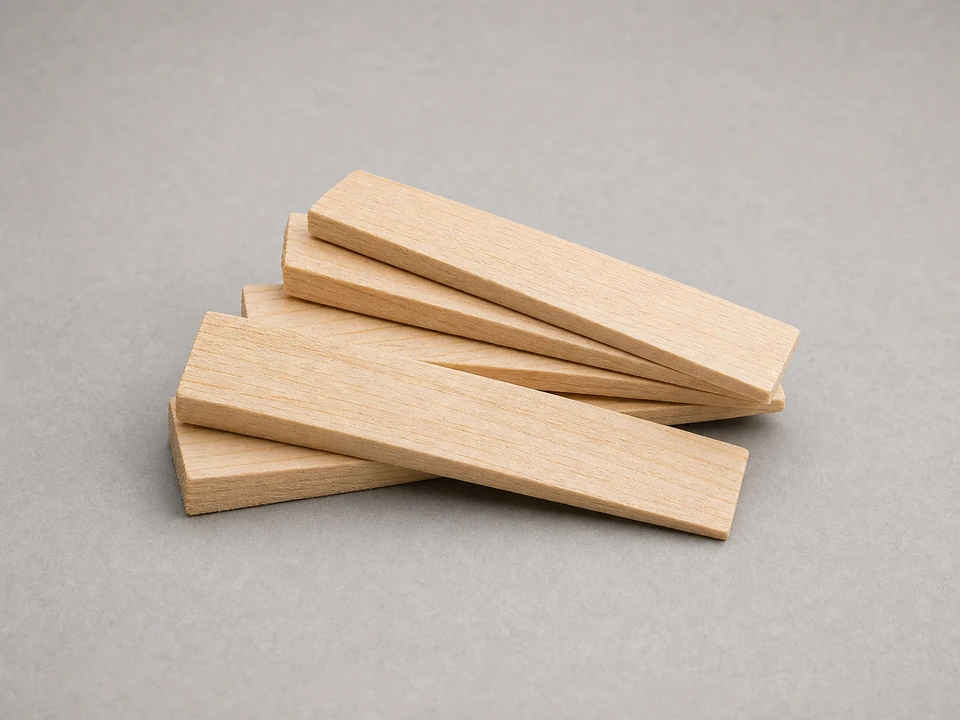
Use it for: To hold the lid safely while the hinge is disconnected.
Find lid support blocksAs an Amazon Associate I earn from qualifying purchases. Repair Riot may earn a commission at no extra cost to you.
If it works: You have clear signs that a damaged or misaligned lid hinge is causing the lid problem.
If it doesn’t: If the hinge looks solid and the lid issue is only a dirty or flattened gasket, address the seal problem first instead of replacing the hinge.
If it works: The freezer is unplugged and the lid is safely supported before any hinge screws are removed.
If it doesn’t: If you cannot keep the lid fully supported, stop and get a helper before continuing.
If it works: The old hinge is off and the lid stayed supported the whole time.
If it doesn’t: If a screw is stripped or stuck, apply steady pressure with the correct bit or driver and try again before damaging the fastener head.
If it works: The new hinge is installed and all fasteners are snug with the hinge sitting flat.
If it doesn’t: If the holes do not line up or the hinge shape is different, recheck fit before forcing anything.
If it works: The lid opens and closes smoothly and sits evenly on the gasket.
If it doesn’t: If the lid still sits crooked, inspect the opposite hinge and the lid mounting area for damage or misalignment.
If it works: The lid works normally, stays aligned, and seals consistently after repeated use.
If it doesn’t: If the lid still will not seal or stay aligned, inspect the opposite hinge, lid shape, and gasket condition for a second problem.
Match the hinge size, shape, handedness, and mounting pattern before ordering.
As an Amazon Associate I earn from qualifying purchases. Repair Riot may earn a commission at no extra cost to you.
Not always. If only one hinge is bent or broken and the other one is solid, you can usually replace just the failed hinge. If the lid still sits unevenly afterward, inspect the other side closely.
Match the old hinge by shape, hole pattern, size, and left or right orientation. A hinge that looks close but mounts differently can leave the lid crooked or unable to seal.
It is better to repair it soon. A bad hinge can keep the lid from sealing, strain the other hinge, and make the lid unsafe to open or close.
The lid may still need alignment, or the opposite hinge, gasket, or lid itself may also be damaged. A hinge repair fixes support and alignment, but it will not correct a torn gasket or warped lid.
Usually no. Start with clean threads and tighten the original fasteners securely. If screws will not stay tight because the mounting area is damaged, that points to a larger repair issue rather than a missing adhesive.