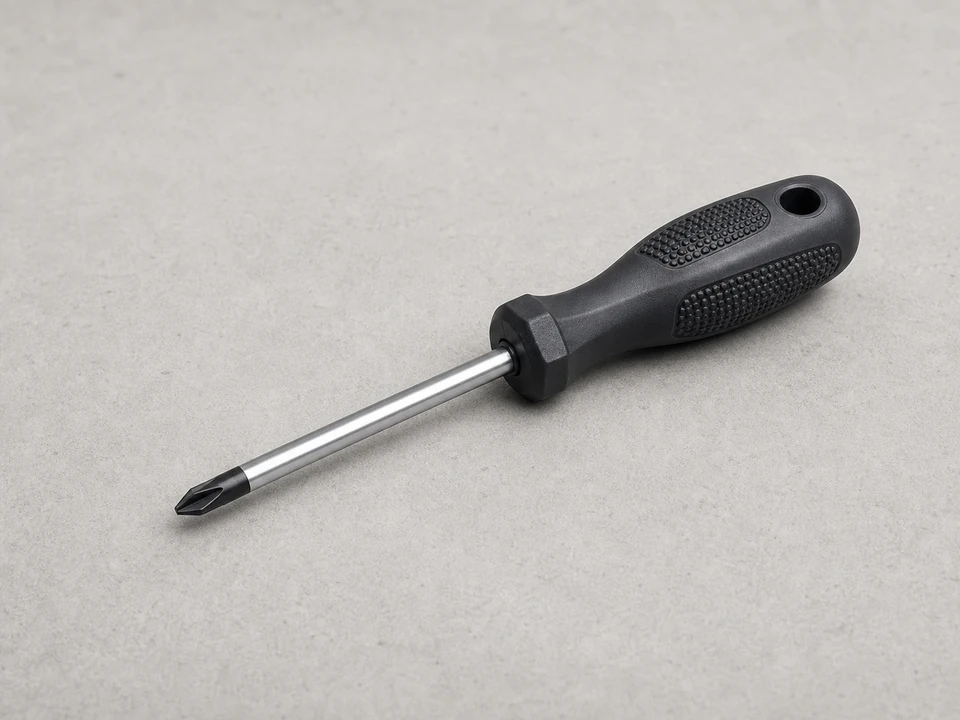
Phillips screwdriver
Use it for: Removes the old thermostat cover or mounting screws and secures the new base.
Shop Phillips screwdriversTo replace a compatible replacement thermostat, turn off HVAC power, remove the old thermostat carefully, label and reconnect each wire to the matching terminal, mount the new thermostat, then test heating or cooling to make sure the system responds.
This is a manageable homeowner repair when the thermostat is the problem and the wiring is in good shape. The main risks are miswired low-voltage connections, a short from touching wires together, or finding damaged wiring in the wall.
Before you start: Match the replacement part to your exact thermostat before ordering.
Use it for: Removes the old thermostat cover or mounting screws and secures the new base.
Shop Phillips screwdrivers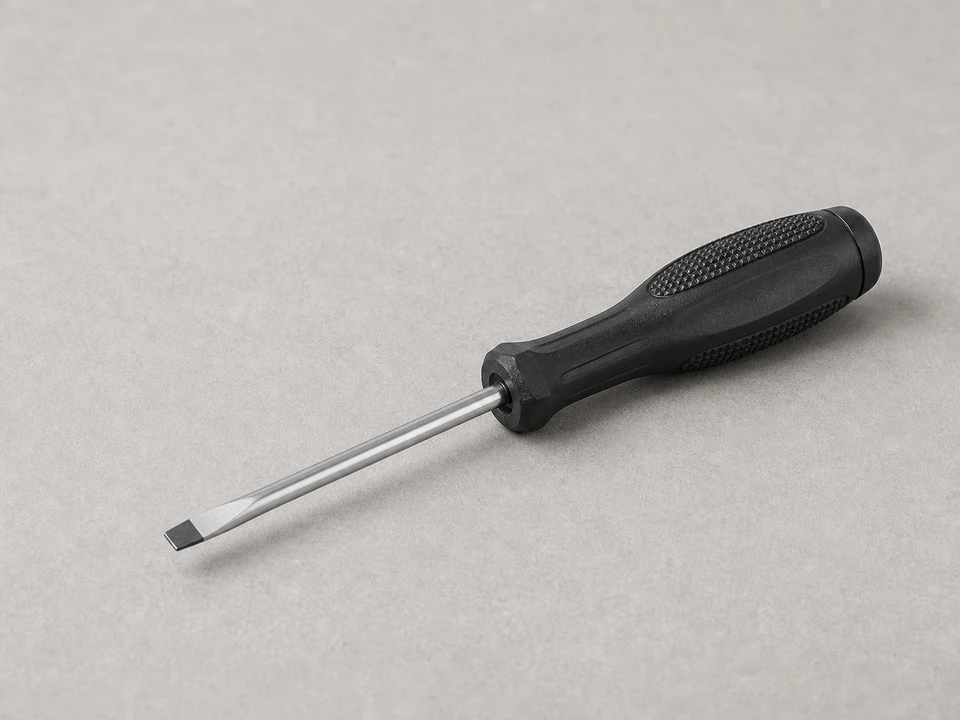
Use it for: Helps loosen small terminal screws on thermostat wire connections.
Shop small flat screwdrivers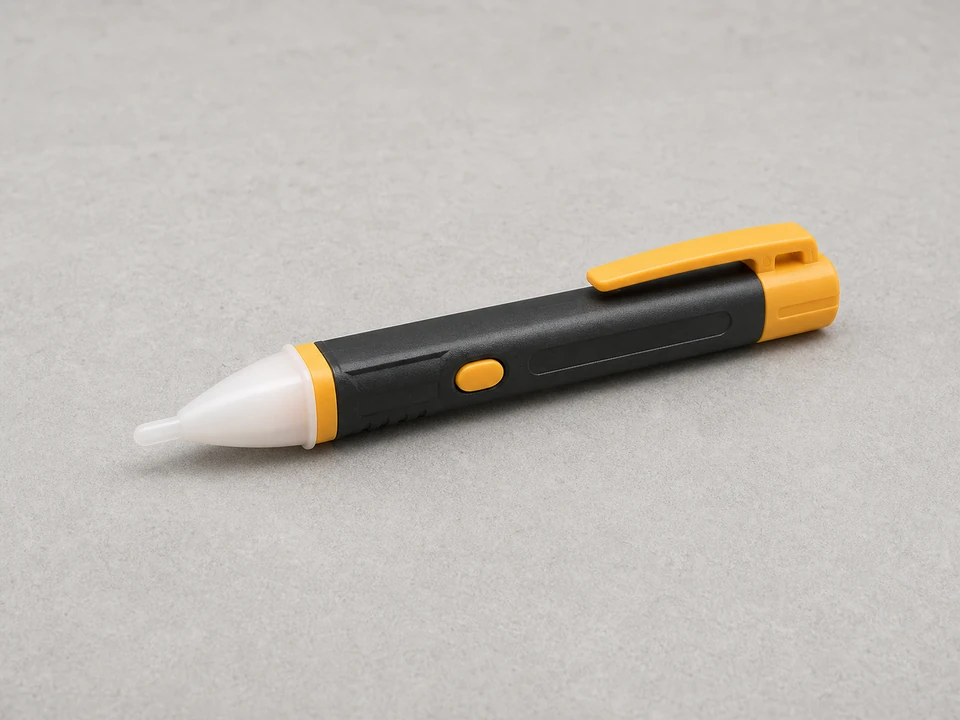
Use it for: Checks that power is off before you handle the thermostat and nearby wiring.
Shop non-contact voltage testers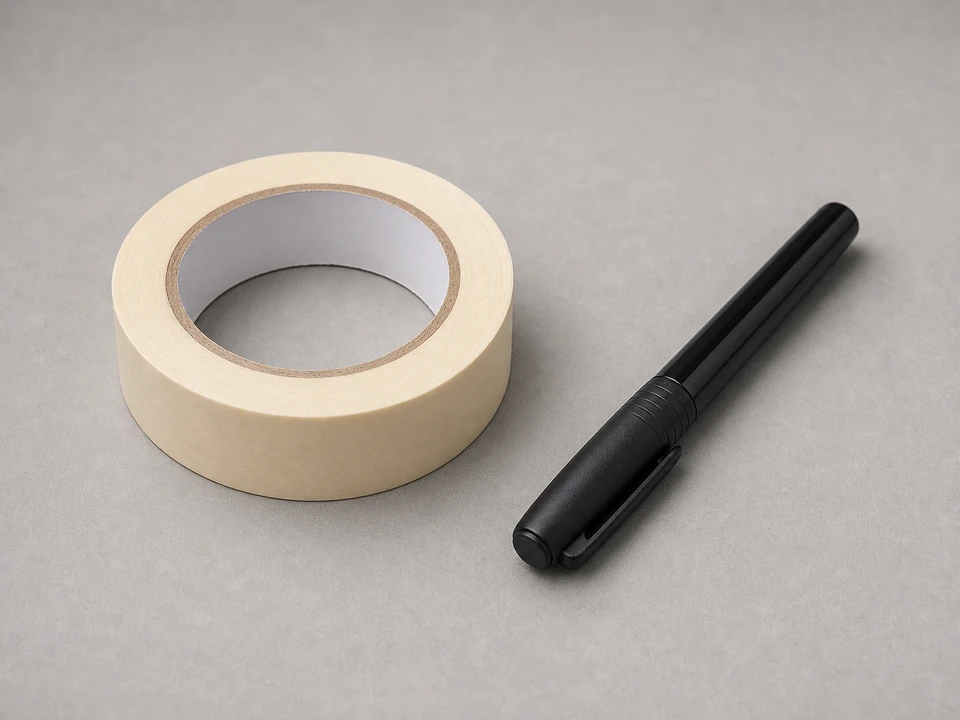
Use it for: Lets you label each wire before disconnecting it so you can move them one at a time.
Shop masking tape and markers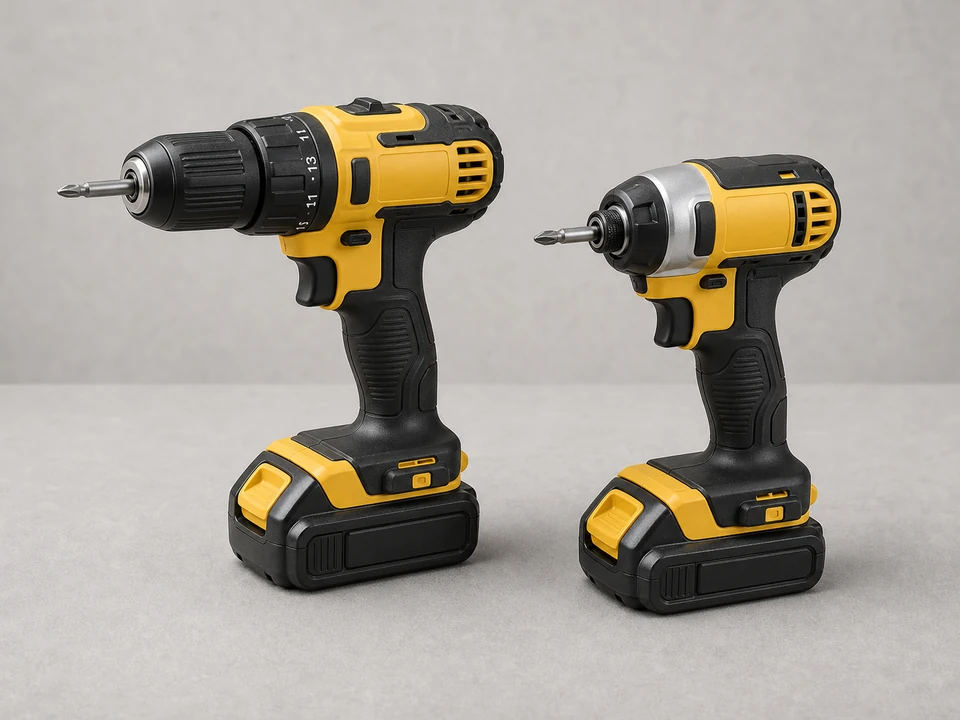
Use it for: Useful if the new thermostat base needs fresh mounting holes or wall anchors.
Shop compact drill driversAs an Amazon Associate I earn from qualifying purchases. Repair Riot may earn a commission at no extra cost to you.
If it works: You have a reasonable reason to replace the thermostat and a clear record of the existing wiring.
If it doesn’t: If the thermostat seems to work but the equipment still does not run, the problem may be in the furnace, air handler, outdoor unit, transformer, or a safety switch rather than the thermostat.
If it works: The thermostat is open and safe to handle with power off.
If it doesn’t: If the display stays on, recheck for a second breaker, furnace switch, or air handler disconnect before continuing.
If it works: All wires are labeled and free, with a photo backup in case a label comes loose.
If it doesn’t: If a label is unclear, use your photo before moving on so you do not guess later.
If it works: The new thermostat base is mounted securely and the wires are accessible.
If it doesn’t: If the new base does not cover the old wall marks, use a trim plate if one is included or patch and touch up the wall after testing.
If it works: The new thermostat is fully wired, assembled, and ready for power.
If it doesn’t: If the terminal labels on the new thermostat do not clearly match your old wiring, pause and use the new thermostat instructions to confirm terminal mapping before restoring power.
If it works: The system starts from the thermostat, runs in the selected mode, and responds normally to temperature changes.
If it doesn’t: If the thermostat powers up but the system does not respond, shut power back off and recheck every wire against your labels and photo. If wiring is correct and the system still will not start, the fault is likely elsewhere in the HVAC system.
Match the replacement part to your exact thermostat before ordering.
As an Amazon Associate I earn from qualifying purchases. Repair Riot may earn a commission at no extra cost to you.
Usually yes, if it is a standard low-voltage HVAC thermostat and the wiring is intact. The key is shutting off power, labeling every wire, and reconnecting each one to the correct terminal.
Yes. Wire colors are helpful, but they are not reliable enough to trust by memory alone. Label by terminal letter and take a photo before disconnecting anything.
Check for required batteries, confirm HVAC power is back on, and recheck that the face is fully seated on the base. If it still stays blank, verify the wiring and look for a system power issue rather than assuming the new thermostat is bad.
That usually points to a wiring mistake or incorrect setup. Turn power off again and compare each wire to your labels, your photo, and the new thermostat terminal markings.
Not automatically. A thermostat can cause a no-call problem, but poor cooling can also come from the outdoor unit, airflow problems, low system power, or other HVAC faults. Replace the thermostat when the symptoms point to control failure, not just because cooling is weak.