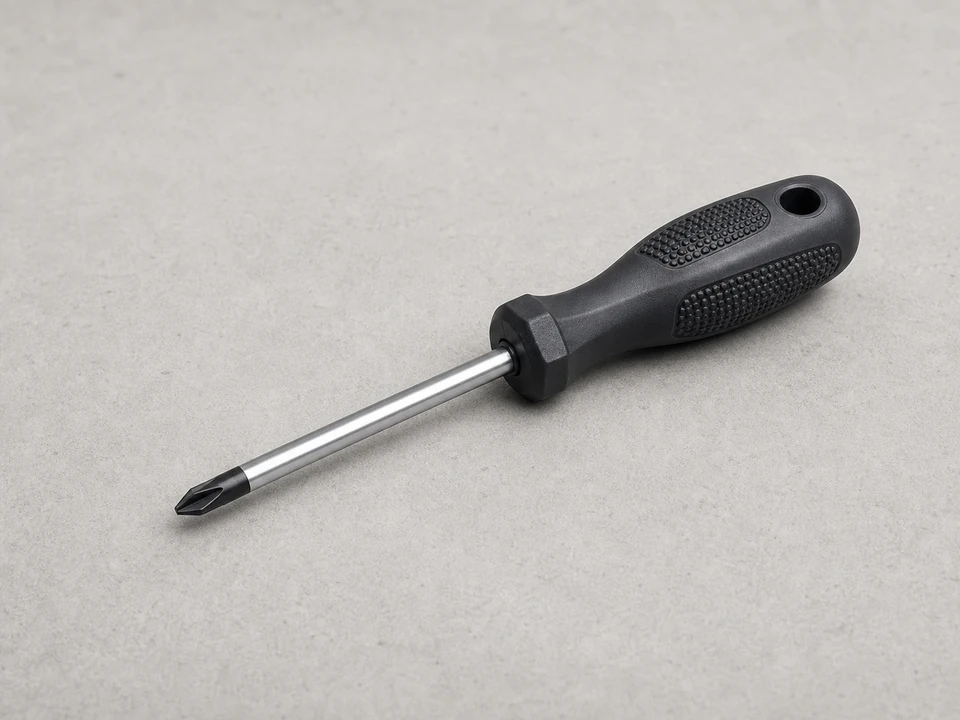
Phillips screwdriver
Use it for: To remove the old thermostat cover and mount the new base.
Shop Phillips screwdriversTo replace a thermostat, shut off power to the HVAC equipment, remove the old thermostat, label the wires, mount the new base, reconnect each wire to the matching terminal, then restore power and test both heating and cooling.
This is a manageable homeowner repair when the thermostat is the actual problem and the low-voltage wiring is in good shape. Take a picture before disconnecting anything, and stop if you find damaged wires, scorched terminals, or a system that does not match the new thermostat.
Before you start: Match the replacement thermostat to your heating and cooling system type and wire labels before ordering.
Use it for: To remove the old thermostat cover and mount the new base.
Shop Phillips screwdrivers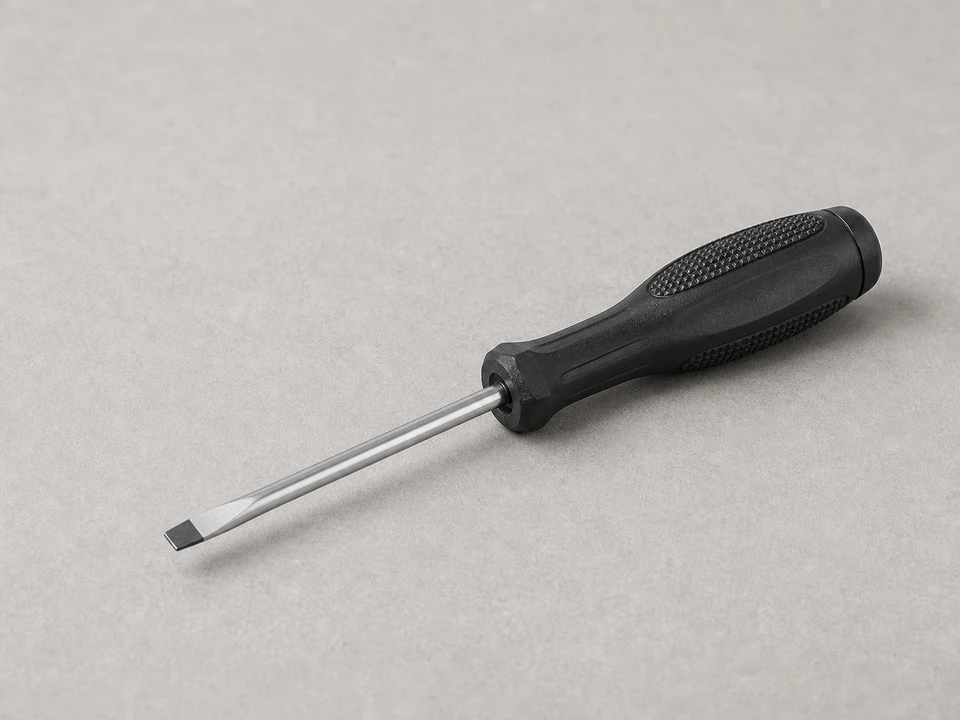
Use it for: To loosen and tighten low-voltage terminal screws.
Shop small flat screwdrivers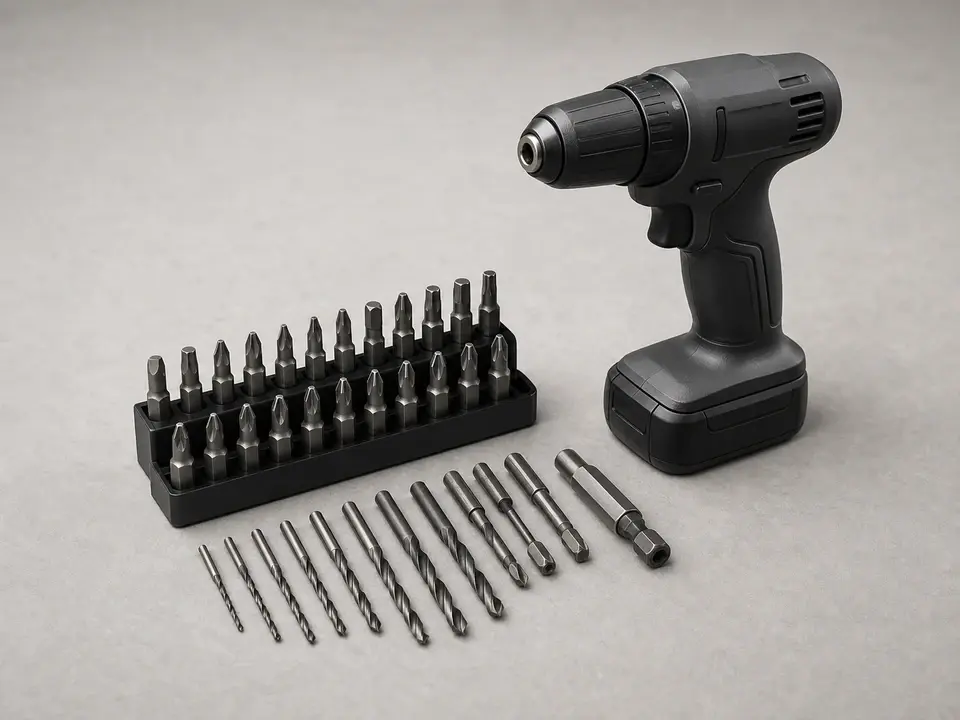
Use it for: To make pilot holes if the new thermostat base does not line up with the old holes.
Shop drill bit sets
Use it for: To hold the new thermostat base securely if there is no stud behind the wall.
Shop wall anchors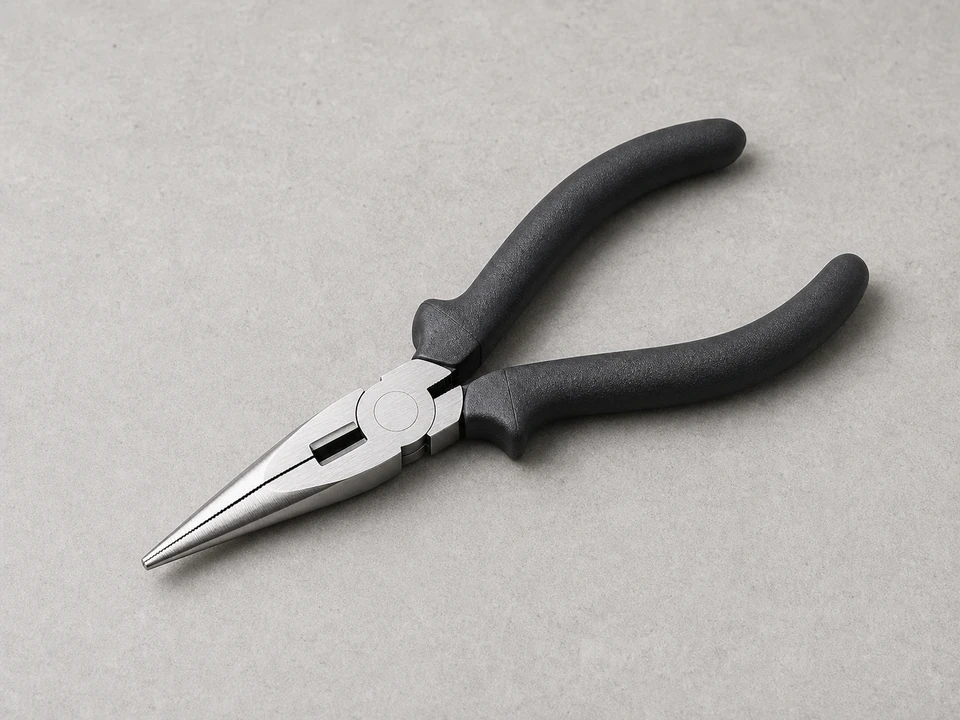
Use it for: To straighten, guide, or gently bend thermostat wires into terminals.
Shop needle-nose pliers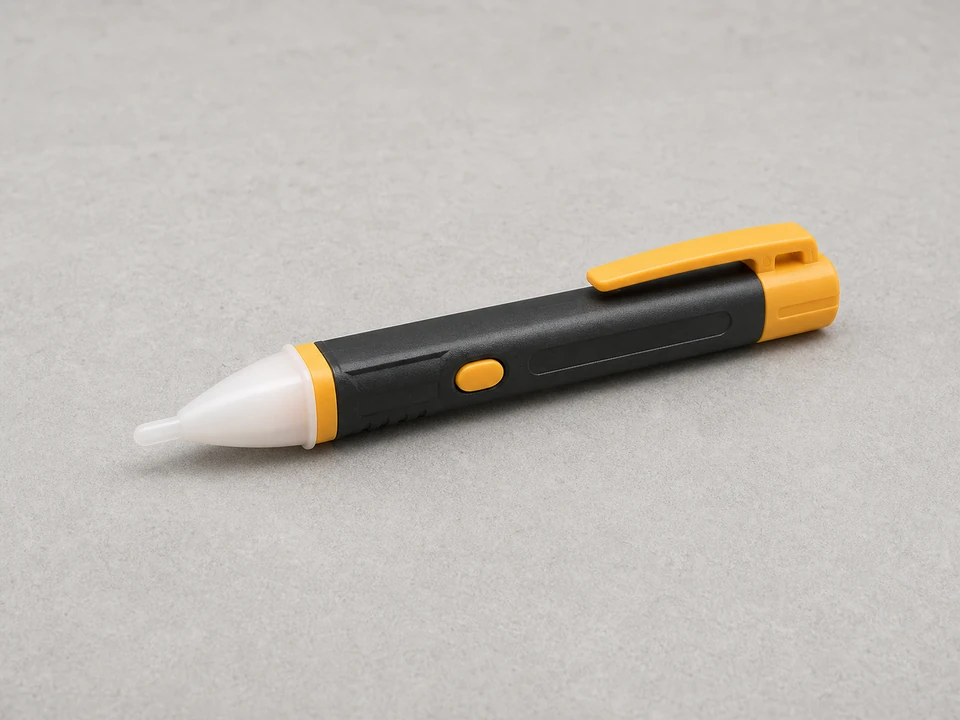
Use it for: To confirm nearby line-voltage circuits are not live before you work around the wall area.
Shop non-contact voltage testersAs an Amazon Associate I earn from qualifying purchases. Repair Riot may earn a commission at no extra cost to you.
If it works: You have a good reason to replace the thermostat instead of chasing a simple setting or power issue.
If it doesn’t: If the old thermostat works normally after battery replacement or setting changes, you may not need this repair.
If it works: Power is off and you have a clear record of the original wire layout.
If it doesn’t: If you cannot confidently identify and label the wires, pause and use the photo record to sort them out before removing the old base.
If it works: The old thermostat is off the wall and the new base is ready to mount cleanly and securely.
If it doesn’t: If the new base leaves a large exposed paint outline, use a trim plate if one is included or choose a thermostat with a larger wall plate.
If it works: The new thermostat base is mounted and every wire is connected to the correct matching terminal.
If it doesn’t: If a terminal label on the new thermostat does not clearly match the old one, check the installation guide that came with the thermostat before going further.
If it works: The thermostat powers up and is ready for a live system test.
If it doesn’t: If the display stays blank, recheck batteries if used, the face-to-base connection, the breaker, and the wire connections.
If it works: Heating, cooling, and fan functions respond correctly, and the replacement held in real use.
If it doesn’t: If one mode works but another does not, compare the wire labels and terminal positions again and review the thermostat setup options for system type.
Match the replacement thermostat to your heating and cooling system type and wire labels before ordering.
As an Amazon Associate I earn from qualifying purchases. Repair Riot may earn a commission at no extra cost to you.
Usually yes, if it is a standard low-voltage wall thermostat and the wiring is intact. The key is shutting off power, labeling each wire, and matching terminal labels carefully on the new thermostat.
No. Wire colors are often consistent, but not guaranteed. Always move wires by terminal label and your reference photo, not by color alone.
Common causes are power still being off, a loose face-to-base connection, missing batteries on models that use them, or a wire not fully seated in the correct terminal.
Not necessarily, but the replacement needs to be compatible with your system type and available wire setup. Check the terminal labels and supported heating and cooling system types before buying.
Turn power back off if needed, then carefully pull them back out with needle-nose pliers. If the wires are too short to reconnect safely, stop and get help rather than stretching or splicing them carelessly.