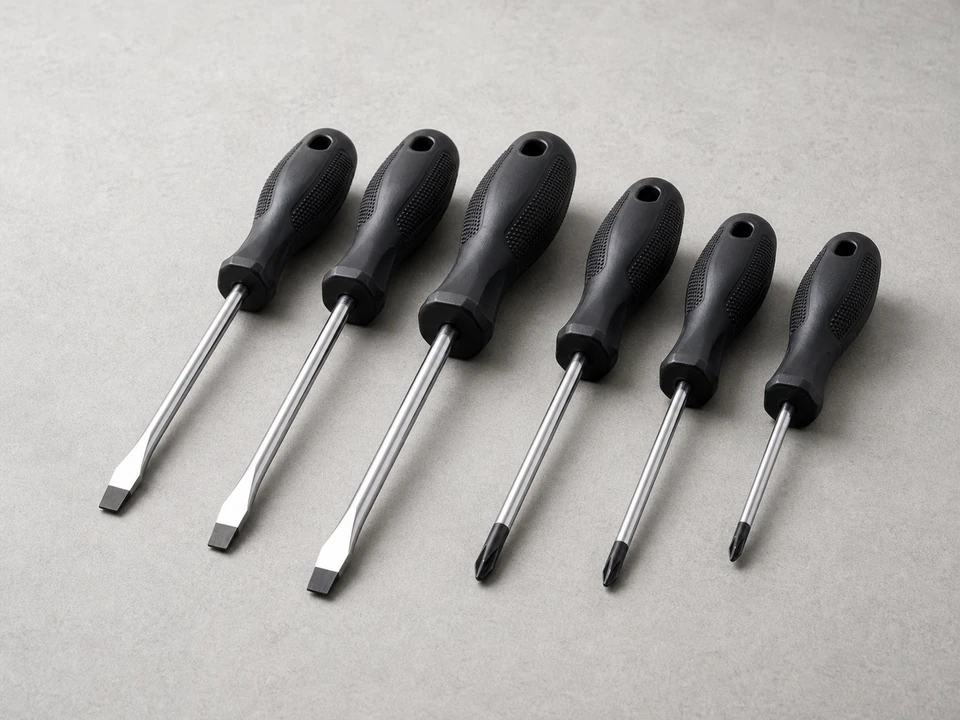
Screwdriver set
Use it for: To open the pump cover, remove switch mounting screws, and reconnect terminals.
Shop screwdriver setsTo replace a condensate pump float switch, shut off power to the pump and HVAC equipment, open the pump reservoir, remove the old switch, install the matching replacement, reconnect the wires the same way, and test the pump by adding water until it turns on and shuts off normally.
A bad float switch can keep a condensate pump from starting, stopping, or signaling the system correctly. This repair is usually manageable for a careful homeowner if the switch is accessible and the wiring is straightforward.
Before you start: Match the float switch style, voltage or control compatibility, and condensate application before ordering.
Use it for: To open the pump cover, remove switch mounting screws, and reconnect terminals.
Shop screwdriver sets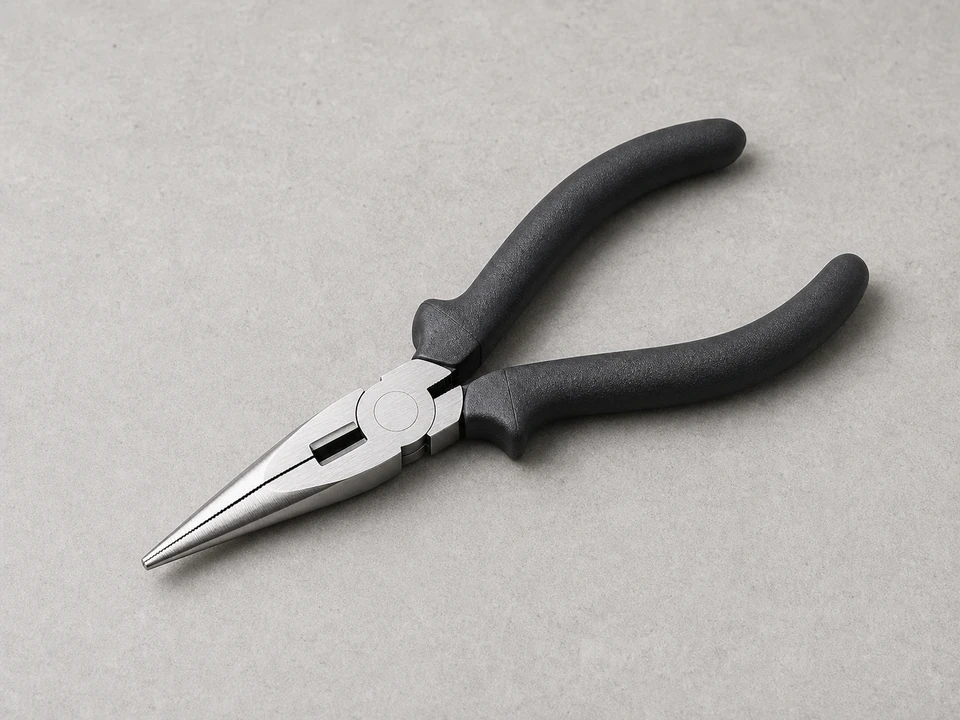
Use it for: To pull small connectors and guide wires into place without damaging them.
Shop needle-nose pliers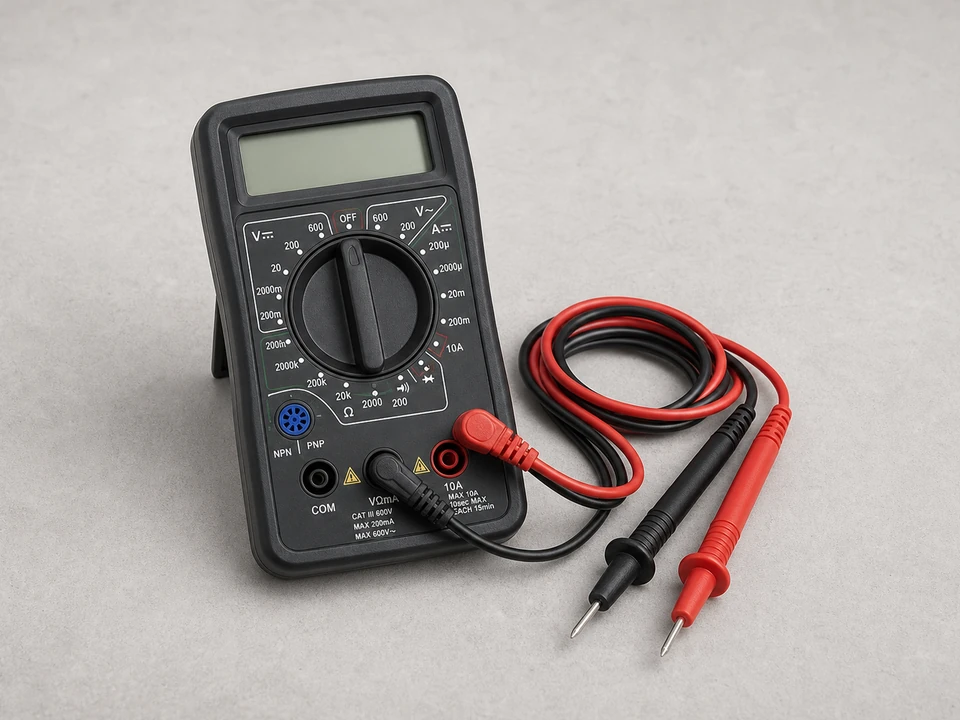
Use it for: To confirm power is off and check whether the old switch changes state when the float moves.
Shop multimeters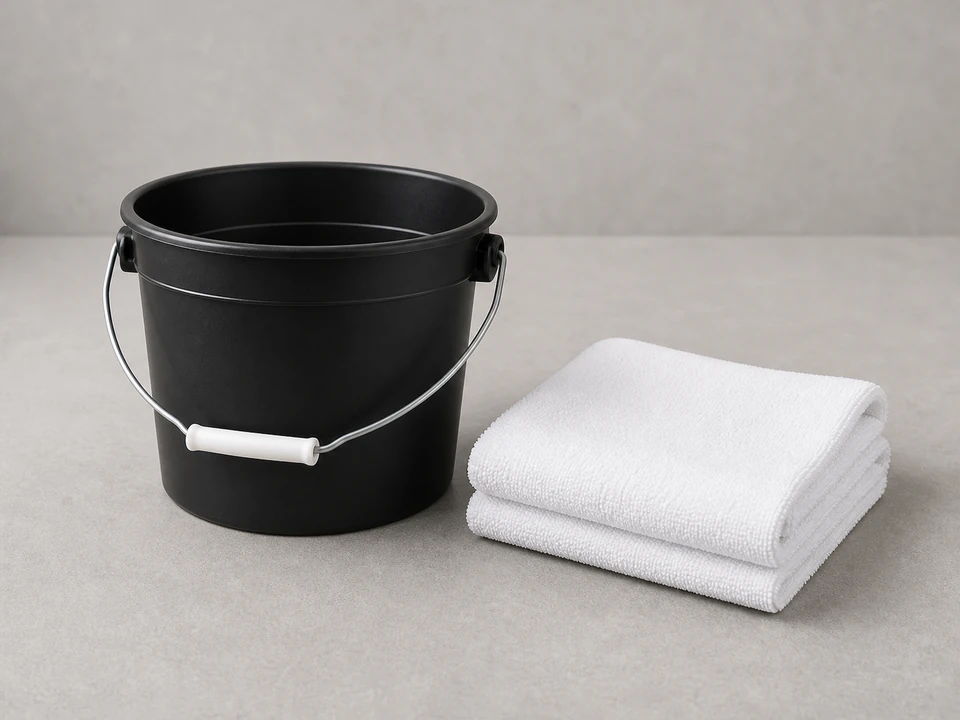
Use it for: To catch leftover condensate and keep the area dry while the pump is open.
Shop utility buckets and towels
Use it for: To take a clear wiring photo before disconnecting anything.
Shop phone inspection accessoriesAs an Amazon Associate I earn from qualifying purchases. Repair Riot may earn a commission at no extra cost to you.
If it works: You have good reason to believe the float switch is failed or unreliable, not just dirty or blocked.
If it doesn’t: If the float was only stuck with slime or debris, clean the reservoir and float area first, then retest the pump before replacing the switch.
If it works: The pump is de-energized, open, and documented so you can put the new switch back the same way.
If it doesn’t: If the cover will not come off easily, look again for hidden screws or clips instead of forcing the plastic.
If it works: The old switch is out, and the mounting area is clean and ready for the replacement.
If it doesn’t: If the replacement does not match the old switch closely in mounting style or connection type, pause and verify you have the correct part.
If it works: The new switch is mounted securely, wired correctly, and the float moves freely through its full range.
If it doesn’t: If the float catches on wiring or the reservoir wall, reposition the wires and switch before closing the pump.
If it works: The pump is reassembled and powered back on without obvious leaks, pinched wires, or unusual noise.
If it doesn’t: If the cover changes the float movement or presses on the wiring, shut power back off and correct the fit before testing.
If it works: The pump starts and stops at the right water level, clears the reservoir, and behaves normally during actual use.
If it doesn’t: If the pump still hums without pumping, never starts, or runs continuously, the problem may also involve the motor, check valve, discharge line, or the wrong diagnosis.
Match the float switch style, voltage or control compatibility, and condensate application before ordering.
As an Amazon Associate I earn from qualifying purchases. Repair Riot may earn a commission at no extra cost to you.
If the float is coated with slime or stuck in place, cleaning may fix it. If the float moves freely but the pump still starts or stops at the wrong time, or the switch does not change state when tested, replacement is more likely the right fix.
Yes, if your pump uses a removable float switch and the rest of the pump is in good shape. If the housing is cracked, the motor is failing, or parts are not serviceable, replacing the whole pump may make more sense.
You should match the mounting style, connection type, and control compatibility as closely as possible. A switch that almost fits can bind, misread the water level, or wire incorrectly.
The float switch only tells the pump when to run. If the motor hums but water does not move, check for a clogged discharge line, stuck check valve, blocked impeller area, or a failing pump motor.
It can. Some condensate setups use a safety circuit that stops cooling or heating when water backs up or the pump does not respond correctly. If the system still will not run after the pump test passes, there may be a separate safety switch or drain issue to check.