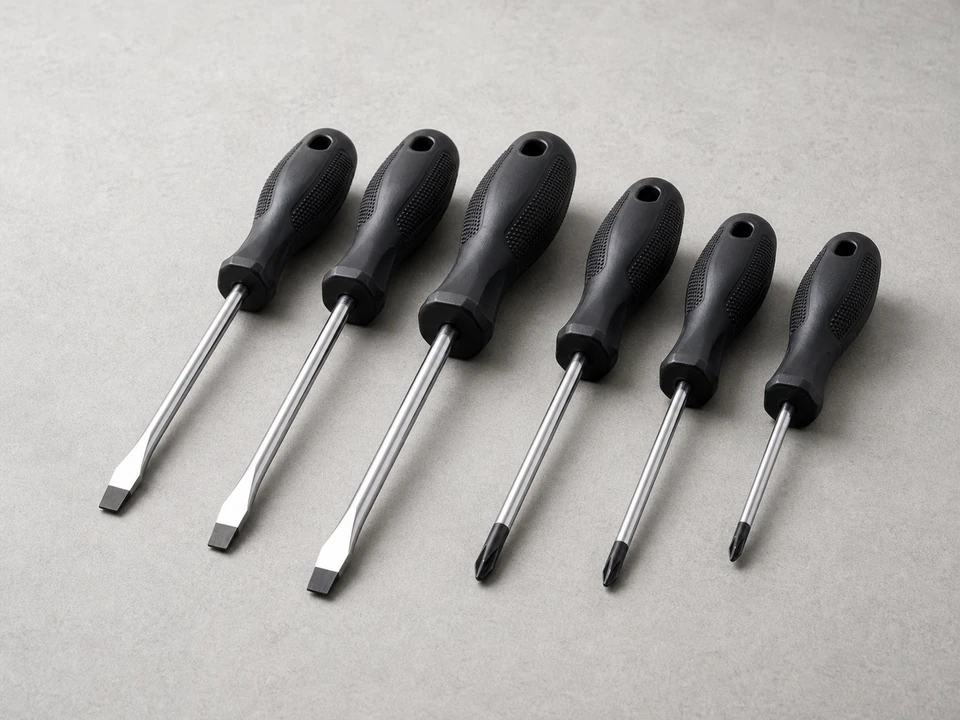
Screwdriver set
Use it for: To remove the cooktop top, burner support screws, or access panels.
Shop screwdriver setsIf one electric surface burner cuts in and out, will not heat, or shows heat damage at the plug-in connection, replacing the cooktop burner receptacle is often the right fix.
This repair is usually straightforward if the problem is limited to one burner connection. The goal is to confirm the receptacle is actually damaged, disconnect power, swap the part cleanly, and make sure the new connection holds under normal cooking heat.
Before you start: Match the receptacle style, terminal layout, and wire connection type to your cooktop before ordering.
Use it for: To remove the cooktop top, burner support screws, or access panels.
Shop screwdriver sets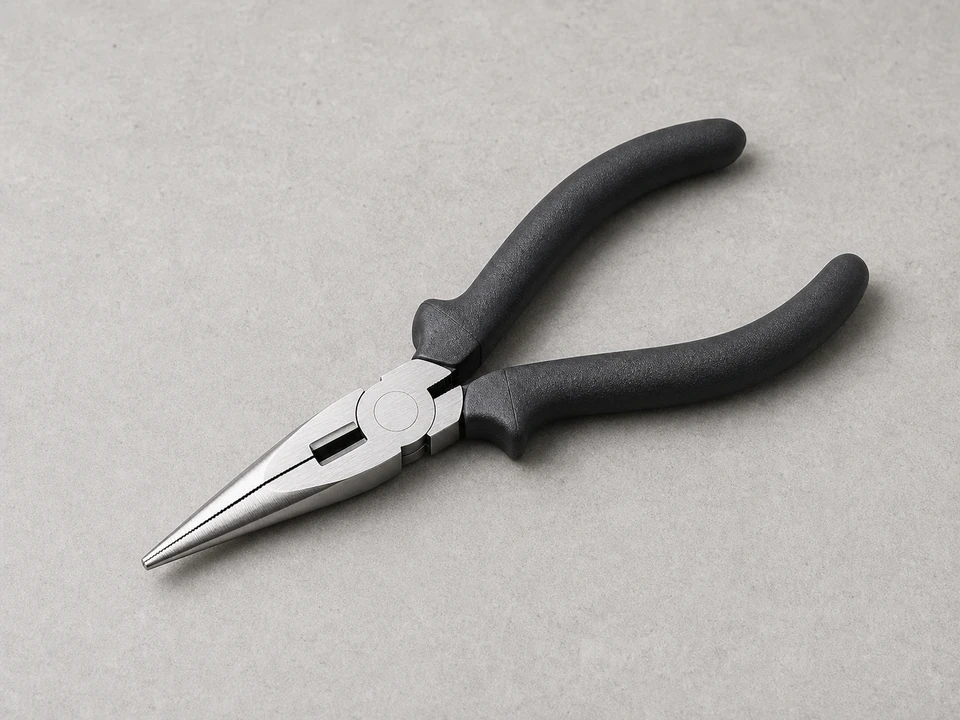
Use it for: To pull wire terminals and guide the new receptacle into place.
Shop needle-nose pliers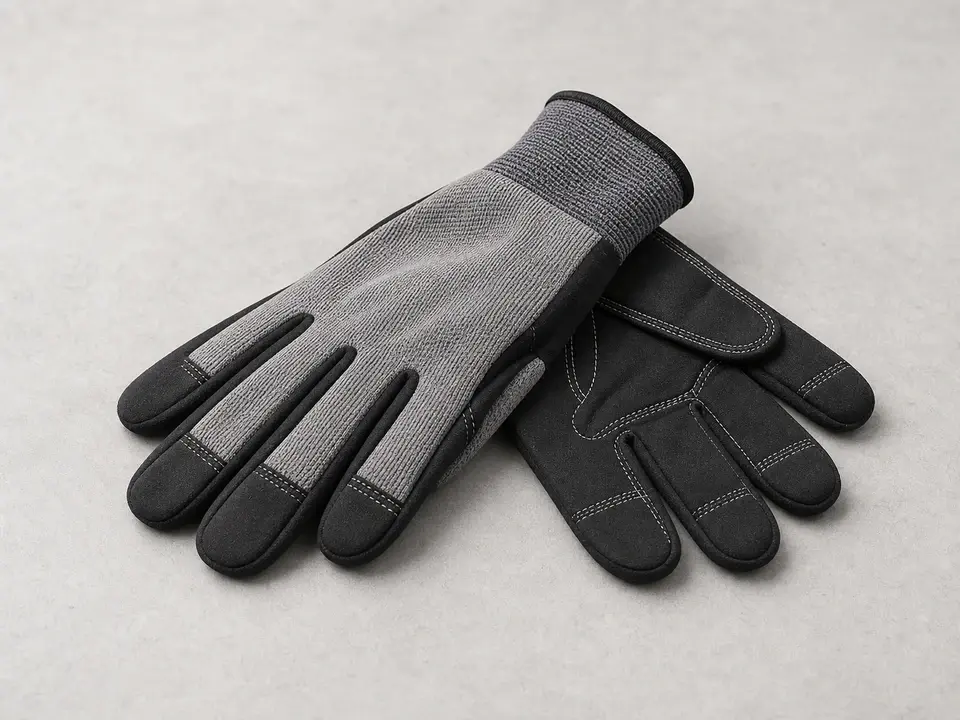
Use it for: To protect your hands from sharp sheet metal edges under the cooktop.
Shop work gloves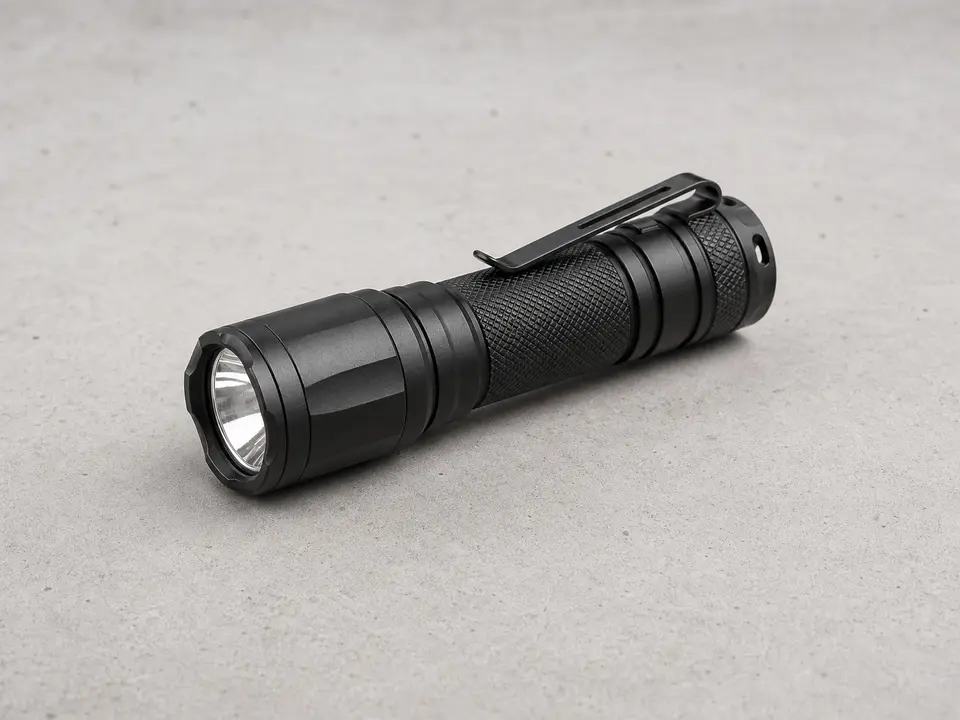
Use it for: To inspect the old receptacle for scorching, loose terminals, or broken insulation.
Shop flashlights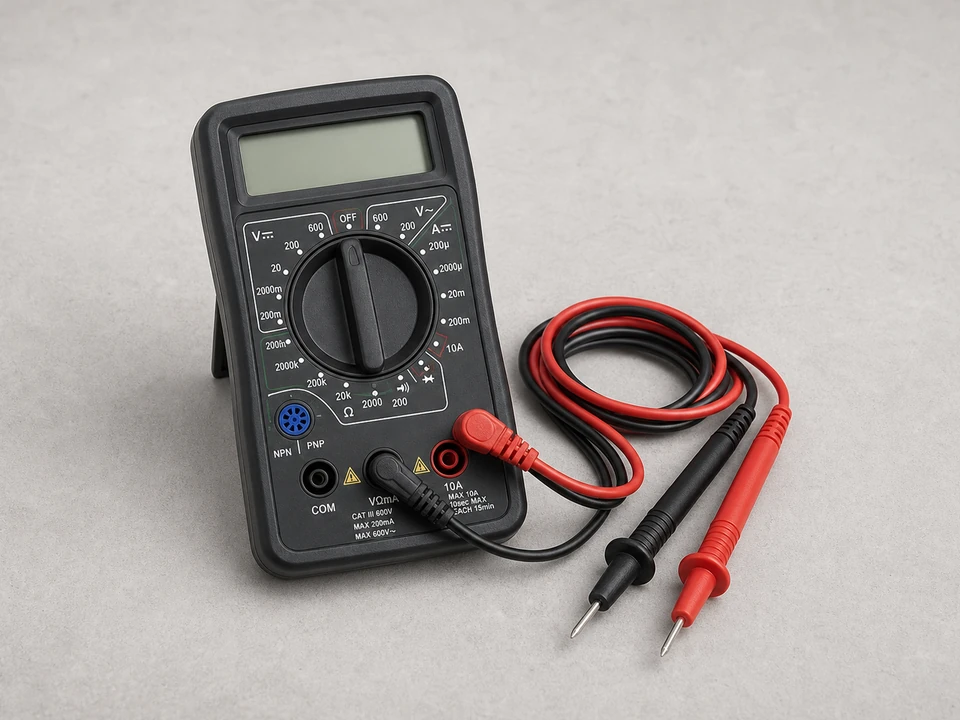
Use it for: To confirm power is off before touching wiring.
Shop multimetersAs an Amazon Associate I earn from qualifying purchases. Repair Riot may earn a commission at no extra cost to you.
If it works: You have visible damage or a clear one-burner connection problem that points to the burner receptacle.
If it doesn’t: If the burner works normally with a different element, replace the burner element instead of the receptacle. If no burners work, the problem is likely elsewhere in the cooktop power or controls.
If it works: The cooktop is de-energized and you can reach the receptacle wiring safely.
If it doesn’t: If the top does not lift easily, check for hidden screws under trim, around the burner area, or beneath the front edge before forcing anything.
If it works: The old receptacle is out and you know how the new one needs to be connected.
If it doesn’t: If a terminal is stuck, wiggle it gently with pliers rather than yanking on the wire. If the connector is fused to the receptacle, remove it carefully and inspect the wire end closely.
If it works: The new receptacle is mounted firmly and the wiring is connected in the same layout as before.
If it doesn’t: If the new part does not match the old one closely, pause and verify fit before reassembling the cooktop.
If it works: The cooktop is back together and ready for a live test.
If it doesn’t: If the burner will not seat fully, remove it and check that the receptacle is aligned correctly and not pushed too far back.
If it works: The burner heats normally and the new receptacle holds a steady connection during actual use.
If it doesn’t: If the burner still does not heat correctly, inspect the burner element prongs and consider a failed switch, wiring issue, or another cooktop component.
Match the receptacle style, terminal layout, and wire connection type to your cooktop before ordering.
As an Amazon Associate I earn from qualifying purchases. Repair Riot may earn a commission at no extra cost to you.
If one burner position has visible scorching or looseness at the socket, and a known-good element still fails in that same spot, the receptacle is the better diagnosis. If the problem follows the element to another position, the element is more likely bad.
No. A burned receptacle can arc, overheat, and damage the new burner element or nearby wiring. Replace it before using that burner again.
Sometimes. If the element prongs are pitted, burned, loose, or misshapen, replace the element along with the receptacle so the new connection is not damaged right away.
If the heat damage extends past the receptacle terminals into the wire insulation or harness, this is no longer a simple swap. Stop and repair the damaged wiring properly before using the cooktop.
A worn or loose connection can arc where the element plugs in. That creates heat, noise, and unstable power to the burner, especially as the burner expands and contracts during heating.