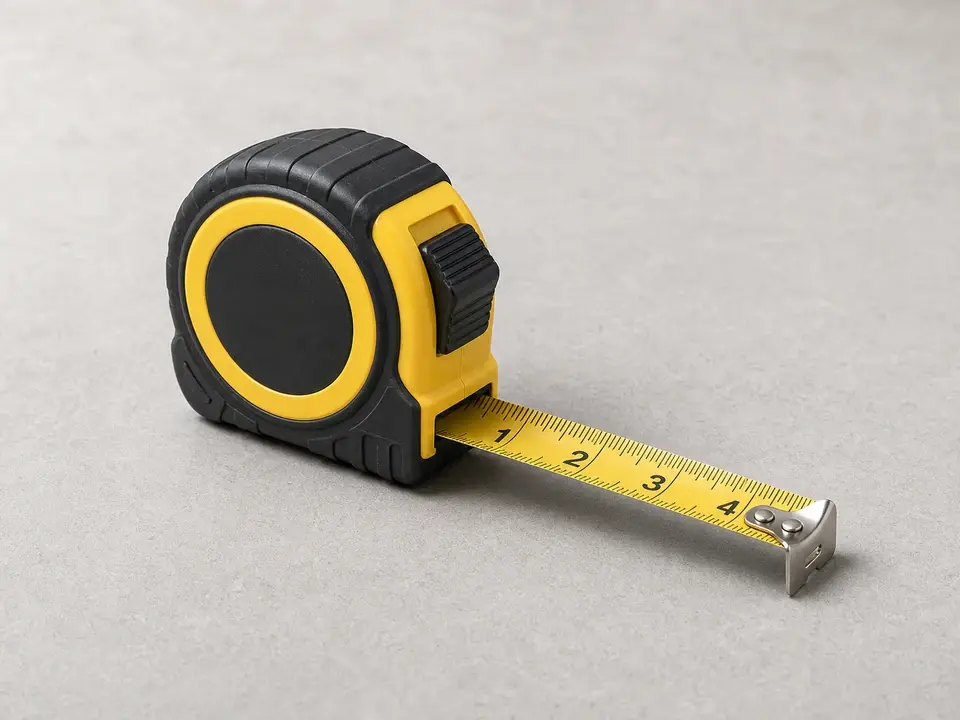
Tape measure
Use it for: To match the replacement board and mark the cut length accurately.
Shop tape measuresTo replace a floorboard, first confirm the board itself is cracked, rotted, badly split, or too damaged to refasten. Then remove the damaged section carefully, cut a matching replacement to size, fasten it securely to solid support, and test the floor under normal foot traffic.
This is a practical repair when one board is beyond a simple screw-down or patch. The goal is to remove only the bad board, protect nearby flooring, and leave the new piece solid and level with the surrounding floor.
Before you start: Match the board width, thickness, profile, material, and edge style before ordering.
Use it for: To match the replacement board and mark the cut length accurately.
Shop tape measures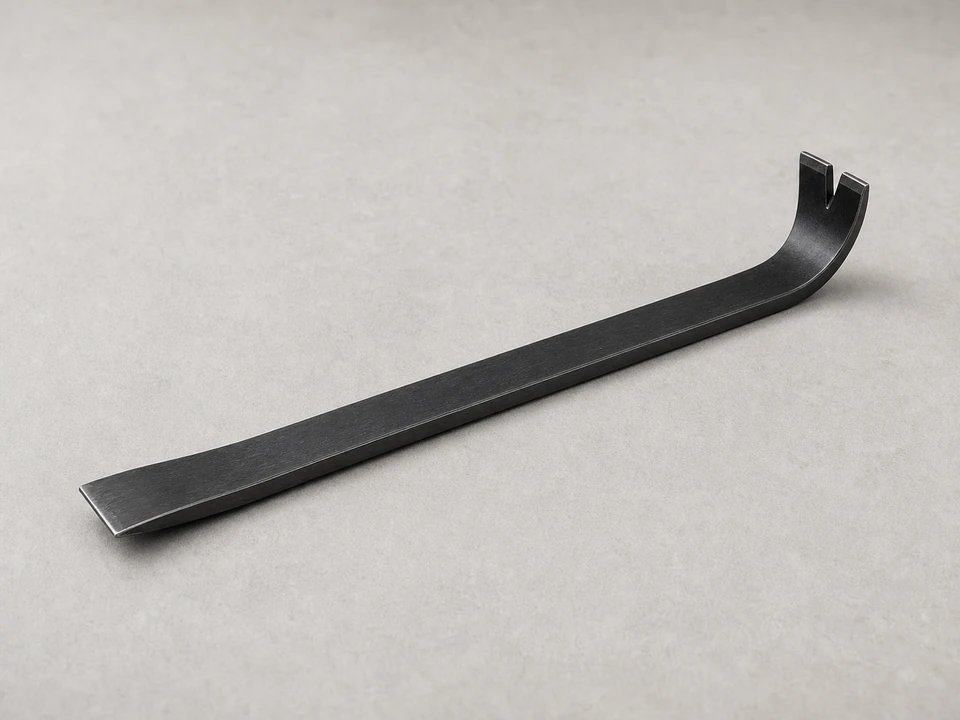
Use it for: To lift the damaged board and remove pieces without tearing up more flooring than necessary.
Shop pry bars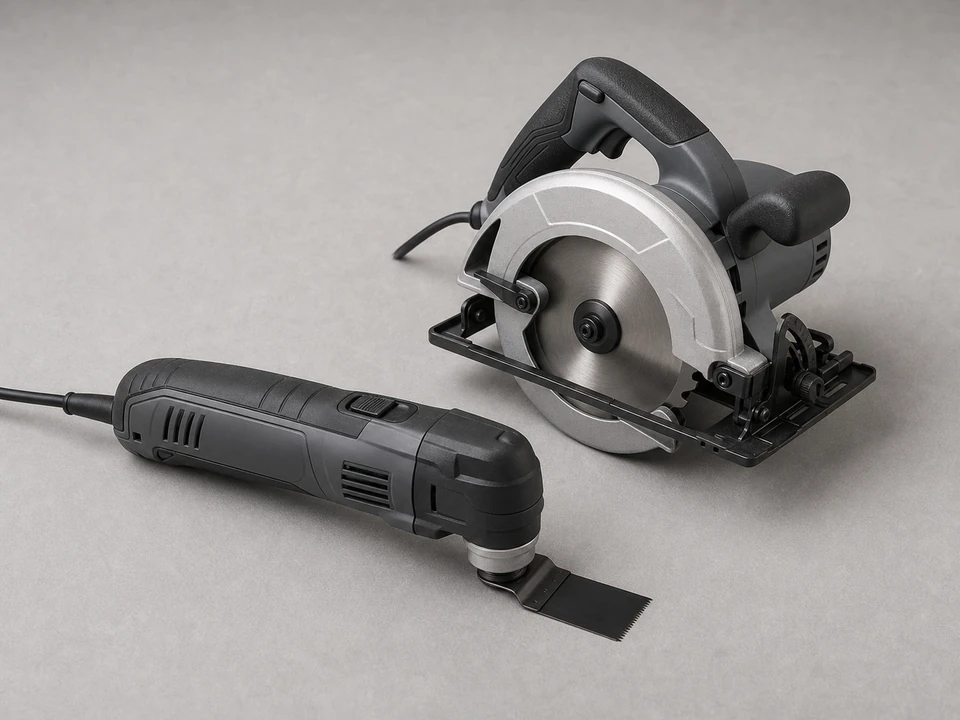
Use it for: To cut the damaged board into removable sections and trim the replacement board to fit.
Shop floor repair cutting tools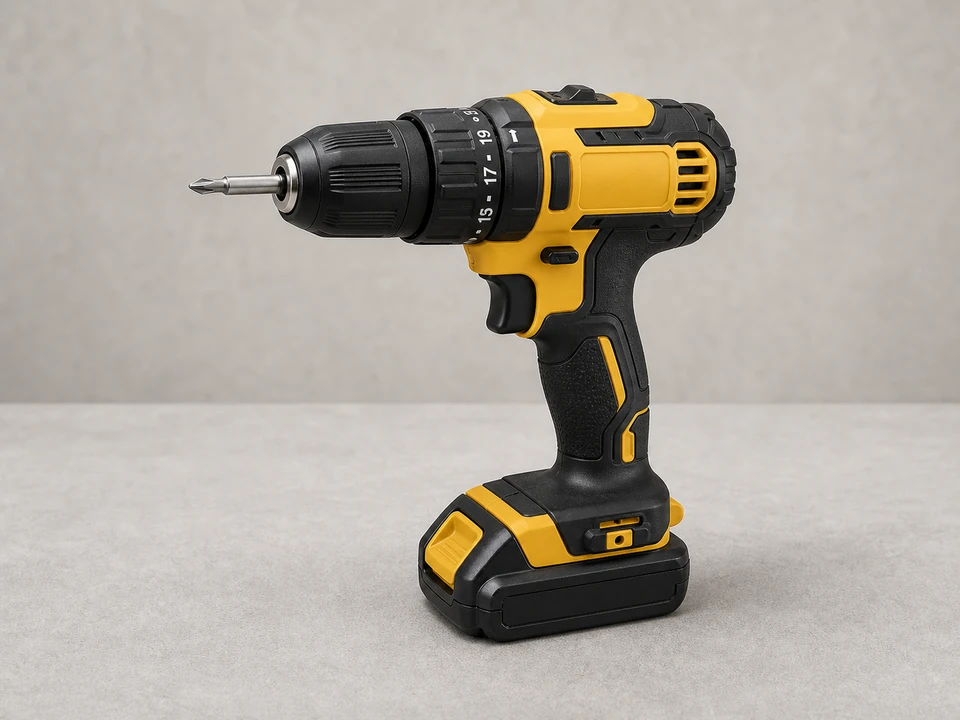
Use it for: To predrill and drive fasteners without splitting the new board.
Shop drill drivers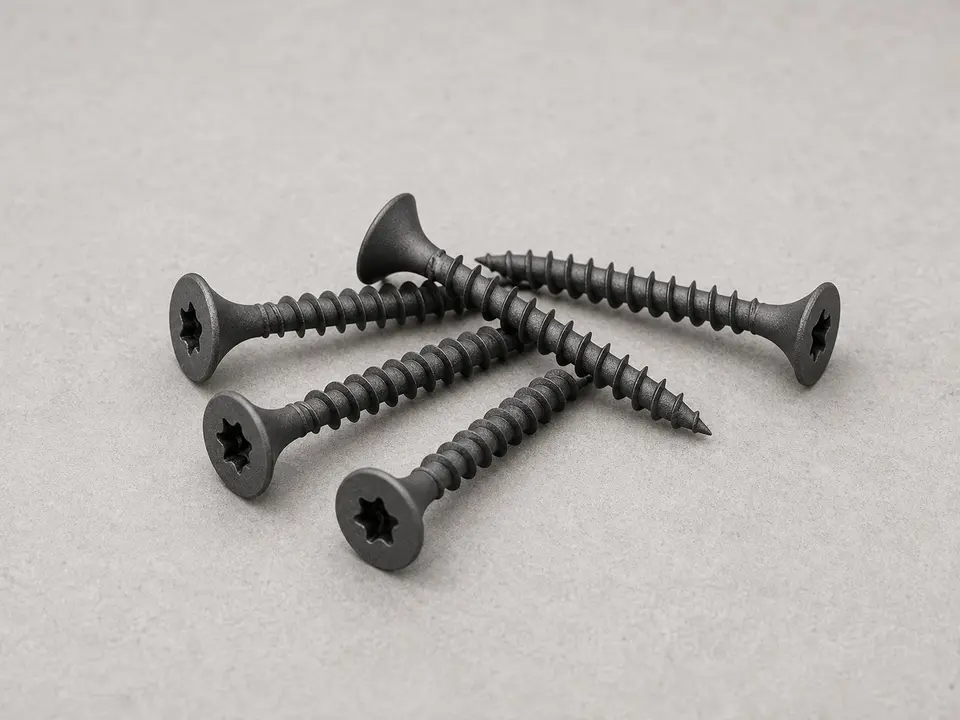
Use it for: To fasten the replacement board tightly to the framing or solid subfloor support.
Shop wood screws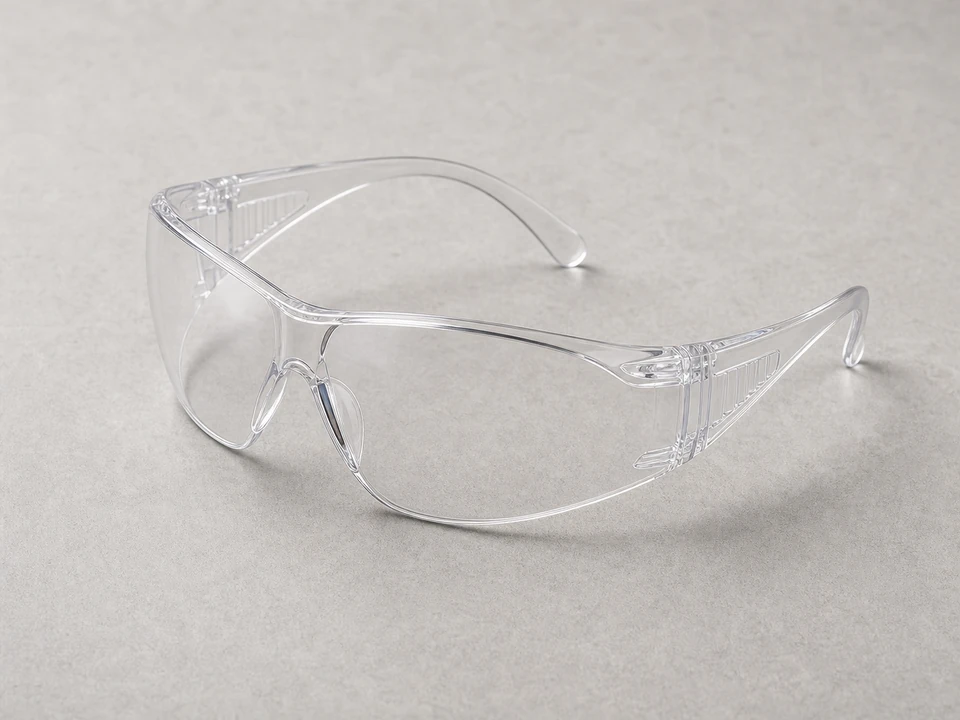
Use it for: To protect your eyes while cutting, prying, and drilling.
Shop safety glassesAs an Amazon Associate I earn from qualifying purchases. Repair Riot may earn a commission at no extra cost to you.
If it works: You have confirmed the board itself is damaged enough that replacement makes more sense than a simple refasten.
If it doesn’t: If the board is solid and the issue is only a squeak or minor looseness, use a fastening repair instead of cutting out the board.
If it doesn’t: If the board sits proud, rocks, or leaves a large gap, remove it and fine-tune the fit before driving more fasteners.
If it works: The floor feels solid, the new board stays level, and the repair holds under normal use.
If it doesn’t: If the board still moves or squeaks, recheck the fit and whether the fasteners are actually biting into solid support below.
Match the board width, thickness, profile, material, and edge style before ordering.
As an Amazon Associate I earn from qualifying purchases. Repair Riot may earn a commission at no extra cost to you.
Yes, if the damage is limited to one board and the surrounding floor and support are still sound. If several boards are loose or the floor feels soft over a wider area, the problem may be below the surface.
Replace it when the board is cracked through, rotted, swollen, badly split, or too damaged to hold fasteners well. If it is still solid and only squeaks or lifts slightly, refastening may be enough.
Match the width, thickness, material, edge style, and overall profile. A board that is close but not exact can leave height differences, gaps, or a weak fit.
Yes. Hidden wiring, plumbing, or other systems can run below the board. Keep the cut depth shallow and stop if you cannot tell what is underneath.
A squeak usually means movement remains somewhere in the assembly. The new board may not be tight to its support, the fasteners may not be biting well, or the subfloor or framing below may be the real source.