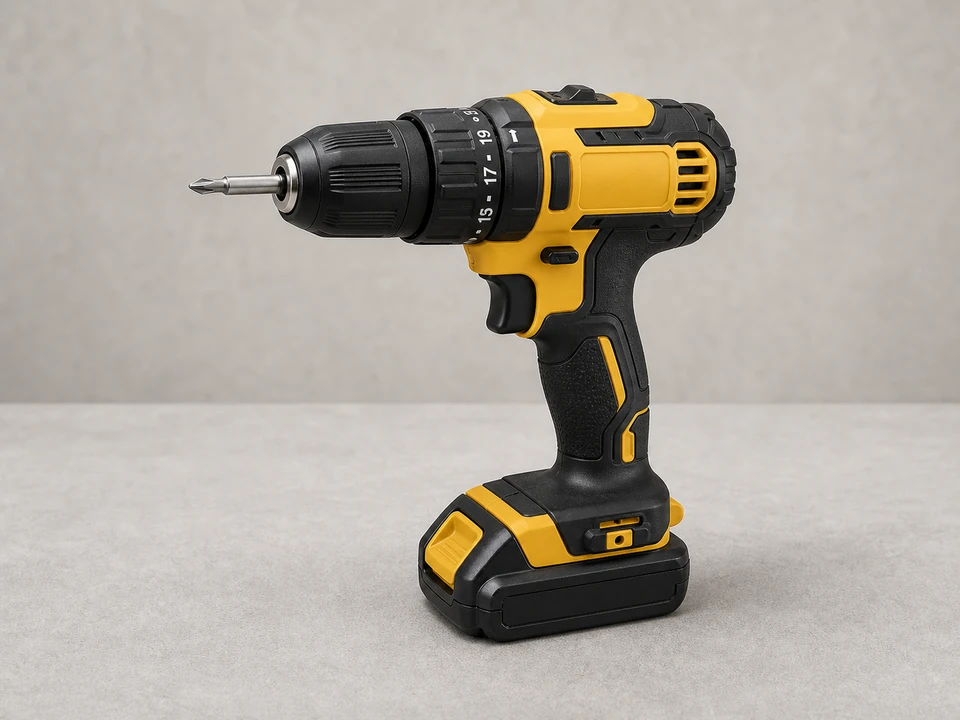
Drill/driver
Use it for: To remove old screws and drive the new fasteners cleanly.
Shop drill/driversIf your deck railing is loose because the original hardware is rusted, stripped, or no longer holding, replacing the deck railing fastener kit is a practical fix.
This repair is usually straightforward if the railing parts themselves are still sound. The goal is to remove failed fasteners, pull the connection tight again, and make sure the railing stays firm when you lean on it.
Before you start: Match the screw type, length, head style, and exterior rating to your deck board thickness and framing material before ordering.
Use it for: To remove old screws and drive the new fasteners cleanly.
Shop drill/drivers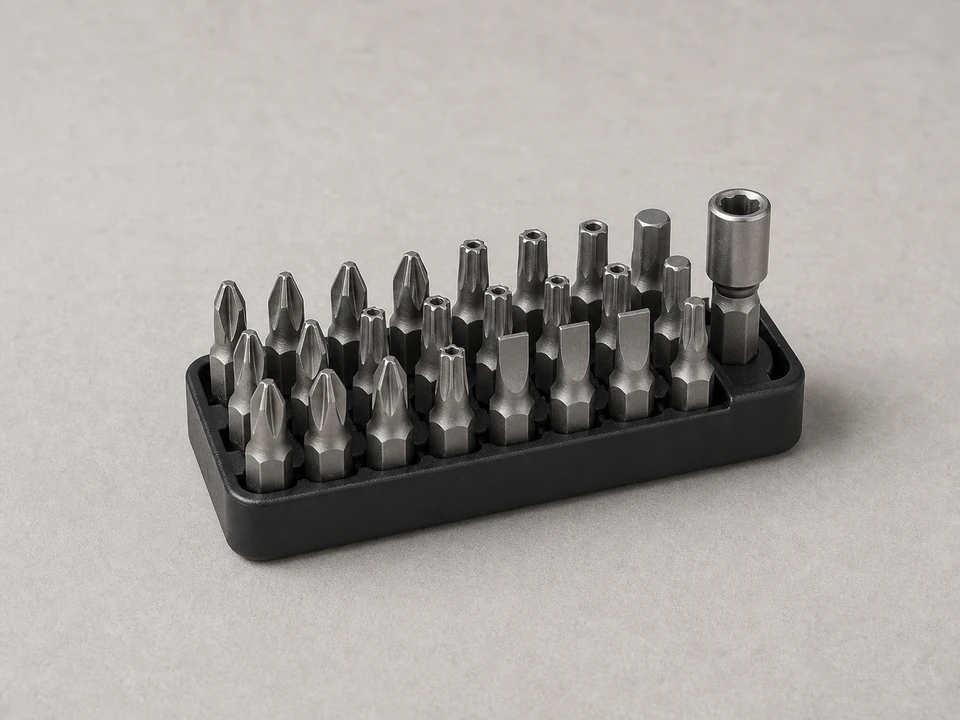
Use it for: To match the old and new screw heads without stripping them.
Shop driver bit sets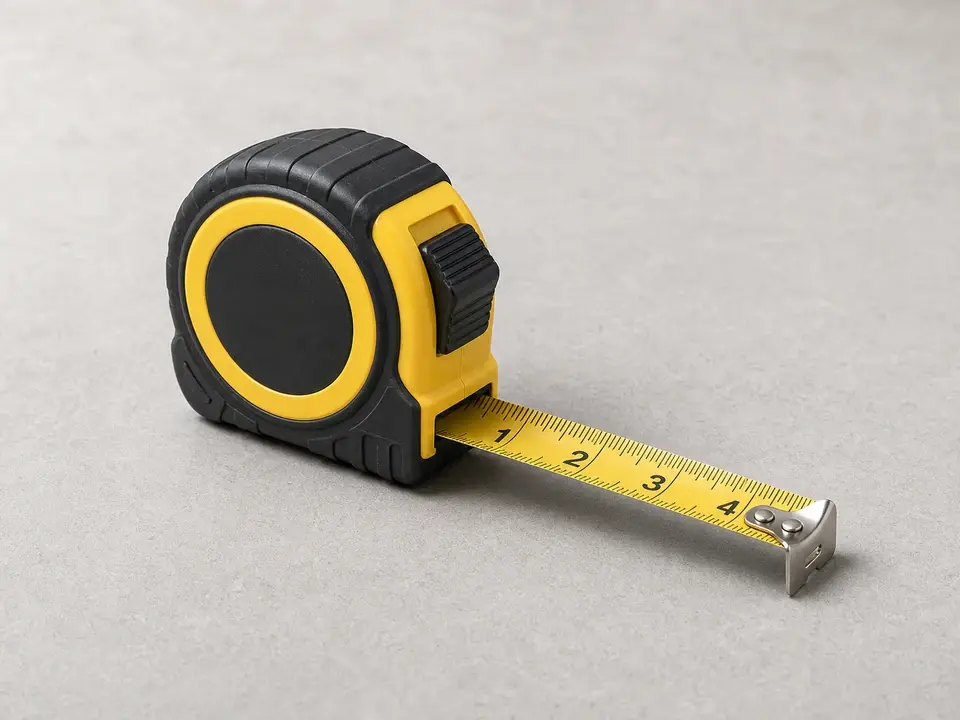
Use it for: To check fastener length and spacing before installing replacements.
Shop tape measures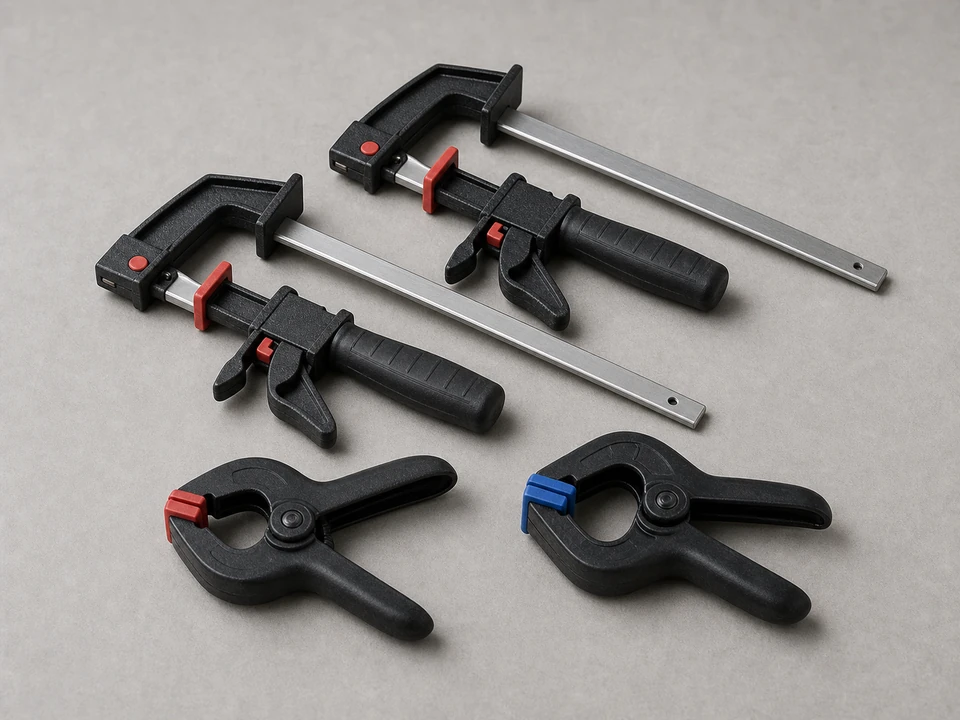
Use it for: To hold the railing section in position while you start the new fasteners.
Shop clamps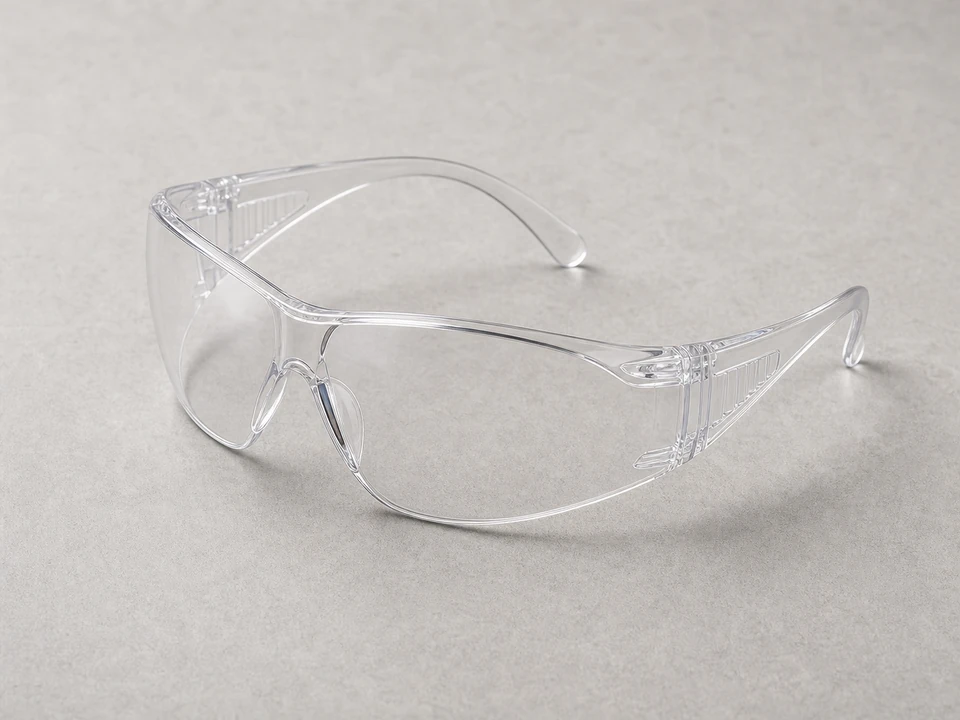
Use it for: To protect your eyes from metal fragments, wood chips, and rust.
Shop safety glassesAs an Amazon Associate I earn from qualifying purchases. Repair Riot may earn a commission at no extra cost to you.
If it works: You have traced the wobble to a failed fastener connection and the surrounding material still looks solid enough for replacement.
If it doesn’t: If the railing itself is cracked, the post is loose at the deck, or the wood is soft and decayed, fix that larger problem before replacing the fastener kit.
If it works: The work area is clear and the replacement fastener kit matches the connection you are repairing.
If it doesn’t: If the new hardware is noticeably too short, too long, or the wrong head type for the connection, pause and get the correct kit before continuing.
If it works: The failed hardware is out and the railing connection is aligned and held in the correct position.
If it doesn’t: If a stripped screw will not back out, try a fresh bit, firmer pressure, or locking pliers on the head before moving on.
If it works: The new fastener kit is installed and the connection feels tight without visible gap or damage from overtightening.
If it doesn’t: If a fastener spins without tightening, the hole may be stripped or the surrounding material may be damaged and need a larger repair.
If it works: The repaired connection stays tight under hand pressure and no obvious new wobble shows up nearby.
If it doesn’t: If the wobble moved to the post base, another bracket, or a different rail joint, repair that connection too before calling the job done.
If it works: The railing stays firm in real use and the repaired connection remains tight after testing.
If it doesn’t: If the railing loosens again after a short test, the root problem is likely damaged wood, a loose post, or the wrong hardware for the connection.
Match the screw type, length, head style, and exterior rating to your deck board thickness and framing material before ordering.
As an Amazon Associate I earn from qualifying purchases. Repair Riot may earn a commission at no extra cost to you.
Only if the old hardware is still in good shape and the connection tightens securely. If the screws are rusted, stripped, bent, or keep loosening, replacement is the better fix.
Use exterior-rated fasteners that match the original connection style and are suitable for outdoor exposure. Length, diameter, and head style all need to fit the railing parts you are fastening together.
The wobble may be coming from a different point, such as a loose post base, damaged wood, a cracked bracket, or enlarged holes that no longer hold hardware well.
Not always, but if several fasteners are rusted or loose, replacing the full set in that connection often gives a more even and longer-lasting repair.
Usually yes. Most fastener-kit replacements are done at the loose connection only, as long as the railing can be supported and realigned in place.