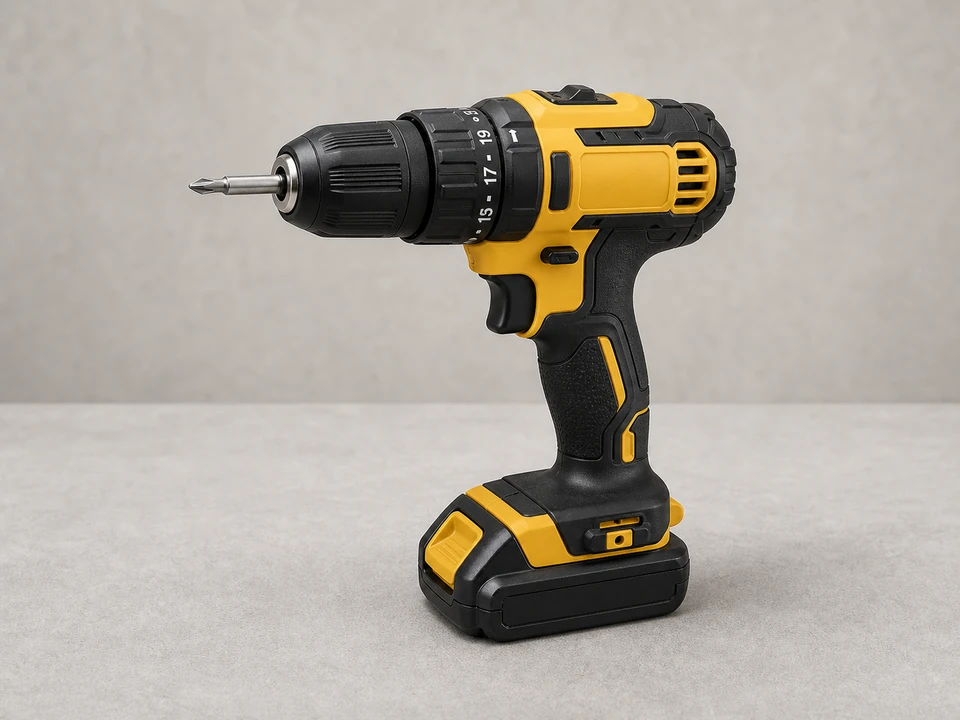
Drill/driver
Use it for: To remove old fasteners and drive the new ledger hardware.
Shop drill/driversTo replace a deck ledger fastener kit, first confirm the ledger is loose but the wood and house connection are still sound, then remove the failed fasteners one at a time and install new exterior-rated structural fasteners in solid framing.
This repair is about restoring a tight, secure connection between the deck ledger and the house. Work carefully, support the area if needed, and stop if you uncover rot, major movement, or damaged framing.
Before you start: Match the fastener type, length, diameter, coating, and approved use to your ledger thickness, house framing material, and any existing spacer or flashing setup before ordering.
Use it for: To remove old fasteners and drive the new ledger hardware.
Shop drill/drivers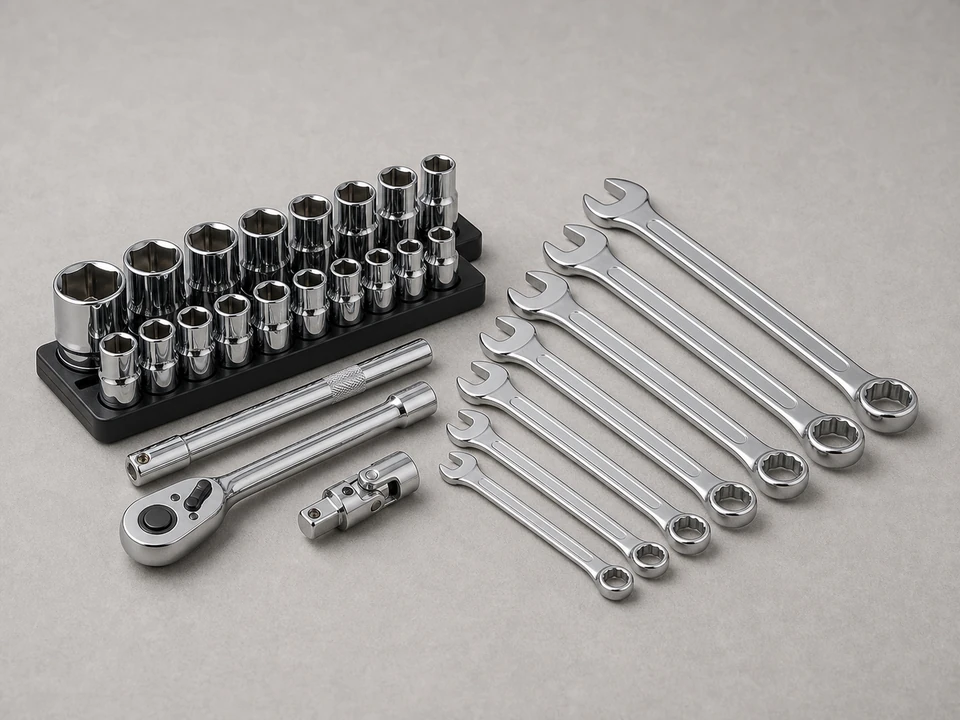
Use it for: To tighten structural screws or bolts to a snug fit.
Shop socket sets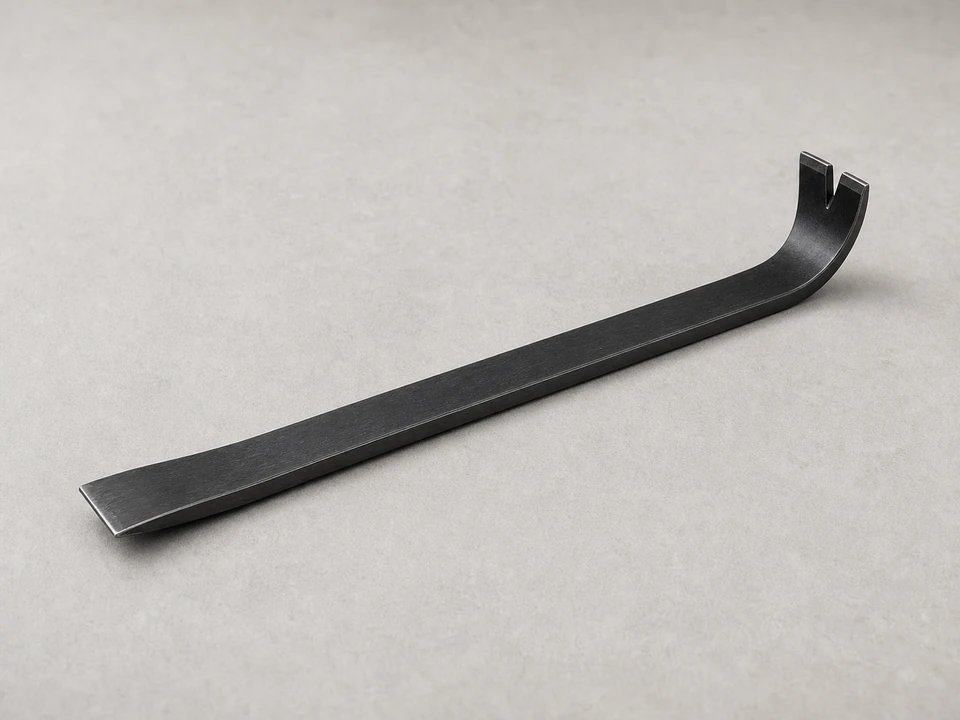
Use it for: To help free damaged hardware or shift the ledger slightly if it is stuck.
Shop pry bars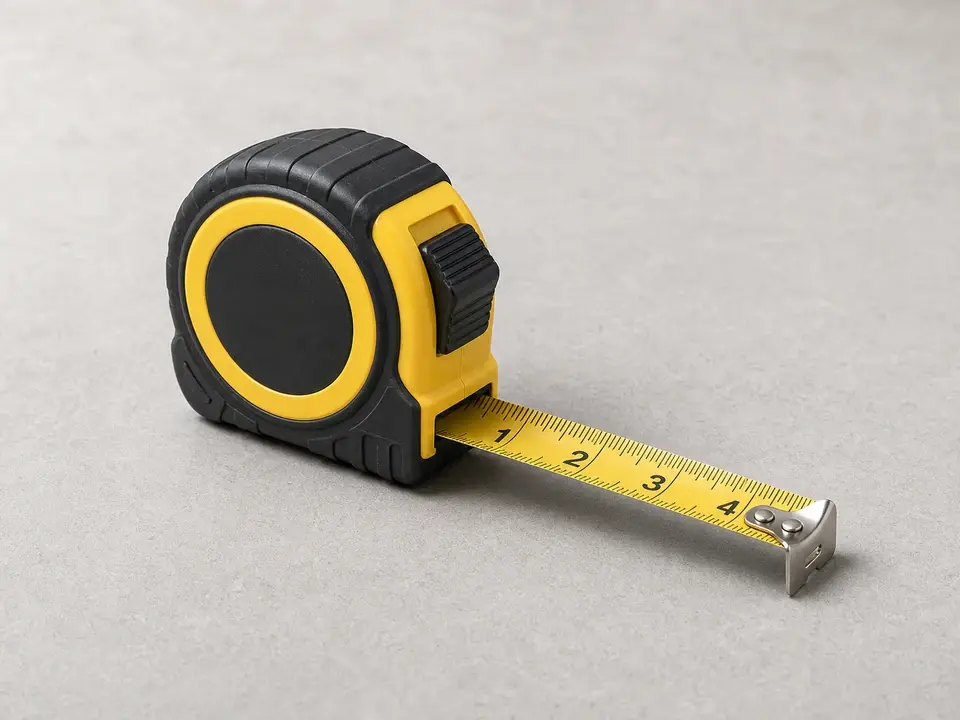
Use it for: To check ledger thickness, fastener spacing, and replacement length.
Shop tape measures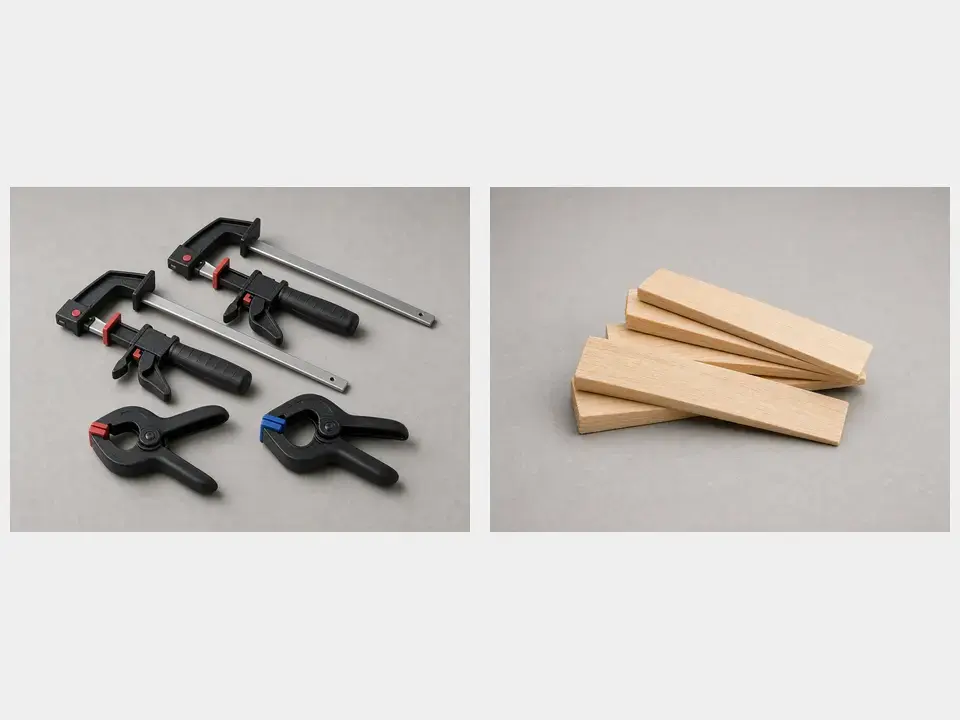
Use it for: To steady the deck edge if the ledger has noticeable movement during the repair.
Shop deck support tools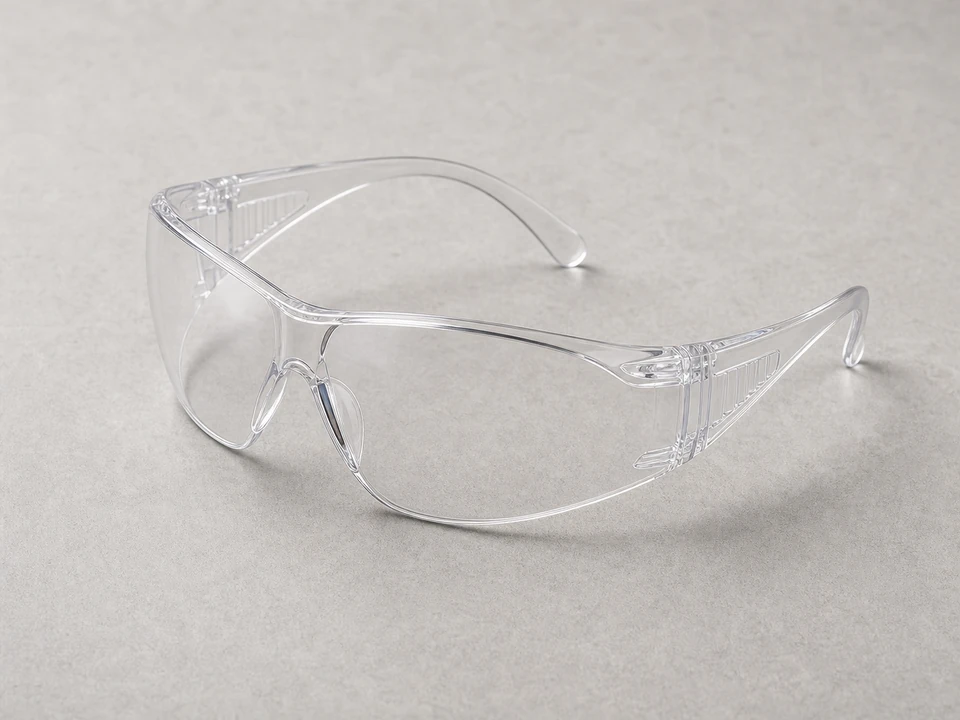
Use it for: To protect your eyes from rust, wood chips, and metal shavings.
Shop safety glassesAs an Amazon Associate I earn from qualifying purchases. Repair Riot may earn a commission at no extra cost to you.
If it works: You have confirmed the ledger connection is loose because the fasteners have failed or no longer hold tightly, and the surrounding wood still appears solid enough for replacement.
If it doesn’t: If the ledger feels tight and solid, the movement may be coming from posts, beams, joists, or decking instead of the ledger fasteners.
If it works: The work area is clear, you can reach the ledger safely, and the deck is supported well enough to replace the hardware without letting the ledger shift.
If it doesn’t: If you cannot safely support the deck or access the ledger connection, pause and get help before removing any hardware.
If it works: The failed hardware is out, and you know whether the existing hole area is still solid enough to accept a new fastener.
If it doesn’t: If one hole is enlarged but the surrounding wood is still sound, move the replacement fastener to a nearby solid location in the ledger and framing.
If it works: The new fasteners pull the ledger tight to the house and hold firmly without spinning out or crushing the wood.
If it doesn’t: If a fastener will not tighten firmly, remove it and relocate it into solid material rather than overtightening.
If it works: The ledger sits tight and even, the new hardware is secure, and the area is clean enough for a final check.
If it doesn’t: If the ledger twists, bows, or opens back up when support is removed, the connection likely needs a deeper structural repair.
If it works: The deck feels solid near the house, the ledger stays tight, and the new fasteners remain snug after a real-use check.
If it doesn’t: If movement or a gap returns, the problem may involve damaged framing, missing flashing, or a larger ledger attachment issue that needs professional repair.
Match the fastener type, length, diameter, coating, and approved use to your ledger thickness, house framing material, and any existing spacer or flashing setup before ordering.
As an Amazon Associate I earn from qualifying purchases. Repair Riot may earn a commission at no extra cost to you.
Yes, if the rest of the connection is solid and the surrounding wood is sound. Replace failed fasteners one at a time so the ledger stays supported and aligned.
Do not force the new fastener into a loose hole. Move to a nearby solid location in the ledger and framing, or stop if the wood is too damaged in multiple spots.
If the ledger already shows movement or a gap, yes. Temporary support helps keep the deck from shifting while you remove and replace the hardware.
No. New hardware only works if the ledger and the framing behind it are still solid. Rot, crushing, or major splitting means the repair is larger than a fastener swap.
Tight enough to pull the ledger snug to the house without crushing the wood fibers. Overtightening can damage the connection and reduce holding strength.