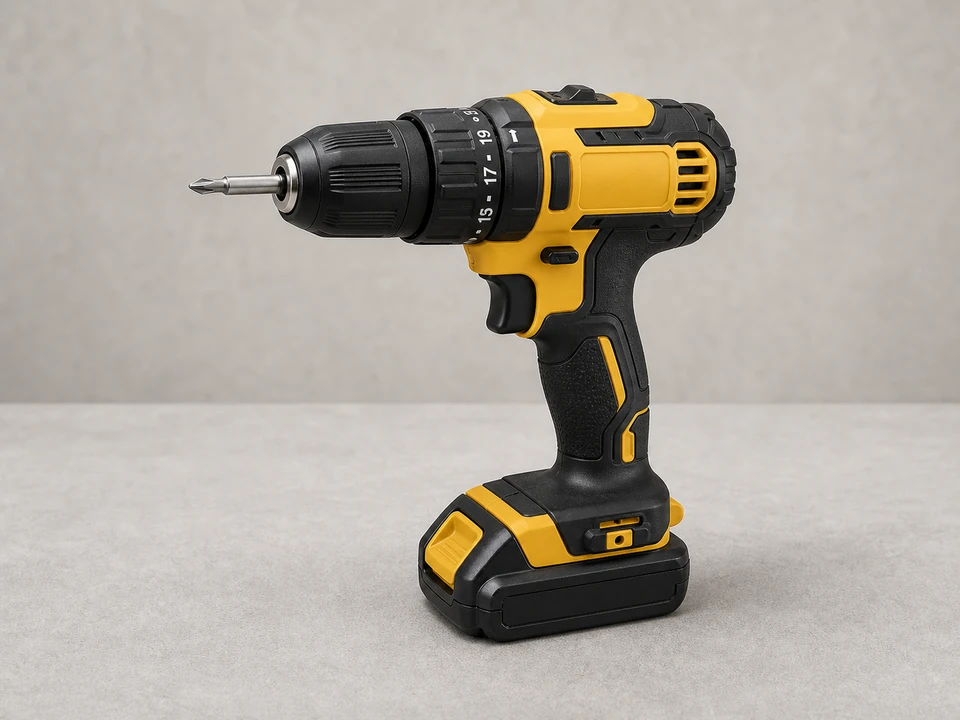
Drill/driver
Use it for: To back out old fasteners and drive the new ones cleanly.
Shop drill/driverTo replace deck fasteners, remove the loose, rusted, or stripped fasteners, pull the deck board back into position if needed, and install new exterior-rated fasteners that match the board thickness and framing below.
This is usually a straightforward repair when the board and framing are still sound. The main goal is to replace failed fasteners before the board starts moving, cupping, or cracking around the holes.
Before you start: Match the screw type, length, head style, and exterior rating to your deck board thickness and framing material before ordering.
Use it for: To back out old fasteners and drive the new ones cleanly.
Shop drill/driver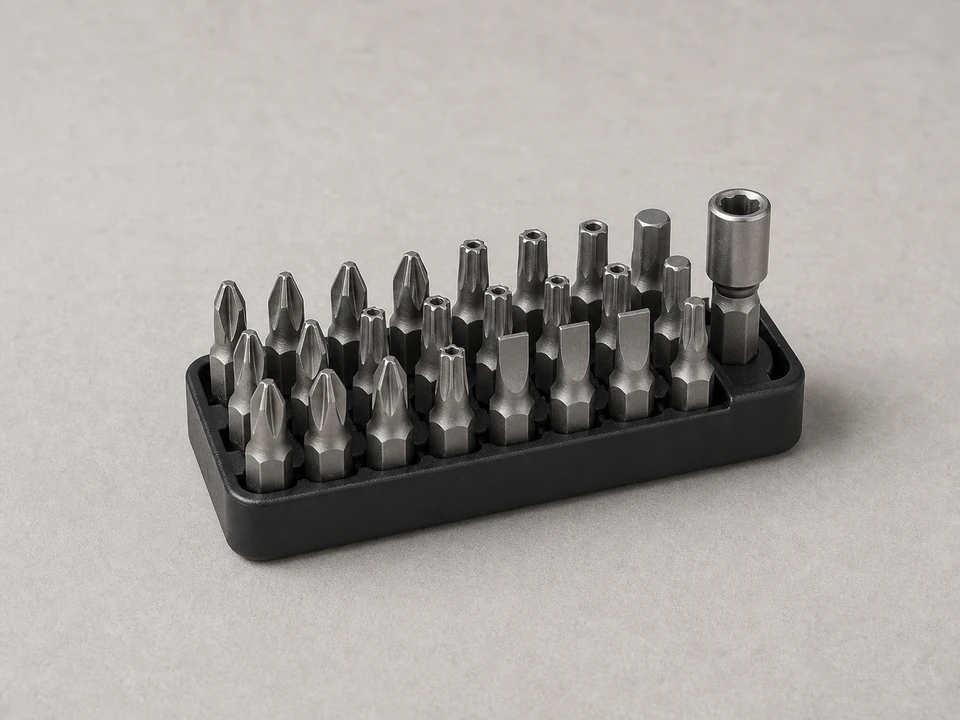
Use it for: To match the screw head and avoid stripping it during removal or installation.
Shop driver bit set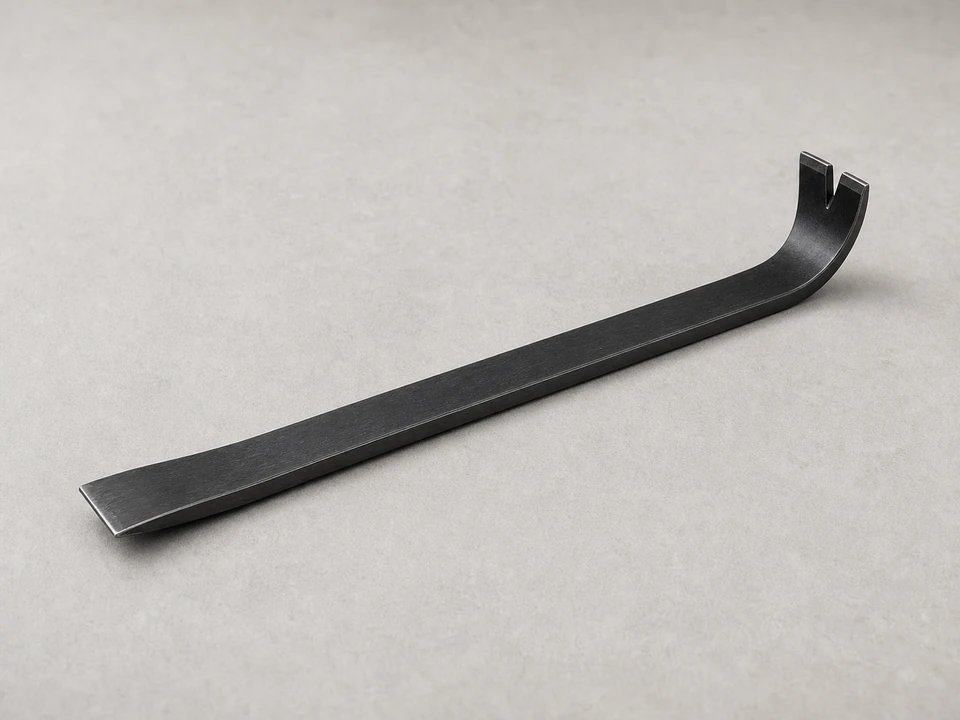
Use it for: To lift a stubborn board slightly or help remove damaged fasteners.
Shop pry bar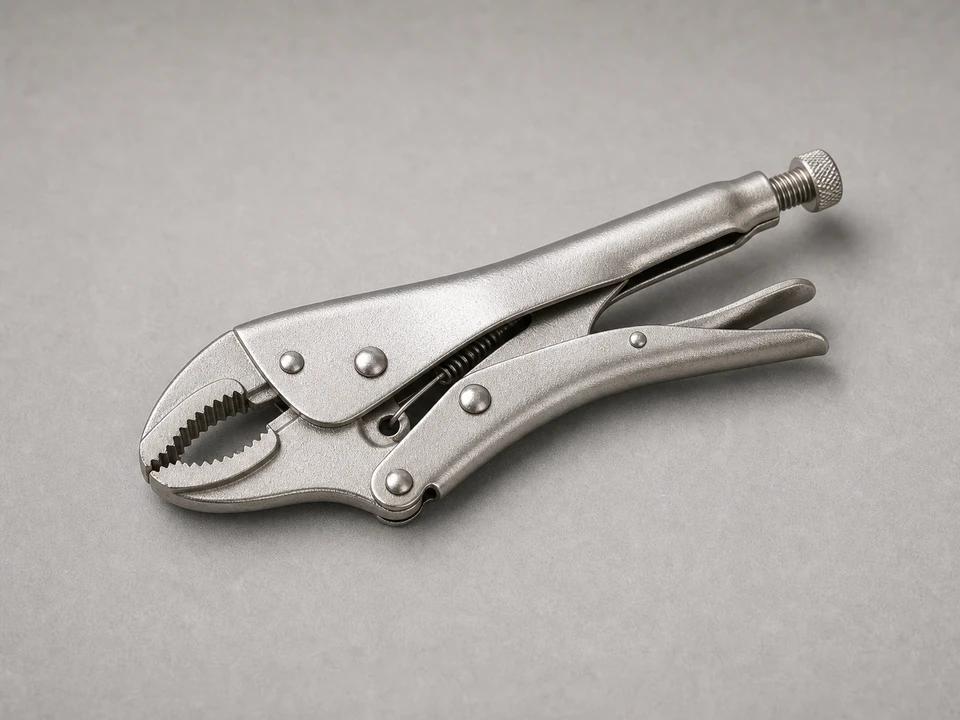
Use it for: To grip a stripped or broken fastener shank that will not back out normally.
Shop locking pliers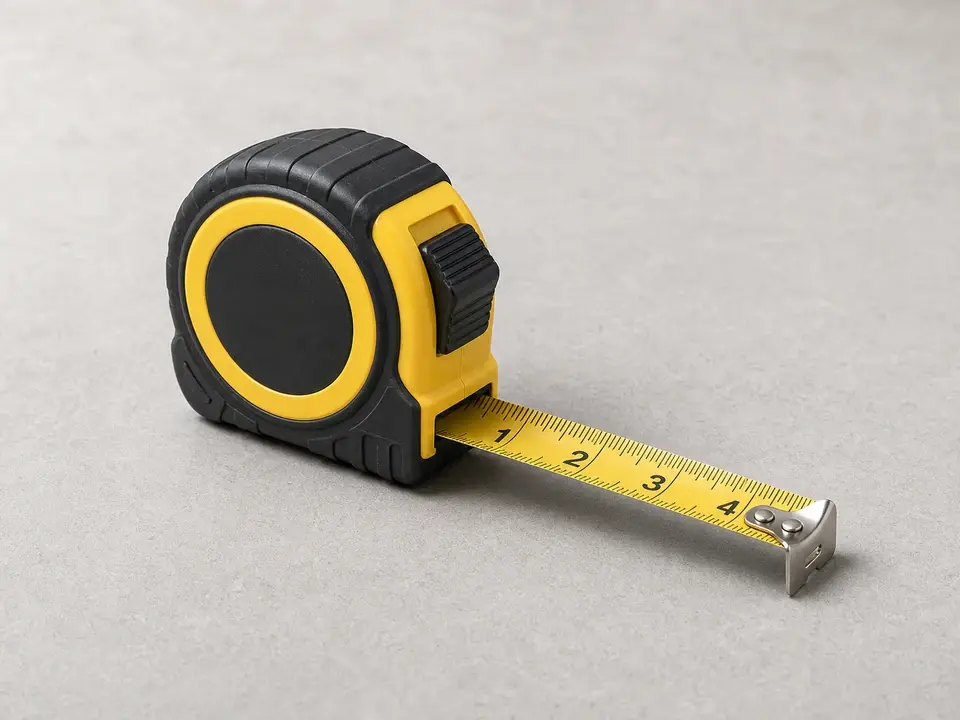
Use it for: To check board thickness and choose the right fastener length.
Shop tape measure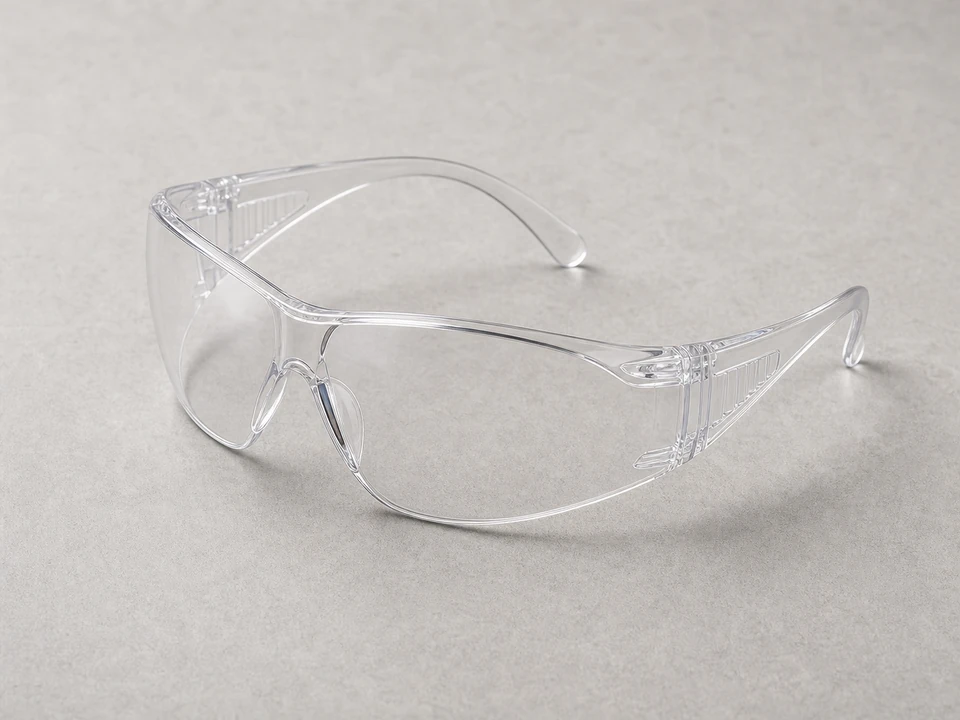
Use it for: To protect your eyes from metal fragments, wood chips, and debris.
Shop safety glassesAs an Amazon Associate I earn from qualifying purchases. Repair Riot may earn a commission at no extra cost to you.
If it works: You have confirmed the board is basically sound and the failed fasteners are what let it move.
If it doesn’t: If the board is cracked through, badly rotted, or no longer holds around the holes, replace the board instead of just the fasteners.
If it works: You have the right replacement fasteners and a clean work area.
If it doesn’t: If you are unsure about length, remove one intact fastener from a nearby board and use it as your size guide.
If it works: The failed fasteners are out, or you have cleared the spot and chosen a nearby solid location for the new fastener.
If it doesn’t: If the old fastener will not come out without tearing up the board, stop trying to save the exact hole and move the new fastener slightly over into sound wood.
If it works: The board is aligned, supported, and ready for new fasteners.
If it doesn’t: If the board will not sit flat even with pressure, inspect again for a warped board, trapped debris, or framing that has shifted.
If it works: The board is firmly attached and the fastener heads sit flush without crushing the wood.
If it doesn’t: If a fastener spins without tightening, remove it and drive a new one into solid wood nearby over the framing.
If it works: The board stays flat, feels solid under foot, and the new fasteners remain tight after use.
If it doesn’t: If the board still moves, add or reposition fasteners only where there is solid framing, or move to board replacement if the wood no longer holds securely.
Match the screw type, length, head style, and exterior rating to your deck board thickness and framing material before ordering.
As an Amazon Associate I earn from qualifying purchases. Repair Riot may earn a commission at no extra cost to you.
For most deck board repairs, exterior-rated screws are the better choice because they pull the board down tightly and are less likely to work loose again.
Yes, if the hole still holds tightly in solid wood. If the hole is wallowed out or split, move the new fastener slightly to one side over the joist.
If you cannot remove it cleanly, leave it buried and install the new fastener nearby in sound wood over the framing.
If the board is soft, badly split, cracked through, or the wood around the holes no longer grips a new fastener, replacing the board is the better repair.
Replace any loose, rusted, missing, or stripped fasteners in the same problem area. If one has failed from age or corrosion, nearby ones may not be far behind.