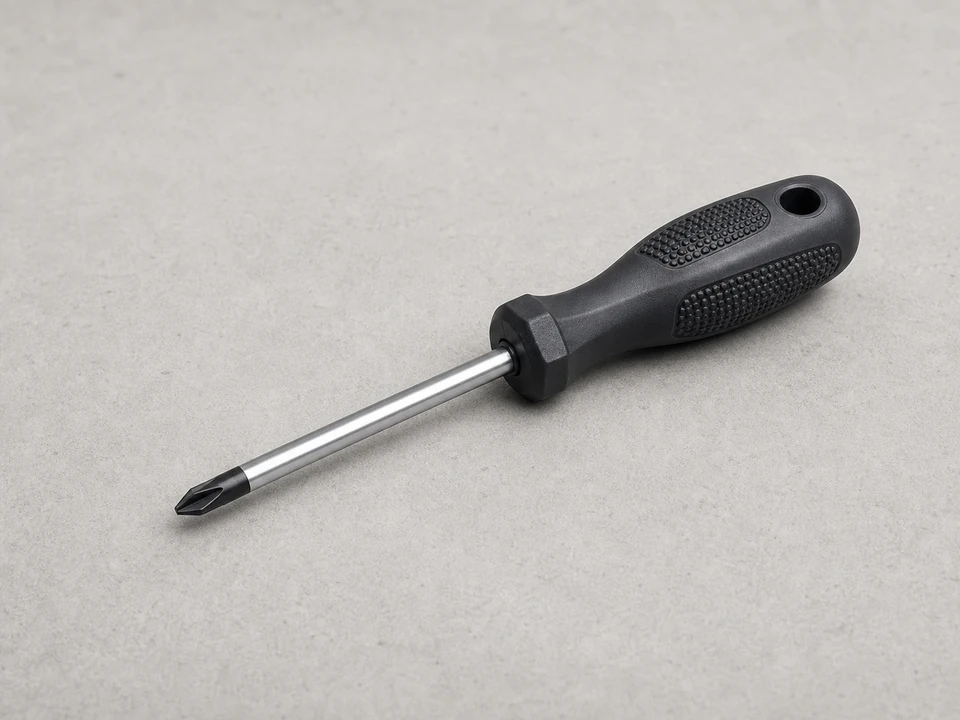
Phillips screwdriver
Use it for: To remove toe-kick panels, access covers, and mounting screws.
Shop Phillips screwdriversIf your dishwasher fills but does not spray well, makes a loud grinding or whining sound during wash, or leaves dishes dirty because water is not circulating, replacing the dishwasher circulation pump is a common fix.
This job is manageable for many homeowners if you work carefully. The main goals are to confirm the pump is the real problem, shut off power and water, swap the pump without damaging hoses or seals, and then test for leaks and normal wash action.
Before you start: Match the port layout, mounting style, electrical connector, and your dishwasher's compatible part number before ordering.
Use it for: To remove toe-kick panels, access covers, and mounting screws.
Shop Phillips screwdrivers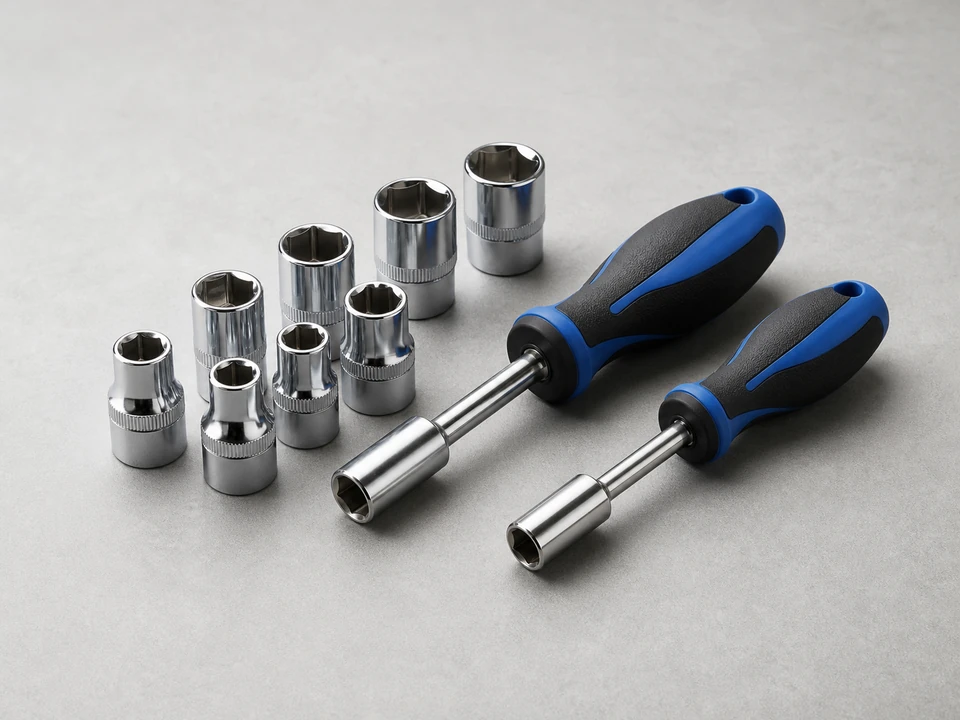
Use it for: Many dishwasher panels and brackets use hex-head screws.
Shop nut driver sets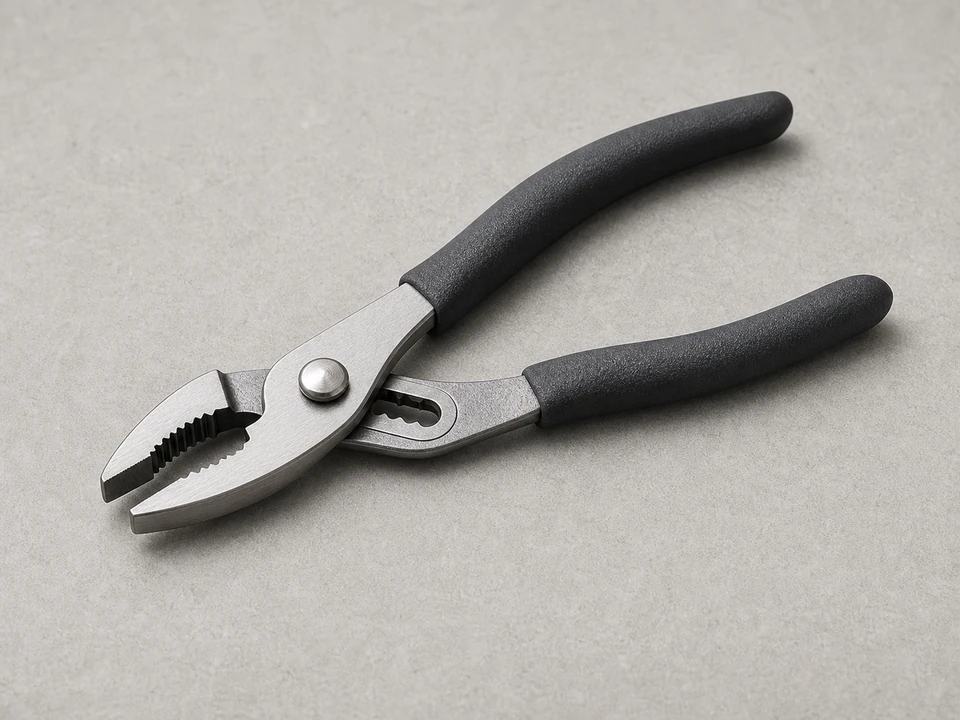
Use it for: To loosen spring clamps and help remove hoses from the pump.
Shop slip-joint pliers
Use it for: To catch the water that spills when hoses or the pump are removed.
Shop absorbent towels
Use it for: To protect your hands from sharp metal edges under the dishwasher.
Shop work gloves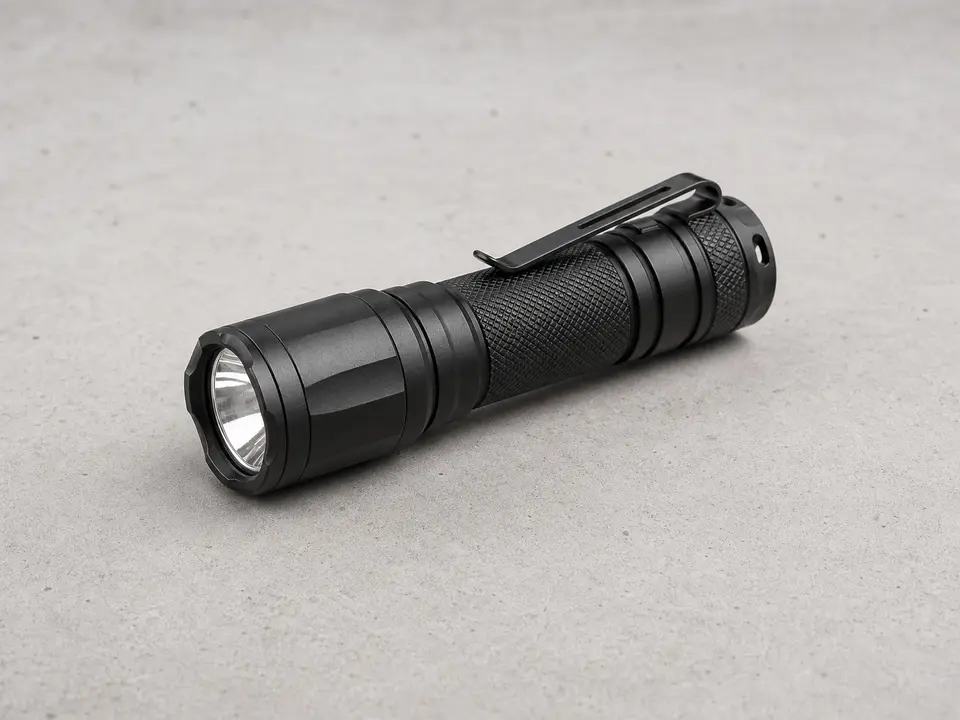
Use it for: To see hose connections, wiring plugs, and mounting tabs under the unit.
Shop flashlightsAs an Amazon Associate I earn from qualifying purchases. Repair Riot may earn a commission at no extra cost to you.
If it works: You have symptoms that point to poor wash-water circulation rather than a simple loading or filter issue.
If it doesn’t: If cleaning the filter and clearing the spray arms restores strong spray, you may not need to replace the pump.
If it works: The dishwasher is de-energized, the water supply is off, and you can access the lower pump area.
If it doesn’t: If the dishwasher will not slide forward, check for hidden mounting screws, a tight drain hose, or a power connection that needs more slack.
If it works: The old circulation pump is free from the dishwasher and the connections are documented.
If it doesn’t: If the pump feels stuck, look again for a hidden locking tab, retaining clip, or screw before forcing it.
If it works: The new pump is mounted squarely, connected correctly, and ready for reassembly.
If it doesn’t: If the new pump does not line up cleanly, stop and recheck part compatibility before trying to modify anything.
If it works: The dishwasher is back in position with water and power restored and no immediate leaks are visible.
If it doesn’t: If you see a drip, shut the water back off and reseat the hose or clamp before running a cycle.
If it works: The dishwasher circulates water normally, runs without unusual pump noise, and stays dry underneath during use.
If it doesn’t: If the dishwasher still fills but does not spray, recheck the connector, hose placement, and part fit. If those are correct, the problem may be elsewhere in the wash system.
Match the port layout, mounting style, electrical connector, and your dishwasher's compatible part number before ordering.
As an Amazon Associate I earn from qualifying purchases. Repair Riot may earn a commission at no extra cost to you.
It moves wash water through the spray arms during the cleaning cycle. If it fails, the dishwasher may fill and drain normally but still not clean because water is not being pushed around the tub.
A clogged filter or blocked spray arm usually improves after cleaning. A bad circulation pump often causes weak or no spray even with a clean filter, and it may make a loud whining, grinding, or humming noise during the wash cycle.
Not always. Some units give enough access from the front after removing the lower panels, but many need to be slid forward partway so you can reach the pump and hoses safely.
If the replacement pump includes new seals, use them. If an old clamp is rusty, weak, or no longer holds tension well, replacing it is a smart way to prevent leaks.
Double-check the electrical connector, hose routing, and that the new pump is the correct fit and fully seated. If those look right, the issue may be elsewhere in the wash system, such as a blockage, control problem, or another failed component.