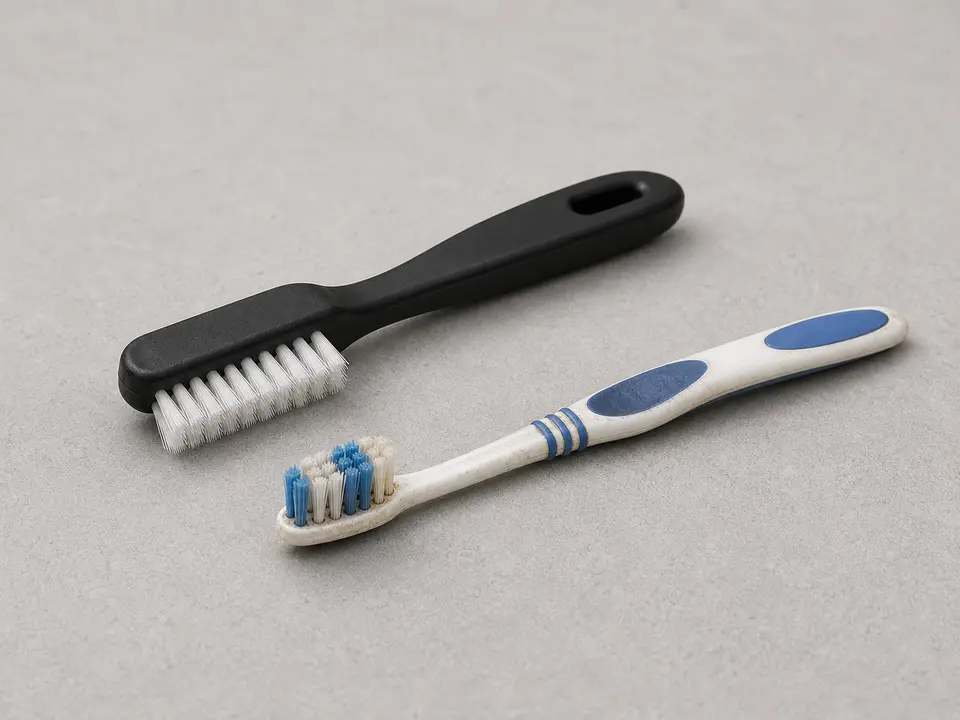
Small nylon bottle brush
Use it for: Scrubs debris and slime out of the air gap body without gouging plastic.
Find a small cleaning brushTo clean a dishwasher air gap, remove the cap, lift out the inner cover, clear out food debris and sludge, then flush the air gap and drain hose path until water flows freely into the sink drain or garbage disposal again.
A clogged air gap usually shows up as water spurting or pooling around the small cylinder on the sink or countertop while the dishwasher drains. This is a straightforward cleanup job for most homeowners, as long as you stop if you find cracked parts, leaking hoses, or signs the blockage is deeper in the drain system.
Before you start: Most air gaps have a removable cap and inner cover, but sizes vary. Use a small nonmetal brush that fits inside the air gap without damaging plastic parts. Stop if the repair becomes unsafe or unclear.
Use it for: Scrubs debris and slime out of the air gap body without gouging plastic.
Find a small cleaning brush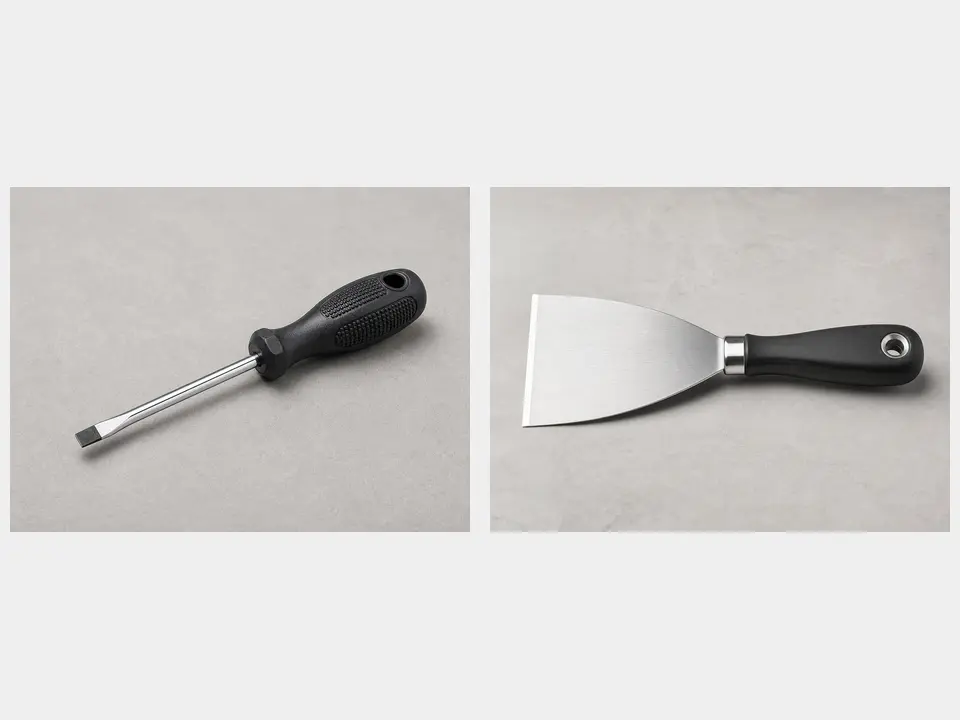
Use it for: Helps gently pry off the decorative cap if it is snug.
Shop flat screwdrivers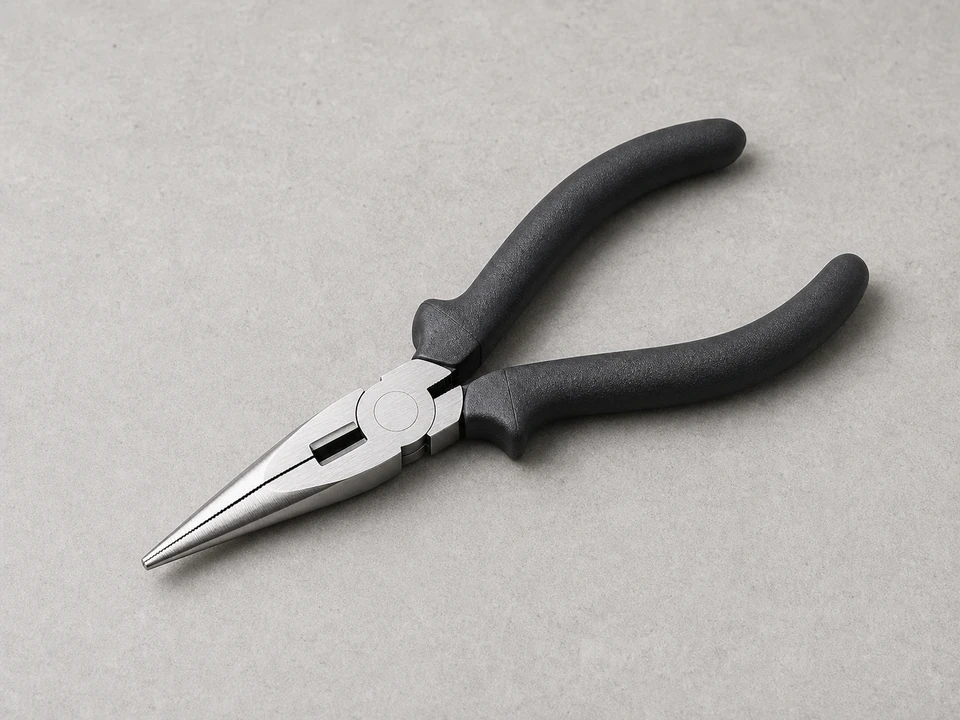
Use it for: Useful for pulling out stubborn debris near the top of the air gap.
Find needle-nose pliers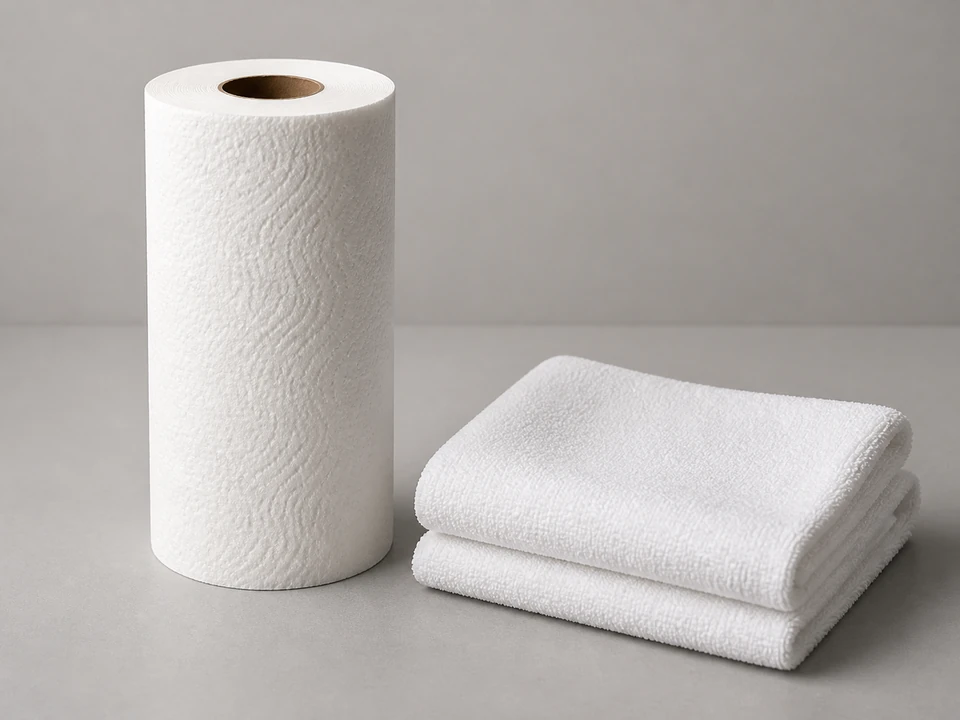
Use it for: Catch dirty water and protect the counter and sink area.
Shop absorbent shop towels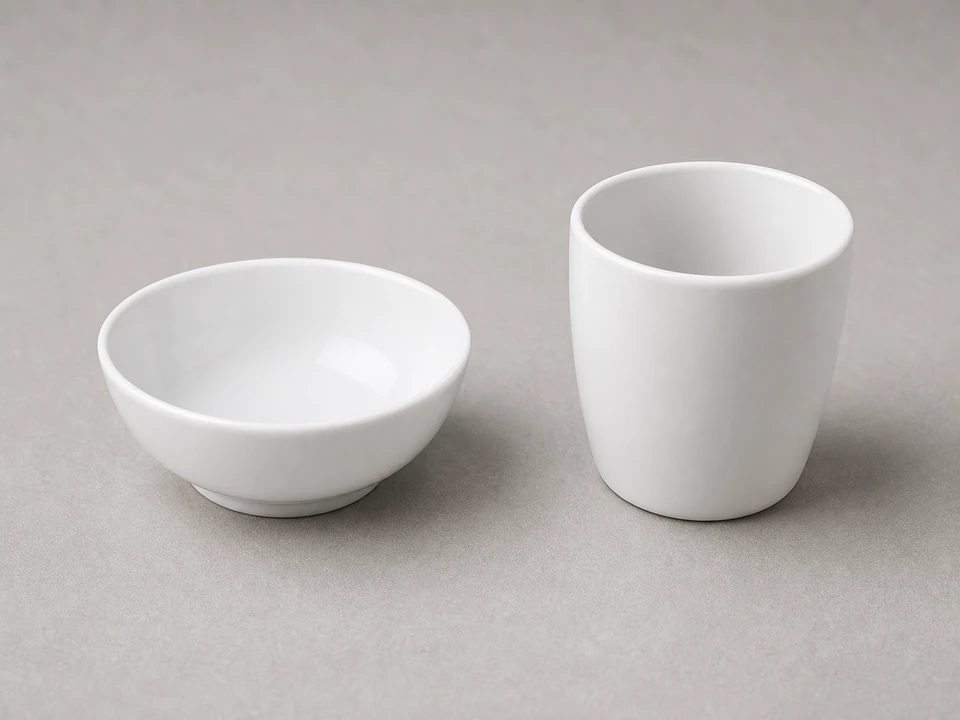
Use it for: Lets you pour a little clean water through the air gap to flush it.
Find a small utility cup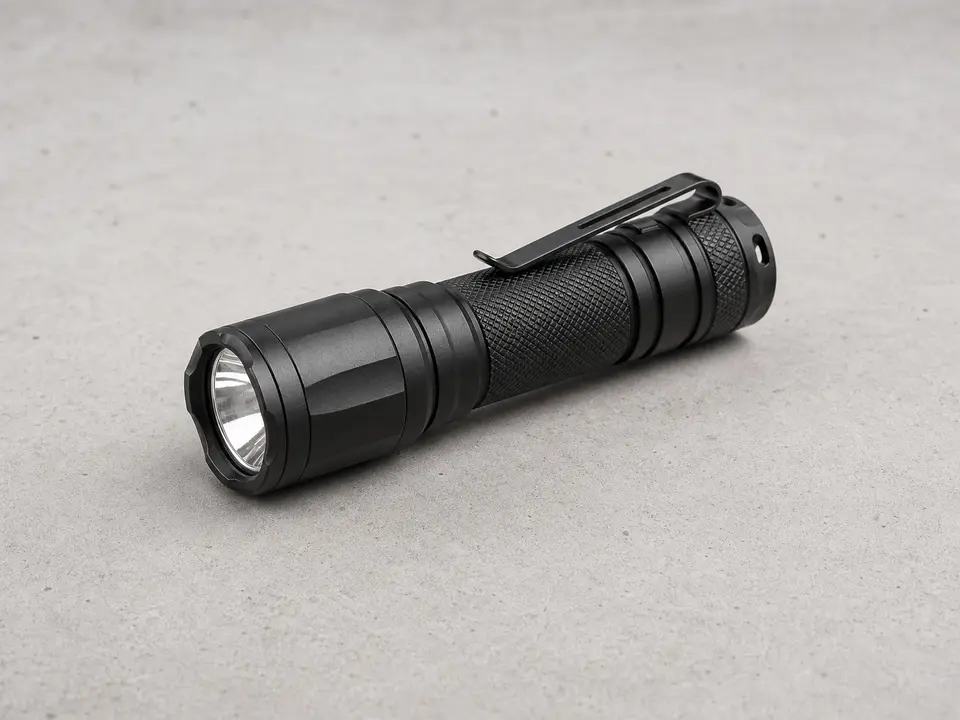
Use it for: Helps you see inside the air gap and under the sink if you need to inspect the hose.
Shop LED flashlightsAs an Amazon Associate I earn from qualifying purchases. Repair Riot may earn a commission at no extra cost to you.
If it works: You confirmed the air gap is present and likely clogged because water is coming out of it or draining poorly during the dishwasher drain cycle.
If it doesn’t: If your sink setup does not have an air gap, or no water comes out there, the problem may be in the dishwasher filter, drain hose, garbage disposal inlet, or sink drain instead.
If it works: The top of the air gap is open and you can see inside the body.
If it doesn’t: If the cap will not come off with light pressure, wipe around the base and try again gently. Do not force it hard enough to crack the cap or countertop trim.
If it works: The air gap opening and removable pieces are visibly cleaner, with loose debris removed.
If it doesn’t: If you cannot reach the blockage from the top, move on to flushing the air gap. That often loosens what the brush cannot grab.
If it works: Water poured into the air gap moves through more freely and does not immediately rise back to the top.
If it doesn’t: If water still backs up right away, check the dishwasher drain connection at the garbage disposal or sink drain for a deeper clog.
If it works: The hose path from the air gap to the drain looks open, connected, and free of obvious kinks or simple blockage points.
If it doesn’t: If the hose is clogged solid, split, or leaking at the connection, it may need to be removed or replaced rather than just cleaned from the top.
If it works: The dishwasher drains without water spurting from the air gap, and there are no leaks at the top or under the sink.
If it doesn’t: If water still comes out of the air gap after cleaning, the clog is likely farther down the drain hose, disposal inlet, or sink drain and needs deeper clearing.
It prevents dirty sink or drain water from siphoning back into the dishwasher. It also gives clogged drain water a place to spill out visibly instead of backing into the appliance.
Usually because the drain path after the air gap is restricted. Food debris, grease, or buildup in the air gap, hose, garbage disposal inlet, or sink drain can force water back up and out the top.
Often yes. Many clogs are right at the top of the air gap and can be cleared by removing the cap, brushing out debris, and flushing it. If the blockage is deeper in the hose or drain connection, more work may be needed.
For basic air gap cleaning from the top, usually no. You are not opening electrical parts or water supply lines. If you plan to work near a garbage disposal connection or disconnect hoses, use extra caution and stop if the job goes beyond simple cleaning.
There is no fixed schedule for every home, but it is smart to clean it whenever you see slow draining, water spurting from the cap, or visible buildup around the opening.