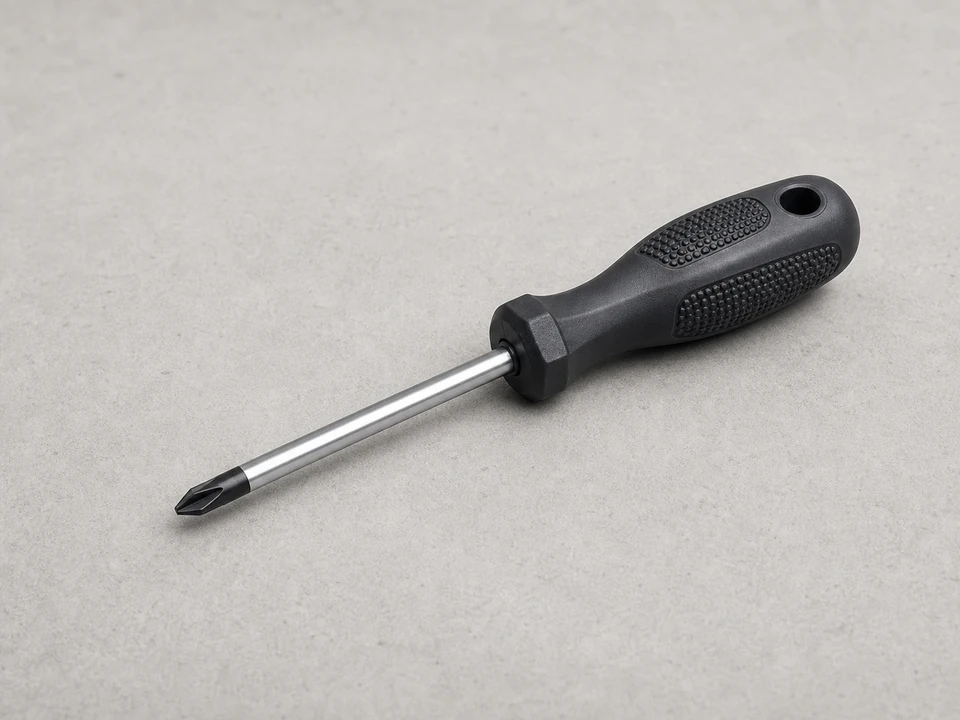
Phillips screwdriver
Use it for: Removes many inner door panel screws and dispenser mounting screws.
Shop Phillips screwdriversTo replace a dishwasher detergent dispenser assembly, shut off power, open the door, remove the inner door panel, disconnect the old dispenser, install the matching new assembly, and test that the lid latches and opens during a cycle.
This repair is usually worth doing when the dispenser door will not latch, will not open, leaks rinse aid, or has a broken spring or cracked housing. The job is straightforward, but you do need to work carefully around the door wiring and sharp metal edges.
Before you start: Match the replacement part to your exact dishwasher before ordering.
Use it for: Removes many inner door panel screws and dispenser mounting screws.
Shop Phillips screwdrivers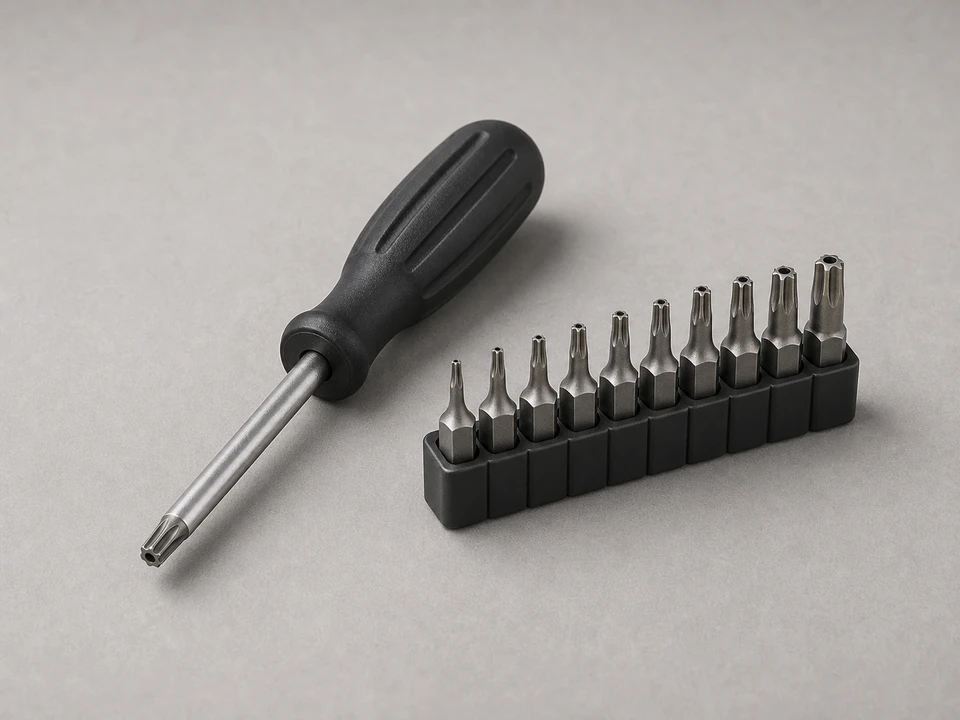
Use it for: Many dishwashers use Torx screws on the inner door panel.
Shop Torx bit sets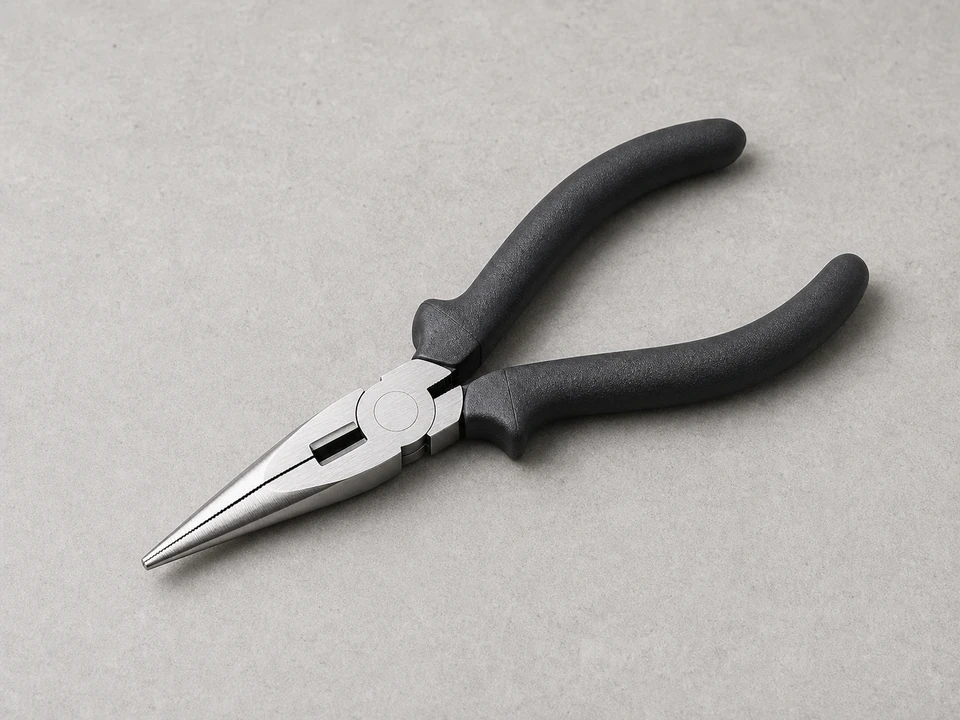
Use it for: Helps release wire connectors and handle small clips without forcing them.
Shop needle-nose pliers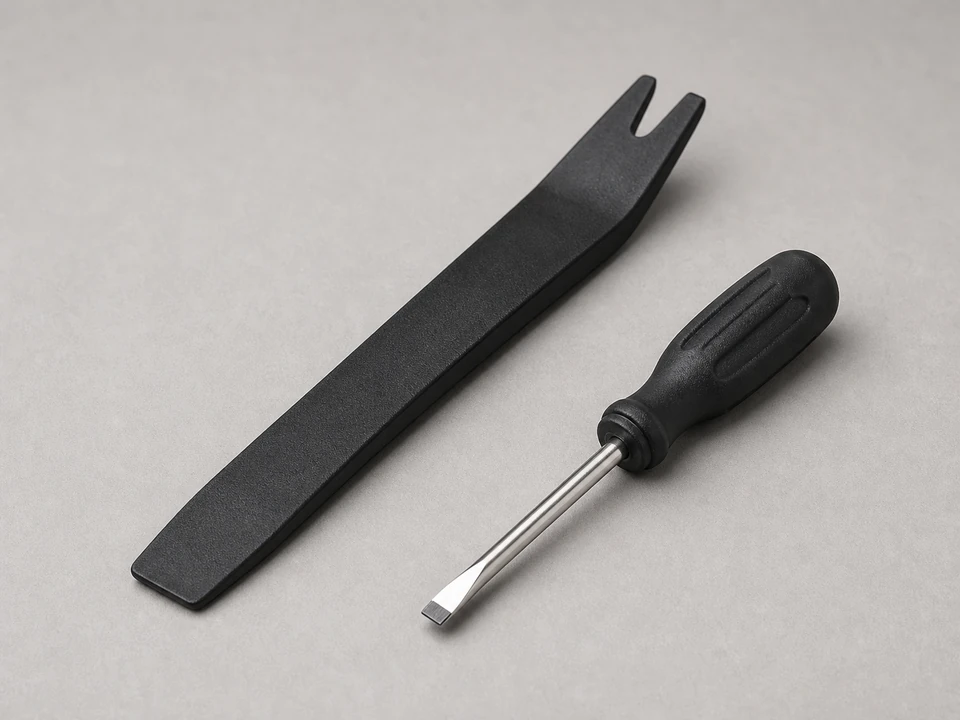
Use it for: Helps separate the inner panel or release retaining tabs without gouging the door.
Shop plastic pry tools
Use it for: Protects your hands from sharp sheet metal edges inside the door.
Shop work glovesAs an Amazon Associate I earn from qualifying purchases. Repair Riot may earn a commission at no extra cost to you.
If it works: You have a clear reason to replace the dishwasher detergent dispenser assembly instead of just cleaning or rearranging dishes.
If it doesn’t: If the dispenser works when clean and unobstructed, clean the cup and door thoroughly and retest before replacing parts.
If it works: The dishwasher is safe to work on and the open door is clear and stable.
If it doesn’t: If you cannot confirm power is off, stop and identify the correct breaker before touching the door screws.
If it works: You can see the back of the dishwasher detergent dispenser assembly and reach its wiring and fasteners.
If it doesn’t: If the panel feels stuck after the screws are out, check again for hidden screws near the latch area or along the top edge instead of prying hard.
If it works: The old dispenser assembly is out and the door opening is clean and ready for the replacement part.
If it doesn’t: If the dispenser will not come free, look again for one missed screw or locking tab rather than twisting the plastic housing.
If it works: The new dispenser assembly is mounted squarely, wired in, and the lid moves normally.
If it doesn’t: If the new part does not sit flush or the connector does not match, recheck part fit before reassembling the door.
If it works: The new dispenser assembly opens during the cycle, holds detergent properly before the wash, and shows no leaks afterward.
If it doesn’t: If the new dispenser still does not open, the issue may be with the timer, control, wax motor, or wiring rather than the dispenser itself.
Match the replacement part to your exact dishwasher before ordering.
As an Amazon Associate I earn from qualifying purchases. Repair Riot may earn a commission at no extra cost to you.
Common signs are a broken latch, cracked housing, a lid that will not stay closed, a lid that never opens during the wash, or rinse aid leaking from the dispenser body.
Yes, if detergent residue is keeping the lid from moving freely. Clean the cup, latch area, and door edge first. If the plastic is damaged or the latch still fails, replacement is the better fix.
Usually no. This repair is commonly done with the dishwasher in place by opening the door and removing the inner door panel.
That usually points to a wash performance issue instead of a bad dispenser. Weak spray, low water temperature, or a blocked spray arm can leave detergent behind.
If the part fits and the lid moves freely by hand, the problem may be in the dishwasher's control system, actuator, or wiring rather than the dispenser assembly itself.