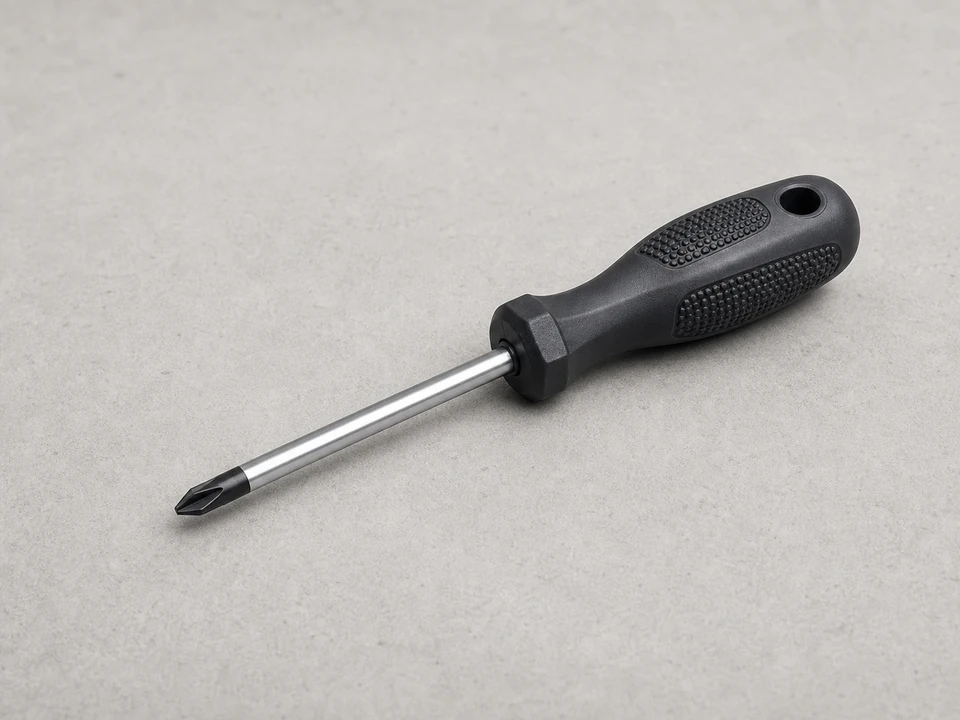
Phillips screwdriver
Use it for: Removes the inner door screws on many dishwashers.
Shop Phillips screwdriversTo replace a dishwasher rinse aid dispenser, shut off power, open the door, remove the inner door screws, swap the dispenser from the back of the control area, then reassemble and test for leaks and proper release.
This repair is usually worth doing when the dispenser cap will not seal, rinse aid leaks into the door, or the dispenser will not release during a cycle. The job is straightforward, but you do need to work carefully around the dishwasher door wiring and sharp metal edges.
Before you start: Match the replacement part to your exact dishwasher before ordering.
Use it for: Removes the inner door screws on many dishwashers.
Shop Phillips screwdrivers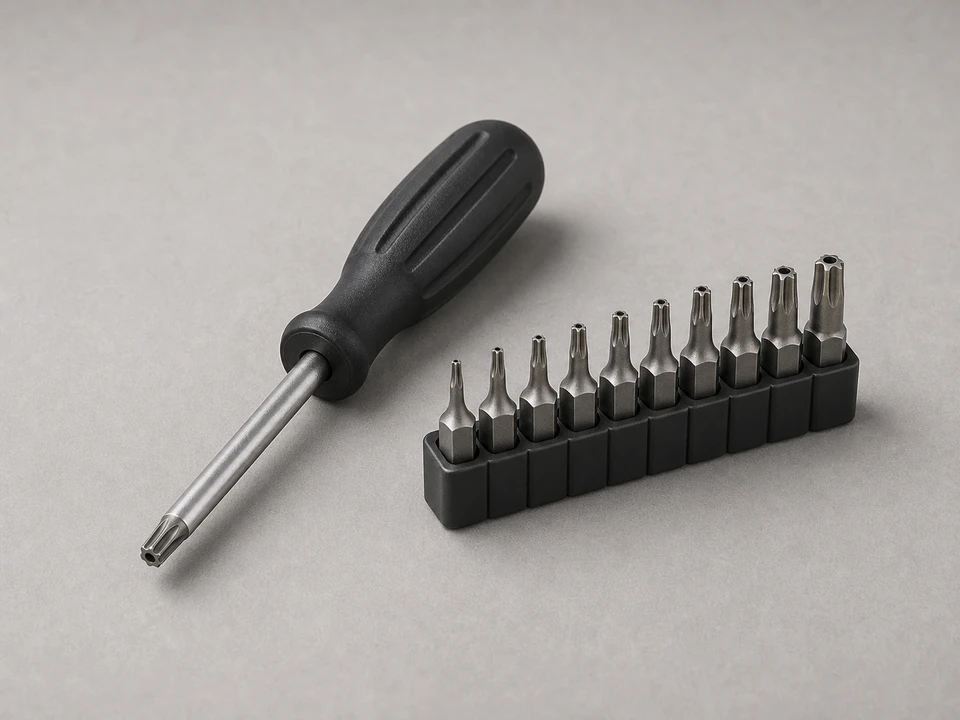
Use it for: Some dishwasher door panels use Torx screws instead of Phillips.
Shop Torx screwdriver sets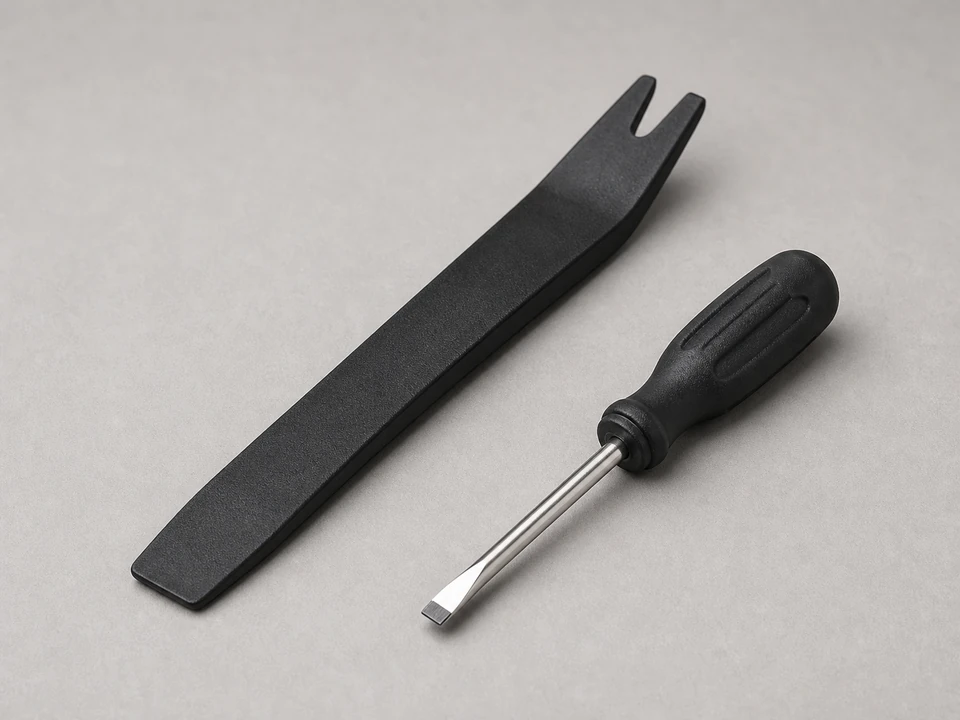
Use it for: Helps release locking tabs or gently lift trim without cracking it.
Shop small pry tools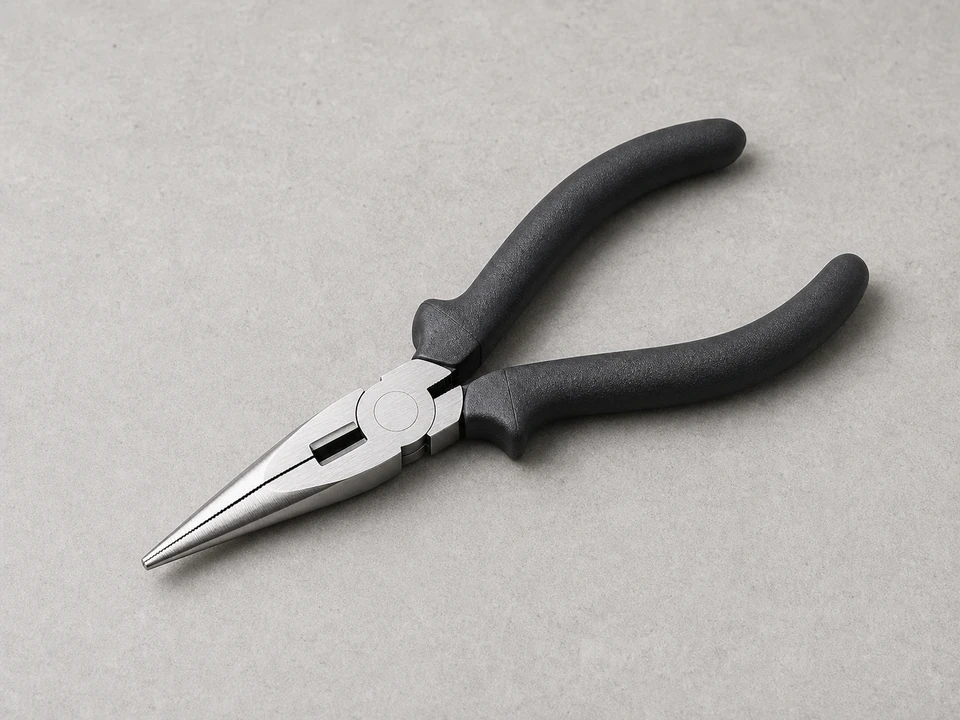
Use it for: Useful for disconnecting small linkages or wire connectors if access is tight.
Shop needle-nose pliers
Use it for: Catches any rinse aid drips when the old dispenser comes out.
Shop absorbent towelsAs an Amazon Associate I earn from qualifying purchases. Repair Riot may earn a commission at no extra cost to you.
If it works: You have a clear reason to replace the dishwasher rinse aid dispenser rather than just refilling or cleaning it.
If it doesn’t: If the cap seals normally and there is no leaking or sticking, clean the dispenser area and monitor the next few cycles before ordering parts.
If it works: The dishwasher is safe to work on and the door area is clear.
If it doesn’t: If you cannot confirm power is off, do not continue until you can safely disconnect the dishwasher.
If it works: You can see and reach the back side of the dishwasher rinse aid dispenser.
If it doesn’t: If the panel will not separate, check again for hidden screws along the top or sides and make sure you are only removing the inner door fasteners.
If it works: The old dispenser is out and the door opening is clean and ready for the new part.
If it doesn’t: If the dispenser will not release, look for one more hidden tab or screw and avoid prying hard enough to bend the door panel.
If it works: The new dishwasher rinse aid dispenser is mounted securely, connected properly, and seated evenly in the door.
If it doesn’t: If the new part does not sit flush or the connector does not match, stop and verify the replacement part number before reassembling the door.
If it works: The dishwasher runs normally, the dispenser stays sealed, and the repair holds in real use.
If it doesn’t: If the dishwasher still leaks or the dispenser does not release correctly, recheck the fit, seal seating, and any connector or linkage you reattached.
Match the replacement part to your exact dishwasher before ordering.
As an Amazon Associate I earn from qualifying purchases. Repair Riot may earn a commission at no extra cost to you.
Common signs are a cap that will not stay closed, visible rinse aid leaking down the door, a dispenser that will not open during a cycle, or dishes that stay spotty even when the dispenser is filled and the rest of the dishwasher is working normally.
Usually no. On most dishwashers, the rinse aid dispenser is accessed by opening the door and removing the inner door panel.
If the cap is sold separately for your dishwasher and the dispenser body is not cracked or leaking, a cap may be enough. If the body leaks, sticks, or will not mount securely, replace the full dispenser.
The dispenser body may be cracked, the seal may be worn, or the cap may not be threading or locking correctly anymore. Dried residue around the opening can also keep the cap from sealing fully.
Use your dishwasher's exact model information and compare the old part to the new one before installing. Pay attention to the mounting tabs, connector style, and overall shape.