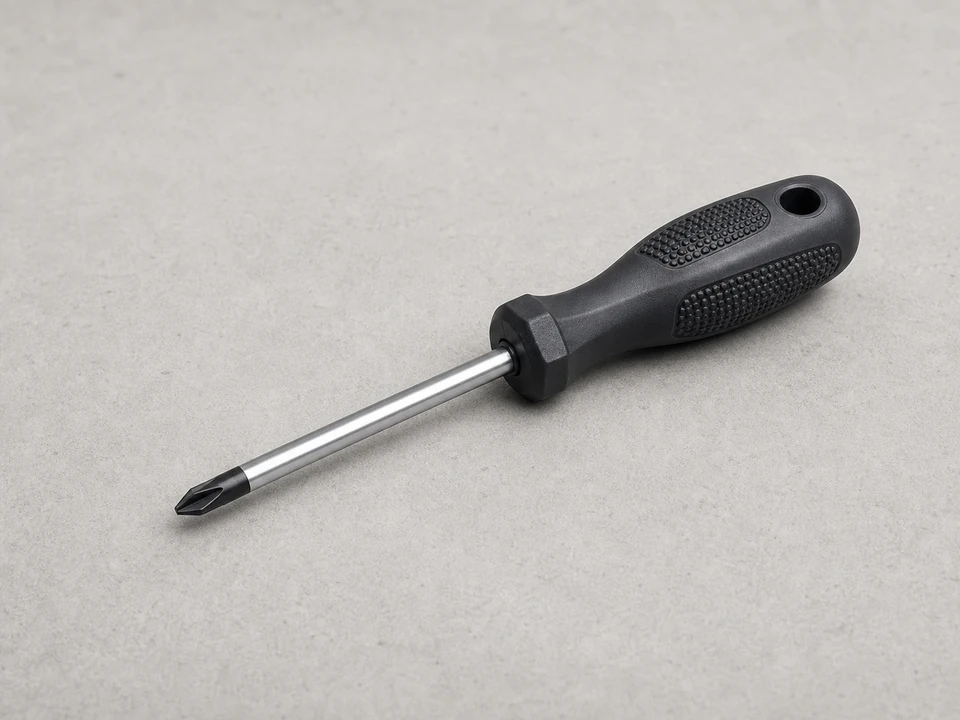
Phillips screwdriver
Use it for: Removes the inner door screws on many dishwashers and secures the new latch.
Shop Phillips screwdriversTo replace a dishwasher door latch, shut off power, open the inner door panel, remove the old latch, transfer any wiring one connector at a time, install the new latch, and test that the door closes firmly and the dishwasher starts normally.
A worn or broken door latch can keep a dishwasher from starting, heating, or running through a cycle because the machine does not sense the door as safely closed. This is usually a manageable homeowner repair if you work carefully around the door wiring and keep track of the screws.
Before you start: Match the replacement part to your exact dishwasher before ordering.
Use it for: Removes the inner door screws on many dishwashers and secures the new latch.
Shop Phillips screwdrivers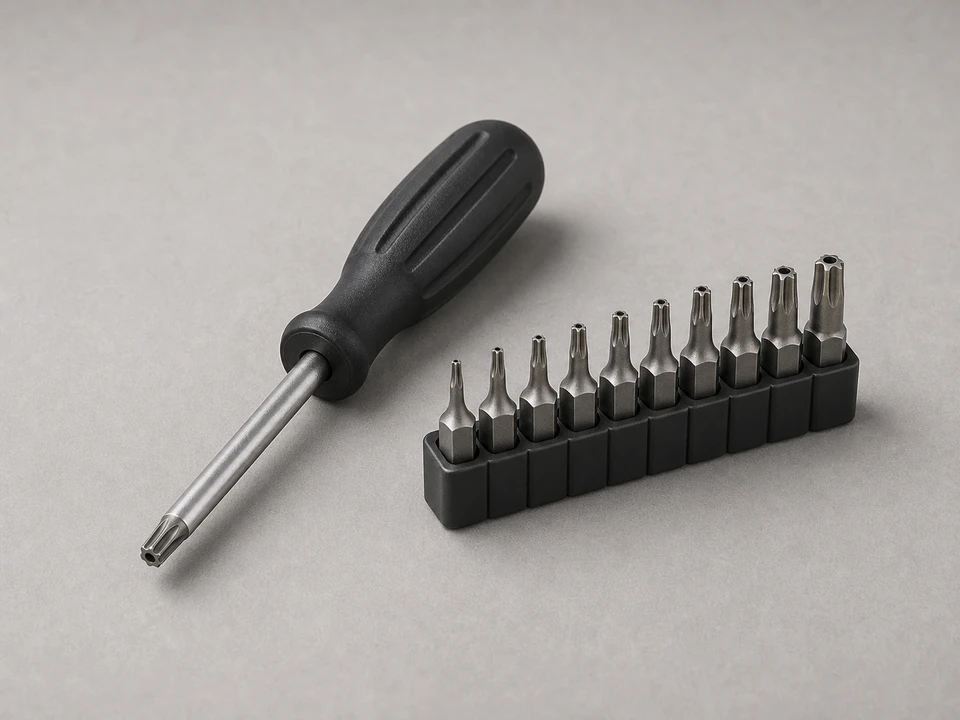
Use it for: Some dishwasher door panels use Torx screws instead of Phillips.
Shop Torx screwdriver sets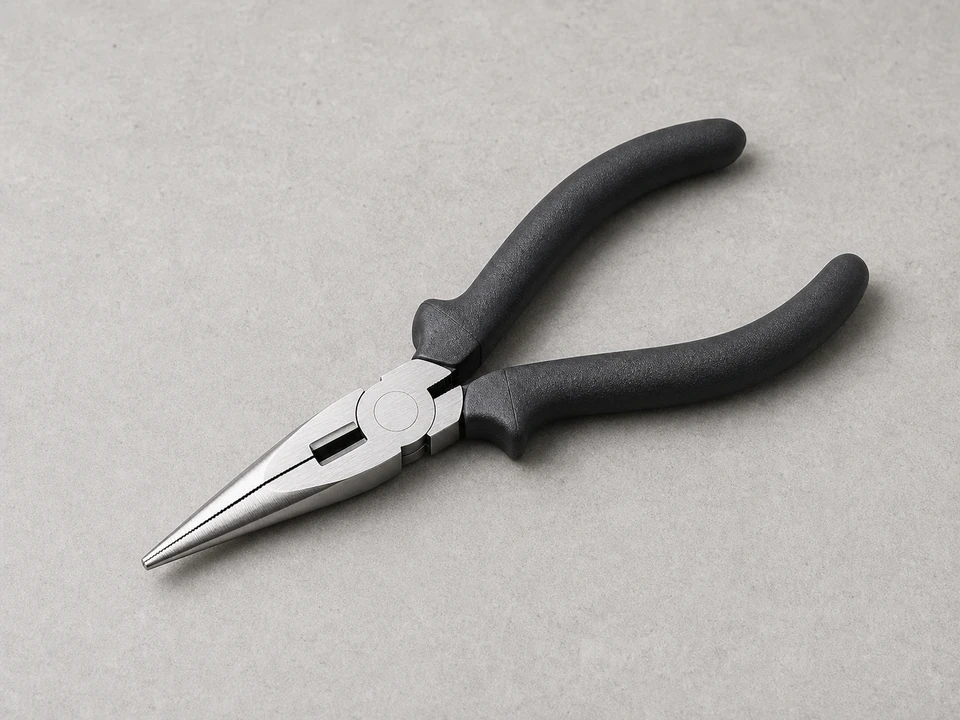
Use it for: Helps pull wire connectors off the old latch without yanking on the wires.
Shop needle-nose pliers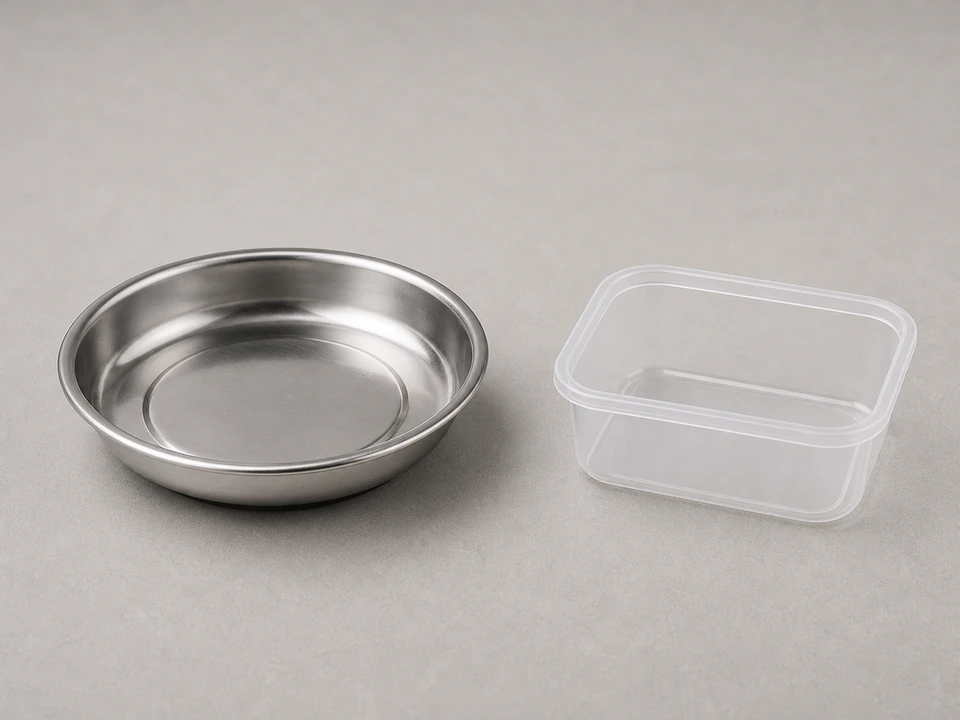
Use it for: Keeps door screws from getting lost while the panel is apart.
Shop magnetic parts trays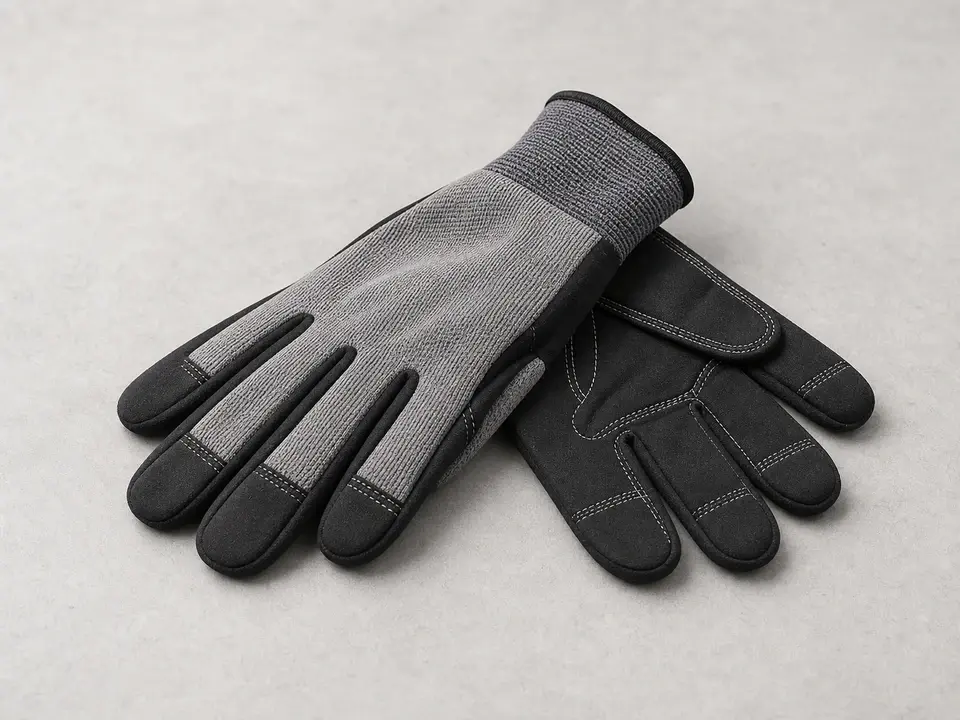
Use it for: Protects your hands from sharp sheet-metal edges inside the door.
Shop work glovesAs an Amazon Associate I earn from qualifying purchases. Repair Riot may earn a commission at no extra cost to you.
If it works: You have a clear reason to replace the dishwasher door latch instead of guessing.
If it doesn’t: If the door closes firmly and the dishwasher still shows no response at all, the problem may be elsewhere and the latch may not be the right repair.
If it works: The dishwasher is safely powered down and the door is positioned for disassembly.
If it doesn’t: If you cannot confirm power is off, do not continue until you can shut the dishwasher down safely.
If it works: You have access to the latch area inside the top of the dishwasher door.
If it doesn’t: If the panel will not separate, look for hidden screws along the top edge or sides and remove only the ones tied to the inner panel.
If it works: The old latch is out and the new latch matches well enough to install.
If it doesn’t: If the new part does not match the old one, pause and verify the replacement using your dishwasher model information before installing it.
If it works: The new dishwasher door latch is mounted securely and wired the same way as the original.
If it doesn’t: If the latch feels jammed or the connectors do not fit snugly, remove it and correct the fit before reassembling the door.
If it works: The door closes securely, the dishwasher starts normally, and the repair holds during an actual cycle.
If it doesn’t: If the dishwasher still will not start or only runs when you push on the door, recheck the wiring, latch alignment, and door strike. If those look right, another door-switch or control issue may be causing the problem.
Match the replacement part to your exact dishwasher before ordering.
As an Amazon Associate I earn from qualifying purchases. Repair Riot may earn a commission at no extra cost to you.
Common signs are a dishwasher that will not start, starts only when you push on the door, stops mid-cycle when the door shifts, or a door that no longer clicks shut firmly.
Usually yes. On many models, the latch is accessed through the inner door panel, so you can do the repair with the dishwasher still installed under the counter.
Not always. If the strike is straight, secure, and not worn or broken, the latch alone may be enough. If the strike is bent or damaged, the new latch may not engage properly until that is corrected too.
Recheck the wire connections, make sure the new latch matches the original, and confirm the door is aligning correctly with the strike. If those look good, the problem may be in another door-switch component or the control system.
It is usually a moderate repair. The work is straightforward, but you do need to shut off power, open the door panel carefully, and reconnect the wiring correctly.