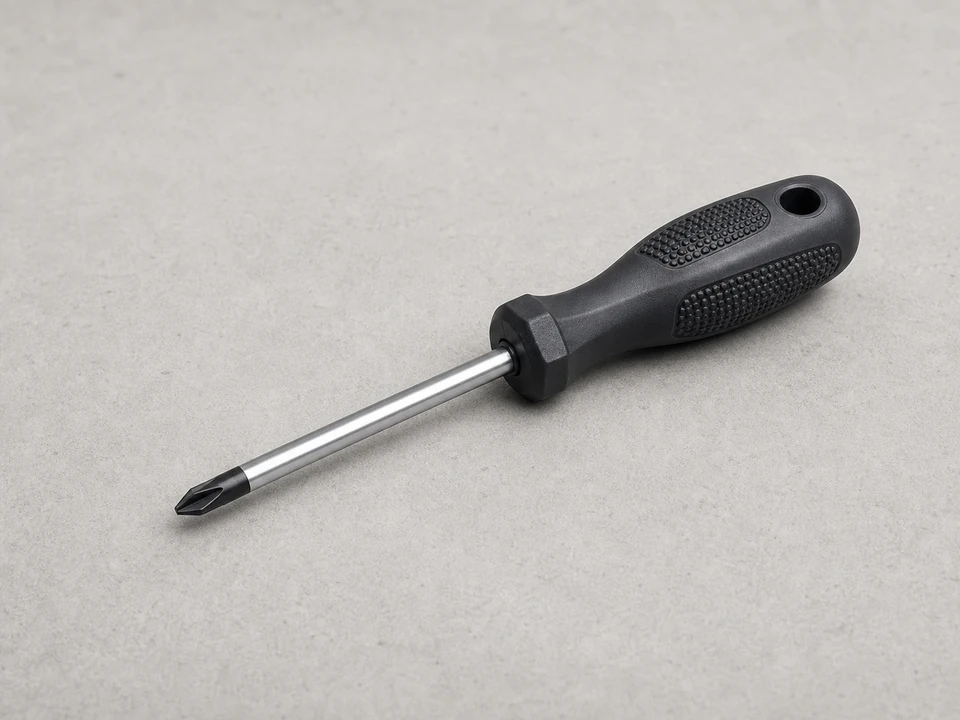
Phillips screwdriver
Use it for: Removes most inner door panel screws and latch mounting screws.
Shop Phillips screwdriversIf your dishwasher will not start, will not stay latched, or shows signs the door is not fully closed, replacing the dishwasher door latch assembly is a practical fix many homeowners can handle.
The job is usually done from the inner door panel. You will shut off power, open the door, remove the inner screws, swap the latch assembly, reconnect the wires, and then test that the door closes firmly and the dishwasher starts like normal.
Before you start: Match the replacement part to your exact dishwasher before ordering.
Use it for: Removes most inner door panel screws and latch mounting screws.
Shop Phillips screwdrivers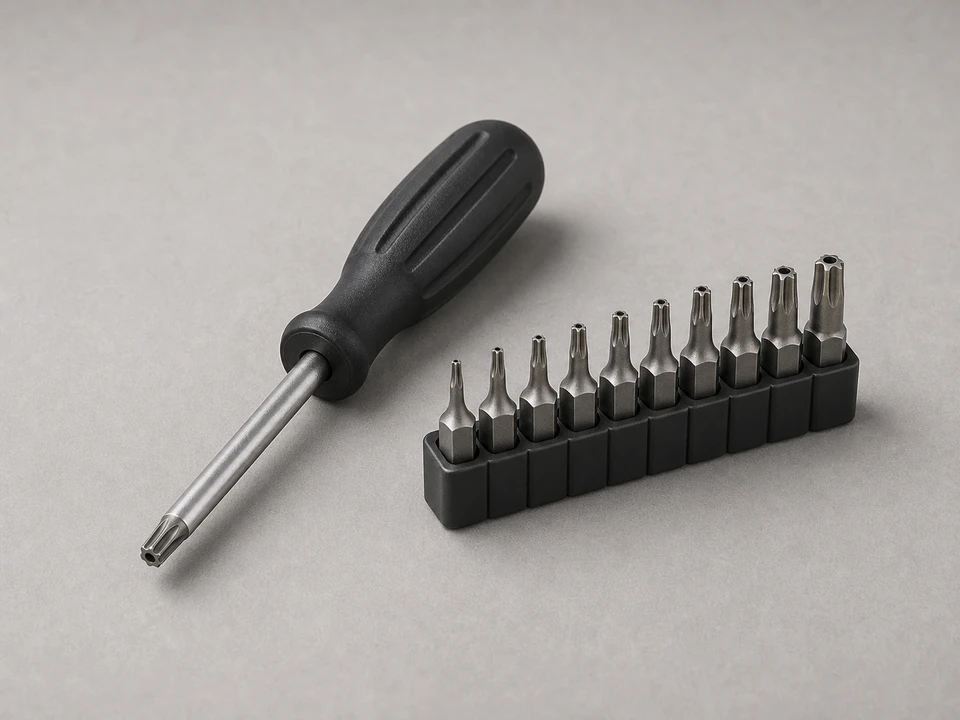
Use it for: Some dishwashers use Torx screws on the inner door panel.
Shop Torx screwdriver sets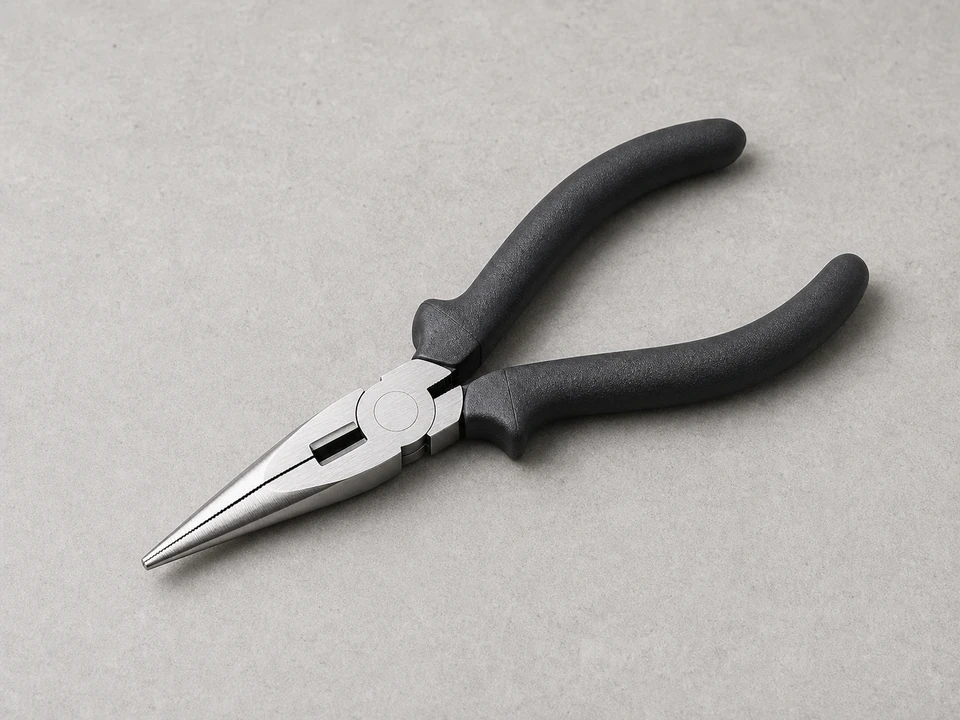
Use it for: Helps pull wire connectors off the old latch without yanking the wires.
Shop needle-nose pliers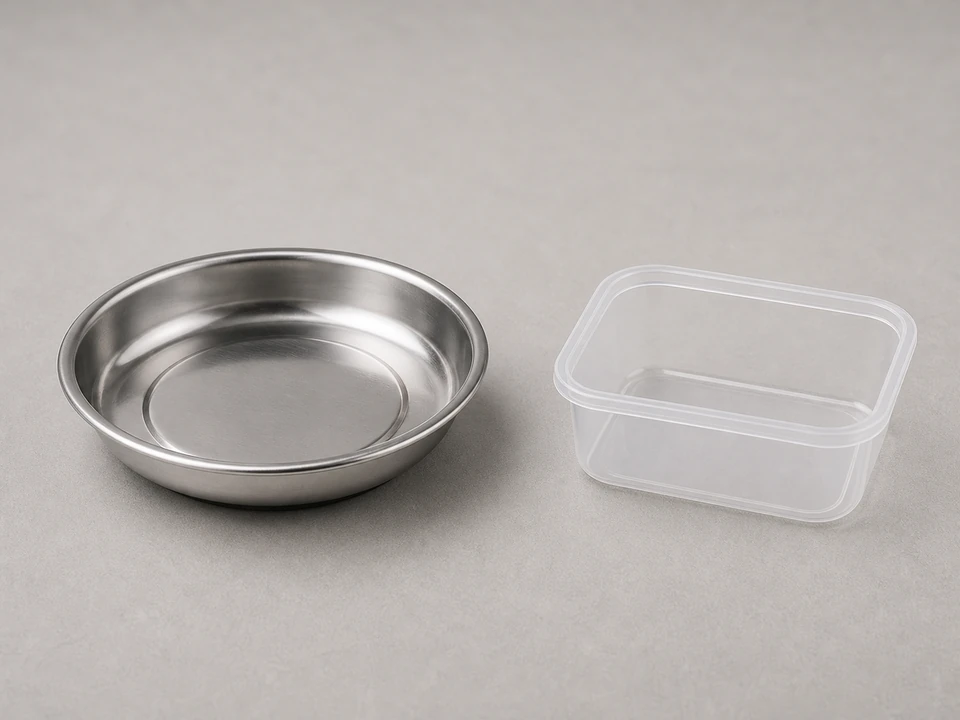
Use it for: Keeps door screws from getting lost while the panel is apart.
Shop magnetic parts trays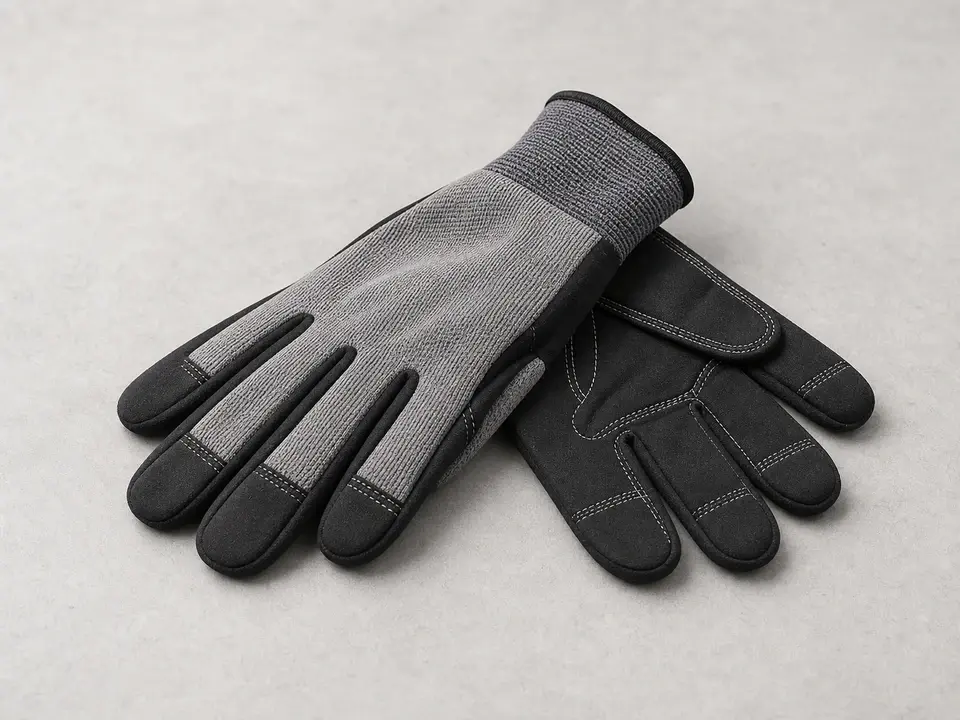
Use it for: Protects your hands from sharp sheet-metal edges inside the door.
Shop work glovesAs an Amazon Associate I earn from qualifying purchases. Repair Riot may earn a commission at no extra cost to you.
If it works: The symptoms point to a worn, broken, or non-engaging door latch assembly rather than a simple loading issue.
If it doesn’t: If the door closes and latches normally, this may not be the right repair. Check for power, control, or switch problems before ordering parts.
If it works: You can safely access the latch assembly and its wire connections.
If it doesn’t: If the panel feels stuck after the screws are out, look again for hidden screws along the top or sides before forcing it.
If it works: The old latch assembly is out and the wiring is free for the new part.
If it doesn’t: If a connector is tight, use needle-nose pliers gently on the terminal, not on the wire insulation.
If it works: The new latch assembly is mounted securely and wired the same way as the original.
If it doesn’t: If the new part does not line up or the terminals do not match, stop and verify the replacement using your dishwasher model information.
If it works: The door closes evenly, latches firmly, and feels normal by hand.
If it doesn’t: If the door still does not line up, inspect the strike, hinges, and door gasket for a separate alignment problem.
If it works: The dishwasher starts, stays running with the door closed, and the latch holds reliably in normal use.
If it doesn’t: If the dishwasher still will not start even though the door now latches properly, the problem is likely elsewhere in the door switch circuit, control, or power supply.
Match the replacement part to your exact dishwasher before ordering.
As an Amazon Associate I earn from qualifying purchases. Repair Riot may earn a commission at no extra cost to you.
Common signs are a dishwasher that will not start, a door that will not stay closed, a latch that feels loose or inconsistent, or a cycle that stops because the machine thinks the door opened.
Usually yes. On many dishwashers, the latch is reached by removing the inner door panel, disconnecting a couple of wires, and swapping the part. The main safety step is turning off power first.
Usually no. This repair is commonly done from the front with the door open. You only need access to the door panel and latch area.
If the door now closes and latches correctly but the dishwasher still will not start, the issue may be in the door switch circuit, control board, wiring, or incoming power rather than the latch assembly itself.
Use your dishwasher's exact model information and compare the old part to the new one before installing. Mounting points, connector style, and latch shape all need to match.